


Wood Siding: Types, Benefits & Best Options for Your Home
Your home’s exterior says a lot before anyone walks through the door, and the material covering it shapes curb appeal, insulation performance, and long-term value all at once. Wood siding has been a cornerstone of American residential architecture for generations, and its staying power comes down to a combination of natural beauty, design flexibility, and genuine durability that synthetic alternatives still struggle to match. If you are planning an exterior upgrade, learning what goes into a quality siding installation is a smart first step before committing to any material.
What you’ll learn:
- Why wood siding continues to hold its own against modern synthetic alternatives
- The six most popular wood siding types and what makes each one unique
- Proven maintenance habits that protect your investment for decades
- How wood compares to vinyl, fiber cement, and metal in a direct side-by-side
- What to consider when choosing between wood siding profiles for your home
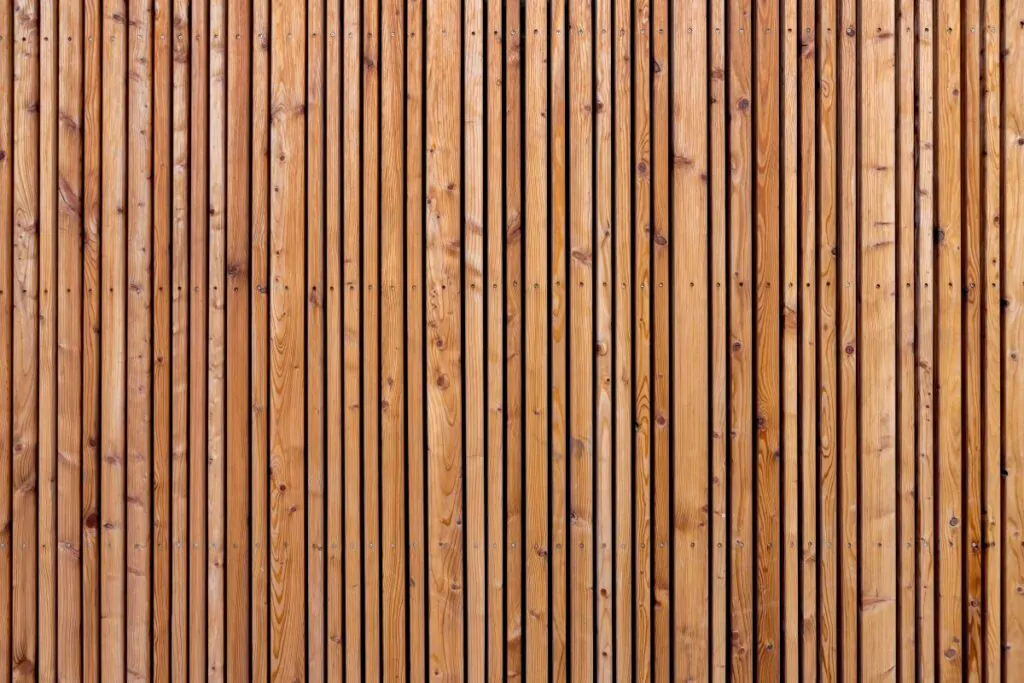
Why Wood Siding Is Still Worth the Investment
In a market crowded with composite panels, engineered wood, and vinyl systems, it is fair to ask whether natural wood still makes sense as a primary siding material. For homeowners throughout Pekin and surrounding areas, the answer consistently comes back yes, and the reasons go well beyond tradition or nostalgia. Wood brings a set of real, measurable advantages to a home’s exterior that manufactured products are still working hard to replicate.
The case for wood siding starts with what it does that no other material can fully duplicate.
- Natural insulation performance: Wood is a genuinely poor conductor of heat, which means it acts as a natural thermal barrier between the interior of your home and the outside air. Over a full heating and cooling season, that difference translates into real savings.
- Proven durability and longevity: With proper installation and routine upkeep, quality wood siding can last 30 to 50 years or more. Species like cedar and redwood contain natural oils that resist moisture, rot, and insect damage without chemical treatment, giving them an inherent edge in long-term performance.
- Curb appeal that stands out: Wood grain, texture, and depth create a visual richness that flat synthetic panels simply cannot replicate. The natural variation in each board gives a home a handcrafted, one-of-a-kind appearance that increases perceived value and makes a lasting impression from the street.
- Design versatility: Few materials accept paint, stain, and custom finishes as readily as wood. Whether you want a bold saturated color or a quiet natural tone, wood gives you full creative control without sacrificing durability.
- Repairability at the board level: Unlike vinyl, which typically requires full panel replacement when damaged, wood siding can be patched, sanded, and refinished board by board. That keeps repair costs manageable over the life of the home.
These advantages help explain why wood siding remains a premium choice even as the market continues to diversify. For homeowners who treat their exterior as a long-term investment, wood delivers a return that holds up across decades of weather exposure and changing trends.
6 Common Types of Wood Siding and What Sets Them Apart
The category of wood siding covers a wide range of profiles, species, and installation styles, and choosing the right one means understanding how each type performs visually, structurally, and in terms of ongoing upkeep. The six options below represent the most widely used profiles across residential construction.
Each has a distinct character, and the right fit depends on your home’s architecture, your local climate, and the level of maintenance you are willing to commit to over time.
1. Clapboard Siding
Also called bevel siding, clapboard is one of the oldest and most recognized profiles in North American residential construction. Long, tapered boards are installed horizontally with each row overlapping the one below, creating a clean shadow line that adds depth to any facade. When installed with cedar or redwood, clapboard can last 40 years or more with periodic painting and basic upkeep.
- Works well on colonial, cape cod, and traditional architectural styles
- Available in cedar, pine, and redwood with varying levels of natural durability
- The overlapping installation sheds water effectively when properly maintained
- Requires repainting every five to seven years to preserve moisture resistance and appearance
2. Board and Batten Siding
This vertical profile alternates wide boards with narrow strips called battens, which cover the seams between boards. It creates a bold, structured visual that adds height and presence to a home’s exterior, and is particularly striking on two-story homes where the vertical lines reinforce the height of the structure. Board and batten has experienced a major revival in modern and transitional residential design in recent years.
- The vertical line draws the eye upward, making walls appear taller and more defined
- Battens cover seams efficiently, reducing the risk of moisture infiltration over time
- A natural fit for farmhouse, cottage, and contemporary architectural styles
- Lower maintenance demands than some profiles due to fewer exposed horizontal seams
3. Shiplap Siding
Shiplap boards have a rabbeted edge that allows them to nest together with a clean, recessed groove between each course. The result is a refined horizontal pattern that has become popular both in exterior cladding and interior accent applications. It is most commonly milled from pine or spruce and holds paint exceptionally well, making it one of the easier wood profiles to maintain over time.
- Tight-fitting profile minimizes gaps and reduces moisture entry at the seams
- The recessed groove creates visual rhythm without heavy ornamentation
- A popular choice for Scandinavian-inspired and modern farmhouse design styles
- Consistent finish surface makes repainting straightforward and less time-intensive
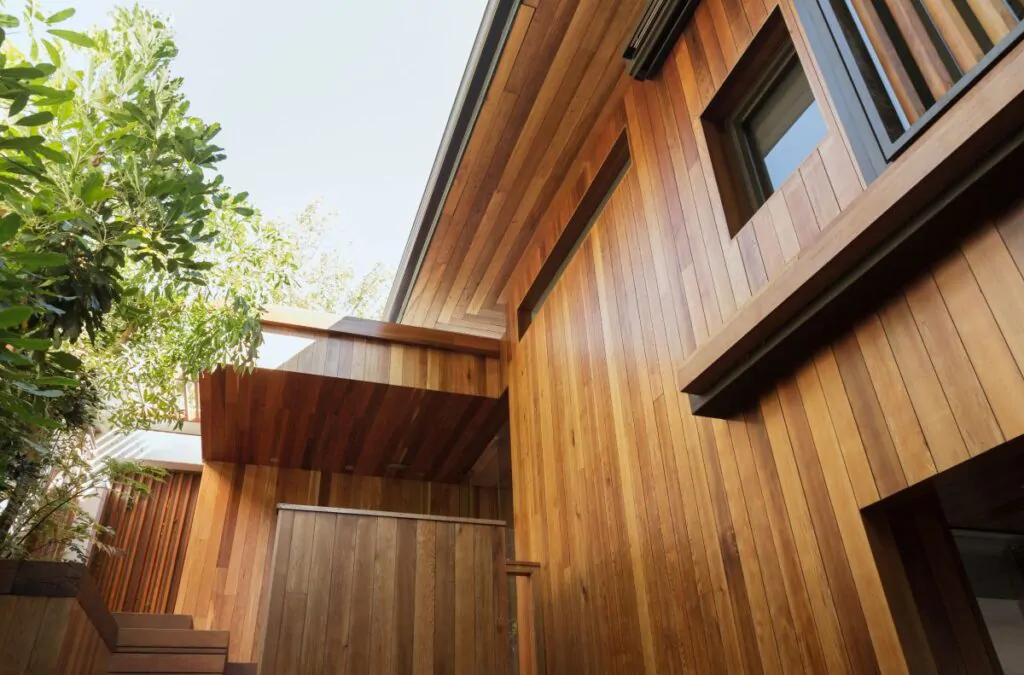
4. Tongue and Groove Siding
Each tongue and groove board interlocks with the next, producing a flat, nearly seamless surface. This profile can be installed horizontally, vertically, or diagonally, offering layout flexibility that few other siding types can match. The interlocking system also limits board movement over time, which helps the finish coat last longer between maintenance cycles.
- Interlocking system produces a tight, finished surface with minimal visible gaps
- Works in multiple orientations for creative and custom design applications
- Accepts both paint and stain finishes with excellent long-term results
- Reduced movement between boards helps the exterior finish hold up longer
5. Wood Shingle and Shake Siding
Wood shingles are precision-sawn to a uniform shape, while shakes are hand-split for a rougher, more textured surface. Both are traditionally produced from western red cedar and installed in overlapping rows, and remain a popular choice for homes in Pekin and surrounding areas. Cedar shingles and shakes are among the most durable wood siding options available, with lifespans reaching 30 years or beyond when maintained properly.
- Natural cedar carries inherent resistance to moisture and insect damage
- Shakes offer a rugged, handcrafted appearance with deep shadow lines
- Shingles deliver a more uniform profile suited to traditional and cottage styles
- Periodic treatment with a water repellent preservative extends lifespan significantly
6. Log Siding
Log siding uses flat-backed boards milled to resemble half-round logs, replicating the look of a log cabin without the structural complexity or cost of true log construction. It is available in cedar, pine, and spruce, and installs over standard framing like any conventional profile. Its thick profile creates strong visual character and stands up well to physical wear.
- Delivers authentic rustic aesthetics at a fraction of full log construction cost
- Available in multiple species with varying levels of natural durability
- A practical option for homeowners who want the cabin look without the construction investment
- Thicker profile adds a layer of natural insulation and physical resilience
Each of these six profiles brings something distinct to a home’s exterior. The best choice aligns with your architectural style, regional climate, and long-term maintenance expectations rather than current design trends alone.
Maintaining Wood Siding the Right Way
Wood siding rewards consistent attention. The material is durable by nature, but it is not maintenance-free, and the specific upkeep requirements vary depending on the species and profile you choose. Cedar and redwood are the most forgiving options due to their natural resistance to moisture and decay, while pine and spruce require more attentive sealing and painting schedules to achieve comparable longevity. Homeowners who understand the core upkeep tasks for their specific siding type are far better positioned to protect their investment.
Building these habits early makes a measurable difference, particularly in Pekin and surrounding areas where seasonal temperature swings and moisture exposure can accelerate wear on exterior surfaces.
- Annual Inspection: Walk the perimeter of your home once a year and look closely for cracked or split boards, peeling paint, soft spots, discoloration, and gaps where siding meets trim. Catching minor issues early is always less expensive than addressing them after they escalate.
- Low-Pressure Cleaning: Dirt, mildew, and algae build up on wood surfaces over time, especially on north-facing walls with less direct sun. A mild soap solution applied with a soft brush or low-pressure washer handles routine cleaning well. High-pressure washing forces water beneath the boards and causes the moisture damage it is meant to prevent.
- Repainting and Restaining: The finish coating is the primary defense against moisture infiltration. Most painted wood siding needs a fresh coat every five to seven years, while stain finishes may require refreshing more often depending on sun and weather exposure. A high-quality exterior product at application time extends the interval between refinishing projects.
- Caulking and Sealing: Gaps around windows, doors, and trim are the most common water entry points. Inspect and replace deteriorated caulk annually to maintain a weather-tight seal. This simple step has an outsized impact on preventing the moisture intrusion that leads to rot and structural damage.
A proactive approach to maintenance keeps wood siding performing at its best and dramatically extends its functional lifespan. Homeowners who treat these tasks as routine rather than reactive consistently get more years and more value from their exterior investment.
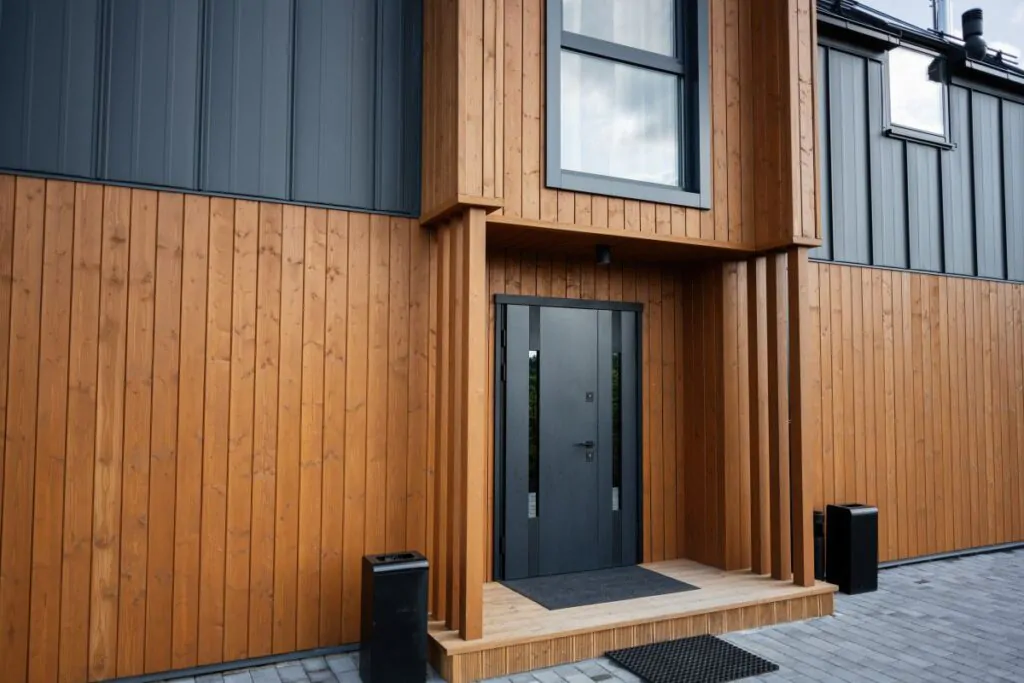
Wood Siding vs. Other Popular Exterior Materials
Choosing a siding material means weighing real trade-offs across cost, durability, appearance, and upkeep. Wood competes directly with vinyl, fiber cement, and metal in most residential markets, and each material has genuine strengths alongside real limitations.
The comparison below gives homeowners a direct framework for evaluating which material fits their priorities and long-term goals.
| Material | Upfront Cost | Durability | Maintenance | Appearance |
| Wood | Medium-High | High with care | Moderate | Exceptional |
| Vinyl | Low | Good | Low | Limited |
| Fiber Cement | Medium | Very High | Low-Moderate | Good |
| Metal | Medium-High | Very High | Low | Modern only |
Wood leads on appearance by a significant margin. Its organic texture, grain variation, and finish flexibility produce a visual depth that manufactured materials consistently fall short of replicating. Vinyl costs less upfront and requires minimal maintenance but cannot match wood’s aesthetic character. Fiber cement comes closer in appearance but lacks the natural warmth of real wood grain. Metal is extremely durable and low-maintenance but its industrial aesthetic limits it to contemporary home styles.
For homeowners who prioritize curb appeal, design authenticity, and long-term property value, wood siding earns its premium price. Paired with the right species and a solid maintenance routine, it delivers a return that holds up through decades of weather and wear.
Transform Your Home’s Exterior with ROOF TIGER
Wood siding is more than a building material. It is a design statement, a long-term investment, and a meaningful contribution to the character and value of your home. From the classic appeal of clapboard to the rustic texture of hand-split shakes, the right wood siding profile has the power to transform any exterior into something genuinely distinctive and built to last.
At ROOF TIGER, we help homeowners throughout Pekin and surrounding areas navigate every stage of an exterior upgrade with confidence. Whether you are weighing material options, planning a full replacement, or looking for guidance on your next maintenance steps, our team brings the experience and care your home deserves. Contact us today to schedule a consultation and take the first step toward the exterior you have been envisioning.

Ferocious Roofing

They are extremely professional and responsive, made some great suggestions along the way, and handled every little issue that came up without complaint.
Vince B

