


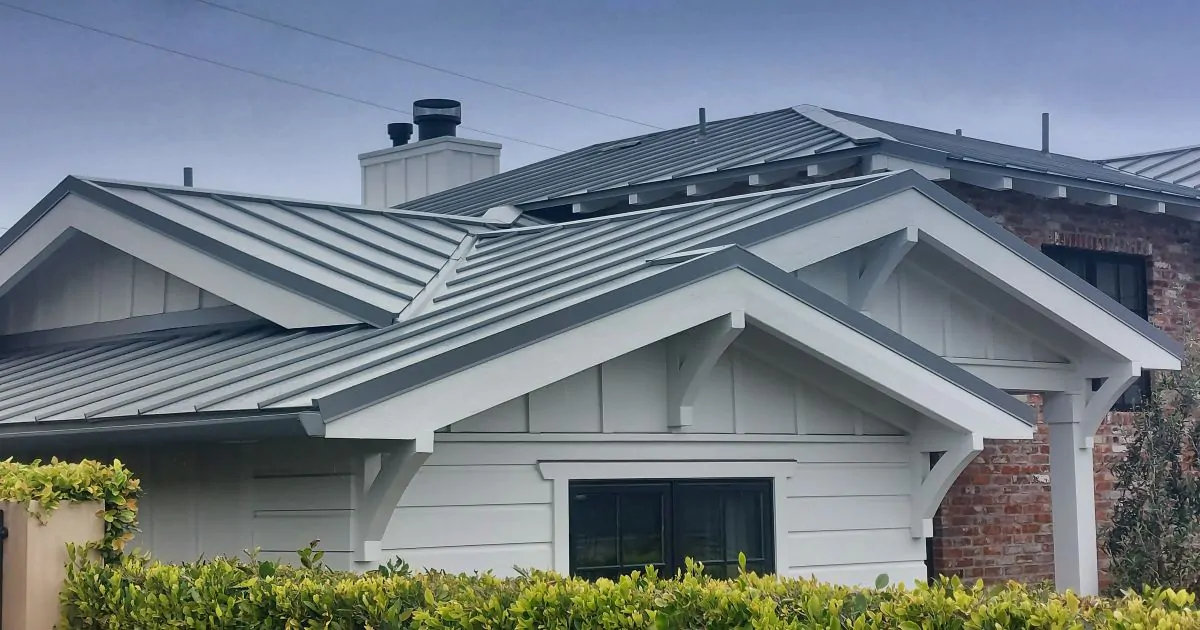
Board and Batten Siding: The Complete Homeowner’s Guide
Few exterior styles have made a stronger comeback than board and batten siding. What began as a practical solution for barns and farmhouses has evolved into one of the most sought-after siding styles in modern residential design, showing up on everything from craftsman cottages to sleek contemporary builds. The timeless appeal is easy to understand: it is bold, clean, and unmistakably intentional. If you are considering an exterior upgrade and want to understand what makes this siding style work and how to do it right, explore what professional exterior siding installation actually involves before your first contractor conversation.
What you’ll learn in this post:
- What board and batten siding is and why it has become so popular
- The material options available and how they compare
- How the installation process works and what affects material costs
- Design tips for making board and batten work on your home’s exterior
- How to maintain it properly for long-term performance
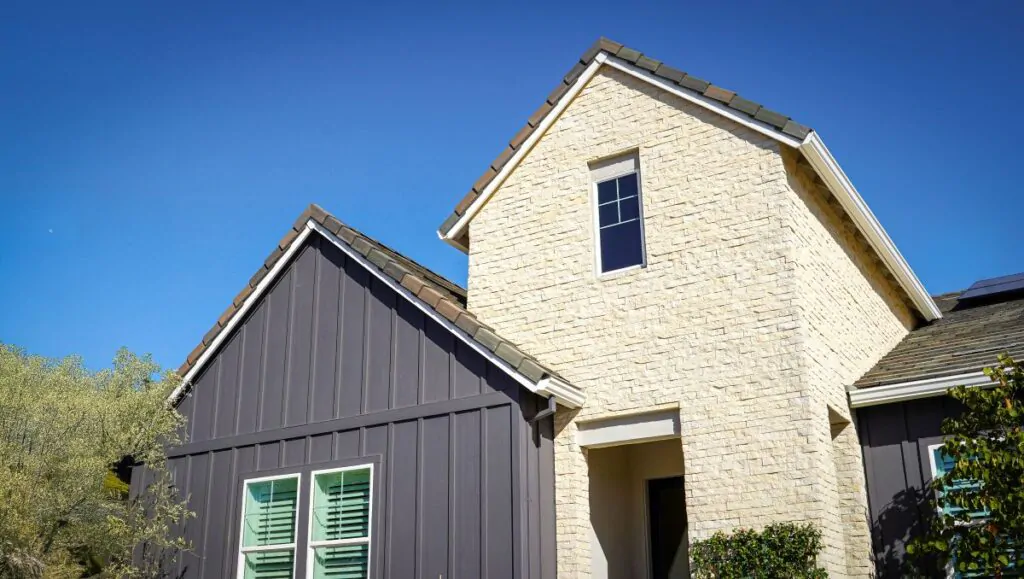
Why Board and Batten Siding Is Worth Considering
Board and batten is not just a trend. It is a siding style with genuine longevity, functional advantages, and a versatility that works across architectural types. Homeowners in Bartonville and surrounding areas who are weighing siding options often find that this profile checks more boxes than they expected once they understand what it actually delivers.
- Curb appeal and design impact: The vertical lines of board and batten create a sense of height and proportion that few other siding options can match. On a standard two-story home it draws the eye upward and makes the structure feel more commanding. On a ranch-style home it adds visual interest and timeless charm that horizontal siding simply cannot replicate.
- Durability and weather resistance: When installed correctly with durable materials, board and batten holds up well against wind, rain, and temperature fluctuations. The overlapping batten strips cover the seams between wider boards, creating a tight exterior that resists moisture infiltration better than many open-joint profiles.
- Material flexibility: Board and batten is available in natural wood, fiber cement, engineered wood, and vinyl siding, which means homeowners can match the desired look to almost any budget and maintenance preference. Each material brings different tradeoffs in cost, longevity, and upkeep.
- Increased home value: A well-executed board and batten exterior consistently generates strong interest at resale. The batten style reads as intentional and high quality to buyers, and when paired with complementary trim and color choices, it can significantly elevate the perceived value of a property.
The combination of aesthetic appeal, weather performance, and broad material availability makes board and batten one of the most practical primary siding options on the market, delivering timeless appeal that feels current without depending on trends that fade quickly.
5 Material Options for Board and Batten Siding
Choosing the right material is one of the most important decisions in any siding project. The aesthetic may be consistent across all options, but the performance, ongoing maintenance requirements, and material costs vary considerably. Understanding your choices upfront prevents regrets down the road.
1. Natural Wood
Natural wood is the original board and batten material and still preferred by homeowners who want authentic real wood texture and character. Cedar and pine are the most common species, with cedar offering better natural resistance to moisture, rot, and termites. Real wood has unmatched visual warmth but requires consistent maintenance including painting or staining every five to seven years, caulking, and prompt repair of any damaged sections.
- Cedar is naturally resistant to rot, pests, and insect damage but still requires periodic finishing
- Pine is more affordable but needs more diligent sealing, staining, and ongoing maintenance
- Wood is most susceptible to moisture damage and rot if installation or maintenance lapses
2. Fiber Cement
Fiber cement has become the dominant choice for homeowners who want the look of wood without the upkeep demands. Products like James Hardie’s HardiePlank and HardiePanel lines resist moisture, rot, pests, and fire, and carry substantial warranties. Fiber cement holds paint exceptionally well and can be factory-primed or pre-finished in a wide range of colors, making it one of the most low maintenance siding options available.
- Highly resistant to moisture, rot, pests, termites, and fire
- Factory-finish options reduce on-site labor and provide consistent color coverage
- Heavier than wood or vinyl siding, which increases labor costs slightly during professional installation
3. Engineered Wood
Engineered wood products such as LP SmartSide offer a middle ground between natural wood and fiber cement. They are designed to look and feel like real wood while delivering better dimensional stability and moisture resistance than solid wood. Engineered wood is lighter than fiber cement and accepts paint and stain in ways that closely mimic traditional siding board finishing.
- More affordable than fiber cement while offering improved durability over natural wood
- Requires periodic repainting but holds up better than real wood between maintenance cycles
- Some products carry warranties of up to 50 years when installed per manufacturer guidelines
4. Vinyl
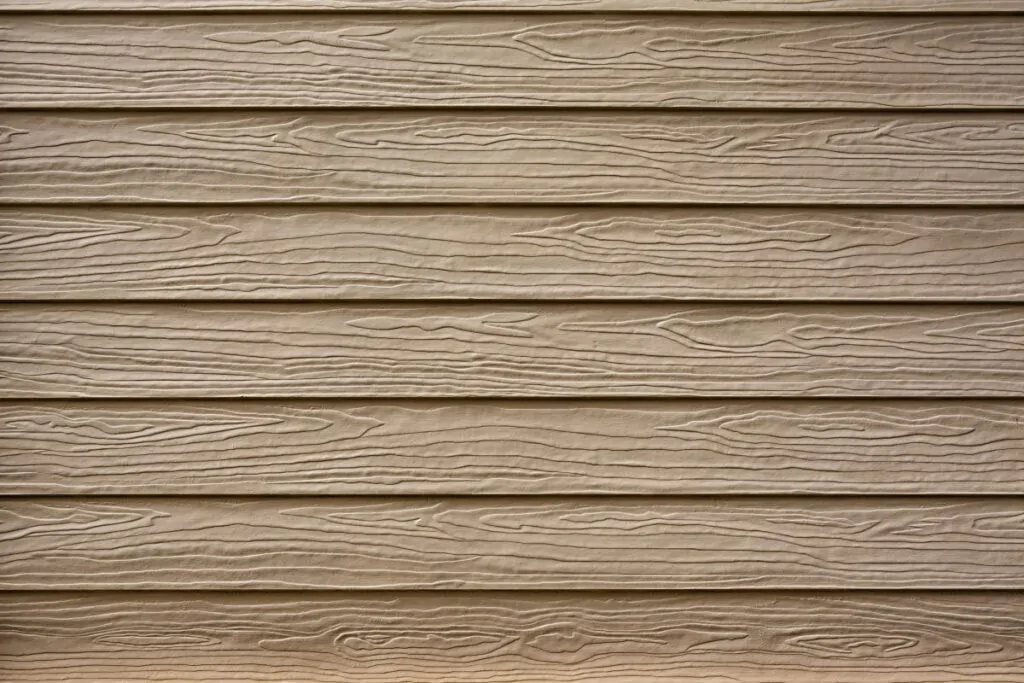
Batten vinyl and board and batten vinyl siding is the most budget-friendly option and requires minimal maintenance beyond occasional cleaning. It does not rot, rust, or need repainting, and modern vinyl profiles have improved considerably in thickness and color stability. The tradeoff is that vinyl siding can look less substantial than fiber cement or engineered wood, and it is more susceptible to impact damage and color fading over time.
- Lowest upfront material costs of all board and batten options
- No painting required; color is molded throughout the material
- Less realistic appearance than fiber cement or engineered wood up close
5. Metal
Steel and aluminum board and batten panels are a newer option gaining traction in residential and commercial applications. Metal siding offers exceptional durability, fire resistance, and longevity, and it works particularly well on modern homes where the batten siding board profile creates a clean, graphic look. It is more expensive than vinyl or engineered wood but pairs well with other metal or concrete exterior elements.
- Available in smooth and textured finishes with a wide color palette to suit any desired look
- Highly resistant to fire, pests, and moisture when properly installed and sealed
- Steel options should be coated to prevent rust, particularly in humid climates
Understanding these five options gives you a solid foundation for discussing materials with a contractor. Each has a clear use case, and the right answer depends on your home’s style, your climate, your budget, and how much ongoing maintenance you want to take on.
Getting the Details Right: Design and Installation Considerations
Installing board and batten looks simple, but the details that make it look exceptional require careful planning. Batten spacing, board width, color, and installation method all contribute to the final result, and small decisions in each area add up to a significant difference in how the finished exterior reads from the street.
- Board and batten proportions: The ratio of board width to batten width is one of the most important design decisions when installing board and batten. Traditional profiles use wider boards, often six to twelve inches, with narrow battens of one and a half to two inches covering the seams. Contemporary designs sometimes invert this ratio to expand design possibilities. The choice should be deliberate and consistent across the entire exterior.
- Batten spacing and reveal: The reveal is the visible width of each siding board between battens. Consistent batten spacing across the full height of the wall is essential to a clean, professional result. This requires careful layout work before installation begins, particularly on walls with windows, doors, and other interruptions that affect the rhythm of the pattern.
- Color selection: Board and batten looks strongest when the color palette is handled with intention. A single solid color across boards and battens creates a graphic, modern effect. Painting boards and battens in slightly different tones from the same color family adds depth without visual noise. Accent trim in a contrasting color defines the architecture and adds structure to the facade.
- Installation method and substrate: Board and batten must be installed over a proper weather-resistant barrier to perform correctly. Boards and battens should be fastened with nails or screws into studs or solid sheathing, not just housewrap or felt. Fastener placement matters, since improperly nailed boards can split, bow, or pull away over time.
In Bartonville and surrounding areas, where seasonal temperature swings stress exterior materials, proper fastening technique is especially important for long-term energy efficiency and weather performance.
Maintenance and Long-Term Performance
Keeping board and batten siding in excellent condition over the long term is straightforward with consistent care. The specific maintenance needs depend on material choice, but a few practices apply across all siding options and help extend the life of the installation significantly.
Inspect Twice a Year
A spring and fall walkthrough of your home’s exterior takes less than thirty minutes and catches most problems before they become expensive. Look for cracked or split boards, lifting battens, failing caulk around windows and trim, and any signs of moisture staining near grade. Catching these early avoids the cost of replacing entire sections of siding board down the road.
Keep Caulk and Sealant Fresh
All penetrations, joints, and transitions in a board and batten exterior rely on caulk to stay watertight. Caulk shrinks and cracks over time, and failed sealant is one of the most common pathways for water to get behind siding. Reapplying caulk at the first sign of cracking prevents moisture infiltration and keeps the assembly performing as designed.
Address Paint and Finish Failures Promptly
For wood and engineered wood installations, peeling or flaking paint signals that the protective finish is failing and that the underlying material is being exposed to moisture. Spot-treating problem areas and repainting on schedule prevents moisture damage that can require replacing boards rather than just refinishing. Modern materials like fiber cement and vinyl siding eliminate most of this concern, which is one reason so many homeowners choose them for low maintenance siding projects.
Homeowners in Bartonville and surrounding areas who maintain their board and batten siding consistently will get decades of strong performance from a quality installation. Neglect, even for a season or two, tends to compound quickly on exterior cladding systems.
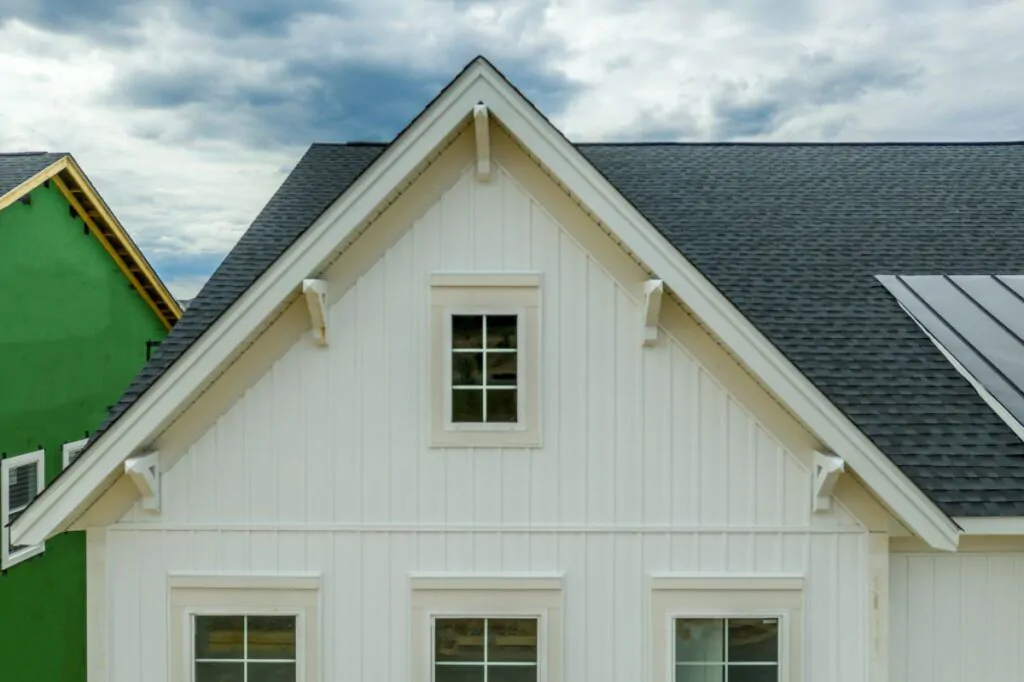
Board and Batten vs. Other Siding Profiles
Board and batten is not the right choice for every home, and understanding how it compares to other popular siding options helps homeowners make a confident decision. The table below covers the three most common alternatives to the batten style across the factors that matter most.
| Board and Batten | Lap Siding | Shake and Shingle | Stucco | |
| Aesthetic | Bold, vertical, modern or traditional | Classic, horizontal, universally familiar | Textured, rustic, warm | Smooth or textured, Mediterranean and modern |
| Maintenance | Low to moderate depending on material | Low to moderate | High, especially in natural cedar | Low until cracking occurs |
| Durability | High with fiber cement or engineered wood | High | Moderate | High when properly applied |
| Repair ease | Easy, section by section | Easy | Moderate | Difficult and costly |
| Design flexibility | High, suits many architectural styles | High | Best as an accent | Limited to certain styles |
| Cost | Moderate to high | Low to moderate | Moderate to high | Moderate to high |
For homeowners who want a profile that stands out, performs well, and works across a wide range of architectural styles, board and batten consistently comes out ahead of the alternatives. Choosing the right siding profile ultimately comes down to your home’s architecture, your neighborhood’s character, and your priorities around aesthetics and maintenance. For many homeowners in Bartonville and surrounding areas, board and batten delivers the strongest combination of curb appeal, durability, and long-term value of any siding style available.
Bring Your Exterior Vision to Life with ROOF TIGER
Board and batten siding transforms a home’s exterior in a way that few other upgrades can match. Done right, it signals craftsmanship and intention before anyone steps through the door. Done poorly, it creates maintenance problems and aesthetic disappointments that are expensive to correct. The difference comes down to material selection, professional installation quality, and the knowledge to execute the details that make the batten style look its best. ROOF TIGER brings all of that to every siding project. When you are ready to move forward on your exterior, contact us today and let us help you get it right from the start.

Ferocious Roofing

They are extremely professional and responsive, made some great suggestions along the way, and handled every little issue that came up without complaint.
Vince B

