


Commercial Roof Repair: Common Issues, Costs & Solutions
A commercial roof does more than keep the rain out. It protects inventory, equipment, employees, and the structural integrity of the building itself. When something goes wrong, the cost of inaction compounds fast. Commercial roof repair is one of the most consequential maintenance decisions a property owner or facility manager will make, and understanding the common issues, what drives repair costs, and when to act can mean the difference between a targeted fix and a full commercial roof replacement. For a complete picture of what professional service in this space looks like, see what a thorough commercial roofing evaluation and repair program involves.
What you’ll learn in this post:
- The most common commercial roof problems and what causes them
- How repair costs are determined and what typical ranges look like
- When repair is the right move versus when roof replacement makes more sense
- How to choose the right commercial roofing contractor for your project
- What preventative maintenance can do to extend your roof’s lifespan and reduce costly repairs
Why Commercial Roof Repairs Cannot Wait
Property owners and facility managers in Morton and surrounding areas often treat roof issues as something to schedule around rather than respond to immediately. That approach is understandable given the complexity of managing a commercial property, but it is one of the most expensive habits in commercial building management. Most commercial roofs last between 15 and 30 years, but only when problems are addressed promptly and a proper maintenance plan is in place.
- Business continuity: A roof leak does not just damage the structure. It disrupts operations, displaces employees or tenants, damages inventory and equipment, and creates liability concerns. Office buildings, warehouses, and apartment complexes all face the same risk, and every day a leak goes unaddressed extends the radius of potential damage.
- Warranty preservation: Most commercial roofing systems come with manufacturer warranties that require documented maintenance and prompt repair of any identified damage. Allowing known problems to go unaddressed is one of the most common ways property owners inadvertently void the coverage that protects their investment.
- Cost containment: Small commercial roof repairs are dramatically less expensive than the extensive remediation that follows months of water infiltration. Catching a membrane blister, a failed flashing, or a clogged drain early keeps repair costs manageable rather than allowing them to escalate into costly repairs or a full new commercial roof.
- Insurance standing: Commercial property insurers expect reasonable maintenance standards. A damage claim filed on a commercial building with a history of neglected repairs can be challenged or denied. Prompt repairs and documented maintenance history protect your ability to make successful insurance claims when heavy rain or severe weather events occur.
The financial case for acting quickly on commercial roof problems is consistent and well-established. Every dollar spent on timely repairs prevents multiple dollars in remediation, and maintaining a sound roofing system is worth far more than any deferred maintenance savings.
6 Common Commercial Roof Issues and Their Solutions
Commercial roofing systems vary considerably depending on building type, age, and the roofing material in use, but the problems that require repair follow recognizable patterns. Understanding each issue and how it is typically resolved helps property owners and facility managers have more productive conversations with a commercial roofing company.
1. Membrane Punctures and Tears
Commercial roofing membranes including TPO, EPDM, single-ply roofing systems, and modified bitumen can be punctured or torn by foot traffic, fallen equipment, hail impact, or debris. Even small punctures allow water to enter and saturate the insulation beneath, reducing energy efficiency and accelerating deck deterioration. Service crews can puncture membranes if walkway pads are not utilized, and repair materials must be compatible with the existing roof to prevent failure.
- Punctures from foot traffic are common after HVAC service visits and should be inspected routinely
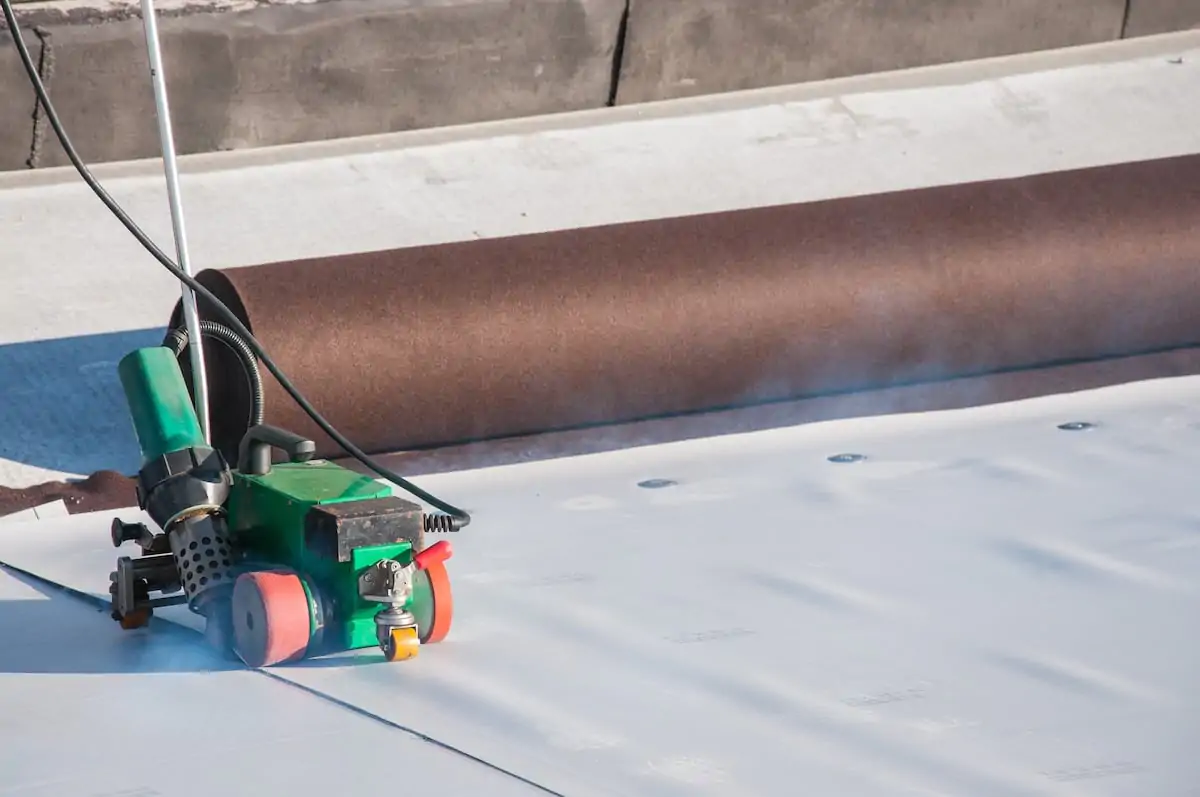
- TPO and PVC membranes are heat-welded for repairs; EPDM is typically patched with contact cement or tape products
- Multiple punctures in a small area may indicate traffic pattern problems that need to be addressed alongside the repairs
2. Seam and Lap Failures
Seams are the most vulnerable part of any membrane roofing system. They are where two sheets of roofing material are joined, and over time heat cycling, UV degradation, and climate conditions can cause seams to lift, separate, or lose adhesion. A failing seam allows water to travel laterally beneath the membrane, often surfacing far from the original failure point. Professional roofers identify the cause of leaks or damage using infrared and nuclear scanning to locate hidden moisture before beginning repairs.
- Seam failures are one of the leading causes of commercial roof leaks and are often invisible from casual observation
- In Morton and surrounding areas, temperature swings between seasons place particular stress on seam adhesives
- Seam repairs involve cleaning, re-adhering, or re-welding the affected joint and verifying adjacent seam integrity
3. Flashing Deterioration
Flashing seals the transitions between the roof membrane and vertical surfaces including parapet walls, HVAC curbs, skylights, and penetrations. It is subject to more movement and thermal stress than the field of the roof, making it one of the first areas to fail on flat roofs and low-slope commercial systems. Repairing a commercial roof at these transitions requires a structured approach to ensure structural integrity and compliance with local building codes.
- Base flashing and counter flashing at parapet walls are among the highest-risk areas on any commercial roof
- Coping caps and edge metal should be inspected for fastener failures and separation after every significant storm
- Flashing repairs range from simple sealant replacement to full tear-out and reinstallation depending on the extent of deterioration
4. Drainage Problems and Ponding Water
Commercial roofs are typically low-slope or flat roofs that depend on designed drainage to function correctly. Gutters and drains must be kept clear of debris, as accumulated leaves and trash block drainage systems and cause ponding water, defined as water remaining on the roof surface more than 48 hours after rainfall. Ponding water accelerates membrane degradation and dramatically shortens roofing system life.
- Interior drains should be inspected and cleaned at least twice per year and after every major storm
- Ponding water areas can sometimes be corrected by adding tapered insulation to improve slope
- Left unaddressed, ponding water voids many commercial roofing warranties and will eventually cause membrane failure
5. HVAC Equipment Damage and Curb Failures
HVAC units, exhaust fans, and other rooftop equipment create concentrated loads and vibration on the roof surface. The curbs that support this equipment are critical waterproofing elements, frequently compromised by poor installation, vibration fatigue, or lack of maintenance. The underlying roof deck should be inspected for rot, rust, or structural compromise whenever curb repairs are performed.
- Flashing at HVAC curbs should be inspected whenever rooftop equipment is serviced
- Vibration from equipment can loosen seams and fasteners in the surrounding membrane
- Curb repairs may include reflashing, reinforcing the curb structure, or installing vibration isolation materials
6. Blistering and Ridging
Blistering occurs when moisture or air becomes trapped beneath the membrane and creates raised bubbles in the roofing surface. Ridging refers to raised linear patterns that develop as underlying materials shift or expand. Both conditions indicate a compromised bond between layers of the roofing assembly and create stress points that eventually lead to surface cracking and water infiltration. Property owners in Morton and surrounding areas who notice raised or distorted areas on their roof surface should schedule a professional evaluation promptly.
- Blisters should not be walked on or manually deflated, as this can cause immediate membrane damage
- Small blisters can sometimes be cut, dried, and patched; large or widespread blistering often signals the need for a section replacement or roof restoration
- Ridging often traces to moisture in the insulation layer, which may require removal and replacement to resolve fully
Every one of these issues has a defined repair approach, and the cost and complexity escalates significantly the longer the problem develops. A professional assessment by experienced commercial roofing contractors is the most reliable way to determine the appropriate scope and most cost-effective solution.
What Commercial Roof Repairs Actually Cost
Cost is the first question most property owners ask, and it is also the most variable. Understanding what drives repair pricing helps property owners evaluate bids accurately and avoid contractors who plan to expand scope after the contract is signed.
- Roof size and roofing material: Larger roofs require more material and labor. The specific membrane in place also matters, as metal roofing, single-ply systems, and modified bitumen all require different equipment, expertise, and compatible repair materials. Roofing materials can significantly impact overall repair costs.
- Extent of damage: Surface puncture repairs on a small area may cost a few hundred dollars. Seam failures, widespread flashing deterioration, or damage that has reached the roof deck will fall in the thousands to tens of thousands depending on scope.
- Access and complexity: High parapets, multiple roof levels, equipment density, and distance from material staging all increase labor time and cost. Large commercial roof projects on properties with limited rooftop access require additional planning.
- Emergency versus scheduled work: Emergency roof repairs carry premium labor rates. Scheduled preventative maintenance and repairs done during dry conditions are consistently less expensive for the same scope of work.
Getting multiple written quotes from fully licensed and insured commercial roofing contractors is always worthwhile. A significant disparity between bids usually signals a difference in scope assumptions, and reviewing those differences with each contractor protects the property owner from unexpected change orders.
Repair, Restore, or Replace: Making the Right Call
One of the most consequential decisions in commercial roofing is whether a building’s current issues justify targeted repairs, a roof restoration to extend the existing roof’s life, or a full commercial roof replacement. Property owners in Morton and surrounding areas frequently face this decision after a significant weather event or when a roof begins generating recurring repair calls.
When Repair Makes Sense
Repair is typically the right call when the roofing system is less than two-thirds of the way through its expected service life, when damage is isolated, and when a documented inspection confirms the rest of the system is in serviceable condition. A well-executed repair on a roof in this condition can extend service life at a fraction of replacement cost.
When Roof Restoration Is an Option
Roof restoration through silicone coating systems or flat roof restoration systems can extend roof life by up to 15 years and minimize disruption to operations. This works best on roofs with a sound substrate experiencing surface-level degradation rather than systemic failure, and is typically less expensive than a full new commercial roof.
When Replacement Is the Better Investment
Replacement becomes the stronger financial argument when repair costs approach 25 to 30 percent of replacement cost, when the roof is within five years of end of life, or when insulation has sustained widespread moisture damage. Most commercial roof replacements take one to three weeks depending on building size and roofing system. A fully licensed and insured commercial roofing company following National Roofing Contractors Association guidelines will manage the project to minimize disruption to business operations throughout.
The right answer depends on a thorough professional evaluation. An experienced commercial roofing contractor who provides a detailed written assessment with cost projections for all three paths gives property owners the information they need to make a sound, cost-effective decision.
Keep Your Commercial Roof Working with ROOF TIGER
A commercial roof is a long-term asset that requires professional attention to protect operations and perform as designed. Whether you are managing a persistent leak, dealing with storm damage, or evaluating an existing roof before a major decision, timely repair is always the right starting point. ROOF TIGER brings the technical expertise, documentation standards, and commercial roofing knowledge to diagnose problems accurately and deliver roofing solutions that last. When your commercial roof needs attention, contact us today and let our experienced team assess what it needs.

Ferocious Roofing

They are extremely professional and responsive, made some great suggestions along the way, and handled every little issue that came up without complaint.
Vince B

