


TPO Roofing (Durable & Energy-Efficient Roof Option)
Choosing the right roofing system is one of the most important decisions a property owner can make, especially when long-term performance and energy savings are top priorities. TPO roofing has quickly become a leading option for flat and low-slope roofs due to its durability and efficiency. Many property owners exploring modern roofing systems often compare options through resources like commercial roofing solutions, where performance and cost-effectiveness are key considerations.
In this guide, you will learn:
- What TPO roofing is and why it is gaining popularity
- The key benefits that make it a smart investment
- How TPO systems are installed and maintained
- Common applications and ideal use cases
- How to decide if TPO roofing is right for your property
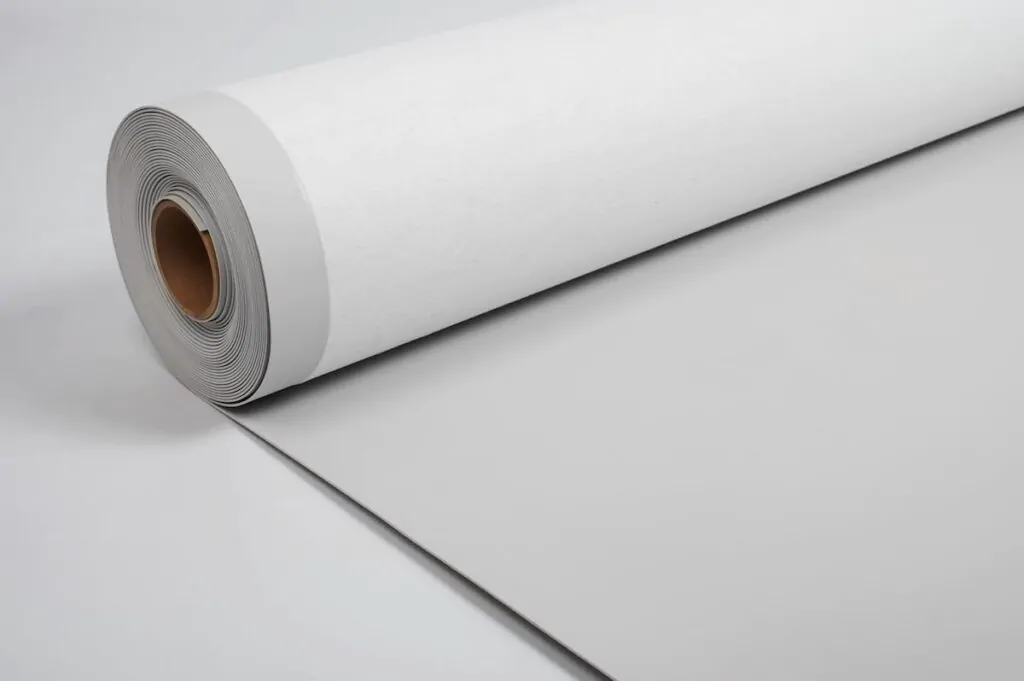
Why TPO Roofing Is a Smart Investment for Property Owners
TPO roofing stands out because it combines durability, affordability, and energy efficiency in a single system. For property owners in Bloomington and surrounding areas, where weather conditions can vary throughout the year, having a roofing system that performs consistently is essential.
Unlike traditional materials, TPO membranes are engineered to resist UV damage, chemical exposure, and punctures. This makes them particularly well-suited for commercial buildings and residential flat roofs.
Here are some of the biggest advantages:
- Energy Efficiency: TPO reflects sunlight, helping reduce cooling costs during warmer months and improving overall energy performance.
- Durability: The material resists tears, punctures, and impact damage, making it ideal for high-traffic or exposed roof surfaces.
- Cost-Effective Installation: Compared to other flat roofing systems, TPO offers a strong balance between upfront cost and long-term value.
- Low Maintenance Requirements: With proper installation, TPO systems require minimal upkeep and are easy to repair if issues arise.
- Environmental Benefits: Many TPO systems are recyclable and contribute to improved building sustainability.
For property owners looking to maximize performance without overspending, TPO roofing provides a reliable and forward-thinking solution.
5 Essential Parts of a TPO Roofing System
Understanding how TPO roofing functions helps property owners make informed decisions about installation and maintenance. While it may look simple from the outside, a TPO system is carefully designed to create a watertight, energy-efficient barrier.
1. Membrane Composition and Structure
TPO stands for thermoplastic polyolefin, a single-ply roofing membrane made from a blend of rubber and plastic materials. This combination gives it flexibility while maintaining strength.
Key features include:
- Heat-weldable seams for strong bonding
- UV-resistant surface to reduce degradation
- Flexible material that adapts to temperature changes
This structure allows the roof to expand and contract without cracking, which is critical in climates with seasonal variation.
2. Installation Methods
TPO roofing can be installed in several ways depending on the building’s needs and budget.
Common installation options:
- Mechanically attached systems secured with fasteners
- Fully adhered systems bonded with adhesive
- Ballasted systems that use weight to hold the membrane in place
Each method offers different advantages in terms of cost, wind resistance, and performance.
3. Heat-Welded Seams
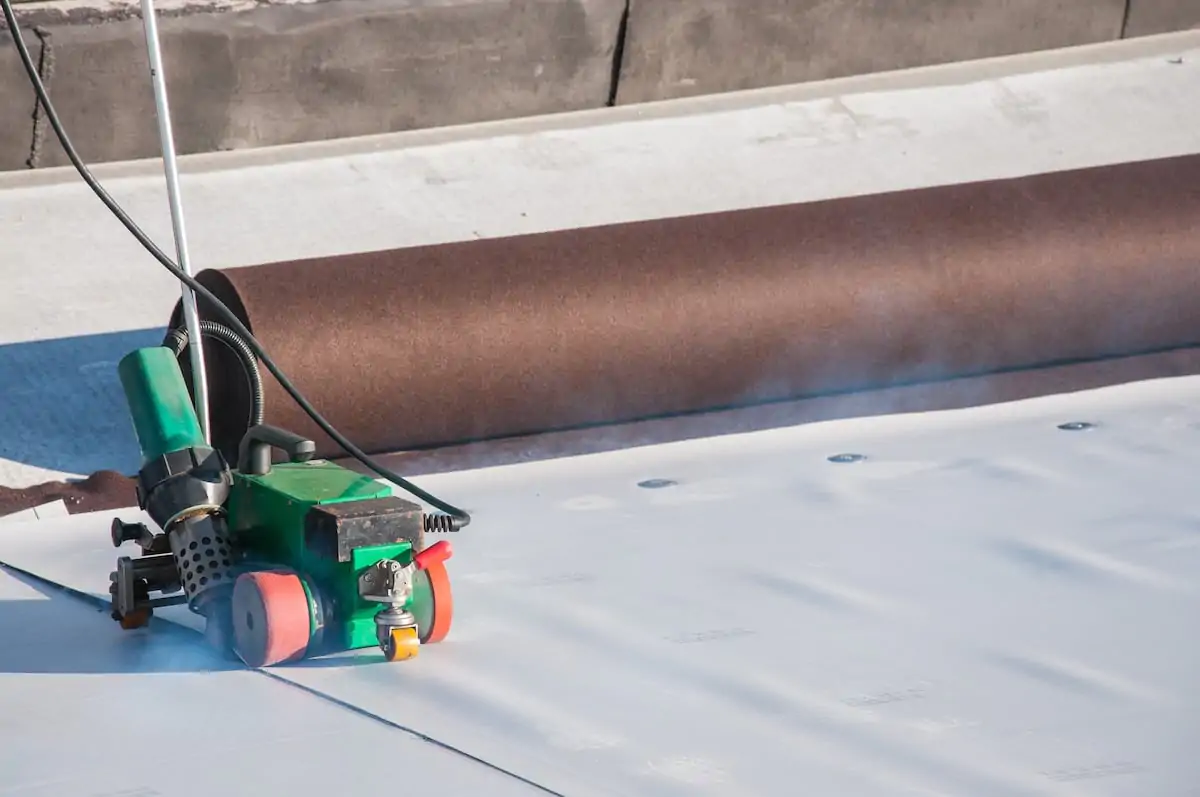
One of the most important features of TPO roofing is its heat-welded seams. These seams are fused together using specialized equipment, creating a bond that is often stronger than the membrane itself.
Benefits of heat-welded seams:
- Reduced risk of leaks
- Increased durability over time
- Better resistance to water infiltration
This is a major advantage over roofing systems that rely on adhesives or tapes.
4. Insulation and Underlayment
A complete TPO roofing system includes insulation layers that improve thermal performance and structural support.
These layers help:
- Maintain consistent indoor temperatures
- Reduce energy consumption
- Provide a stable base for the membrane
Proper insulation is essential for maximizing the energy efficiency benefits of TPO roofing.
5. Drainage and Water Management
Flat and low-slope roofs require effective drainage systems to prevent standing water. TPO roofing is designed to work with internal drains, scuppers, or tapered insulation systems.
Key considerations:
- Proper slope design
- Regular inspection of drainage points
- Ensuring no debris blocks water flow
When installed correctly, TPO roofing handles water efficiently and minimizes the risk of pooling.
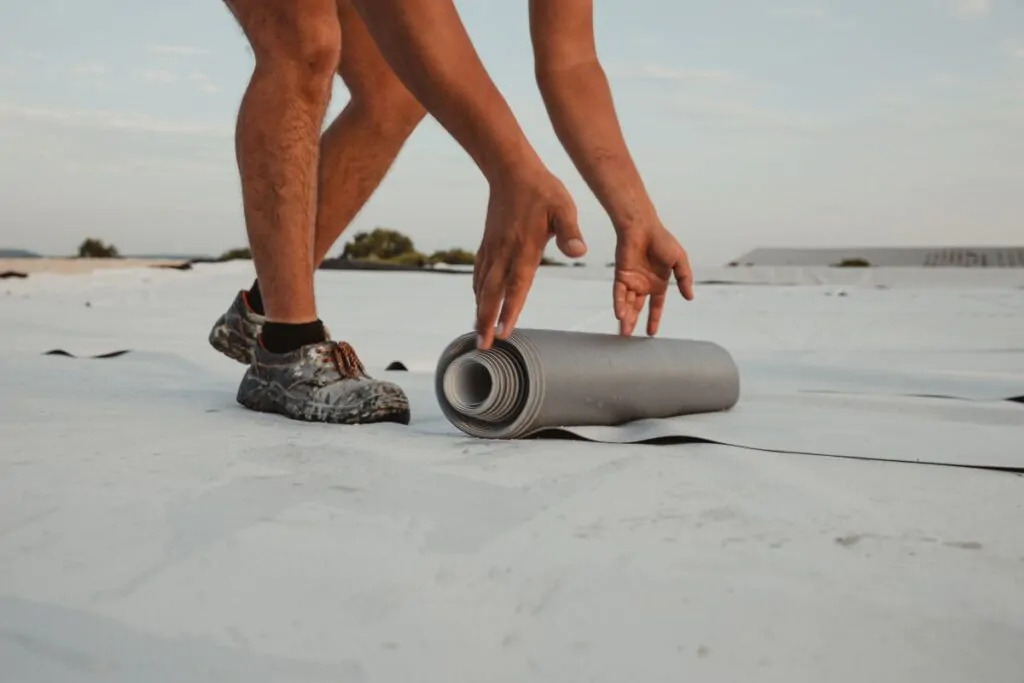
Where TPO Roofing Performs Best
TPO roofing is not a one-size-fits-all solution, but it excels in specific applications. Understanding where it performs best can help property owners determine if it is the right fit.
In Bloomington and surrounding areas, many commercial properties rely on TPO roofing due to its versatility and performance in varying weather conditions.
Ideal Applications
- Commercial Buildings: Warehouses, offices, and retail spaces benefit from TPO’s durability and energy efficiency
- Flat or Low-Slope Roofs: TPO is specifically designed for these roof types
- Large Roof Surfaces: Its cost efficiency makes it ideal for expansive areas
- Energy-Conscious Properties: Buildings aiming to reduce energy costs see significant benefits
Weather Performance
TPO roofing is engineered to handle a wide range of environmental conditions.
- Reflects heat during hot summers
- Resists cracking during colder temperatures
- Handles rain and moisture effectively with proper drainage
This adaptability makes it a strong option for property owners seeking consistent performance year-round.
Longevity Expectations
With proper installation and maintenance, TPO roofing systems can last 20 to 30 years or more.
Factors that influence lifespan:
- Quality of installation
- Level of maintenance
- Environmental exposure
Routine inspections can help extend the life of the roof and prevent costly repairs.
Comparing TPO Roofing to Other Flat Roofing Options
Choosing the right roofing system often comes down to how materials compare in performance, cost, and efficiency. TPO roofing is commonly evaluated alongside EPDM and PVC, and the key differences can be simplified for easier decision-making.
| Feature | TPO Roofing | EPDM Roofing | PVC Roofing |
| Energy Efficiency | High (reflective) | Moderate | High (reflective) |
| Seams | Heat-welded | Adhesive | Heat-welded |
| Cost | Moderate | Lower | Higher |
| Durability | High | High | Very High |
| Maintenance | Low | Moderate | Low |
This comparison highlights why TPO roofing is a popular choice for property owners in Bloomington and surrounding areas looking for a balance of performance, efficiency, and value.
Maintenance Tips to Maximize TPO Roof Performance
Even though TPO roofing is low maintenance, regular care is still important to protect your investment. A well-maintained roof can significantly extend its lifespan and prevent unexpected issues.
Routine maintenance does not need to be complicated, but it should be consistent.
Regular Inspections
Schedule inspections at least twice a year and after major storms.
Focus on:
- Seams and flashing
- Drainage areas
- Signs of punctures or wear
Early detection can prevent minor issues from becoming costly repairs.
Keep the Roof Clean
Debris buildup can affect drainage and lead to standing water.
Best practices:
- Remove leaves and debris regularly
- Clear drains and gutters
- Avoid using harsh chemicals that could damage the membrane
A clean roof performs better and lasts longer.
Address Repairs Promptly
If damage occurs, it is important to address it quickly. TPO roofing is relatively easy to repair, but delaying repairs can lead to larger problems.
Common repair needs:
- Small punctures
- Seam issues
- Flashing adjustments
Professional repairs ensure the integrity of the system is maintained.
Limit Roof Traffic
While TPO is durable, excessive foot traffic can increase wear over time.
Recommendations:
- Use designated walk paths if needed
- Limit unnecessary access
- Work with professionals for inspections and maintenance
Protecting the surface helps maintain long-term performance.
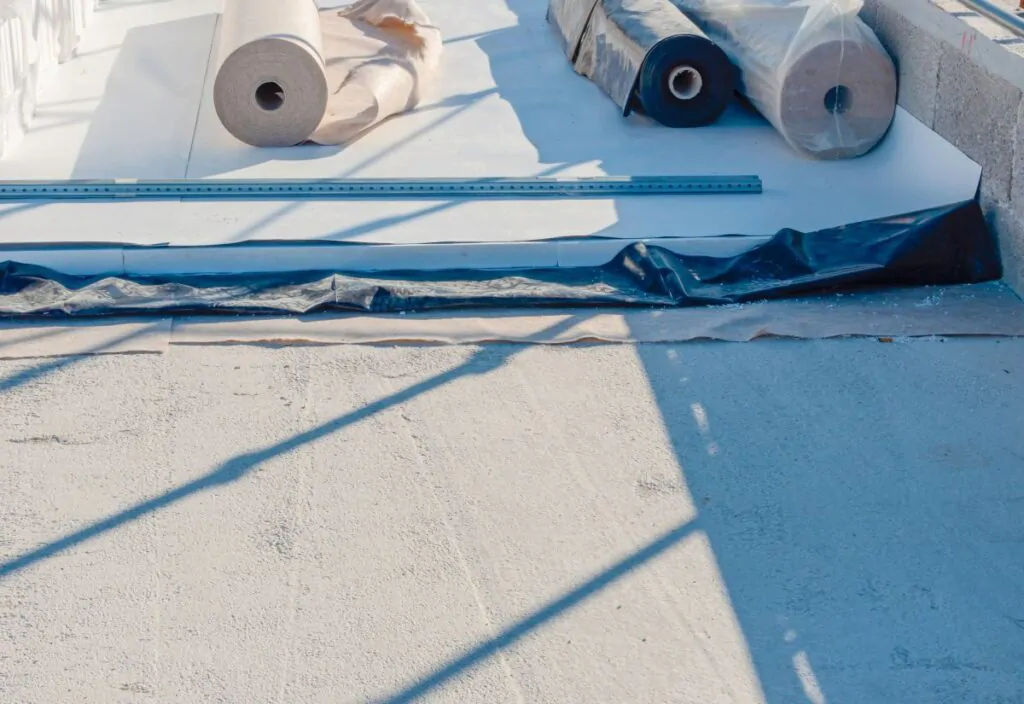
Get Long-Lasting Performance With TPO Roofing
TPO roofing offers a powerful combination of durability, energy efficiency, and cost savings, making it one of the most practical solutions for modern properties. Whether you are upgrading an existing roof or planning a new installation, choosing the right system and ensuring proper installation are critical to long-term success.
For property owners in Bloomington and surrounding areas, working with experienced professionals ensures your roofing system performs as expected for years to come. If you are considering TPO roofing or want to explore your options, ROOF TIGER is here to help. Reach out to our team and schedule a consultation and take the next step toward a stronger, more efficient roof.

Ferocious Roofing

They are extremely professional and responsive, made some great suggestions along the way, and handled every little issue that came up without complaint.
Vince B

