


Metal Roofing Panels: Types, Prices & How to Choose
Not all roofing materials are created equal, and for homeowners who want longevity, minimal maintenance, and superior weather resistance, few options compete with metal roofing panels. Whether you are building new or replacing an aging asphalt roof, metal is worth serious consideration, but the category is broader than most people expect. Steel roof panels, aluminum systems, copper, and zinc all perform differently depending on your home, your budget, and your climate. If you want to understand the full picture of what a quality roof replacement can look like, explore what goes into a lasting residential roofing solution before making any decisions.
What you’ll learn in this post:
- Why metal roofing panels are gaining popularity among homeowners
- The most common panel types and how they differ
- What metal roofing costs and what drives price variation
- How to choose the right panel for your home and climate
- Key questions to ask before committing to a contractor
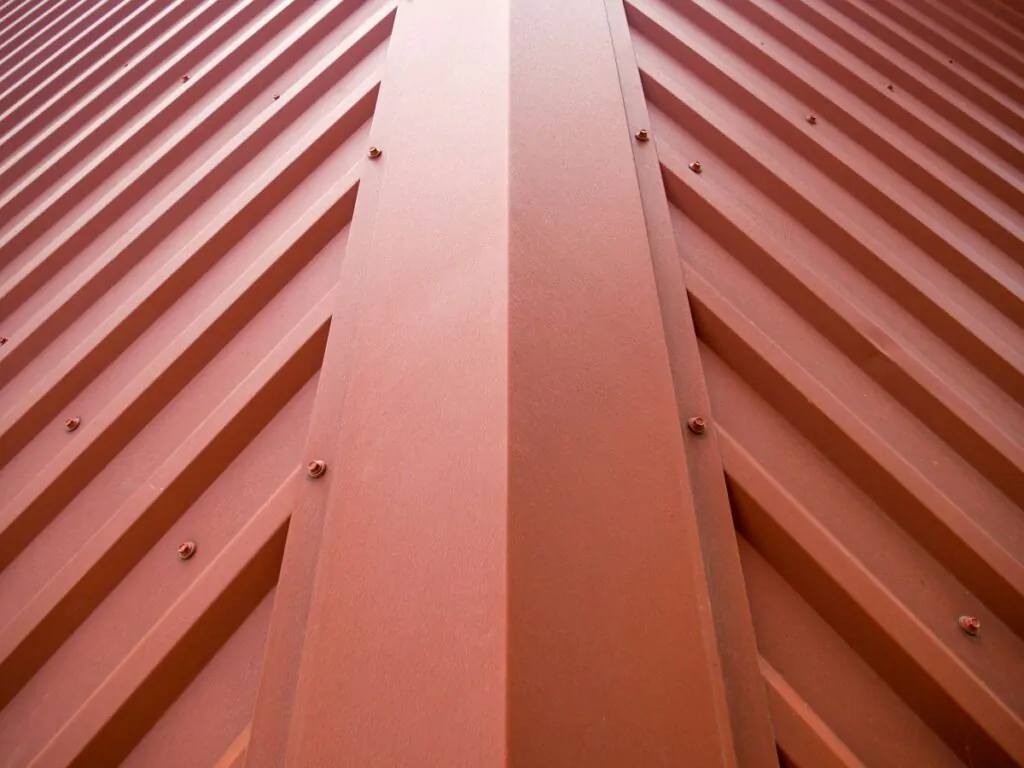
Why Metal Roofing Belongs in the Conversation
For decades, metal roofing was associated primarily with commercial buildings and agricultural structures. That perception has shifted dramatically as homeowners in Dunlap and surrounding areas have discovered just how well metal performs in residential applications. The upfront cost is higher than asphalt shingles, but the long-term math often tells a very different story.
- Lifespan: Metal roofs routinely last 40 to 70 years depending on the material and installation quality. Asphalt shingles typically need replacement within 20 to 30 years, meaning a metal roof could outlast two or three shingle roofs over the life of a home.
- Energy efficiency: Metal reflects solar radiation rather than absorbing it, and cool roof coatings on metal panels can lower home cooling costs by 10 to 25 percent during warm months. Many products also qualify for energy efficiency tax credits.
- Superior weather resistance: Steel roofing carries a UL Class A fire rating and can endure winds up to 200 mph, making it one of the strongest choices available for homes facing extreme weather. Hail, heavy snow loads, and severe storms are no match for a properly installed metal roof.
- Low maintenance: Unlike wood shakes or asphalt, metal does not crack, warp, rot, or provide habitat for moss and algae. Routine inspections and occasional cleaning are generally all that is needed to maintain a metal roof for decades.
The value proposition for metal improves further when you factor in that installing a metal roof may qualify homeowners for reduced insurance premiums. Metal roofing panels are also highly sustainable, often made from recycled content and fully recyclable at end of life. Homeowners who plan to stay long-term, or who want to maximize resale value, are increasingly choosing metal as the smart, durable play.
5 Types of Metal Roofing Panels to Know
Metal roofing is not a single product. It is a category that includes several distinct panel types, each with its own profile, installation method, performance characteristics, and price point. Understanding the differences is the first step toward choosing the right system for your home.
1. Standing Seam Metal Roofing
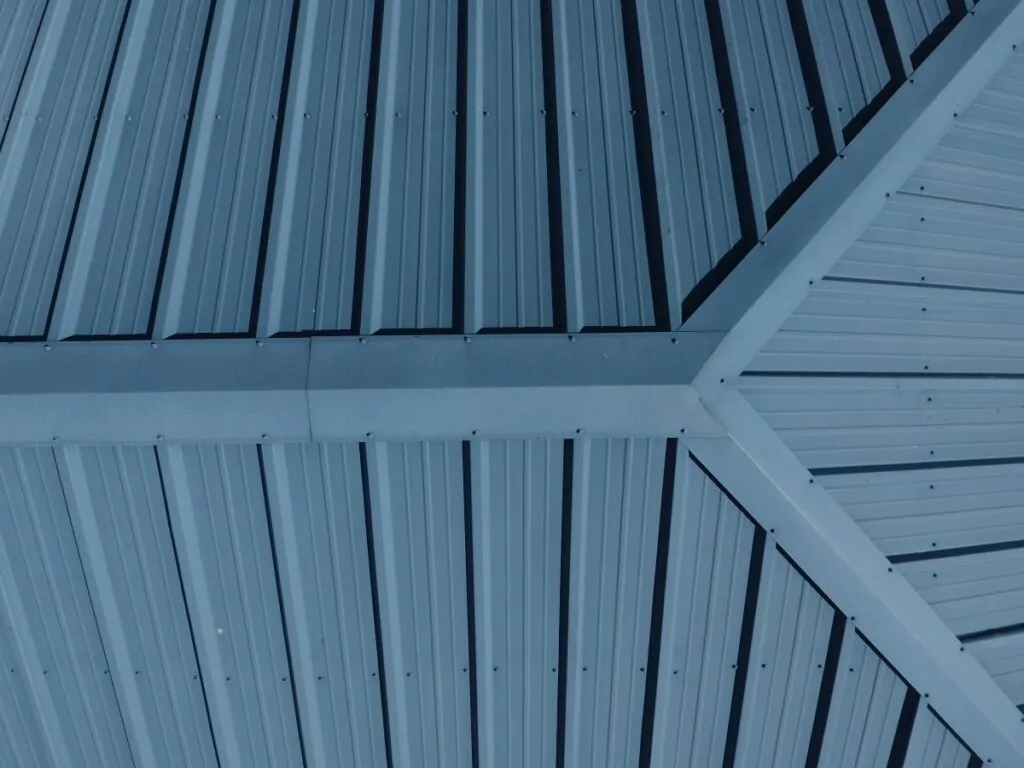
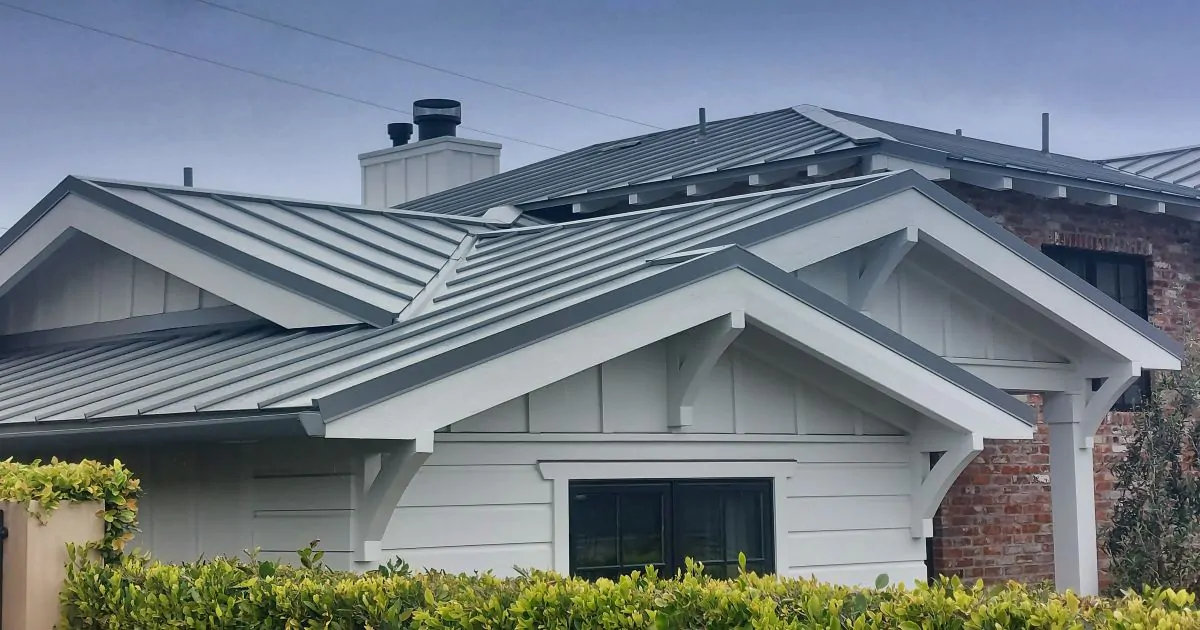
Standing seam is widely regarded as the gold standard in residential metal roofing. Panels run vertically from ridge to eave, with raised seams that interlock and conceal all fasteners from view. Because no visible fasteners are used, standing seam virtually eliminates the leak points that cause problems with other systems over time.
- Ideal for low-slope and steep-slope roofs
- Hidden fastener design allows panels to expand and contract with temperature changes
- Available in steel and aluminum; also in copper and zinc
- Higher installed cost, typically $10 to $17 per square foot or more
2. Exposed Fastener Metal Panels (R-Panel and Corrugated)
Exposed fastener systems use roofing screws with rubber washers that pass through the panel face and into the roof deck. R-panels feature an angular rib design used widely on residential and commercial projects including warehouses and agricultural buildings, while corrugated panels feature a distinct wavy pattern that adds strength and stiffness with a rustic appearance. Most steel panels in this category are galvanized or Galvalume-coated to prevent corrosion, and both are industry standards for long-term durability. The roofing screws require periodic inspection, as washers can degrade over time and may need replacement to maintain a weathertight seal.
- Corrugated metal offers a rustic aesthetic and is ideal for sheds, barns, and budget-conscious residential projects
- R-panel has a more angular, industrial profile suited to low-slope commercial and residential applications
- Both profiles are available in a variety of designer colors including black, gray, and other modern finishes
- Installed cost typically ranges from $4 to $9 per square foot
3. Metal Shingles and Shakes
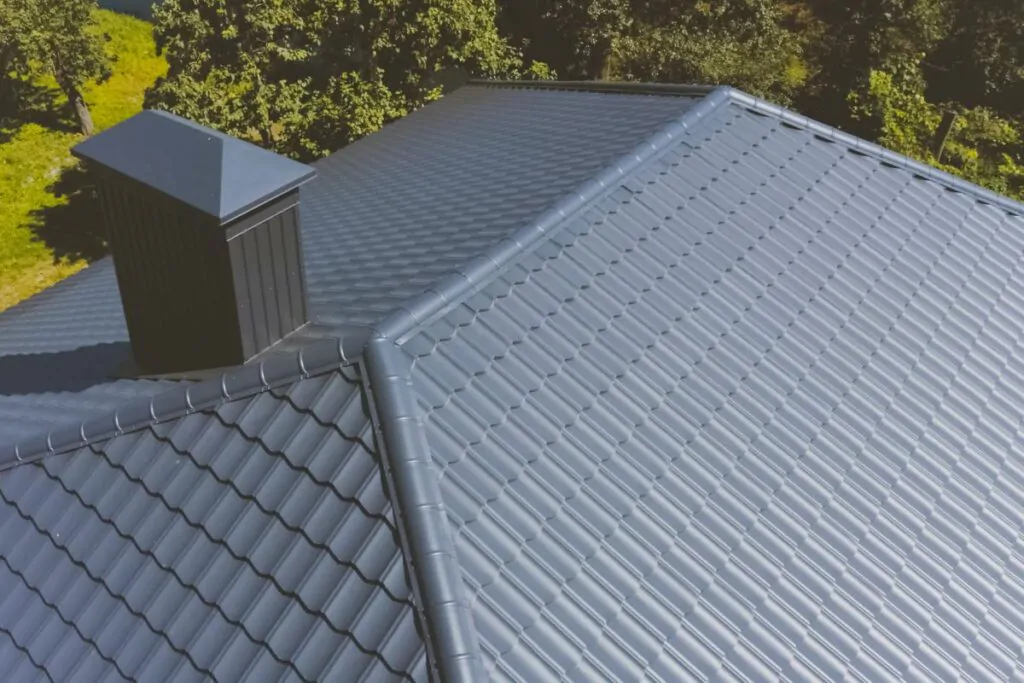
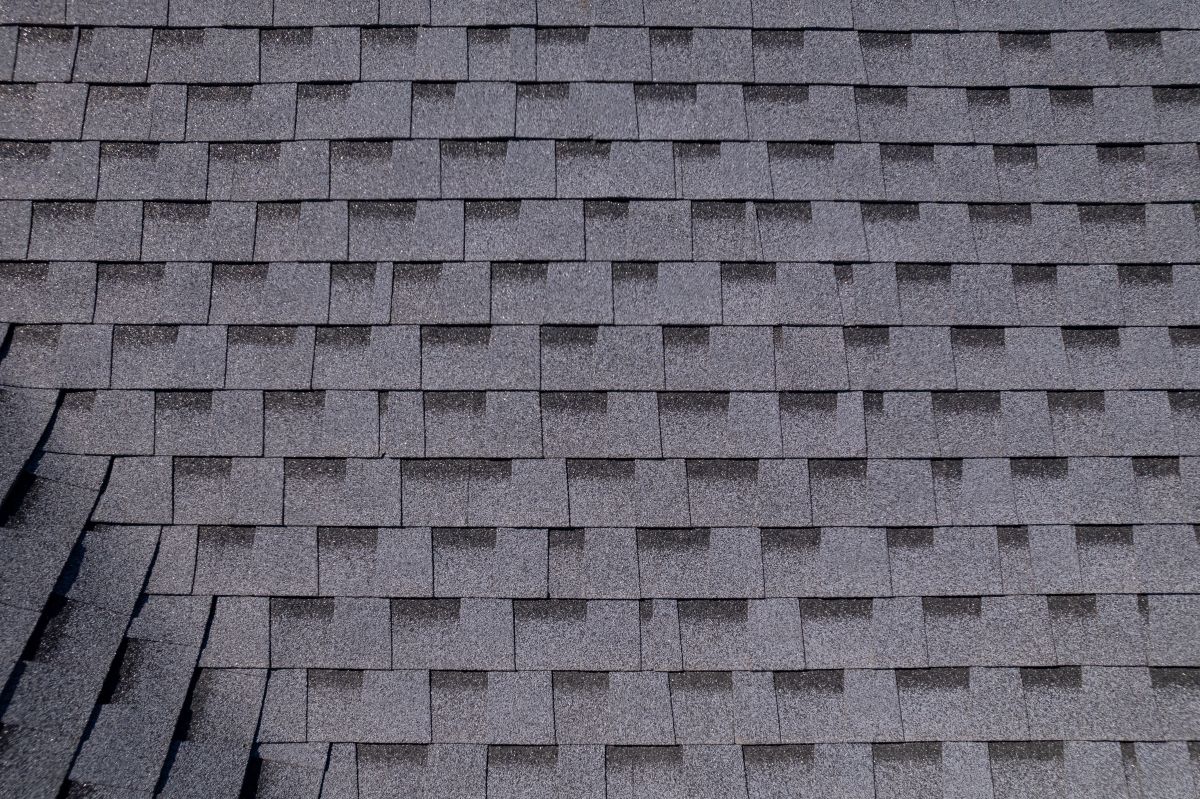
Metal shingles are stamped or formed to replicate the appearance of traditional asphalt shingles, wood shakes, or slate, offering durability with aesthetic familiarity. Metal roofing panels in this category are frequently installed directly over existing roofing, saving labor costs and landfill waste. This panel type is also a strong option for neighborhoods with architectural guidelines or HOA restrictions that limit roofing choices.
- Available in steel and aluminum with a wide range of color options to match virtually any home exterior
- Can often be installed over a solid substrate without full tear-off, reducing project time and cost
- Provides a more traditional look than standing seam or exposed fastener profiles
- Installed cost typically falls between $7 and $14 per square foot
4. Stone-Coated Steel
Stone-coated steel panels feature a steel core coated with an acrylic adhesive layer and embedded stone granules, similar to those used on asphalt shingles. The result is a product that looks like tile, slate, or wood shake while offering the fire resistance, wind performance, and longevity of steel. It is one of the more visually versatile options available and is growing in popularity in residential markets.
- Highly resistant to impact, wind, and fire
- Stone coating adds texture and significantly reduces noise from rain
- Well-suited for homes where curb appeal is a priority
- Installed cost ranges from $9 to $16 per square foot depending on profile
5. Copper and Zinc Panels
Copper and zinc are premium metals used in architectural roofing applications where longevity and aesthetics take priority over budget. Copper develops a distinctive patina over time and can last well over 100 years. Zinc is similarly long-lived and self-healing, repairing minor surface scratches through natural oxidation. Aluminum is also worth noting here. It is lightweight, rust-proof, and optimal for coastal environments or humid areas where corrosion resistance is a primary concern.
- Copper and zinc are significantly more expensive than steel or aluminum
- Aluminum is an excellent choice for humid regions where long-term corrosion resistance matters most
- Copper is sometimes used for dormers, bay windows, and accent sections rather than full roof coverage
- All three materials require specialized installation knowledge; not all contractors are equipped to work with them
Understanding these five panel categories puts you in a much stronger position when speaking with contractors. The right choice depends on your roof geometry, local climate, aesthetic goals, and how long you plan to stay in the home.
What Drives Metal Roofing Costs
Pricing for metal roofing varies considerably, and understanding what drives those differences helps homeowners evaluate quotes more accurately. Two bids for a metal roof can look very different on paper while representing very different products and levels of craftsmanship.
- Material type and gauge: Steel and aluminum are the most budget-friendly metals. Thicker gauge steel, such as 28-gauge with a G-100 coating versus standard 29-gauge, offers improved weather resistance but costs more per square foot. Copper and zinc command a significant premium.
- Panel profile: Standing seam costs more to fabricate and install than exposed fastener panels. Some systems are available in custom lengths to reduce on-site waste, though this may carry added fabrication costs.
- Roof complexity: A simple gable roof is far less labor-intensive than one with multiple valleys, dormers, skylights, or steep pitches. Complexity adds time and material waste, raising overall project cost.
- Coatings and finishes: Kynar 500 and similar fluoropolymer coatings provide superior color retention across designer colors from sleek black and gray to custom tones, resisting chalk and fade better than standard polyester finishes. Premium coatings extend the roof’s aesthetic life significantly.
- Labor and local market: Installation costs vary by region. Homeowners in Dunlap and surrounding areas should get multiple quotes to understand what projects are running in their market. A very low bid often signals corners being cut on materials or installation.
Getting the right product at the right price requires understanding what you are actually buying. Always ask for a written scope that specifies the panel manufacturer, gauge, coating type, and warranty terms before signing anything.
How to Choose the Right Metal Panel for Your Home
Choosing a panel type is not just a design decision. Several practical factors should drive the conversation, and the best panel for your neighbor’s home may not be the best panel for yours. Homeowners across Dunlap and surrounding areas have different roof pitches, neighborhood aesthetics, and budget constraints that all play a role.
Match the Panel to Your Roof Pitch
Some metal panels are better suited to certain pitches than others, and this is one of the most common points of confusion homeowners in Dunlap and surrounding areas run into when getting quotes. Standing seam and corrugated profiles both handle low slopes well. Metal shingles and stone-coated steel are better suited to moderate to steep slopes where their dimensional appearance can be appreciated from the ground.
Consider the Climate
Extreme temperature swings, as are common in Illinois, make panel expansion and contraction characteristics important. Hidden fastener systems like standing seam handle thermal movement better than exposed fastener systems where the visible fasteners pass directly through the panels. It is also worth knowing that snap-on panel profiles typically require a minimum 3:12 roof pitch for proper installation, so your roof geometry matters when narrowing down options. In high-snow regions, metal’s smooth surface naturally sheds snow loads quickly, which reduces structural stress and ice dam formation.
Think About Your Long-Term Plans
If you plan to stay in your home for 20 or more years, investing in a premium standing seam or stone-coated steel system often makes financial sense spread across the roof’s lifespan. If you are preparing for a near-term sale, metal shingles or a quality exposed fastener system may offer a better return. Either way, a qualified contractor’s assessment of your specific roof is the smartest first move.
Get Expert Guidance from ROOF TIGER
Metal roofing is one of the most durable and cost-effective investments a homeowner can make in their property, but only when the right product is selected and installed by a contractor who knows the material. The wrong panel type, gauge, or installation method can undercut every advantage metal offers. ROOF TIGER works with homeowners across the region to assess their roof, explain their options honestly, and deliver installations built to last. If you are ready to find out which metal roofing panel is right for your home, contact us today and let us walk you through the process from start to finish.

Ferocious Roofing

They are extremely professional and responsive, made some great suggestions along the way, and handled every little issue that came up without complaint.
Vince B

