


What Is a Mansard Roof? Style, Benefits & Modern Uses
Your roof does more than keep the rain out. It shapes the entire personality of your home, affects energy efficiency, and can even unlock usable living space you never knew you had. If you have been exploring roofing styles in Morton and surrounding areas, you may have come across the distinctive silhouette of a mansard roof and wondered whether it could work for your property. Understanding this architectural style, its advantages, and its real-world applications will help you make a more informed decision when the time comes to build, renovate, or replace. For homeowners looking to understand all their options, exploring the range of styles and systems available for residential properties is always a worthwhile starting point.
What you’ll learn:
- What defines a mansard roof and where it comes from
- The key benefits that make it a practical choice for modern homeowners
- The four distinct features that make up its structure
- How it compares to other popular roofing styles
- What to consider before choosing a mansard roof for your home
Why the Mansard Roof Still Matters Today
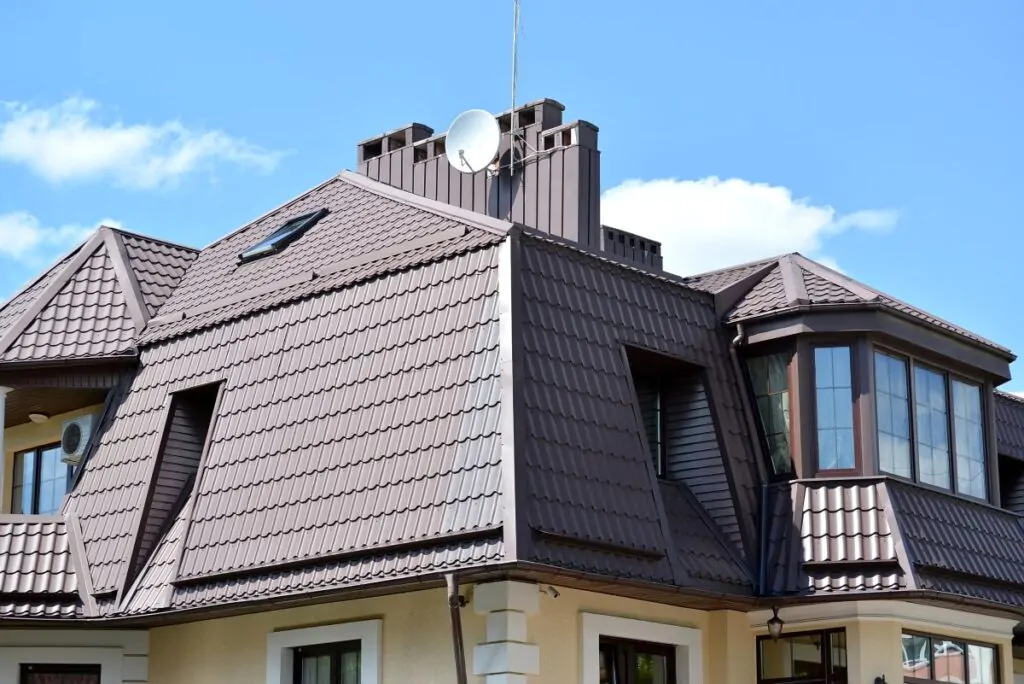
Few roofing styles have stood the test of time the way the mansard has. Originally popularized in 17th-century France, this double-sloped design became a hallmark of Second Empire architecture and has since found its way into neighborhoods across North America, including right here in Morton and surrounding areas. Understanding why it remains relevant helps homeowners see beyond aesthetics alone and recognize the practical value this style delivers.
- Bonus living space: The steep lower slope creates a near-vertical wall, which means the attic beneath a mansard roof functions more like a full story than a cramped storage area. This usable space is one of the most compelling reasons homeowners choose this style.
- Architectural elegance: The distinctive profile adds visual depth and character to a home that flat or gable roofs simply cannot replicate, increasing curb appeal and perceived market value.
- Future flexibility: Because the upper flat portion is less visible from street level, it is easier to add skylights, dormers, or HVAC equipment without disrupting the home’s visual lines.
- Design versatility: Mansard roofs work well on everything from historic French-inspired homes to contemporary urban townhouses, making them a surprisingly adaptable choice across architectural styles.
The mansard roof style rewards homeowners who think long-term. Whether you are building new construction or considering a major renovation, this roof type offers a combination of beauty and practicality that few other styles can match. That combination is exactly why it continues to show up in new builds and restoration projects decades after its original peak in popularity.
4 Defining Features of a Mansard Roof
A mansard roof is not just one thing. It is a carefully engineered combination of elements that work together to create its iconic look and functional advantages. Each component plays a specific role in the roof’s performance and appearance, and getting familiar with these features helps you communicate clearly with contractors and evaluate proposals with confidence.
1. The Lower Steep Slope
This is the defining characteristic most people notice first. The lower portion of a mansard roof drops at a very steep angle, typically between 70 and 80 degrees. This near-vertical pitch is what creates usable interior space directly beneath the roof line. The steeper the lower slope, the more headroom is available in the space below. Dormer windows are commonly added to this section to bring in natural light and improve ventilation throughout the upper level.
- Common pitch: 70 to 80 degrees
- Creates habitable attic or bonus room space directly below
- Often features dormer windows for light and airflow
2. The Upper Low-Pitched Deck
Sitting above the steep lower section is a nearly flat upper deck. From the street, this portion is mostly hidden, which is part of what gives the mansard its clean, elegant profile when viewed from below. The low pitch of this upper section requires careful waterproofing and drainage planning, since water does not run off as quickly as it does on a steeper surface. Proper material selection here is critical to preventing leaks and ensuring long-term performance.
- Pitch typically ranges from 0 to 30 degrees
- Nearly invisible from street level, preserving the clean aesthetic
- Requires quality waterproofing materials and well-planned drainage systems
3. The Four-Sided Configuration
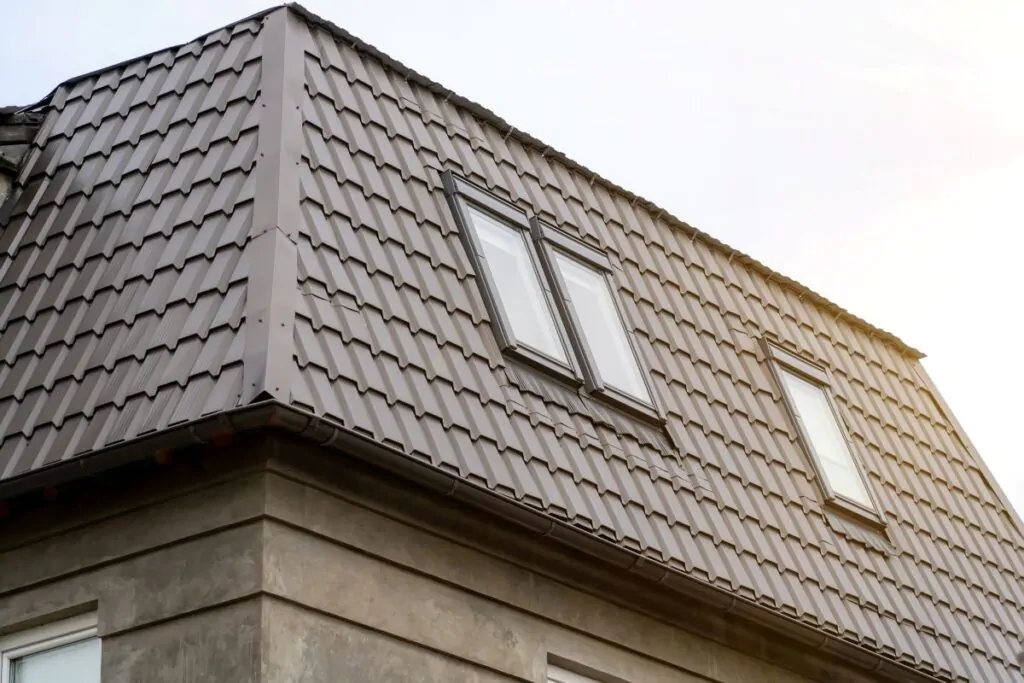
Unlike a gable roof, which slopes on only two sides of the building, a true mansard roof slopes on all four sides. This wraparound configuration is part of what maximizes the interior space underneath and gives the style its full, finished appearance from every angle of approach. The four-sided layout also distributes structural load more evenly across the exterior walls, which can be a meaningful advantage in certain building scenarios.
- Slopes on all four sides of the structure
- Maximizes usable interior square footage beneath the roofline
- Distributes load evenly across all exterior walls
4. Dormer Window Integration
Dormers are nearly inseparable from the mansard aesthetic and serve both a functional and decorative purpose. These small window structures project outward from the steep lower slope, flooding the interior space with natural light and improving cross-ventilation. Dormers can be flat-topped, arched, or segmental depending on the architectural character of the home, and they add a charming, classic detail to the facade that elevates curb appeal significantly.
- Provides natural light and ventilation to the space beneath the roof
- Available in multiple styles to match the home’s overall architecture
- Adds considerable visual character to the exterior from the street
Each of these four elements works together as a system, and that is exactly why hiring an experienced roofing contractor matters. Cutting corners on any one of these components can compromise the entire roof’s performance and long-term durability.
Material Options for Mansard Roofs
Choosing the right roofing material for a mansard design is a more nuanced decision than it is for simpler roof types. The two separate slope angles perform differently under weather loads, meaning the materials selected for each section may not always be the same. Homeowners in Morton and surrounding areas experience a full range of weather conditions throughout the year, which makes material selection an especially important conversation to have with your contractor before any project begins.
Asphalt Shingles
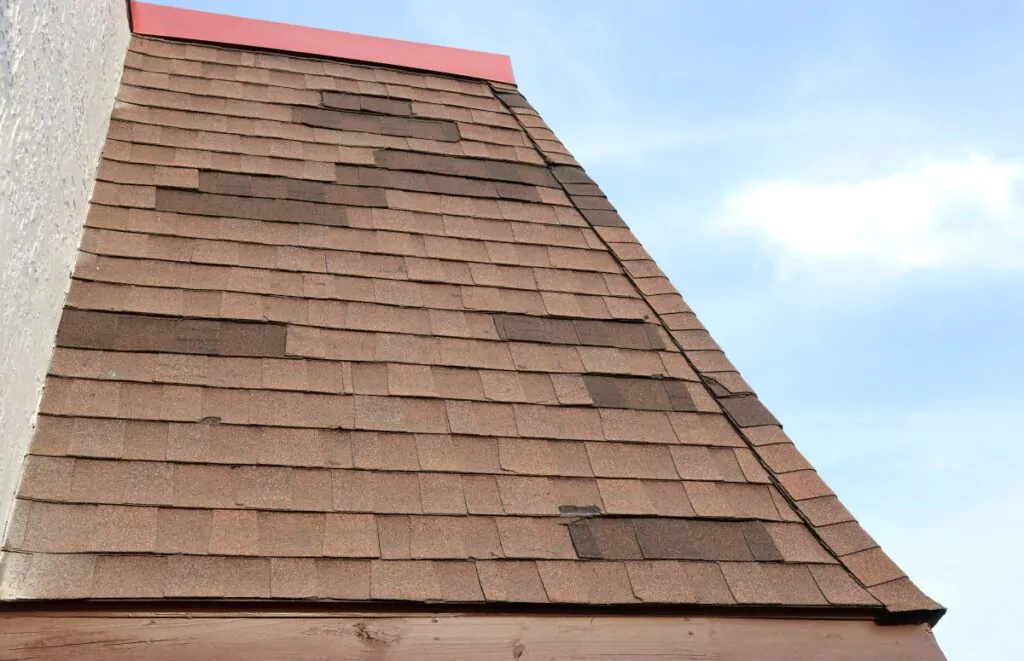
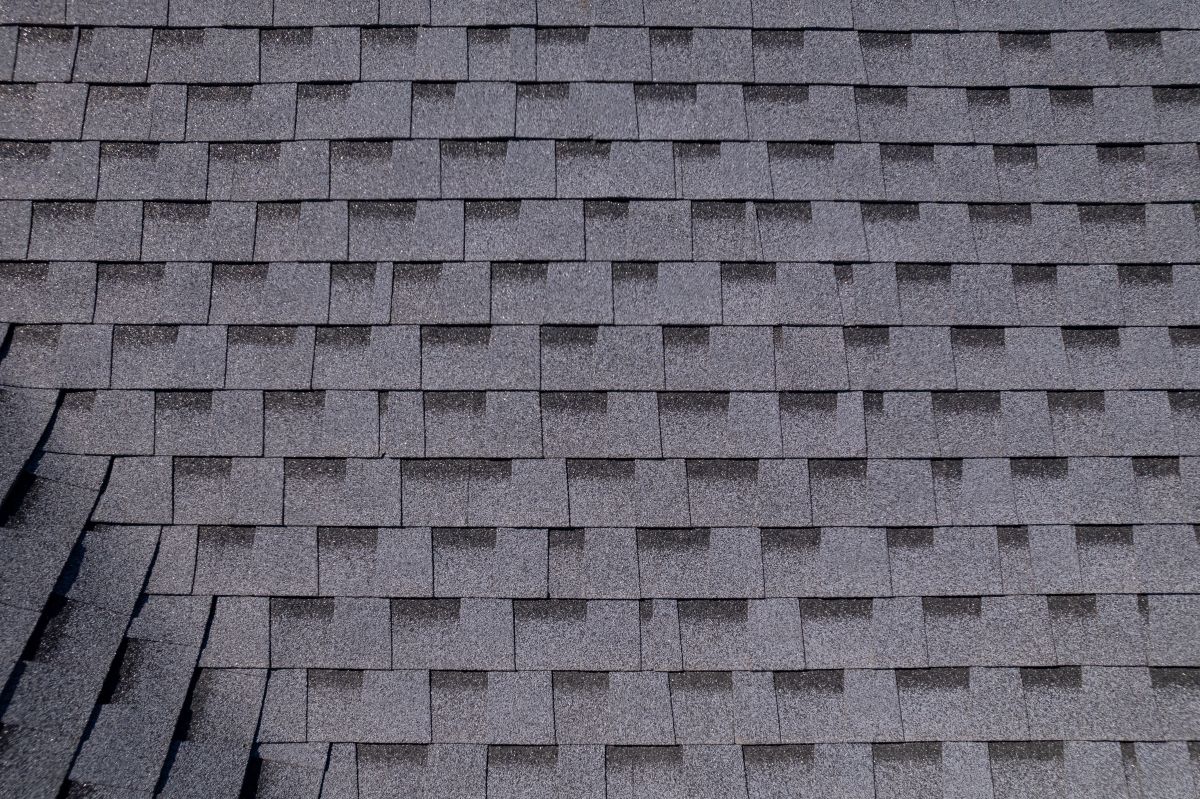
Asphalt shingles remain the most popular choice for the steep lower slope because they perform well at high pitches, are widely available, and come in dozens of colors and profiles. They are cost-effective and relatively easy to repair or replace when individual sections are damaged. On the nearly flat upper section, however, standard asphalt shingles are not the right fit because they rely on gravity to shed water and do not seal adequately on shallow-pitch surfaces.
Slate and Synthetic Slate
Slate tiles bring a classic European look that pairs beautifully with the French origins of the mansard style. Natural slate is one of the most durable roofing materials available, with a lifespan that can exceed a century under ideal conditions. Synthetic slate replicates the traditional appearance at a lower weight and cost, making it a practical alternative for homes where structural load or budget constraints are a factor.
Metal Roofing Panels
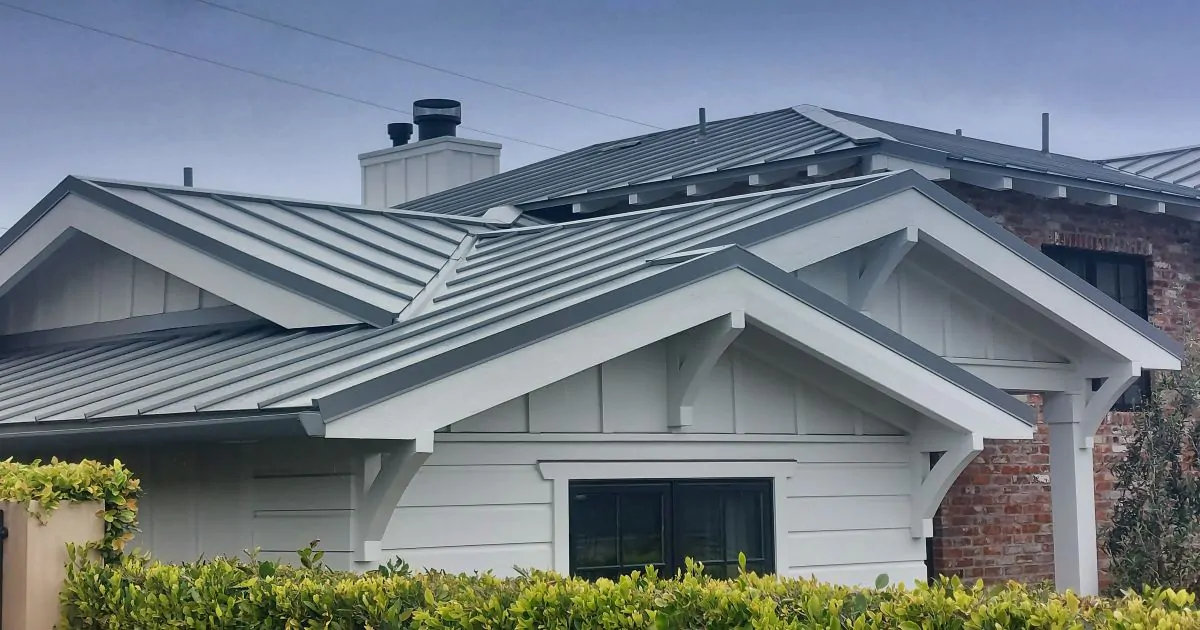
Standing seam metal is an increasingly popular choice for mansard roofs, especially on the upper low-pitch section where water resistance is paramount. Metal roofs shed water effectively even at shallow pitches, resist wind uplift, and deliver long service lives with minimal maintenance. On the steep lower section, metal panels or shingles can create a striking contemporary look that stands out in any neighborhood.
Low-Slope Waterproofing Membranes
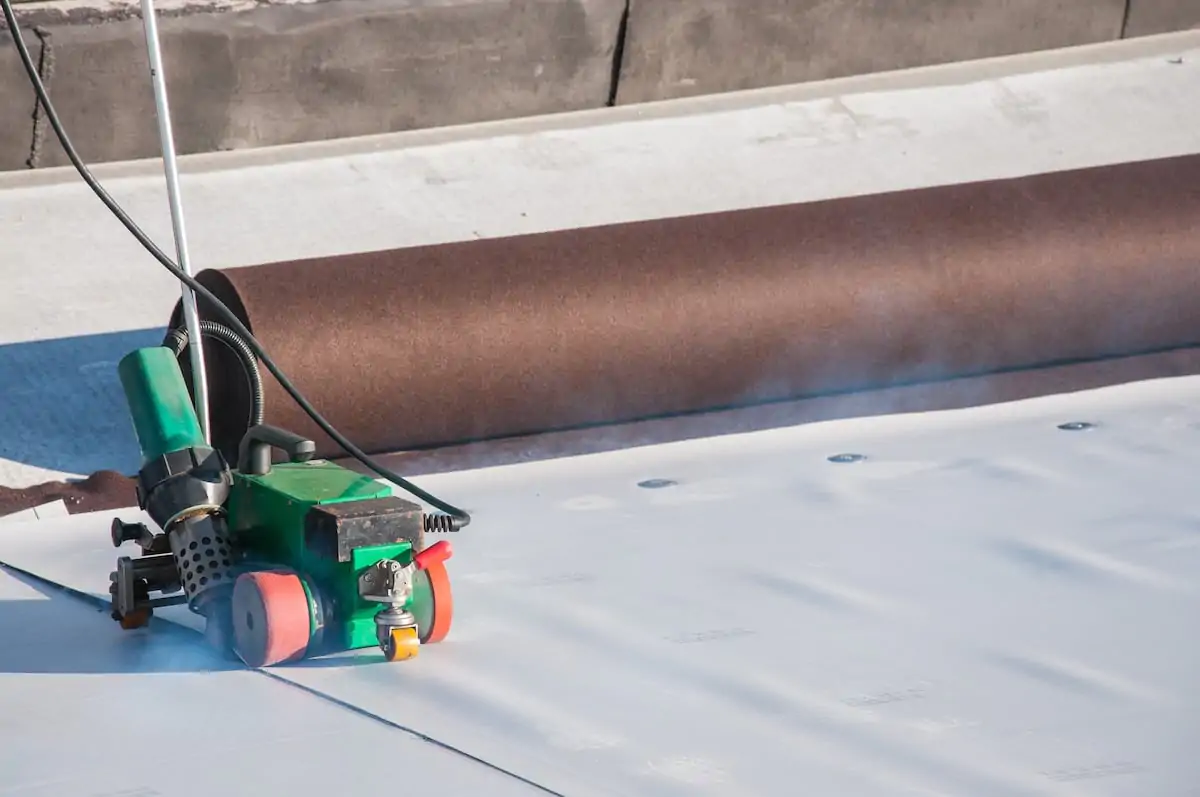
For the nearly flat upper deck, many contractors recommend a TPO, EPDM, or modified bitumen membrane. These materials are specifically engineered for low-slope applications and provide reliable waterproofing when properly installed and maintained. Pairing a membrane system on top with a shingle or metal finish on the lower slopes is a common and highly effective combination for mansard roofs.
The ideal material pairing depends on your budget, the architectural character of your home, and the specific climate demands of your region. A qualified roofing professional can help you evaluate which combination makes the most practical and financial sense for your specific situation.
How Mansard Stacks Up Against Other Roof Styles
When weighing your options, it helps to see how the mansard compares directly to other common roof types. Each style has its own trade-offs, and what works best depends on your priorities as a homeowner and the structural realities of your property. This comparison gives you a quick reference point as you work through the decision.
| Feature | Mansard | Gable | Hip | Flat |
| Usable attic space | Excellent | Good | Moderate | None |
| Visual character | High | Moderate | Moderate | Low |
| Cost to build | Higher | Lower | Moderate | Lower |
| Low-slope drainage needs | Yes (upper deck) | No | No | Yes |
| Works on all four sides | Yes | No | Yes | Yes |
| Dormer compatibility | Excellent | Good | Limited | None |
As the table shows, the mansard roof excels in areas where maximizing space and visual impact matter most. Its higher upfront cost is often offset by the additional square footage it unlocks and the long-term value it adds to a home’s resale appeal. For homeowners in Morton and surrounding areas who are working with a smaller building footprint, the bonus living space a mansard creates can be genuinely transformative, turning what would otherwise be dead attic space into a functioning bedroom, office, or studio.
Ready to Explore a Mansard Roof for Your Home?
The mansard roof is one of those rare architectural choices that delivers on both form and function. It adds undeniable character to a home’s exterior while creating real, livable space inside and offering long-term flexibility for future upgrades and changes. Whether you are drawn to its historic French elegance, the practical bonus room it creates, or the versatility it offers across different materials and finishes, this style deserves serious consideration during any new build or major renovation. ROOF TIGER has the expertise and craftsmanship to bring your roofing vision to life with quality materials and lasting results that stand up to whatever the Midwest throws at them. If you are ready to take the next step, contact us today and let our team help you find the right solution for your home.

Ferocious Roofing

They are extremely professional and responsive, made some great suggestions along the way, and handled every little issue that came up without complaint.
Vince B

