


How to Get Insurance to Pay for Roof Replacement (2026)
A roof replacement is one of the largest home expenses a homeowner will ever face, but in many cases, homeowners insurance should cover most or all of the cost. The challenge is that insurance companies do not automatically write checks after a storm. Knowing how to get insurance to pay for roof replacement requires understanding your policy, documenting roof damage correctly, and navigating the claims process strategically. Many homeowners who go in unprepared leave significant money on the table. Before your next storm rolls through, learn what a proper residential roofing inspection and replacement involves.
What you’ll learn in this post:
- What types of roof damage most homeowners insurance policies cover
- How to document damage to support a strong claim
- The step-by-step process for filing and maximizing a roof insurance claim
- Common reasons roof damage claims get denied and how to avoid them
- How a roofing contractor can be your strongest ally in the claims process
What Your Homeowners Insurance Policy Actually Covers
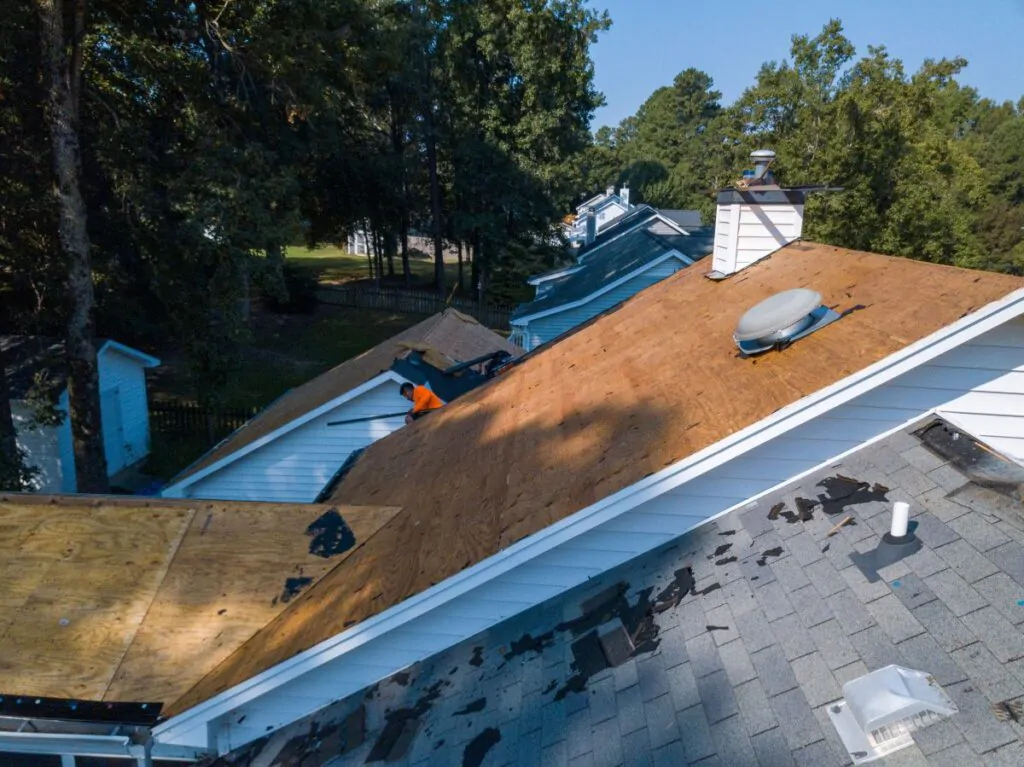
Before filing any claim, homeowners need to understand what their homeowners insurance policy does and does not cover. Not all roof damage is treated equally by insurance companies, and the language in your policy determines everything. Most standard homeowners insurance policies cover sudden, accidental damage caused by covered perils such as wind damage, hail damage, lightning, and fallen trees. Damage caused by poor maintenance, normal wear and tear, or gradual deterioration is almost always excluded.
- Actual Cash Value (ACV) vs. Replacement Cost Value (RCV): These are the two most important policy types for roofing claims. Actual cash value coverage pays the depreciated value of your roof based on its age and condition. Replacement cost value pays the full cost to replace the roof with new materials regardless of the roof’s age. If your policy is ACV, your claim payout will be significantly lower on older roofs.
- Named perils vs. open perils: Named perils policies only cover roof damage caused by events explicitly listed in the policy. Open perils policies cover all causes of damage except those specifically excluded, including most wind or hail damage scenarios. Open perils coverage is broader and generally more favorable for homeowners.
- Deductibles: Many homeowners insurance policies now carry separate wind and hail deductibles that are higher than the standard deductible. In storm-prone regions, this can mean a deductible of two to five percent of your home’s insured value rather than a flat dollar amount.
- Roof age exclusions and coverage limits: Some insurance providers limit or eliminate roof coverage for older roofs, typically those over 15 to 20 years old, and some policies include hail exclusions in certain regions. Reviewing your policy annually with your insurance agent is the only way to know your current roof insurance coverage before a covered event occurs.
Understanding your insurance coverage before a storm puts you in a far stronger position when roof damage occurs. Homeowners in West Peoria and surrounding areas should review their policy annually and ask their insurance agent specifically about what is and is not a covered loss under their current plan.
7 Steps to Getting Your Insurance Claim Approved
Filing a roof insurance claim successfully is not complicated, but it does require following the right steps in the right order. Skipping steps or rushing through the claim process is one of the most common reasons roof damage claims are underpaid or denied.
1. Inspect Immediately After the Storm
As soon as it is safe after a major storm, do a ground-level walkthrough of your property. Look for signs of roof damage including missing shingles, granules in gutters, dents on gutters and downspouts, and damaged vents or flashing. Take photos and videos of everything you observe, including the date and time. This initial documentation establishes the timeline of the covered loss.
- Do not attempt to get on the roof yourself
- Document all exterior surfaces, not just the roof
- Note any interior signs such as ceiling stains or attic leaks
2. Call a Reputable Roofing Contractor First
Before calling your insurance company, get a professional roof inspection from a qualified roofing contractor. A thorough contractor will document roof damage in detail, identify issues that are easy to miss, and give you a realistic picture of what the repair or full replacement scope looks like. Having an independent contractor’s report in hand before your insurance adjuster arrives gives you a significant advantage in the claim process.
- Choose a local, licensed, and insured roofing contractor with storm damage experience
- Avoid storm chasers who appear door-to-door after major weather events; reputable roofing companies do not work this way
- Ask for a written roof inspection report with photographs
3. File Your Claim Promptly
Contact your insurance company to file a claim as soon as possible after the roof inspection. Most homeowners insurance policies have a reporting requirement, and delaying can give the insurer grounds to question whether the roof damage is truly storm-related. Have your policy number ready, note the date of the storm, and describe the damaged roof at a general level. The insurance adjuster will conduct their own formal inspection.
- Confirm the claim number and expected adjuster timeline in writing
- Ask your insurance provider whether there is a deadline for filing after the date of loss
- In West Peoria and surrounding areas, where storm seasons can produce multiple weather events close together, document each covered event separately
4. Be Present During the Adjuster Inspection
The insurance adjuster’s roof inspection is one of the most critical moments in the entire insurance claim process. Their findings directly determine the scope and insurance payment for your claim. Have your roofing contractor present so they can point out roof damage adjusters may overlook and communicate in the same technical language to ensure nothing is missed.
- Walk the roof with the adjuster rather than letting them inspect alone
- Have your contractor’s written inspection report available for reference
- Point out all damaged surfaces including gutters, skylights, flashing, and siding
5. Review the Adjuster’s Scope of Loss
After the inspection, your insurance company will provide a scope of loss document outlining the roof damage found and the corresponding claim payout. Review this carefully against your roofing contractor’s report. Discrepancies are common, and homeowners who accept the first scope without reviewing it often receive less than they are entitled to under their insurance coverage.
- Line items may be missing, underpriced, or omit necessary local building codes upgrade allowances
- If there are discrepancies, your contractor can submit a supplement to the insurance provider
- Do not sign any contractor agreements until the insurance scope and insurance payment are finalized
6. Understand the Depreciation and Recoverable Amount
If you have a Replacement Cost Value policy, the initial insurance payment will typically be the actual cash value, with depreciation held back until the work is completed. Once you have a signed contract with a reputable contractor and work is underway or complete, you can submit for the recoverable depreciation and receive the remaining balance to cover the full replacement cost. Homeowners in West Peoria and surrounding areas who do not know this step exists often leave thousands of dollars unclaimed.
- Keep all receipts and contracts related to the roof repair or full roof replacement
- Submit the recoverable depreciation request promptly after work begins or is completed
- Confirm the deadline for recovering depreciation in your homeowners insurance policy
7. Complete the Work and Close the Claim
Once all insurance funds are received and the roofing contractor has completed the work, do a final walkthrough before the crew leaves. Confirm everything in the approved scope has been addressed, including any supplemental items added after the initial adjuster visit. Quality workmanship and proper documentation protect you long after the claim is closed.
- A reputable contractor will provide a warranty on both materials and labor
- Final documentation protects you if questions arise later about the quality or scope of work
- Notify your insurer once the work is complete to formally close the roof claim
Following all seven steps gives your roof damage claim the best possible foundation. Homeowners who stay organized and work with the right roofing contractor consistently get better outcomes than those who navigate the process alone.
Why Roof Damage Claims Get Denied and How to Avoid It
Claim denials are frustrating, but most are avoidable with the right preparation. Understanding the most common reasons insurance companies deny roof damage claims helps you sidestep these pitfalls before they become costly problems.
- Pre-existing damage: If your roof has visible signs of wear, missing shingles, or prior unrepaired structural issues, the insurer may attribute storm damage to pre-existing conditions and deny coverage. Ongoing roof maintenance and prompt repairs after every storm season reduce this risk significantly and keep your roof covered under a future covered peril.
- Lack of documentation: Roof damage claims that lack clear photographic evidence, contractor reports, or a documented timeline are easier for adjusters to minimize. The more organized and thorough your documentation, the harder it is for the insurer to dispute your claim.
- Missed filing deadlines: Every homeowners insurance policy has a window for reporting roof damage and filing claims after a loss event. Missing that window, even by a few days, can be used as grounds for denial. File promptly and confirm submission in writing with your insurance company.
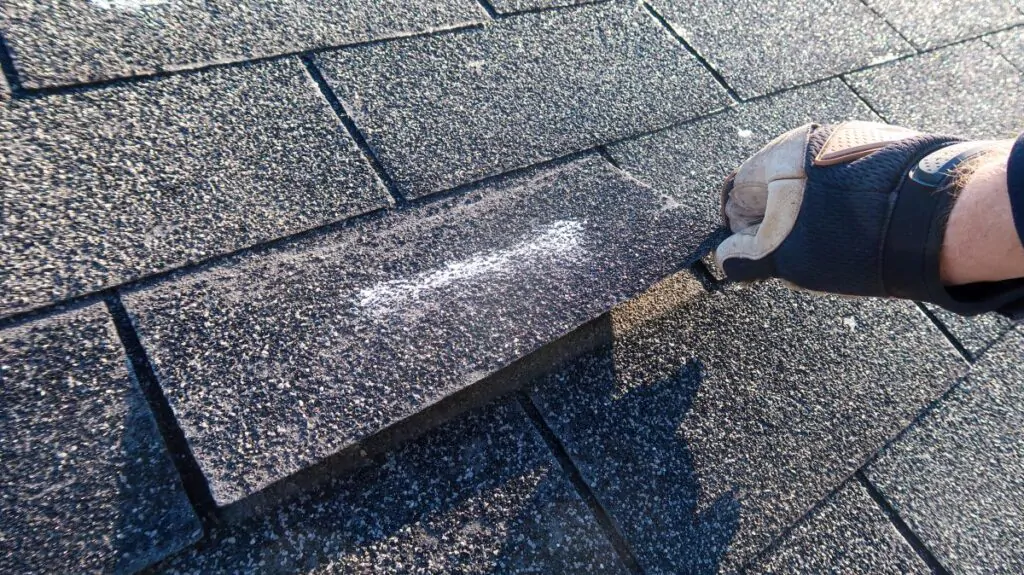
- Normal wear and tear vs. storm damage: Insurers will sometimes reclassify accidental damage as normal aging or wear and tear, particularly on older roofs. A roofing contractor who understands how to distinguish storm-related granule loss and bruising from normal wear is essential to countering this argument effectively.
Each of these denial triggers has a straightforward counter, and most come down to being organized, proactive, and partnered with the right roofing contractor.
Working With a Contractor Who Knows the Insurance Process
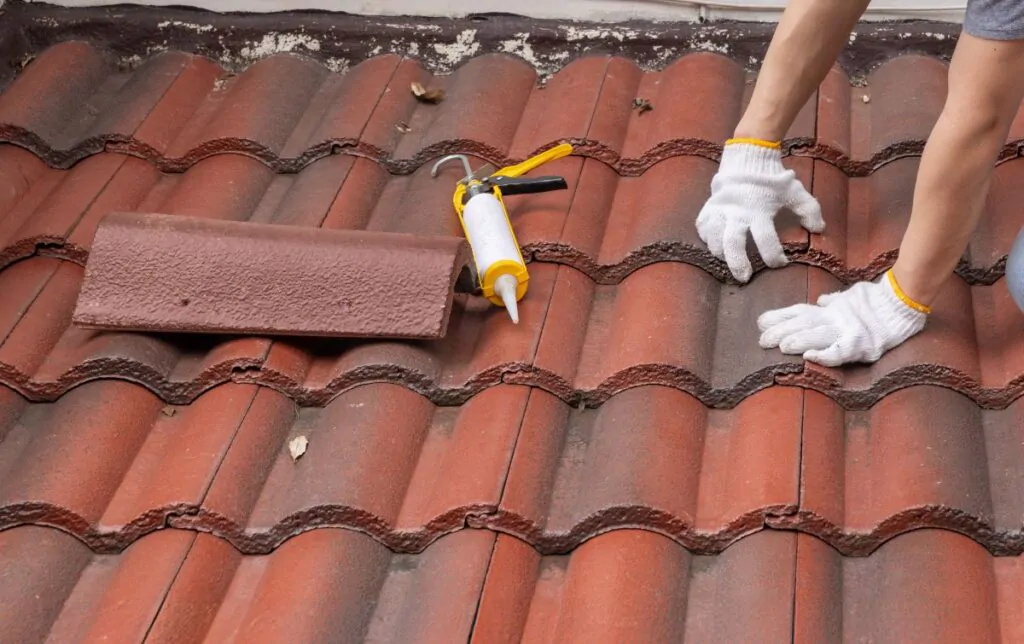
Not every roofing contractor is equally equipped to help you through a claim. A contractor with deep experience in storm damage work does more than complete repairs. They serve as your advocate throughout the entire insurance claim process, from the initial roof inspection to the final supplemental submission. ROOF TIGER specializes in exactly this kind of end-to-end insurance support.
What to Look for in a Storm Damage Contractor
Look for a roofing contractor who will attend the adjuster inspection at no additional charge, provides a detailed written report with photographs, and has a track record of successfully supplementing underpaid roof damage claims. Ask directly how many insurance claims they have worked on in the past year and what their process is for handling disputes with an insurance adjuster. A contractor who uses more durable materials and delivers quality workmanship also strengthens your position in future claims.
Red Flags to Avoid
Be cautious of any contractor who asks you to sign an Assignment of Benefits before your claim is approved, who guarantees they can waive your deductible, or who pressures you to sign a contract before reviewing the insurance scope. Storm chasers operating in areas prone to severe weather often use high-pressure tactics that put homeowners at financial risk.
Homeowners in West Peoria and surrounding areas have options. Taking the time to vet your roofing contractor carefully is just as important as filing your home insurance claim correctly, and the right contractor makes the entire process smoother and puts more of the insurance payment back in your pocket.
Your Roof Took the Hit. Now Make Sure Your Insurance Pays Its Share.
A roof insurance claim is not something you want to figure out for the first time while dealing with the aftermath of a major storm. Knowing the process, understanding your homeowners insurance coverage, and having a trusted roofing contractor ready to go makes an enormous difference in how quickly and successfully your claim gets resolved. ROOF TIGER works with homeowners through every step of the insurance process, from the first post-storm roof inspection to the final recovered depreciation check. If your roof has sustained wind damage, hail damage, or any other covered loss and you are ready to move forward, contact us today and let us take a look.

Ferocious Roofing

They are extremely professional and responsive, made some great suggestions along the way, and handled every little issue that came up without complaint.
Vince B

