


Hail Damage Roof Repair: How to Spot It & What It Costs
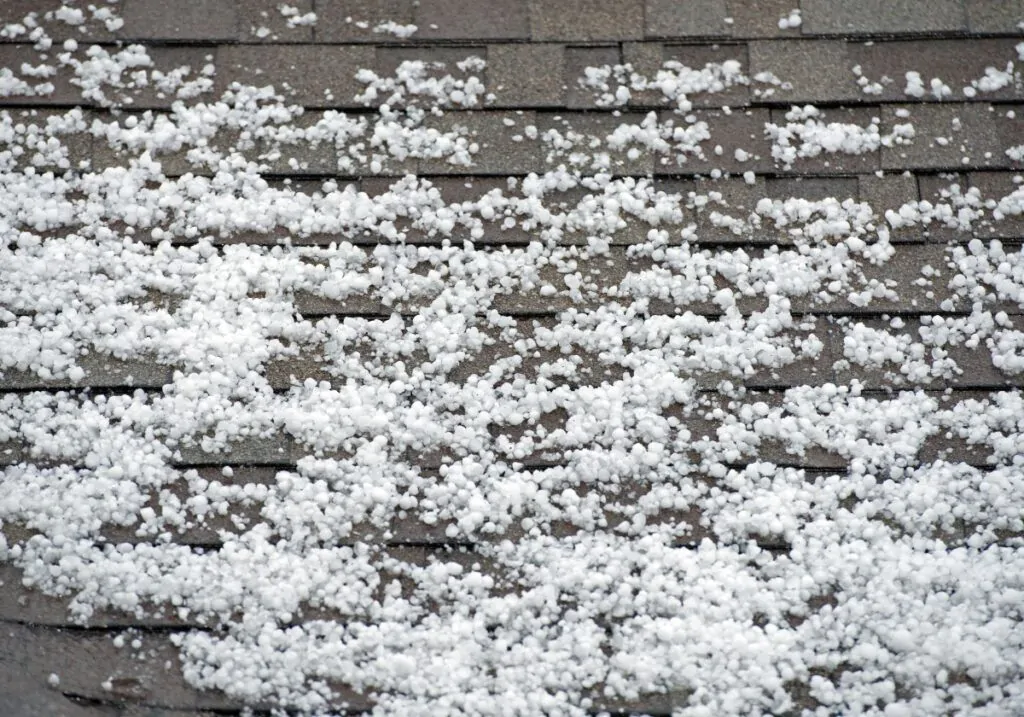
A hailstorm can pass in minutes and leave damage that takes years off your roof’s life. The problem is that most of that damage is invisible to anyone who does not know what to look for. Waiting too long to act turns a manageable repair into a far more expensive replacement, and it opens the door to leaks, mold, and structural problems inside your home. Understanding hail damage roof repair from detection to cost gives you the knowledge to act quickly and make smart decisions. For a broader look at what protecting your roof really involves, see what a thorough residential roofing assessment covers.
What you’ll learn in this post:
- How hail actually damages roofing materials
- The signs of hail damage on shingles, gutters, and flashing
- What the repair process looks like step by step
- How much hail damage repairs typically cost
- How to work with your insurance company to maximize your claim
Why Acting Fast After a Hailstorm Matters
Most homeowners in Pekin and surrounding areas do not realize their roof has been damaged until a leak shows up inside the house. By that point, water has already been infiltrating the structure for weeks or months. Getting a professional inspection within days of a significant storm is one of the most important things you can do to protect your home and your wallet.
- Hidden damage compounds quickly: Hail knocks the protective granules off asphalt shingles, exposing the underlying mat to UV radiation. Once that layer starts breaking down, the shingle loses its ability to shed water and deteriorates rapidly, even without further storm activity.
- Insurance claim windows are limited: Most homeowner insurance policies require you to file a storm damage claim within a specific timeframe, often one to two years from the date of loss. Waiting until damage becomes obvious can put you outside that window and leave you paying out of pocket.
- Small repairs prevent large replacements: A few damaged shingles caught early can often be repaired for a few hundred dollars. The same damage left unaddressed for a season or two can compromise the roof deck, fascia, and attic insulation, turning a simple fix into a full replacement project.
- Property value protection: A roof with known hail damage, even if not actively leaking, can complicate a home sale and reduce your property’s appraised value. Buyers and home inspectors will flag it, and the cost typically falls back on the seller.
Taking action after a hailstorm is not an overreaction. It is the responsible move that every homeowner should build into their routine after any significant weather event. A professional inspection costs nothing with most reputable roofing contractors and can save thousands.
5 Steps in the Hail Damage Roof Repair Process
Hail damage repair is not a single task. It is a process that begins with detection and ends with a documented, warranted repair that restores your roof to full function. Understanding each step helps you ask the right questions and avoid contractors who cut corners.
1. Post-Storm Inspection
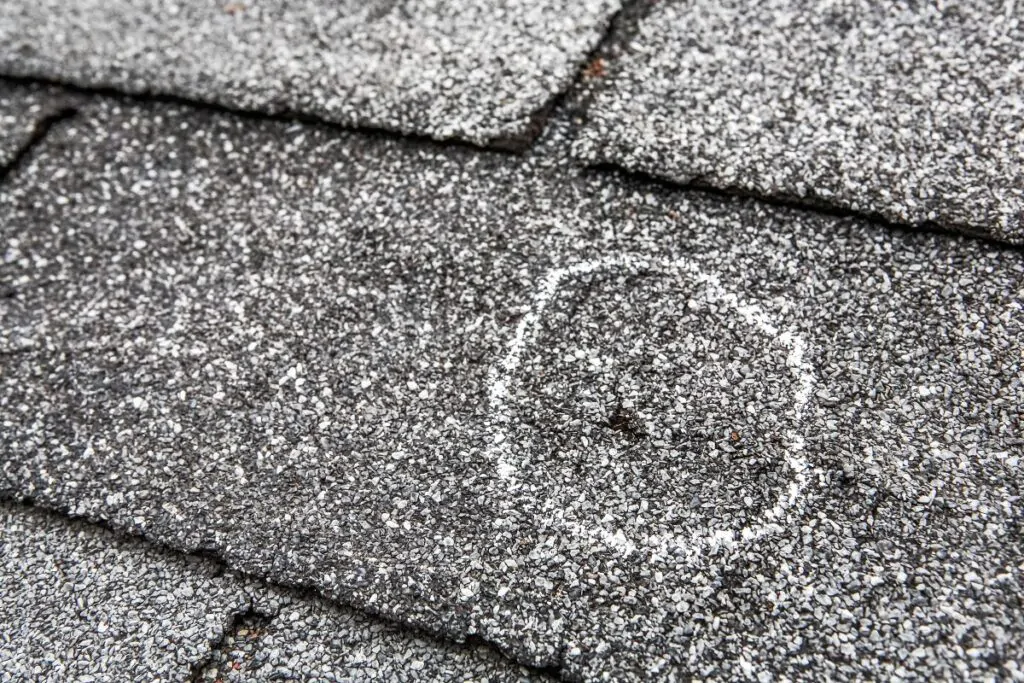
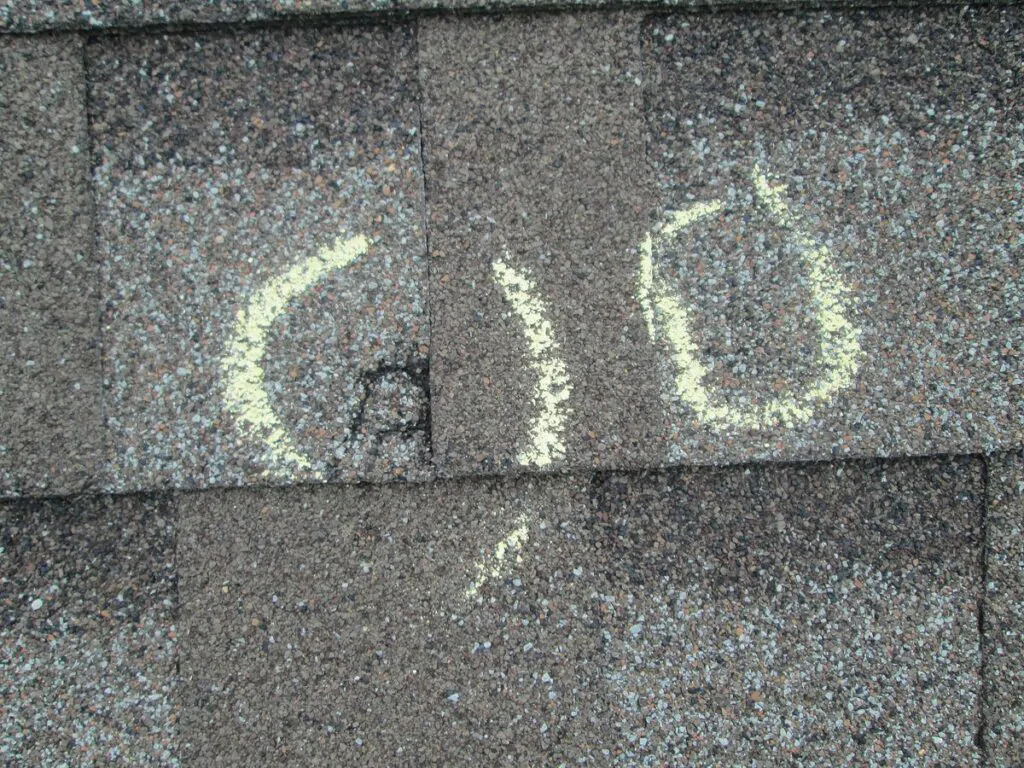
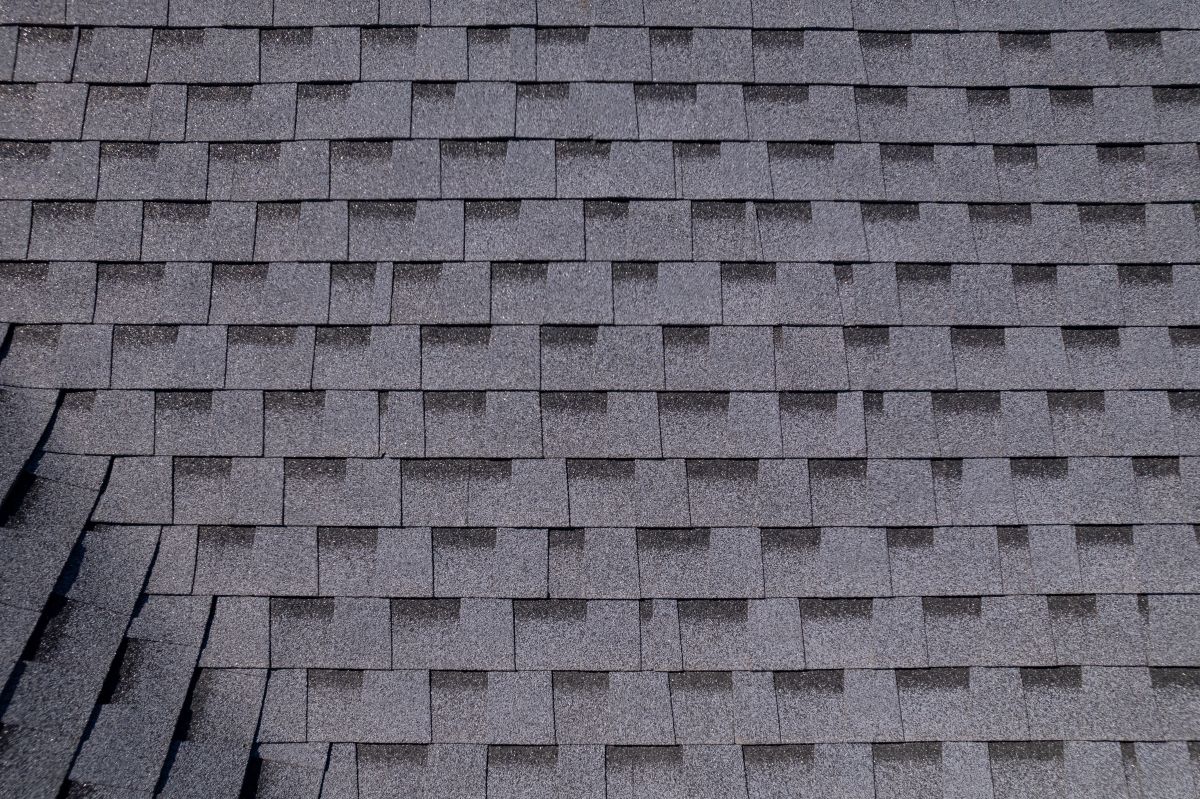
The first step is a thorough inspection of the roof and all exterior surfaces. A qualified contractor will examine shingles for granule loss, bruising, and cracking, and will also check gutters, downspouts, flashing, vents, skylights, and siding for impact marks. Finding dents in soft metals like gutters and fascia is one of the clearest indicators that the hailstorm was severe enough to damage roofing materials as well.
- Granule loss appears as bare or discolored patches on shingles
- Bruising is a soft, spongy depression in the shingle mat beneath the surface
- Impact marks on metal surfaces confirm hail size and intensity
- Photos taken during inspection become critical documentation for insurance claims
2. Damage Assessment and Documentation
Once the inspection is complete, the contractor prepares a detailed damage assessment that records the type, location, and extent of all damage found. This documentation is the foundation of your insurance claim. A thorough contractor will note the hail size based on impact patterns, the percentage of damaged shingles per roof section, and any secondary damage to flashing or underlayment.
- A written report with photographs should be provided to the homeowner
- Impact density matters to insurers; widespread minor damage can qualify as much as concentrated severe damage
- Ask your contractor whether the damage meets the threshold for a full replacement versus a repair
3. Insurance Claim Filing
With documentation in hand, the homeowner files a claim with their insurance company. An adjuster will be sent to conduct their own inspection, and having your contractor present during that visit is strongly recommended. Contractors experienced in storm damage work know how to communicate with adjusters, point out damage that is easy to overlook, and ensure the scope of work is accurately captured in the claim.
- File your claim as soon as possible after the inspection
- Request that your contractor be present during the adjuster visit
- Review the adjuster’s scope carefully and dispute any line items that seem incomplete
- Keep all receipts, inspection reports, and correspondence organized
4. Material Selection and Scheduling
Once the insurance claim is approved, the repair or replacement scope is finalized and materials are ordered. If only a portion of the roof is being repaired, matching the existing shingle color and profile as closely as possible is important for both aesthetics and resale value. If a full replacement is approved, this is a good opportunity to consider upgrading to impact-resistant shingles, which can reduce future damage and may qualify you for an insurance discount.
- Impact-resistant shingles carry a Class 3 or Class 4 rating under UL 2218 testing standards
- Class 4 shingles can reduce insurance premiums by 20 to 30 percent in some markets
- Lead times for materials vary; scheduling should account for weather windows as well
5. Repair or Replacement Execution
The actual repair work varies in scope. Spot repairs involve removing and replacing individual damaged shingles, sealing flashing, and addressing any localized underlayment issues. Full replacements involve stripping the entire roof, inspecting and repairing the deck as needed, installing new underlayment, and applying new shingles with all associated trim and flashing. In Pekin and surrounding areas, where hailstorms can be both frequent and severe, full replacements following significant hail events are common.
- Work should be sequenced to minimize exposure of the roof deck to weather
- All penetrations, valleys, and edges should be flashed and sealed before final inspection
- A final walkthrough with the homeowner ensures every item in the approved scope has been completed
Getting through all five steps with a qualified, experienced contractor on your side makes the difference between a smooth process and a frustrating one. Do not sign anything or pay a deposit before you have a written contract that matches the approved insurance scope.
How to Identify Hail Damage on Your Own
While a professional inspection is always the most reliable approach, homeowners can do a meaningful preliminary assessment from the ground and on accessible areas. Knowing what you are looking for helps you decide quickly whether to call a contractor after a storm.
- Granule accumulation in gutters: After a hailstorm, check your gutters and downspout outlets for an unusual buildup of dark granules. Some granule shedding is normal on older roofs, but a storm-related flush is typically much more concentrated and happens immediately after the event.
- Dents on gutters, downspouts, and AC units: Walk the perimeter of your home and look at soft metal surfaces. Fresh dents that were not there before the storm are a reliable sign that hail was large enough to cause roofing damage. The size and density of dents also give you a rough indication of hail severity.
- Cracked or missing shingles visible from the ground: Binoculars can help you spot obvious shingle damage without getting on the roof. Look for shingles that appear lifted, cracked across the surface, or missing entirely. While these visible signs are not the only form of hail damage, they indicate that a professional inspection is warranted immediately.
- Water stains on ceilings or in the attic: If you notice new staining on interior ceilings or in the attic after a storm, water has already found its way through. This does not necessarily mean there is a large hole in the roof. Small cracks in compromised shingles can allow significant water infiltration over time, especially under wind-driven rain.
Homeowners in Pekin and surrounding areas should make a post-storm walkthrough a habit after any weather event involving significant wind, hail, or falling debris. A few minutes of observation can save a considerable amount of money and stress.
Understanding Hail Damage Repair Costs
Cost is one of the first questions homeowners ask, and the honest answer is that it varies widely depending on several factors. Having a realistic range in mind before getting quotes helps you evaluate bids accurately and avoid being undercharged by contractors who plan to cut corners.
Factors That Affect Repair Costs
Roof size is the most obvious variable. Roofing costs are typically calculated per square, which equals 100 square feet of roof surface. A larger roof means more materials, more labor, and a higher overall cost. Roof pitch also matters. Steep roofs are more dangerous and time-consuming to work on, which increases labor rates.
The extent of the damage is equally significant. A repair covering 10 percent of one roof section costs far less than a full replacement triggered by widespread granule loss and bruised shingles across every surface. The type of material also plays a role. Basic three-tab asphalt shingles are less expensive than architectural shingles, and impact-resistant options cost more still.
Typical Cost Ranges
Spot repairs for minor hail damage, covering a small number of shingles and associated flashing, typically range from $300 to $1,500 depending on the scope and accessibility. Partial replacements covering one or two roof sections generally fall between $2,000 and $6,000. Full roof replacements following major hail events in Pekin and surrounding areas commonly run from $8,000 to $20,000 or more, depending on roof size, pitch, and material selection.
When insurance covers the replacement, homeowners typically pay only their deductible, which makes material upgrades like Class 4 shingles worth serious consideration at the time of replacement.
Schedule Your Inspection with ROOF TIGER
Hail damage is one of the most common and most misunderstood threats a roof faces. The damage it leaves is rarely dramatic on the surface, but its effects accumulate quickly and can compromise the entire system within a season or two. Whether your roof took a direct hit in last night’s storm or you are not sure what that granule buildup in your gutter means, getting a professional set of eyes on it is the right call. ROOF TIGER has the experience and the expertise to assess your roof accurately, document damage thoroughly, and guide you through the repair or replacement process from inspection to final installation. When you are ready to protect your home, contact us today and schedule your post-storm inspection.

Ferocious Roofing

They are extremely professional and responsive, made some great suggestions along the way, and handled every little issue that came up without complaint.
Vince B

