


Gutter Drainage (How to Prevent Overflow & Water Damage)
Every time it rains, your roof collects thousands of gallons of roof water runoff and sends it racing toward your gutter system. Without a properly functioning gutter drainage setup, that water has nowhere safe to go and it will find its own path, often straight toward your home’s foundation. From Dunlap and surrounding areas to communities across the region, homeowners frequently underestimate what happens when water is not directed away effectively. If you want to protect your home from erosion, a wet basement, and long-term structural damage, learning how a complete gutter system is designed and installed is the essential first step.
What you’ll learn:
- Why underground downspout kits are one of the most effective permanent solutions for managing roof water runoff
- How a debris filter and universal debris filter keep your system flowing without constant maintenance
- The difference between corrugated pipe and PVC pipe for underground drainage
- How a bubbler pot works and why it matters for your lawn and landscaping
- What cold climates demand from your gutter system, including ice guard considerations
- Warning signs that your current setup is creating water damage at the foundation wall
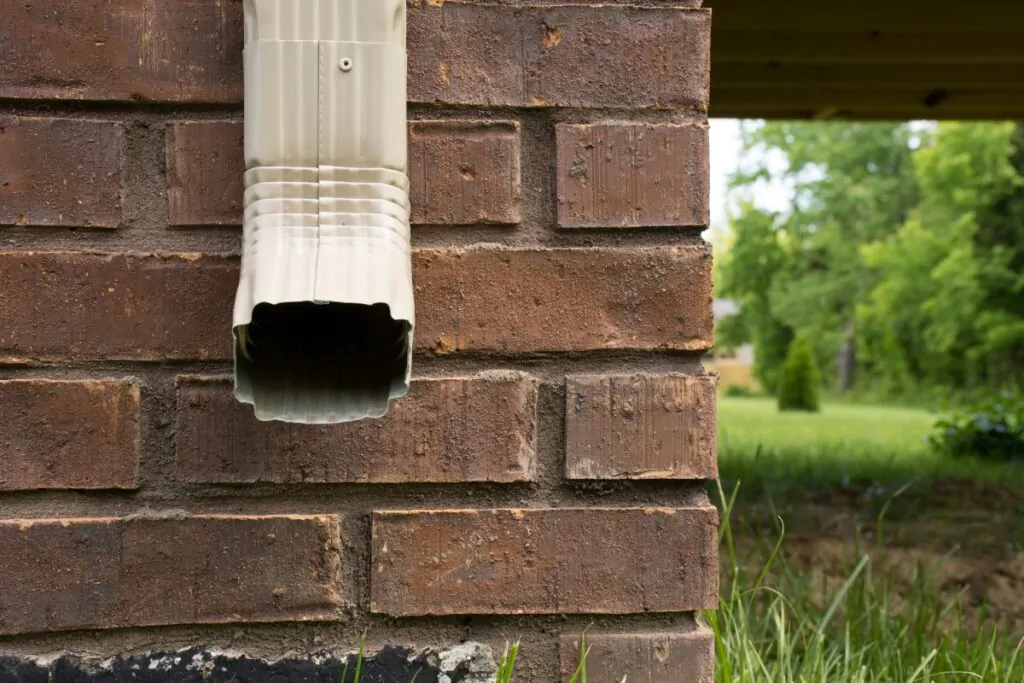
Why Proper Gutter Drainage Protects Everything Below Your Roof Line
Rain water that falls on your roof does not simply disappear. It travels down slopes, picks up speed, and floods into your gutter downspouts in large volumes during any significant storm. When that water is not managed correctly, it becomes a slow-moving threat to nearly every part of your home. The problems it creates, from a wet basement to cracked concrete near the foundation wall, rarely appear overnight, but they compound steadily until repair costs become unavoidable.
- Foundation protection: When water drains too close to the house, hydrostatic pressure builds against the foundation wall over weeks and months. This leads to cracking, shifting, and moisture intrusion that can turn into a very expensive problem very quickly.
- Lawn and landscaping: Uncontrolled debris flow and water discharge erode topsoil, kill grass, and undermine flower beds. A yard that looks great in spring can become a muddy, rutted mess after a single heavy storm season.
- Basement moisture control: The most common cause of a wet basement is not a plumbing failure or a high water table. It is rainwater pooling against the house because the gutter system is not moving it far enough away from the ground level.
- Roof and fascia health: When gutters overflow or back up along the roof line, water sits against wood fascia and soffit materials. That constant moisture rots wood, warps trim, and can work its way under shingles, creating damage far more costly than the drainage fix would have been.
Homeowners in Dunlap and surrounding areas who invest in a properly designed system typically avoid the cycle of recurring repairs that comes with inadequate drainage. The goal is not just to install gutters. It is to create a complete path for rainwater from the roof to a safe discharge point well away from the house.
6 Reasons Underground Downspout Kits Are the Gold Standard
Getting water off the roof is only half the job. The other half is deciding where it goes once it hits the ground. This is where underground downspout kits deliver results that surface-level solutions simply cannot match. Here is a breakdown of why underground systems outperform the alternatives and how they work from start to finish.
1. Water Travels Far from the Foundation
The core purpose of underground downspout kits is to move roof water runoff well beyond the foundation wall rather than releasing it at the base of the downspout. A standard downspout laying against the house and discharging at ground level sends water toward the very structure it is supposed to protect. An underground pipe carries that water to a bubbler pot, a storm sewer connection, or a discharge point in the lawn, far enough away to eliminate the risk of foundation moisture.
2. The Debris Filter Does the Heavy Lifting
One of the most overlooked components of underground downspout kits is the debris filter that sits at the entry point of the underground system. A quality universal debris filter removes bulk material, including leaves, grass clippings, twigs, and roof granules, before it enters the pipe. Without this filter, debris flow into the underground pipe creates clogs that are difficult and costly to clear. A debris filter beneath the downspout creating a clean entry point is what separates a low-maintenance system from one that fails repeatedly. Some systems include a self cleaning system design where only water passes through after the debris filter removes bulk material at the top.
3. Corrugated Pipe vs. PVC Pipe
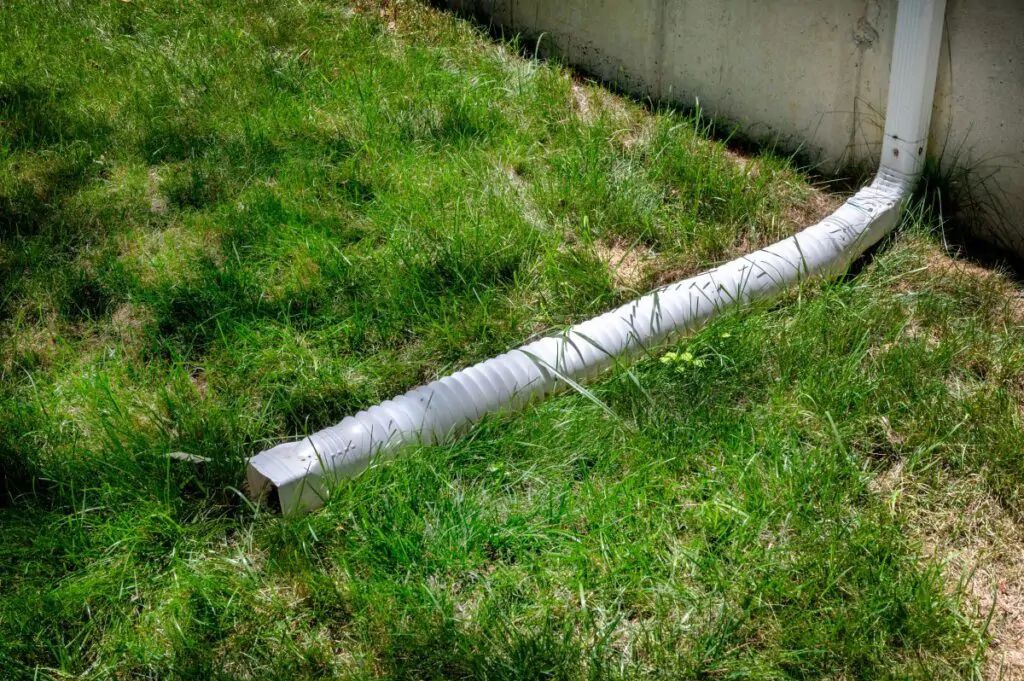
Choosing the right underground pipe matters for both performance and longevity. Corrugated pipe is flexible and easier to route around obstacles, making it a popular choice for DIY installs. However, it has ridges on the interior that catch sediment over time, which can reduce flow or require occasional flushing. PVC pipe is smoother on the inside and more resistant to long-term clogging, making it the preferred option for permanent installations where low maintenance is a priority. Both require non perforated pipe when used for drainage away from the house, since perforated pipe is designed to distribute water into the ground rather than carry it to a distant discharge point.
4. The Bubbler Pot Provides a Safe, Visible Outlet
At the discharge end of the underground system, a bubbler pot fills with rainwater and releases it gently at ground level. The solid green lid blends into the lawn so the outlet is barely visible, and a solid lid design protects the opening from debris while still allowing water to escape when the bubbler pot fills with enough pressure. The green lid blend with the surrounding grass means the system does not create an eyesore in the yard, and because you can simply mow right over it with a riding lawnmower, it requires virtually no attention after installation. The grate openings in some bubbler pot designs allow for controlled flow while keeping large debris out of the underground pipe.
5. Underground Systems Work for Any Style or Size Downspout
A common question from homeowners is whether underground downspout kits work with their existing setup. The answer in nearly every case is yes. Most kits include special fittings and adapters that connect directly to any style or size downspout currently on the house. Whether you have standard rectangular gutter downspouts or round downspouts, the adapter connects the above-ground system to the underground pipe without requiring major modifications to your existing installation. This makes retrofitting an underground system onto an already installed gutter system a straightforward project.
6. It Is a Permanent Solution That Eliminates Annoying Downspouts
Surface extenders, splash blocks, and flexible hose extenders are common workarounds for managing downspout discharge, but they create their own set of frustrations. They get kicked out of place, mowed over accidentally, tripped on, and create damage when they redirect water incorrectly. Annoying downspouts that stretch across walkways or discharge water onto patios are a daily inconvenience. Underground downspout kits work below the surface and stay put, making them a permanent solution that solves the problem rather than managing it.
Understanding how underground downspout kits work from entry to exit helps homeowners in Dunlap and surrounding areas make confident decisions about their drainage systems rather than settling for temporary fixes that never fully address the underlying issue.
Cold Climates, Ice, and What Your System Needs Year Round
Homeowners in colder regions face an additional layer of complexity when it comes to gutter drainage. Ice and freezing temperatures affect how water moves through the system, and a setup that performs well in summer can fail during a hard freeze if it was not designed with cold climates in mind.
Ice Guard and Ice Break Considerations
When water flows through an underground pipe and the ground freezes around it, the pipe can freeze solid. When the bubbler pot at the outlet freezes shut, water backs up through the entire system and overflows at the gutter level, undoing the purpose of the underground drainage entirely. An ice guard or ice break component at the connection point allows the system to default to surface discharge if the underground pipe becomes blocked by ice, preventing overflow from backing up against the roof line. This is a critical feature for maintaining drainage performance during winter months.
Maintenance Free Year Round Operation
A well-designed underground system with a universal debris filter, a self cleaning system design, and the right pipe material can be genuinely maintenance free year round. The debris filter removes bulk material at the entry point so debris does not accumulate inside the underground pipe. The bubbler pot with a solid lid handles the outlet. The only water entering the system is clean runoff, which flows freely without clogging. Compared to other underground systems that require periodic flushing or manual cleaning, a properly configured kit dramatically reduces the time homeowners spend managing their drainage.
Rain Barrel Integration
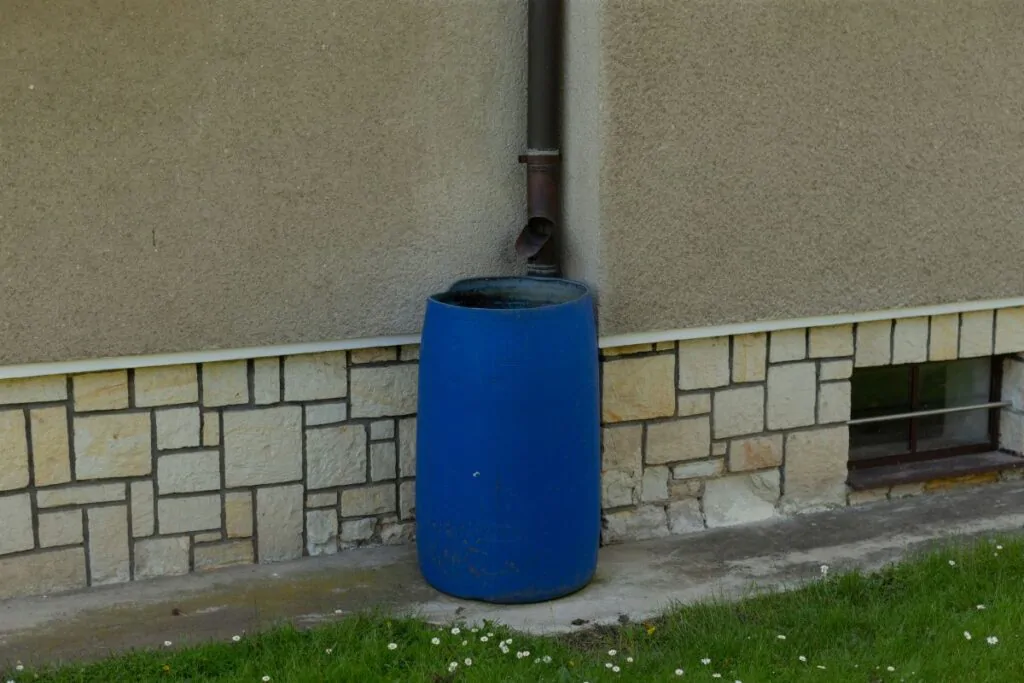
Some homeowners in Dunlap and surrounding areas prefer to integrate a rain barrel into their drainage setup before connecting to the underground system. A rain barrel captures roof water from one or more downspouts for use in watering gardens and landscaping during dry spells. The overflow from the rain barrel then routes into the underground system, so any excess rainwater that exceeds the barrel’s capacity still drains safely away from the foundation wall. This combination is a practical way to both conserve water and keep water free from pooling near the house.
Signs Your Current System Is Failing and What to Do About It
Knowing when to act is just as important as knowing what to do. Many homeowners wait until visible damage appears before addressing drainage problems, but by that point, the cost of repairs is almost always higher than it needed to be.
- Wet basement after rain: If your basement shows moisture, efflorescence, or standing water following a storm, the drainage system is not moving roof water runoff far enough from the foundation. This is the most direct signal that an underground downspout system or corrected surface grading is needed immediately.
- Erosion channels in the lawn: Trenches or bare soil paths that appear after rain indicate that water is free falling or discharging with too much force in one spot. Underground pipe routes that distribute water to a bubbler pot solve this problem by slowing and spreading the flow.
- Gutters overflowing despite being clean: If the gutter system overflows during moderate rain and the downspouts are clear, the issue is likely capacity, pitch, or a blockage in the underground system if one is already installed. A leaf filter or leaf guards may help reduce debris loading at the gutter level, but a structural fix is usually also needed.
- Downspout creating pooling near the house: When pot water flows or surface water visibly pools within a few feet of the foundation, it means the current discharge point is too close. Installing an underground connection that routes water to a bubbler pot farther in the lawn is a straightforward solution.
- Grass clippings and debris in the drain: If debris is entering the underground system, either the debris filter is missing or has failed. A replacement universal debris filter or an upgraded debris filter beneath the downspout entry will restore protection. Keeping only water entering the underground pipe is what makes the system reliable long term.
Catching these warning signs early and addressing them with the right solution keeps Dunlap and surrounding areas homeowners ahead of the water damage cycle that quietly affects so many homes every year.
Ready to Fix Your Gutter Drainage for Good?
A complete, well-functioning drainage system is one of the most valuable things you can do for your home. From installing gutters along the roof line to routing gutter downspouts into an underground system with a debris filter, bubbler pot, and solid green lid outlet, every component plays a role in keeping water damage away from your foundation, your lawn, and your basement. ROOF TIGER has helped countless homeowners design and install drainage solutions that work maintenance free year round, with no workarounds, no annoying downspouts, and no recurring repairs from water that was never properly controlled. Contact us today to get an expert evaluation and find out what your home’s drainage system actually needs.


Ferocious Roofing

They are extremely professional and responsive, made some great suggestions along the way, and handled every little issue that came up without complaint.
Vince B

