


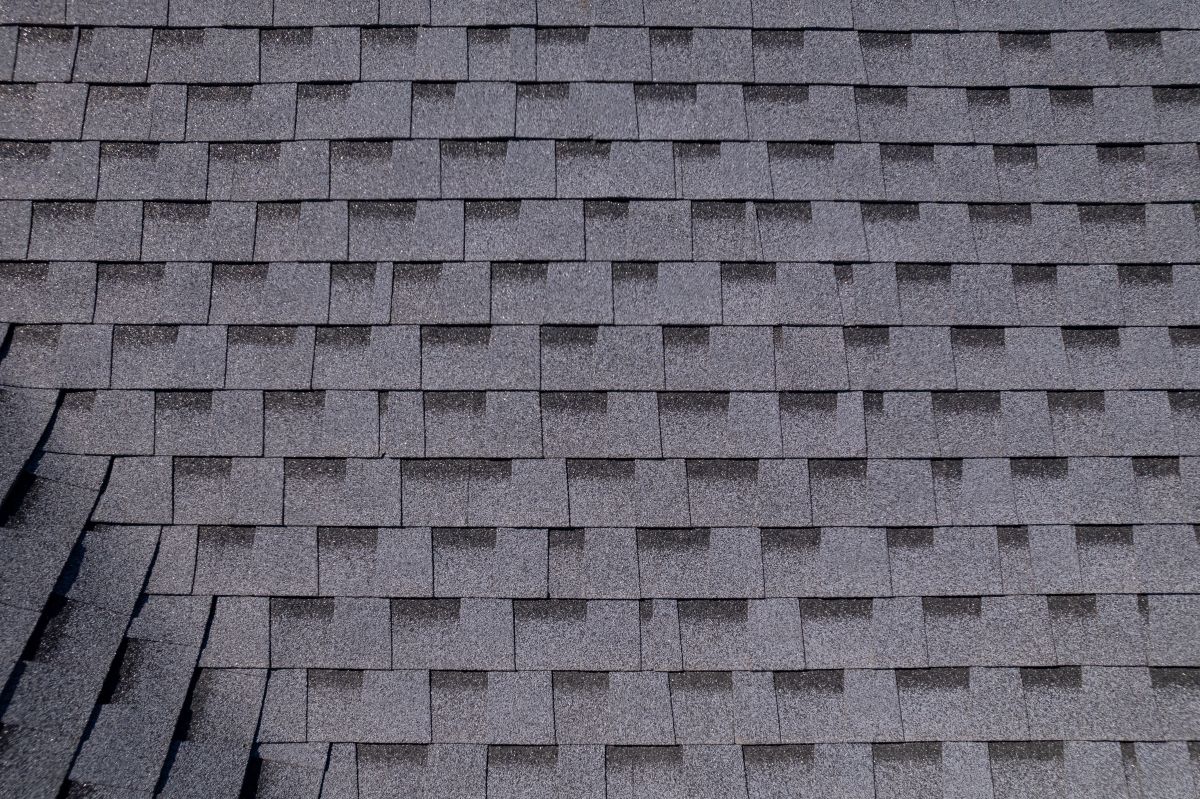
Asphalt Roof Repair: Common Causes & When You Need One
Asphalt shingles cover more homes in the United States than any other roofing material, and for good reason: they are affordable, effective, and relatively easy to maintain. But even the best-installed asphalt shingle roof will eventually need attention. The question most homeowners face is not whether they will need asphalt roof repair at some point, but whether they will catch the problem early or wait until a roof leak is coming through the ceiling. Understanding what causes damage, what warning signs to watch for, and when to call professional roofers can save thousands of dollars in the long run. For a broader look at what professional roof work involves, see what a complete roofing assessment and repair service covers.
What you’ll learn in this post:
- The most common causes of asphalt shingle roof leaks and damage
- How to recognize the warning signs of a failing roofing system
- When a repair is sufficient versus when a replacement is necessary
- What typical repair costs look like and what factors affect the scope
- How to choose the right contractor for the job
The Real Cost of Ignoring Asphalt Roof Damage
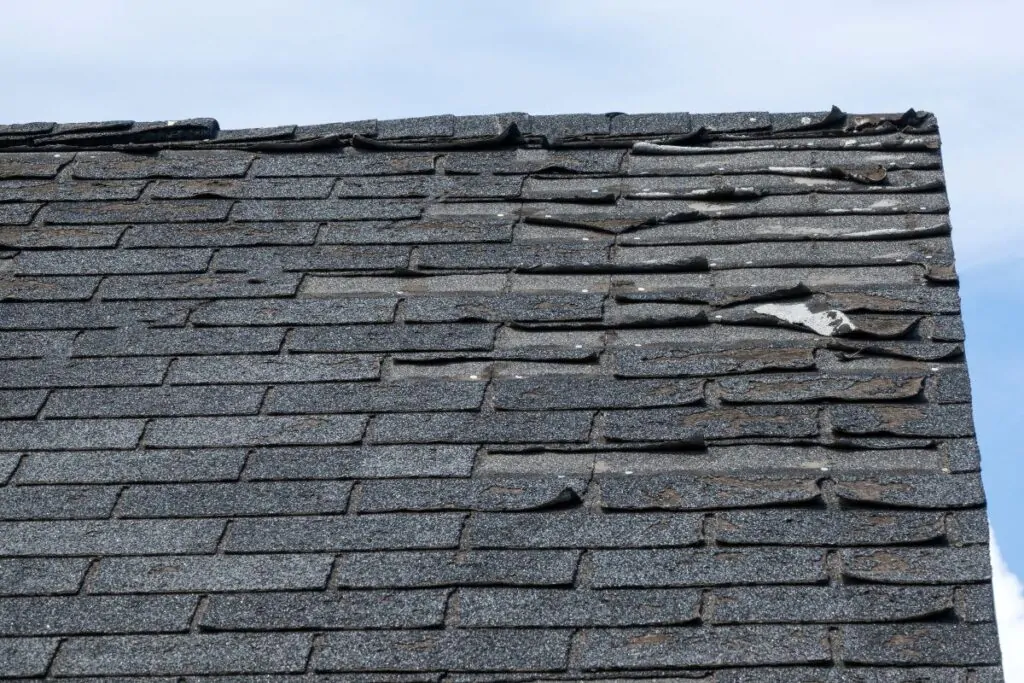
Most homeowners do not think about their roof until something goes wrong, and by the time something visibly goes wrong, the damage has often been building for months. A $550 repair can balloon into thousands if delayed, and water entering through a damaged shingle can travel up to 15 feet from its entry point before becoming visible inside the home. Homeowners in Normal and surrounding areas who act promptly after a storm or at the first sign of trouble consistently spend far less on repairs than those who wait.
- Preventing interior damage: Water that gets past a compromised roof does not stop at the ceiling. It saturates insulation, penetrates drywall, stains finishes, creates conditions for mold growth, and can lead to wood rot in eaves and fascia. Addressing a damaged shingle or failed flashing costs a fraction of what full interior remediation runs.
- Preserving warranty coverage: Most asphalt shingle warranties have maintenance requirements built in. A roof with documented damage that goes unrepaired can void coverage and leave the homeowner responsible for the full cost of future repairs or replacement.
- Protecting structural integrity: Prolonged moisture infiltration rots the roof deck, weakens rafters, and can compromise the structural system of the home itself. Repairs made before water reaches the deck are always simpler and less expensive than more extensive repairs made after.
- Maintaining home value: A roof with visible damage, active leaks, or a history of neglect is a red flag for buyers, inspectors, and insurers alike. Prompt repair keeps the home in marketable condition and reduces the risk of issues arising at the worst possible time.
Catching roof problems early and addressing them with the right solution is one of the highest-return maintenance investments a homeowner can make, protecting everything the roof exists to protect.
6 Common Causes of Asphalt Roof Damage
Asphalt shingles are durable, but they are not indestructible. A range of factors can compromise their performance over time, and understanding the most common causes helps homeowners know what signs to look for after storms, during seasonal transitions, and as the roof ages.
1. Wind Damage
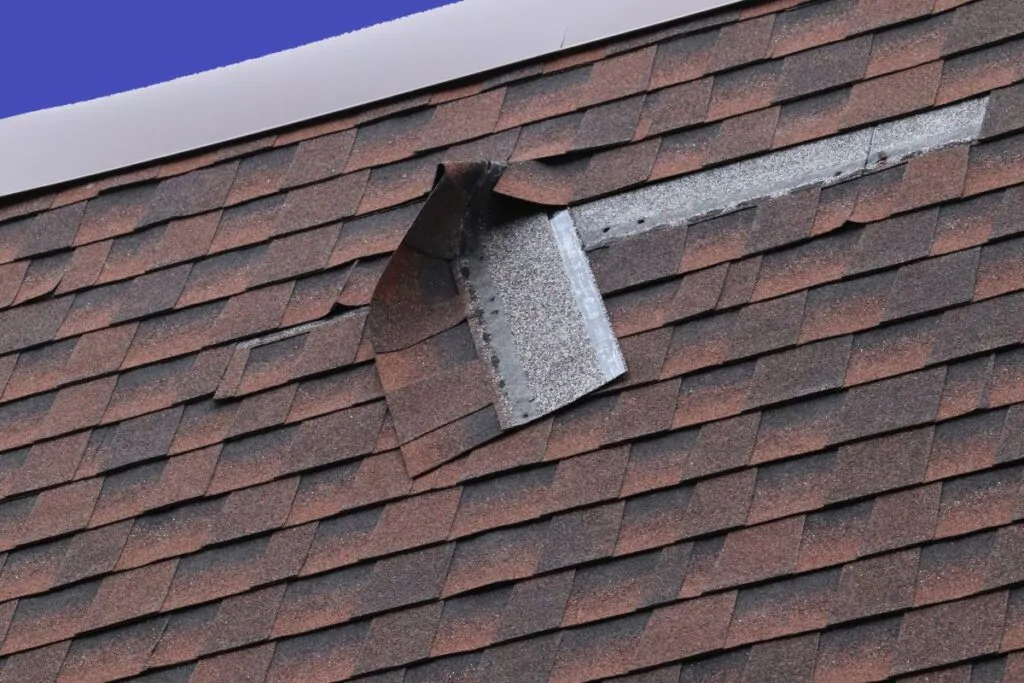
High winds are one of the leading causes of asphalt shingle damage. Wind lifts the edges and corners of shingles, breaking the adhesive seal between courses. Once that seal fails, the shingle is vulnerable to being lifted, which exposes the underlying roof deck and underlayment to direct weather. Even shingles that appear intact after a windstorm may have broken seals that allow water infiltration the next time rain arrives.
- Shingles with broken seals often look undamaged from the ground but are no longer watertight
- Wind damage is most common at ridge lines, eaves, and corners where uplift forces concentrate
- Standard shingles are rated for winds up to 60 mph; architectural shingles typically handle higher speeds
2. Hail Impact
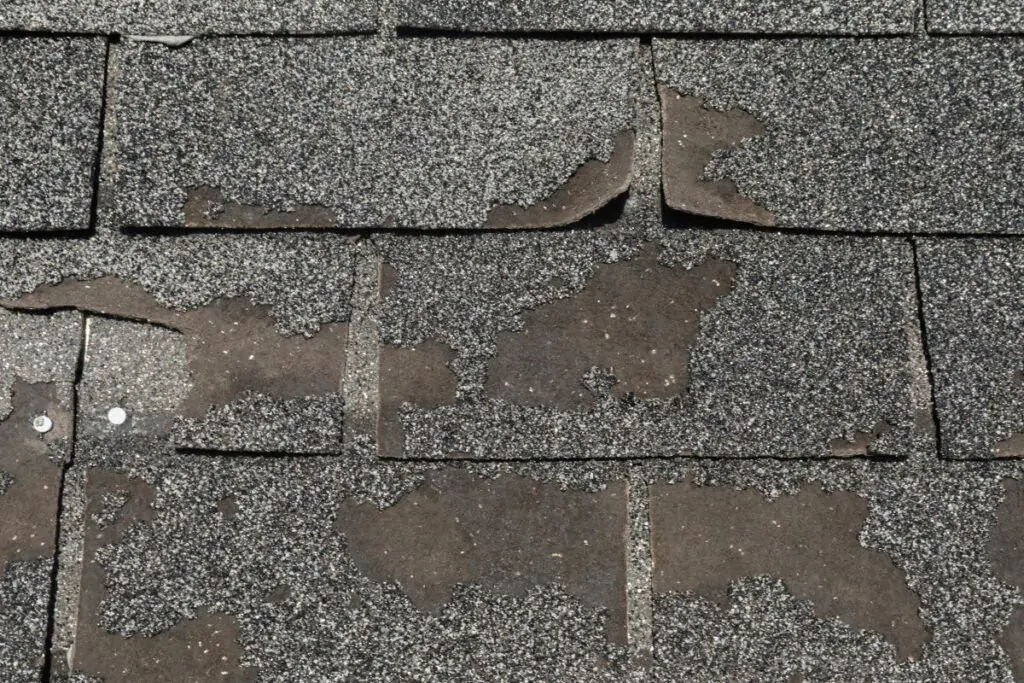
Hail strikes knock granules off the surface of asphalt shingles, exposing the underlying asphalt mat to UV radiation and moisture. The granules are not decorative; they are the primary UV protection layer for the shingle. Once they are gone, the shingle ages at an accelerated rate and loses its ability to shed water effectively. In Normal and surrounding areas, hailstorms are a regular seasonal occurrence and a leading driver of insurance claims.
- Hail damage often looks like circular dark spots or bare patches on the shingle surface
- Granule accumulation in gutters immediately after a storm is a clear sign of impact damage
- Even moderate hail can cause functional damage that is not visible without a professional inspection
3. Flashing Failures
Flashing is the metal material used to seal transitions between the roof surface and vertical elements like chimneys, skylights, pipe boots, vents, and walls. It is one of the most overlooked yet failure-prone components of any roofing system because it relies on sealant, fasteners, and proper overlap to stay watertight. Chimney leak repairs can run from $2,250 to $4,250 depending on extent of damage, making early detection essential.
- Chimney and skylight flashings are the most common failure points on residential roofs
- Rust staining around a penetration is often the first visible sign of a flashing problem
- Failed flashing can cause significant roof leak damage while the surrounding shingles remain in perfect condition
4. Granule Loss, Aging, and Nail Pops
All asphalt shingles shed granules gradually over their lifespan, but accelerated granule loss signals the shingle is approaching the end of its useful life. Aging shingles lose granules and begin to curl after 12 to 20 years. Temperature fluctuations also cause the roof deck to expand and contract, driving nail heads upward over time. These nail pops create tiny entry points for water and are among the most frequently overlooked causes of asphalt shingle roof leaks. Professional nail pop repairs average around $550, while a DIY fix using roofing cement costs between $10 and $120 in materials.
- Granule buildup in gutters not associated with a storm signals normal end-of-life wear
- Thin or bare spots on shingles indicate areas of accelerated deterioration
- Nail pops are often invisible from the ground but easily identified during a professional inspection
5. Rubber Pipe Boot Failures
Rubber pipe boots seal the base of plumbing vent pipes where they penetrate the roof surface. They are one of the most common and most overlooked sources of roof leaks on otherwise sound asphalt shingle roofs. Rubber pipe boots typically crack after 5 to 10 years of UV exposure and temperature cycling, well before the rest of the roof shows any wear. Pipe boot repairs typically range from $750 to $1,250 depending on accessibility.
- A cracked pipe boot can leak steadily for months before any interior sign appears
- Replacing a failed pipe boot is a straightforward repair when caught early
- Regular inspections catch pipe boot failures before they cause more extensive damage to the deck and underlayment
6. Improper Installation
A significant percentage of asphalt roof repairs needed within the first ten years trace back to installation errors rather than material failure or weather. Nailing too high on the shingle, skipping starter strips, misaligning flashing, and failing to properly seal penetrations all create leak points within a few years of the job being completed. High nailing weakens wind resistance along the nail line, making the roof more vulnerable to storm damage. Homeowners in Normal and surrounding areas with recurring repair needs should ask a second contractor to evaluate whether the original installation is contributing to the problem.
- High nailing weakens the wind resistance of every course above the nail line
- Missing or improper starter strips allow wind to lift the first course of shingles from the eave
- Installation errors can void manufacturer warranties if they violate installation specifications
Every one of these causes has a specific repair approach, and identifying the root cause correctly is what separates a repair that lasts from one that fails again within a season. A qualified contractor identifies what led to the damage, not just the symptom.
Repair vs. Replace: How to Know Which One You Need
One of the most important questions a homeowner faces after discovering roof damage is whether to repair or replace the roof entirely. There is no single answer, but a few clear factors help determine the right path.
- Roof age: The useful life of a standard three-tab asphalt shingle roof is typically 20 to 25 years. Architectural shingles can last 30 years or more. If the roof is within five years of the end of its expected lifespan and requires a significant repair, replacement often makes more financial sense than investing in repairs that will only delay the inevitable.
- Extent of damage: Damage confined to a small area, such as a few damaged shingles around a chimney or a section that took a direct hit from a falling branch, is generally a strong candidate for repair. When more extensive damage is widespread across multiple slopes or involves compromised decking, replacement becomes the more practical option.
- Matching shingles: When only a portion of the roof is repaired, matching the color and profile of existing shingles matters for aesthetics and performance. Older shingles have typically faded and weathered, making a perfect match difficult. If the appearance gap would be significant or the existing shingles are no longer manufactured, full replacement may be preferred.
- Insurance coverage: When a covered weather event causes the damage, insurance often pays for full replacement because damaged and undamaged shingles must match. Working with a contractor who understands insurance claims helps ensure the scope is covered correctly.
If you are unsure which path makes sense, a professional inspection is the fastest way to get a clear answer. A qualified contractor can assess the full condition of the roofing system and give you an honest recommendation based on what they find.
What to Expect from a Professional Repair
Understanding what professional roofers actually do during a repair helps homeowners evaluate the quality of the work they receive. A proper asphalt roof repair is not simply replacing visible shingles and calling the job done. The process involves inspection, material assessment, and a methodical approach to fixing the root cause rather than just the surface symptom.
The Inspection Comes First
Before any material is replaced, a professional should inspect the full extent of the damage, including the flashing, roof deck, and underlayment in the affected area. Replacing shingles over compromised decking or failed underlayment guarantees the problem returns. DIY repairs are manageable for roofs with a pitch of 4/12 or less, but steeper roofs present real safety risks that make professional access essential.
Material Matching and Repair Technique
A reputable contractor uses shingles as close as possible to the existing material in profile, weight, and color. For localized repairs, new shingles are slid into position by removing nails holding the damaged shingles and installing replacements. Nail heads are sealed with roofing cement to prevent water intrusion, and fiberglass mesh may reinforce roofing cement over cracks and seams in more complex repairs. Patch repairs done with mismatched or inferior materials may hold water but will stand out visually.
Cleanup and Final Review
Every professional repair should end with a thorough cleanup of the work area, including collection of old shingles, nails, and debris from the yard and gutters. A final walkthrough with the homeowner to review the completed scope gives both parties confidence the work has been done correctly. Homeowners in Normal and surrounding areas should always request a written warranty on labor before signing off on any repair.
Protect Your Home with ROOF TIGER
An asphalt shingle roof is designed to protect everything beneath it for decades, but only when it is properly maintained and repaired at the first sign of trouble. Ignoring a missing shingle, a cracked pipe boot, or granule loss in the gutters is easy to put off in the short term and almost always leads to more extensive repairs and higher costs down the road. ROOF TIGER brings the inspection expertise, material knowledge, and workmanship standards to make sure every repair addresses the actual cause of the damage and holds up through whatever the seasons bring. When you are ready to get your roof assessed, contact us today and schedule your inspection.

Ferocious Roofing

They are extremely professional and responsive, made some great suggestions along the way, and handled every little issue that came up without complaint.
Vince B

