


Soffit Repair: Warning Signs Every Homeowner Should Know
Your roof does more than keep out rain. The components tucked underneath the eaves play a critical role in protecting your home’s structure, ventilation, and curb appeal. Soffit repair is one of those maintenance tasks homeowners often overlook until damage has already spread. Catching the warning signs early can save you from costly structural repairs down the line, and understanding what to watch for is the best tool you have. Whether you have a newer build or a decades-old home, your soffit panels deserve regular attention alongside your roofing system and gutters, which is the kind of full-picture approach our team brings to every inspection in Peoria Heights and surrounding areas.
What you’ll learn in this post:
- What soffits are and why they matter to your home’s long-term health
- The most common warning signs of soffit and fascia damage homeowners miss
- How water, pests, and poor attic ventilation interact with soffit deterioration
- What differentiates minor cosmetic issues from damage that needs immediate attention
- How to approach soffit repair as part of a broader exterior maintenance plan
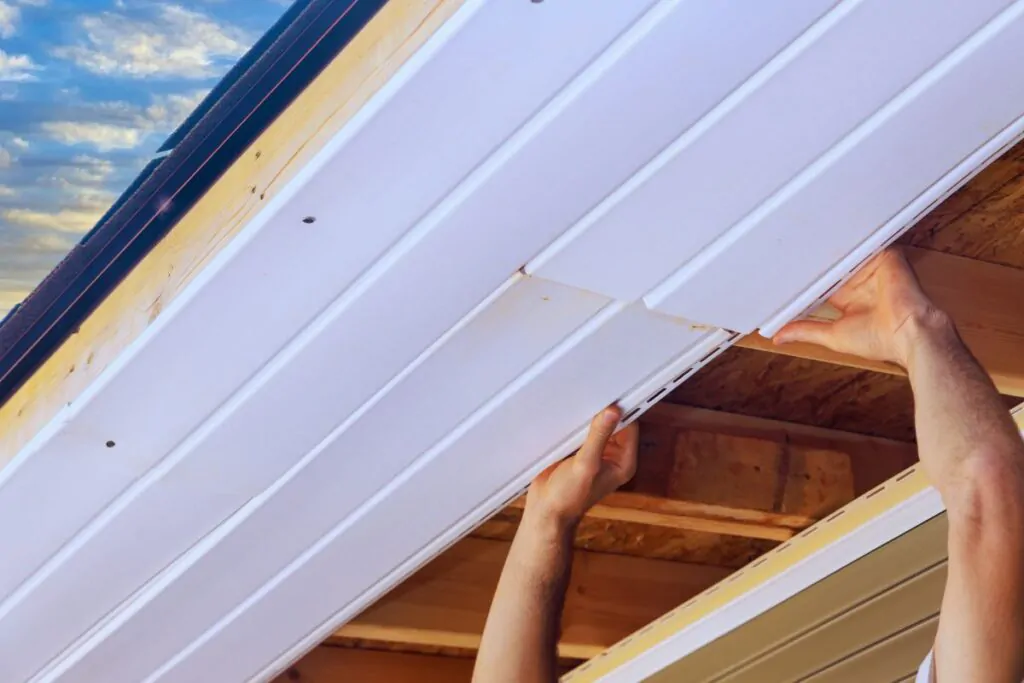
Why Your Soffits Deserve More Attention Than They Get
Most homeowners spend time thinking about shingles, gutters, and flashing, and rightfully so. But the soffits, those panels running along the underside of your roof’s overhang, are doing quiet, essential work every single day. They seal off the gap between the roof edge and the exterior wall, protect the rafters from moisture intrusion, and play a key role in proper attic ventilation that keeps your entire home functioning efficiently.
When soffits begin to fail, the consequences ripple outward. Moisture gets into the rafter system. Animals find easy entry points. Ventilation is disrupted, leading to moisture buildup, heat problems, or ice dam formation depending on the season. In Peoria Heights and surrounding areas, where winters bring freeze-thaw cycles and summers bring humidity, these issues can accelerate quickly once they start.
Understanding why soffit health matters gives homeowners the motivation to inspect regularly and act early:
- Structural protection: Damaged soffit panels expose roof rafters and fascia boards to direct moisture, accelerating wood rot and compromising the structural integrity of the roofline.
- Ventilation support: Most soffit vents allow fresh air to flow into the attic, regulating temperature and preventing moisture buildup that leads to mold.
- Pest prevention: Intact soffits act as a barrier against birds, squirrels, and insects that seek warm, sheltered spaces for nesting inside your roofline.
- Curb appeal and home value: Visibly deteriorating soffit and fascia signal neglect to potential buyers and neighbors alike, affecting how your home presents from the street.
Regular exterior walkthroughs, especially after heavy storms, are the simplest way to stay ahead of soffit issues. The warning signs are usually visible long before the damage becomes severe.
7 Warning Signs Your Soffits Need Attention
Knowing what to look for makes all the difference. These warning signs range from obvious to subtle, and each one tells a different story about what may be happening to your roofline. A visual check from the ground at least twice a year, once in early spring and once in late fall, is the simplest habit homeowners can build to stay ahead of exterior damage.
1. Visible Cracks or Holes
Even small cracks in soffit panels can allow water and pests inside. Holes, whether from physical damage or animal entry, are urgent. Once an opening exists, moisture and wildlife can reach your rafters and attic insulation quickly. Look for jagged edges, missing replacement soffit panels, or gaps where panels have pulled away from the fascia boards along the roof edge.
2. Peeling Paint or Surface Deterioration
Peeling paint, bubbling, or discoloration on your soffits is often a sign of moisture trapped beneath the surface. This happens when water is penetrating the soffit material or when condensation from poor attic ventilation has nowhere to escape. Do not dismiss peeling paint as purely cosmetic, as it is usually a symptom of a deeper moisture issue that will keep returning until the source is addressed.
3. Soft or Spongy Texture
If you can safely reach your soffits, a soft or spongy feel when pressed is a clear sign of water damage and rot beneath the surface. Wood soffit material is especially vulnerable to this kind of deterioration. The damage spreads, so what feels like a small soft patch today can become a fully compromised section within a single wet season.
4. Staining or Discoloration
Dark streaks, greenish patches, or white chalky deposits on your soffits indicate moisture exposure, algae growth, or mineral deposits from water running in places it should not. Staining that appears below the gutter line and extends onto the soffits often points to clogged gutters overflowing and pushing water back against the fascia and soffit repeatedly.
5. Evidence of Pest Activity
Chewed edges, small holes, or visible nesting material around the soffit area are red flags. Squirrels and birds in particular target weak or already damaged soffits. Once they gain entry, they can cause significant damage to insulation and wiring inside the attic. Any sign of pest activity warrants an immediate inspection of the full soffit and fascia line.
6. Sagging or Warping Panels
Soffits that are visibly bowed, sagging, or warping have lost structural integrity. This typically results from prolonged moisture exposure causing the material to expand and contract unevenly over time. Warped soffits can also indicate that the wood fascia boards behind them have begun to rot, which extends the scope of the repair process considerably.
7. Blocked or Damaged Soffit Vents
Ventilated soffits have small perforations or inserts that allow airflow into the attic. When soffit vents become blocked by paint, debris, or insulation pressed up from inside the attic, proper attic ventilation suffers. Look for soffits that appear painted over or clogged, and check inside your attic for signs of excessive heat or moisture buildup that might point to a ventilation failure at the soffit level.
Each of these warning signs becomes more serious the longer it goes unaddressed. Catching them early, before they compound into structural damage, is always the more affordable outcome for homeowners.
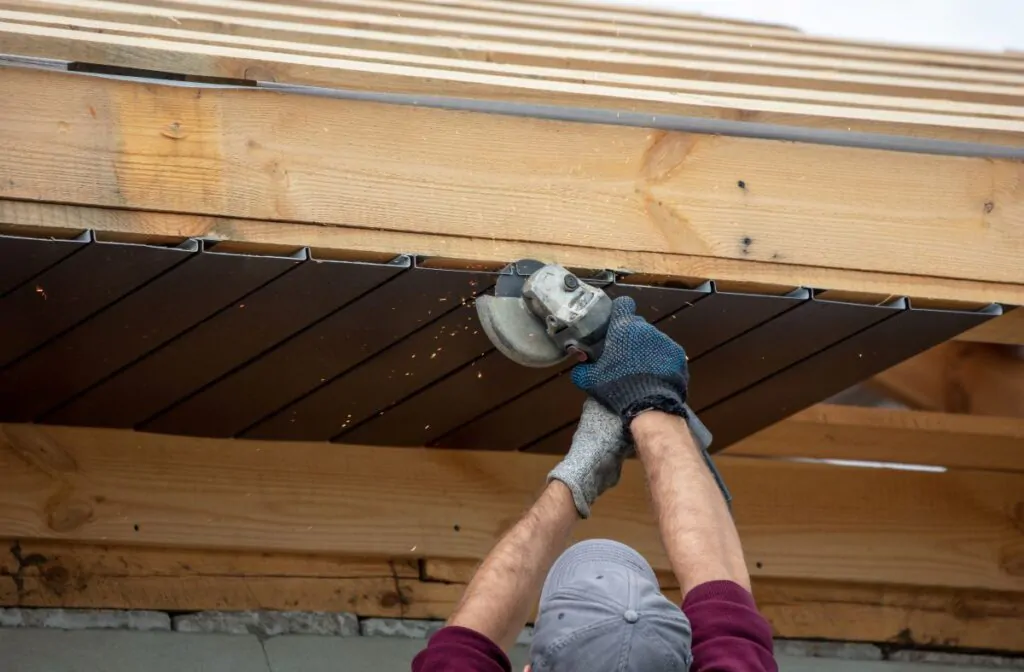
How Soffit and Fascia Damage Spreads: The Bigger Picture
Soffit problems rarely stay contained to the soffit itself. Understanding how soffit and fascia damage spreads helps homeowners appreciate why prompt action matters so much. The roofline is an interconnected system, and weakness in one component puts pressure on everything around it.
The Moisture Chain Reaction
When water penetrates a damaged soffit, it does not stop there. It wicks into the fascia boards running along the top edge of the soffit, then can reach the drip edge, the roof decking, and eventually the rafters themselves. Wood rot spreads through contact, so a small entry point can lead to wide-scale structural deterioration over a single winter. In Peoria Heights and surrounding areas, homes dealing with ice dams face an especially compressed timeline, since water pooling behind ice can push directly into compromised soffits and fascia boards simultaneously.
Poor Attic Ventilation and Its Consequences
The attic relies on a balanced flow of air: cool outside air enters through the soffit vents and exits through ridge or gable vents at the top. When soffit vents are damaged, blocked, or missing, that airflow is disrupted and poor attic ventilation becomes a year-round problem. In summer, heat builds up and drives up cooling costs. In winter, warm humid air from the living space has nowhere to escape, which leads to moisture buildup on the roof deck and potential mold growth inside the attic. What starts as a soffit issue becomes an energy efficiency and indoor air quality concern.
Clogged Gutters and the Fascia Repair Process
Soffits and gutters work together along the eave line. When clogged gutters overflow or pull away from their hangers, that water runs back onto the soffits and wood fascia repeatedly. Over time, even materials that started in good condition deteriorate from that constant exposure. If the fascia repair process is needed, it often traces back to a gutter problem that was left unresolved. Addressing soffit repair without also evaluating the gutter system is a short-term fix that leads to recurring damage.
Soffit Materials: What You Have and What It Means for Repairs
Not all soffits are created equal. The material your soffits are made from affects how they fail, how quickly damage spreads, and what the repair or replacement process looks like. Knowing your material type helps you set the right expectations when speaking with a contractor about fascia repair services or full soffit replacement.
Wood Soffit
Older homes, particularly those built before the 1980s, commonly feature wood soffit construction. Wood is beautiful and traditional, but it is the most vulnerable to moisture and rot. Once a wood soffit begins to deteriorate, the damage spreads quickly and full replacement sections are often required rather than simple patching, especially when the adjacent wood fascia has been affected.
Aluminum Soffits
Aluminum became popular as a low-maintenance alternative to wood. It does not rot and resists insects, but it can dent, develop small holes over time, and the paint finish can oxidize and peel. Aluminum replacement soffit panels are often easier and more affordable to install in sections, and exterior caulk is typically used to seal any gaps at the joints or where panels meet the exterior wall.
Vinyl Soffit
Vinyl soffit is the most common material in newer construction and modern re-siding projects, frequently installed alongside vinyl siding for a cohesive exterior look. It is lightweight, moisture-resistant, and available in vented and non-vented styles. Vinyl can crack in extreme cold, warp under intense heat exposure, and become brittle with age, but repairs and replacements are generally straightforward.
Fiber Cement Soffits
Increasingly popular for its durability and resistance to both moisture and insects, fiber cement offers a longer service life than wood or vinyl. It is heavier and requires proper installation and exterior caulk at seams to perform well, but when maintained correctly it holds up exceptionally against the weather patterns that homeowners in this region regularly experience.
Regardless of the material, routine inspection and prompt attention to early warning signs are the most effective strategies for extending the life of any soffit system.
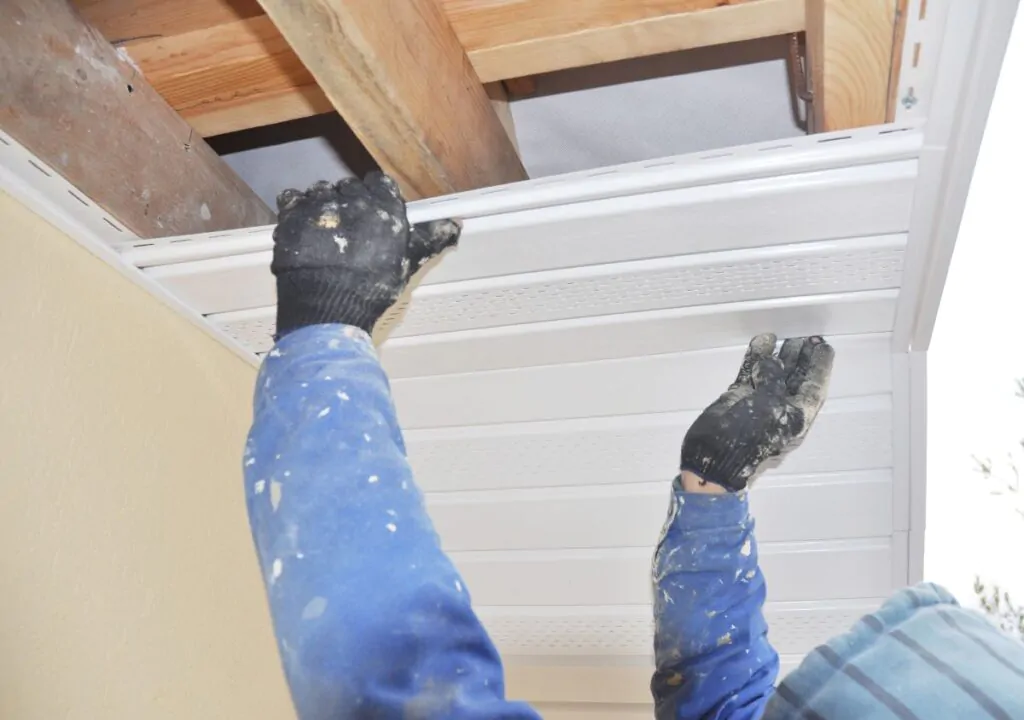
Take Action Before Small Problems Become Big Repairs
Soffit damage does not wait for a convenient time to become serious. What starts as a few cracked soffit panels or peeling paint can escalate into rafter rot, attic mold, and pest infestations if left unaddressed through even one difficult season. The warning signs covered in this guide are your early notification system, and the homeowners who act on them quickly are the ones who avoid the larger repair bills. ROOF TIGER has helped countless homeowners across Peoria Heights and surrounding areas catch and correct soffit and fascia damage before it reached critical stages, and we bring that same thorough approach to every exterior inspection and fascia repair service we provide. If you have noticed any of the warning signs described here, do not wait to get an expert set of eyes on your roofline. Contact us today to schedule your inspection and get ahead of the damage before it gets ahead of you.

Ferocious Roofing

They are extremely professional and responsive, made some great suggestions along the way, and handled every little issue that came up without complaint.
Vince B

