


What Is a Hip Roof? Design, Pros & Cons Explained
When it comes to choosing the right roof for your home, the shape you select affects far more than curb appeal. A hip roof is one of the most popular and time-tested designs in residential construction, and for good reason. Whether you are building a new home or exploring a roof replacement, understanding how this style works can help you make a smarter, more informed decision with help from experienced roofing professionals.
What you’ll learn in this post:
- What a hip roof is and how it differs from other roof types
- The key structural components that make it work
- The most significant advantages and potential drawbacks
- How climate and region affect whether a hip roof is right for your home
- Design variations that expand your options
Why a Hip Roof Deserves Your Attention
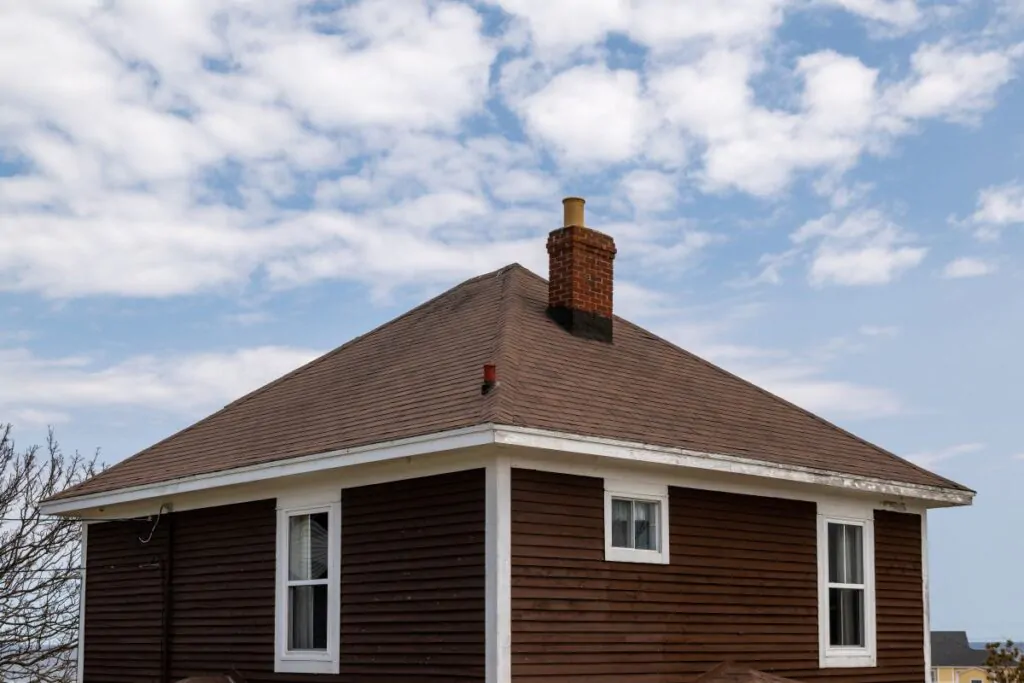
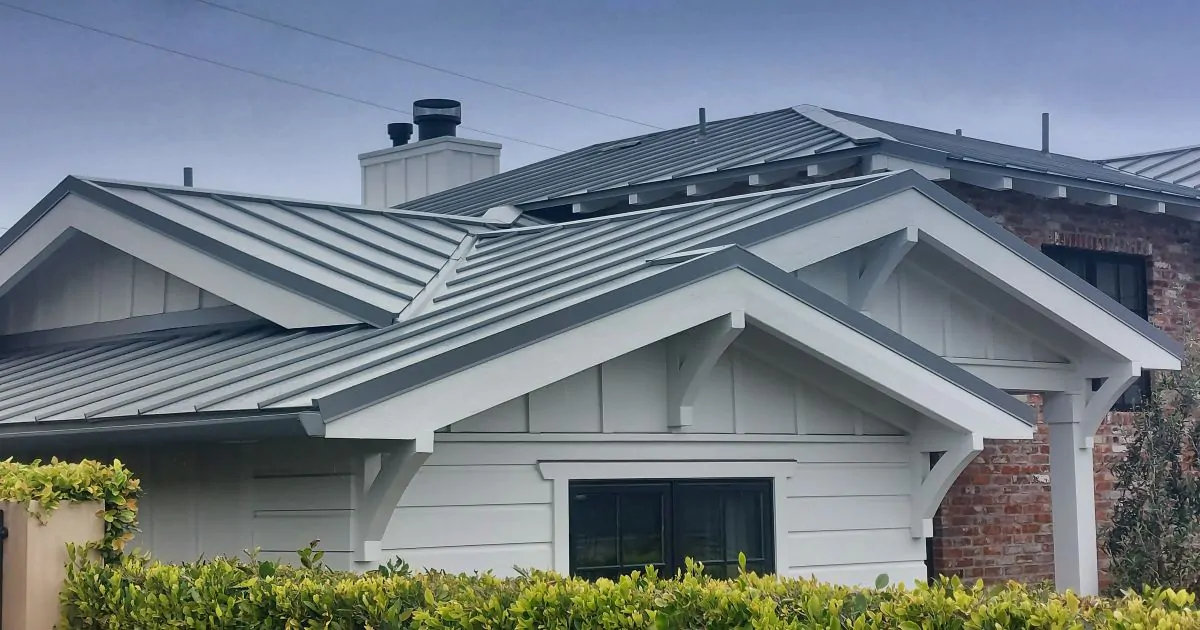
Homeowners across Bartonville and surrounding areas have long turned to hip roofs for their unique combination of durability and design versatility. Unlike a gable roof, which features vertical ends and two sloping sides, a hip roof has four sloping sides that all angle downward toward the walls, creating a self-bracing structure with no exposed vertical ends. That distinction matters more than most homeowners realize.
Understanding why this design remains so popular helps explain why it continues to be one of the top choices for a new roof in both new construction and full replacements.
- Wind resistance: The inward slope on all four sides allows wind to travel up and over the roof rather than catching a flat surface, significantly reducing uplift pressure during high winds or harsh weather conditions.
- Water drainage: Because every face of the roof slopes downward, rainwater and melting snow shed evenly in all directions, lowering the risk of pooling or ice damming — a major advantage in snowy areas.
- Structural integrity: The self-bracing nature of the design distributes weight more evenly across the walls of the home, contributing to long-term stability without needing as much diagonal bracing as other styles.
- Aesthetic appeal: A hip roof complements a wide variety of architectural styles, from craftsman bungalows to modern farmhouses, making it a flexible choice for nearly any home design.
These advantages are not theoretical. They translate directly into real-world performance that homeowners notice season after season, especially in regions that see severe weather.
5 Core Components of a Hip Roof
A hip roof looks deceptively simple from the outside, but it is made up of several distinct structural elements that work together to give it strength and shape. Each component plays a specific role, and understanding them helps homeowners communicate more clearly with contractors and make better decisions during the planning process.
1. Ridge
The central ridge is the horizontal peak at the very top of the roof where the two longest sloping faces meet. It runs lengthwise down the center of the structure and serves as the backbone of the entire roof. The length of the ridge is shorter on a hip roof than on a gable roof because the ends slope inward instead of rising straight up with vertical ends.
2. Hip Rafters
Hip rafters run diagonally from the corners of the building up to the ends of the ridge. These are among the most structurally important members of a hip roof because they bear a significant portion of the roof load and define the external angle at each corner that gives this style its name. Proper sizing and installation of hip rafters is critical to the overall performance of the roof.
3. Common Rafters
Common rafters run perpendicular from the top wall plates up to the ridge. They are evenly spaced along both sides of the roof and carry the roofing material load. On a hip roof, common rafters are flanked on each end by the sloping hip sections, meaning they do not reach from one end of the building to the other in the same way they would on a gable roof.
4. Jack Rafters
Jack rafters fill in the space between the hip rafters and the top wall plate on the sloped end sections. They are shorter than common rafters and run parallel to them, tapering in length as they approach the corner. Jack rafters are what give each hip end its smooth, continuous slope and ensure the roof planes meet cleanly at every angle.
5. Fascia and Eaves
The fascia board runs along the lower edge of the roof and supports the bottom of the roofing material as well as the gutters. On a hip roof, the eave overhang extends around all four sides of the building, which is one of the defining visual features of this style. This continuous overhang provides additional protection to the siding and foundation by directing water well away from the structure.
Together, these five components create a system that is mechanically sound and visually cohesive. Understanding them gives you a clearer picture of what goes into building or repairing a hip roof correctly.
Hip Roof Variations Worth Knowing
Not every hip roof looks the same. Builders and designers have developed several variations over the years that offer different aesthetics and functional benefits. Homeowners in Bartonville and surrounding areas often encounter these options when planning a new build or major renovation, and knowing the differences helps you choose the right fit for your property.
Simple Hip Roof
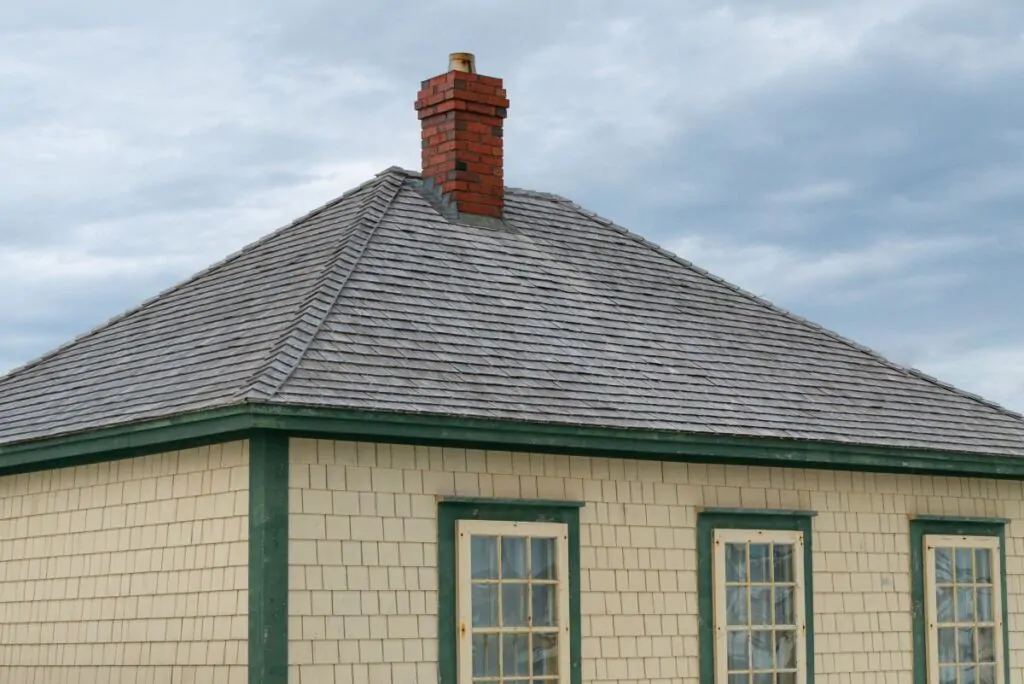
The most common hip roof form, featuring four sloping sides of equal pitch that meet at a single central ridge. This classic version works well on a rectangular structure of nearly any size and is what most people picture when comparing hip and gable roofs. It is straightforward to build and performs reliably across a wide range of climates.
Pyramid Hip Roof
On a square structure, all four sides slope upward to meet at a single peak rather than a ridge — creating what is often called a pyramid roof or tented roof. The result is visually striking and extremely aerodynamic. This variation is particularly well suited to smaller structures like garages, accessory dwelling units, or cottage-style homes.
Cross-Hipped Roof
When a home has an L-shaped or T-shaped floor plan, two hip roof sections intersect to create a cross-hipped configuration with hip and valley lines. A valley forms at the intersection, and additional flashing is required to keep that joint watertight. This variation adds architectural complexity and visual interest but requires careful installation to perform well over time.
Half-Hip (Jerkinhead) Roof
The half-hip, also known as a jerkinhead roof or clipped gable, starts as a gable roof but clips the triangular vertical ends, converting them into small hip sections. The result blends the better ventilation and more attic space of a gable with the wind performance of a hip. It is a practical compromise for homeowners who want extra living space potential but still want the added stability that comes from angled end sections.
Dutch Gable Roof
A dutch gable roof — sometimes called a dutch hip — places a small gable at the top of each hip end, just below the ridge. The small gable adds natural light potential through a window and provides a bit more attic space compared to a standard hip. It is a popular choice when homeowners want the wind resistance of a hip combined with the character and ventilation advantages of a gable.
Each of these variations has its place depending on the home’s footprint, the local climate, and the desired aesthetic outcome. A qualified roofing contractor can help you identify which variation best aligns with your goals.
Weighing the Pros and Cons
No roof style is universally perfect for every home, and a hip roof is no exception. Homeowners across Bartonville and surrounding areas benefit from understanding both the strengths and the limitations before committing to this design.
Advantages
- Exceptional wind performance: The aerodynamic profile reduces wind load and discourages uplift, making hip roofs a preferred choice in hurricane and extreme wind zones where roof pitch and shape are critical.
- Consistent drainage: Four-sided sloping means water never sits on one area for long, extending the life of roofing materials and reducing leak risk.
- Covered eaves on all sides: The continuous eave overhang shields exterior walls and windows from direct rain exposure, reducing moisture intrusion over time.
- Strong resale value: Hip roofs are associated with quality construction and tend to appeal to buyers, which can be a meaningful factor in competitive real estate markets.
Potential Drawbacks
- Higher construction cost: More complex framing with hip rafters and jack rafters requires more roofing materials and skilled labor compared to a simple gable roof.
- Less attic space: The inward slopes from all four sides limit the usable volume beneath the roof, which can affect storage capacity or the feasibility of a finished attic compared to roof designs with vertical ends.
- More complex repairs: The diagonal hip lines and multiple roof planes create more opportunities for leaks at joints and valleys, especially if the original installation was not done properly.
- Ventilation challenges: Because there are no vertical ends with gable vents, hip roofs require more deliberate planning around ridge vents and soffit vents to achieve proper airflow.
Weighing these factors honestly against your home’s location, your budget, and your long-term plans helps ensure that the style you choose will serve you well for decades. A knowledgeable contractor will walk you through these trade-offs so you are never left guessing.
The Right Roof Starts With the Right Team
A hip roof is a smart, time-tested investment for homeowners who want a combination of strength, drainage performance, and lasting curb appeal. Whether you are comparing hip roofs against other roof styles for a new build, replacing an aging system, or simply trying to understand what is already above your head, the right information makes all the difference. Homeowners throughout Bartonville and surrounding areas trust ROOF TIGER to provide honest guidance, quality workmanship, and transparent communication from the first inspection to the final nail. If you are ready to take the next step, contact us today to schedule a consultation and get expert answers tailored to your home.

Ferocious Roofing

They are extremely professional and responsive, made some great suggestions along the way, and handled every little issue that came up without complaint.
Vince B

