


Roof Leak Repair: 6 Common Causes & Fixes
If you’ve found yourself dealing with a leaky roof, you’re not alone. Roof leaks can happen to anyone and can lead to significant damage if left unattended, from water stains on ceilings to structural issues in your home. Understanding the root causes of roof leaks and knowing how to address them is essential for homeowners.
This article breaks down the most common causes of roof leaks and provides actionable solutions. You’ll also learn how to do roof leak repair yourself in 6 simple steps. By mastering these temporary fixes and preventative practices, you can safeguard your home from further damage while you schedule permanent repairs with a professional.
Key Takeaways
- Common Causes: The post identifies common culprits requiring roof leak repair, such as worn flashing, damaged shingles, cracked seals, and clogged gutters.
- The 6-Step Fix: A simple 6-step DIY process is provided to complete the roof leak repair, starting with locating the source and ending with testing the patch.
- The Vitals: Accurate roof leak repair begins with detecting the leak’s source by checking both interior signs (stains, drips) and exterior failure points (flashing and penetrations).
- The Shingle Fix: Permanent roof leak repair often involves replacing damaged shingles, securing them with nails, and applying roofing cement for a waterproof seal.
- Prevention: The best defense against needing future roof leak repair is scheduling regular inspections and consistent gutter maintenance.
Common Causes of Roof Leaks

Roof leaks can cause significant damage to your home if not addressed quickly. Identifying the source of the problem is crucial to fixing it effectively and preventing further issues. A variety of factors can contribute to roof leaks, some of which might not be immediately obvious. Below are some of the most common culprits that can be solved with a roof leak repair and tips on how to address them.
- Worn-out Flashing: Flashing seals roof joints and prevents leaks but can crack or corrode over time. Look for exposed seams or cracks around chimneys, vents, or skylights. Reseal or replace damaged flashing to protect your home.
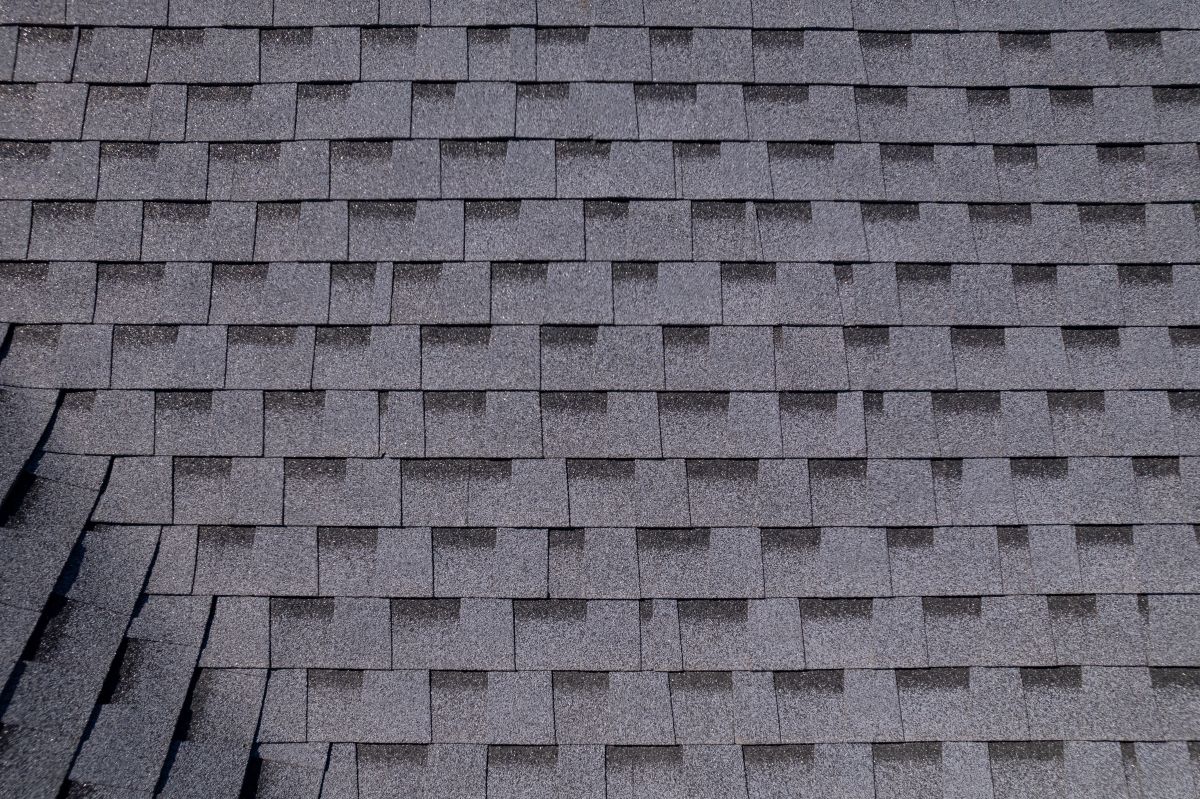
- Broken or Missing Shingles: Severe weather can damage or dislodge shingles, exposing your roof to water infiltration. Check for missing or cracked shingles from ground level and replace them promptly. If the damage is too extensive, or if you need help with the overall how to shingle a roof process, contact our team for assistance.
- Clogged Gutters: Blocked gutters cause water to pool and seep into your roof. Watch for overflowing gutters or standing water near the foundation. Regularly clean gutters to ensure proper water drainage.
- Cracked Seals Around Roof Penetrations: Roof penetrations like vents or chimneys can develop worn seals, leading to leaks. Check for water stains near these areas and reapply caulk or replace seals if needed.
6 Steps to Fix a Roof Leak Yourself

While professional help is always recommended for serious issues, minor leaks can often be repaired with the right tools and a little know-how. Follow our simple 6-step process for a successful roof leak repair.
1. Locate the Leak
Finding the exact spot of the leak is the first and most important step during a roof leak repair. Start by inspecting the inside of your home for visible signs of water damage, such as water stains on ceilings or walls, peeling paint, or dripping water. Once you’ve identified the general area indoors, move outside to inspect your roof. Look for obvious signs of damage, such as missing or cracked shingles, worn-out flashing around vents or chimneys, or clogged gutters that may be causing water to back up. Paying close attention to both the interior and exterior will help you accurately locate the source of the leak.
2. Clear the Area
Before making a roof leak repair, it’s essential to clean the area around the leak thoroughly. Remove any debris such as leaves, twigs, moss, or dirt from the roof. This ensures that the surface is clean and smooth, which is necessary for achieving a proper seal and long-lasting repair. Use a stiff brush or a broom to clear away loose material, and make sure the area is completely dry before moving forward to avoid trapping moisture under your repairs.
3. Patch or Replace Damaged Shingles
If you find broken or missing shingles, you’ll need to replace them. Carefully lift up the damaged shingles with a pry bar, taking care not to damage the surrounding ones. Remove any nails holding the broken shingle in place, and slide a new shingle into position. Secure the new shingle with roofing nails and apply roofing cement to seal the edges. This will help protect your roof from future leaks and ensure the new shingles stay firmly in place even during bad weather. It’s always better to have the right roofing tools for this kind of roof leak repair
4. Seal Cracks in Flashing or Roof Penetrations
Flashing around roof penetrations like vents, chimneys, or pipelines is a common source of leaks. Carefully examine the flashing for cracks, gaps, or signs of wear and tear. Use a high-quality roofing caulk or sealant to fill in any cracks or gaps. Squeeze the caulk into the affected area and press it in firmly, then smooth it out with a putty knife or finger to ensure it adheres evenly. This step is critical during a roof leak repair for sealing off areas where water can seep through.
5. Apply a Waterproof Patch for Larger Leaks
If the damage is more extensive, a waterproof patch kit may be necessary. These kits typically include a durable fabric or material that adheres to your roof to create a watertight seal. Cut the patch to the appropriate size, ensuring it completely covers the damaged area with extra room around the edges. Apply the adhesive according to the manufacturer’s instructions, press the patch firmly into place, and smooth out any air bubbles. This roof leak repair method creates an extra layer of protection for larger leaks and can withstand exposure to the elements.
6. Test Your Repair
Once you’ve completed the roof leak repair, it’s essential to test it to ensure the leak has been fully sealed. Use a garden hose to simulate rain by spraying water over the repaired area for several minutes. Check the interior of your home to confirm that no water is getting through. If no leaks are detected, you’ve successfully fixed the issue. If water persists, you may need to recheck your repair or address additional damage you may have missed.
Preventing Roof Leaks

Once you’ve completed your current roof leak repair, it’s important to take steps to prevent future ones. These simple maintenance practices can save you time, money, and stress down the line.
Regular Inspections
Schedule roof inspections at least twice a year, ideally in the spring and fall, to catch any seasonal damage. Additionally, always inspect your roof after major storms, as strong winds, heavy rain, or hail can cause significant wear and tear. Early detection of leaks, cracks, or missing shingles can save you from more expensive repairs down the line. Hiring a roofing contractor for these inspections ensures that nothing is overlooked.
Gutter Maintenance
Clean and maintain your gutters regularly to ensure water flows away from your roof and foundation effectively. Clogged gutters can lead to water pooling on your roof, causing leaks or even structural damage over time. Make it a habit to clear out leaves, twigs, and other debris, particularly during the fall when gutters tend to fill up quickly. Installing gutter guards can also help reduce the frequency of cleaning by keeping larger debris out.
Trimming Overhanging Branches
Tree branches hanging over your roof can create multiple problems. Debris like leaves and twigs can accumulate on your roof, leading to moisture buildup and potential mold growth. Overhanging branches also pose a risk of falling during storms, which could damage your roof or even puncture it. Regularly trimming back these branches minimizes these risks and keeps your roof clean and safe. Additionally, it reduces the likelihood of pests like squirrels or rodents using the branches as pathways to your roof.
Invest in Quality Roofing Materials
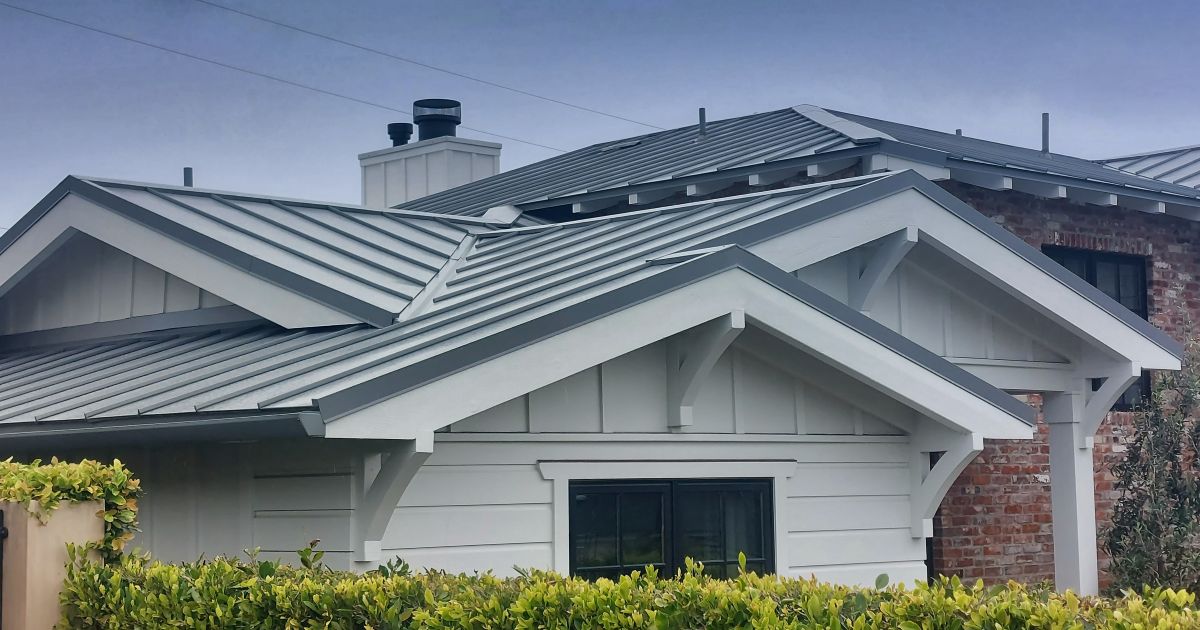
When it comes to roof leak repair or replacing your roof, choosing high-quality, durable materials is essential. Opt for options like architectural shingles, metal roofing, or tiles designed to withstand harsh weather conditions, such as heavy snow, high winds, or intense heat. While higher-quality materials may come with a higher upfront cost, they often last longer and require less maintenance, saving you money in the long term. Consult with a professional roofer to find materials best suited to your climate and home’s needs.
Repair vs. Replace
When faced with a roof leak repair, the decision to patch or fully replace often comes down to a financial tipping point. It is tempting to choose the repair, but the long-term financial impact of small fixes can quickly exceed the cost of a new system.
- When to Repair: Roof leak repair is cost-effective if the roof is young (under 15 years old) and the damage is isolated to a small area (a single penetration, cracked flashing, or a few missing shingles). The repair should be viewed as a means of extending the existing system’s life.
- When to Replace: Replacement is the smarter choice if the roof is old (over 20 years), has widespread damage, or suffers from chronic leaks in multiple areas. Continual small roof leak repair jobs on an aging system often become more expensive than the average cost of a new installation within a few years.
- Financial Impact of Leaks: Beyond the cost of shingles, a leak leads to severe expenses from hidden damage. Chronic moisture penetration promotes mold growth and compromises insulation, driving up future mold remediation and utility bills. Investing in a replacement often eliminates these hidden, ongoing costs entirely.
Roof Leak Solutions
At ROOF TIGER, we understand that your roof is more than just a structure—it’s your home’s first line of defense. With our unmatched expertise, customer-first approach, and comprehensive services, we’re committed to delivering roofing solutions you can count on. Whether it’s a minor roof leak repair or a complete roof replacement, our skilled professionals ensure quality work that stands the test of time.
Don’t wait for small issues to turn into costly repairs—trust the team at ROOF TIGER to keep your roof strong and secure. Schedule your free roof inspection today and experience the peace of mind that comes with working with experts who put your needs first!


Ferocious Roofing

They are extremely professional and responsive, made some great suggestions along the way, and handled every little issue that came up without complaint.
Vince B

