


Cedar Siding: Pros, Cons & What It Really Costs
If you are thinking about upgrading your home’s exterior, cedar siding is one of the most talked-about options on the market, and for good reason. It offers a natural beauty that is hard to replicate with manufactured materials, combining rich grain patterns, warm tones, and a timeless character that elevates nearly any architectural style. But before you commit, it helps to understand exactly what you are signing up for, from upfront cost factors to long-term maintenance realities. Homeowners in Normal and surrounding areas who are exploring their exterior cladding options will find that a clear, honest breakdown of what cedar truly delivers makes the decision much easier.
What you’ll learn:
- The key reasons cedar siding remains popular among homeowners
- The main styles and finishes available and how they affect design outcomes
- How cedar compares to other siding materials on cost, durability, and upkeep
- What real installation costs look like in today’s market
- The environmental benefits of choosing natural wood siding
- How to decide if cedar is the right fit for your home
Why Cedar Siding Still Earns Its Place on Modern Homes
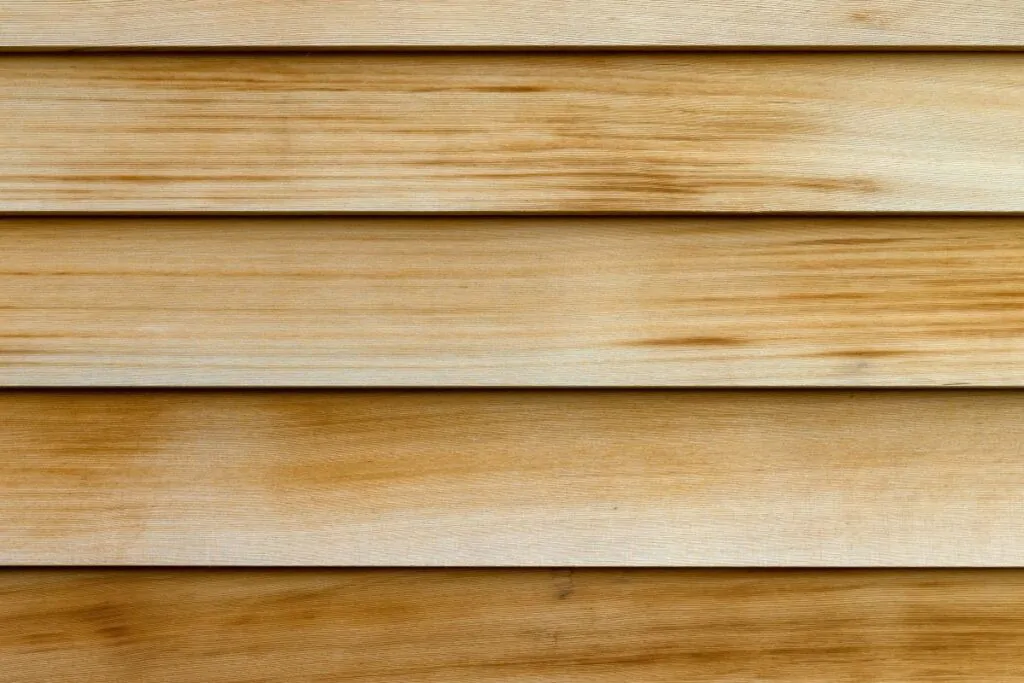
Cedar has been used in residential construction for centuries, and it has not lost its appeal. In a world full of vinyl and fiber cement alternatives, natural wood siding still commands attention for reasons that go beyond surface-level aesthetics. Homeowners who choose cedar are investing in a durable wood that performs well when properly maintained and adds genuine character that no engineered product fully replicates.
There are several distinct advantages that keep cedar relevant in today’s market:
- Natural beauty and design flexibility: The rich grain, warm reddish-brown tones, and varied texture of western red cedar give homes a warmth and depth that synthetic materials simply cannot match. Cedar accepts stain, paint, and natural weathering finishes equally well, making it one of the most design-flexible cladding options available.
- Natural insulating properties: Cedar contains air pockets within its grain structure that provide a modest but real thermal benefit, helping reduce energy transfer through your walls.
- Dimensional stability: Compared to other wood species, cedar is less prone to warping, shrinking, and swelling, which means it holds its shape through seasonal temperature changes better than many alternatives.
- Naturally resistant to decay and insects: Cedar contains natural oils that act as a built-in preservative, making it inherently more resistant to rot and insect damage without the need for chemical treatment.
These advantages make cedar a strong contender for homeowners who are willing to invest time and money into their exterior. That said, the full picture includes some challenges that deserve equal attention before you make a final decision.
5 Things You Need to Know About Cedar Siding
Cedar is not a one-size-fits-all solution. Understanding its nuances will help you make a smarter choice and avoid surprises after installation. Here are five essential factors every homeowner should consider.
1. Style and Finish Options Are Broader Than Most Homeowners Expect
Cedar siding is not a single product; it is a family of profiles and finishes that can serve a wide range of design preferences, from traditional colonial to clean modern design. Cedar bevel siding, also called lap siding or clapboard, features tapered boards installed horizontally in overlapping rows and remains one of the most widely recognized residential profiles in North America. Shiplap uses boards with notched edges that fit flush together for a contemporary, streamlined look. Board and batten combines wide vertical boards with narrow strips covering the seams, creating a bold farmhouse or craftsman aesthetic. Channel rustic and tongue-and-groove profiles provide additional options for accent walls, covered porches, and mixed-material facades.
- Cedar bevel siding and lap siding suit both traditional and transitional home styles
- Board and batten works especially well on taller facades and modern design exteriors
- Tongue-and-groove is a popular choice for porch ceilings and feature gables
- Finishes range from factory-primed and painted to natural stain, weathered gray, and clear-sealed natural wood
2. Cedar Requires Consistent Maintenance
This is where many homeowners are caught off guard. Unlike vinyl or fiber cement, cedar demands regular attention to stay in good condition. Without proper care, even naturally resistant wood siding will gray, crack, and eventually rot. Painting or staining cedar typically needs to be repeated every three to five years depending on climate, sun exposure, and the quality of the coating originally applied. In Normal and surrounding areas, where temperatures swing significantly between seasons, this timeline can trend toward the shorter end. Budgeting for ongoing maintenance is not optional with cedar; it is a core part of ownership.
- Inspect your cedar annually for cracks, peeling finish, or soft spots indicating moisture infiltration
- Semi-transparent stains generally perform better on cedar than solid paints, as they allow natural wood to breathe and release moisture
- Addressing small issues early prevents expensive repairs or full board replacement down the line
3. Cost Factors Vary More Than the Price Tags Suggest
Cedar siding typically costs more to purchase and install than vinyl or engineered wood, but the final number is shaped by several variables worth understanding before you budget. Material costs for western red cedar generally range from $4 to $9 per square foot, while installation labor adds another $3 to $6 per square foot depending on project complexity and regional pricing. For an average 1,500 square foot home, total installed costs often fall between $10,000 and $22,500 or more. Key cost factors include the profile selected, the grade of lumber, the waste factor on complex rooflines, and whether old siding needs to be removed first. Eastern White Cedar tends to be more affordable than western red cedar but is less widely available in many markets.
- Higher-grade, clear cedar costs significantly more than knotty or rustic-grade boards
- Complex architecture with dormers, multiple stories, or irregular angles increases labor costs
- Factory-primed cedar carries a higher upfront cost but can reduce the labor needed for finishing on site
4. Durability Depends on Moisture Management as Much as the Wood Itself
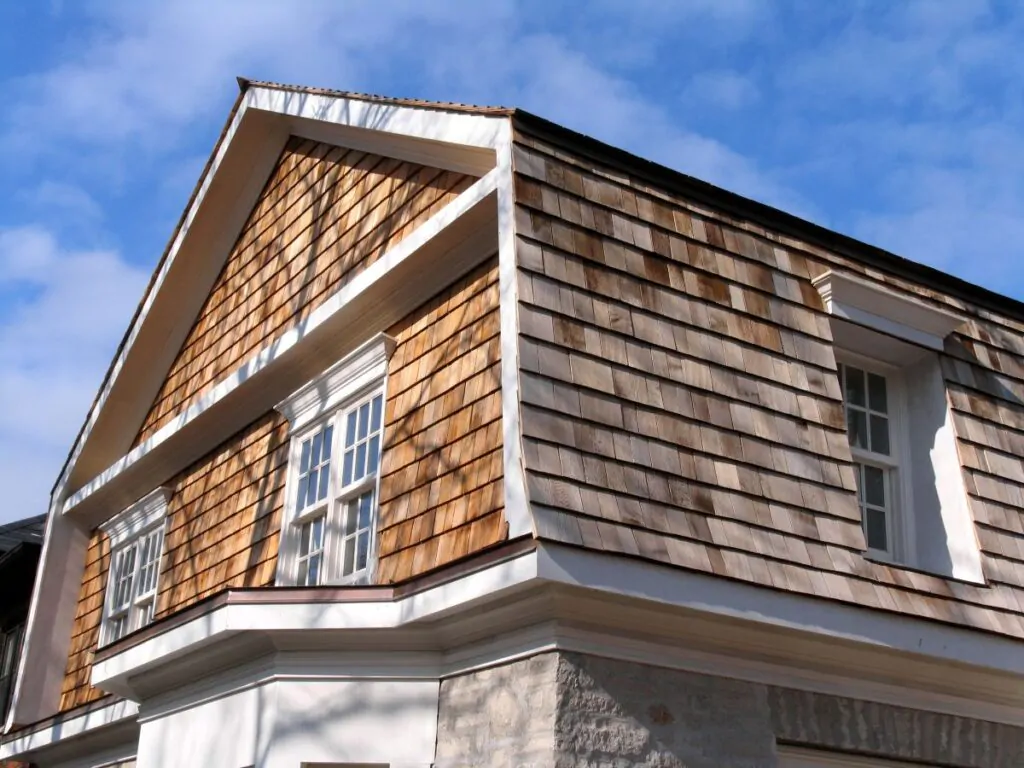
Wood and moisture are not natural friends, and cedar is no exception. While cedar’s natural oils give it an advantage over untreated wood species, prolonged moisture exposure will break down even the best wood siding over time. Proper installation technique matters enormously here. This means leaving a small gap between boards for drainage, ensuring an adequate house wrap or weather-resistant barrier is in place beneath the siding, and keeping the bottom course elevated above grade or roof flashing. Gutters that are clean and functioning correctly also play a major role in protecting cedar siding by directing water away from the wall assembly. Homeowners in Normal and surrounding areas should pay particular attention to north-facing walls, where shade keeps surfaces damp longer.
- Ensure all window and door penetrations are properly flashed before cedar goes on
- Caulk joints at trim intersections and openings with a high-quality, paintable exterior sealant
- Never let soil or mulch pile against cedar siding at the foundation line
5. Sustainability Is One of Cedar’s Most Underappreciated Strengths
Cedar is a natural, renewable resource, and when sourced responsibly, it carries a significantly lower environmental footprint than most manufactured siding alternatives. Western red cedar sourced from sustainably managed forests carries certification from bodies like the Forest Stewardship Council (FSC), which verifies responsible harvesting practices and forest regeneration. Compared to fiber cement or vinyl, natural wood siding scores well on embodied energy (the energy consumed during manufacturing) and at the end of its life, cedar is fully biodegradable rather than destined for a landfill. Homeowners who value environmental responsibility will find cedar a genuinely compelling option when the source is verified.
- Look for FSC-certified western red cedar when sourcing through your contractor or supplier
- Cedar production generates far fewer industrial byproducts than PVC-based vinyl siding manufacturing
- The longevity of well-maintained cedar reduces the frequency of full replacement, lowering the material’s overall environmental impact over a home’s lifetime
How Cedar Compares to Other Popular Siding Materials
Choosing siding means weighing cedar against the alternatives across cost, durability, maintenance, and aesthetics. Each material has a different risk and reward profile, and the right choice depends on your priorities as a homeowner.
Cedar vs. Vinyl Siding
Vinyl is the dominant siding material in the United States largely because of its low cost and near-zero maintenance requirements. It does not need painting, does not rot, and resists insect damage completely. However, vinyl does not approach cedar’s natural beauty and can look noticeably synthetic on higher-end homes. It is also less dimensionally stable in extreme temperatures and can crack when struck in cold weather. For homeowners who prioritize authentic natural wood aesthetics and are willing to invest in upkeep, cedar is typically the more satisfying long-term choice.
Cedar vs. Fiber Cement Siding
Fiber cement, popularized by brands like James Hardie, offers a compelling middle ground. It mimics wood grain reasonably well, resists moisture and insects, and requires repainting only every 10 to 15 years. It is generally less expensive than cedar on a material basis, though installation costs are comparable due to its weight and cutting requirements. Fiber cement lacks the warmth and authenticity of real wood, which matters to many homeowners pursuing a traditional, rustic, or artisan aesthetic.
Cedar vs. Engineered Wood Siding
Engineered wood products like LP SmartSide use wood strands bonded with adhesive resins and preservative treatments to approximate the look of real wood at a lower price point. Engineered wood performs well in moisture-prone environments and carries strong manufacturer warranties. Real cedar still edges it out on natural character and on the premium quality feel it adds to a home’s exterior, particularly when combined with thoughtful stain or finish choices.
Is Cedar Siding Right for Your Home?
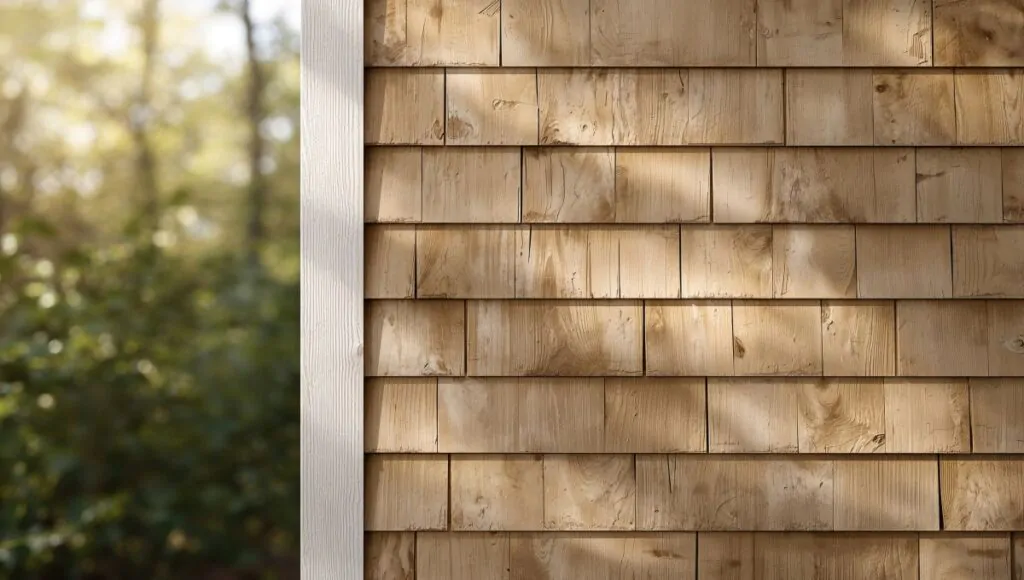
Making the decision comes down to three honest questions: Are you prepared for consistent maintenance? Does your budget support the higher upfront investment? And is the natural beauty of real wood siding a priority for your exterior? If you answered yes to all three, cedar is likely a strong fit. If maintenance flexibility or lower cost is your primary concern, a fiber cement or engineered wood product may serve you better in the long run. Many homeowners in Normal and surrounding areas find that cedar works beautifully on portions of the home, such as accent gables, covered porches, or feature walls, even when a lower-maintenance product covers the remainder of the facade.
Ready to Go Cedar? Let’s Talk.
Cedar siding is a meaningful investment, and the quality of installation matters just as much as the material itself. ROOF TIGER works with homeowners throughout the region to evaluate their options, provide honest assessments, and deliver exterior work that holds up over time. Whether you are committed to cedar or still comparing it against other wood siding options, getting a professional perspective before you buy is always worth your time. Reach out and contact us today to schedule a consultation and get the information you need to make a confident decision for your home.

Ferocious Roofing

They are extremely professional and responsive, made some great suggestions along the way, and handled every little issue that came up without complaint.
Vince B

