


Flat Roof Installation (What to Expect & Common Mistakes)
If you’re a property owner in Wake Forest, NC and surrounding areas, planning for a flat roof installation can feel overwhelming—especially when it’s your first time navigating the process. Whether you’re replacing an old roof or building new, choosing the right materials, layout, and contractor matters more than you might think. Flat roofs offer modern aesthetics, usable space, and easier maintenance, but only when installed properly.
To better understand what you’re signing up for, it’s worth learning what the installation process entails and where mistakes often happen. You can explore some important details by browsing how systems are designed for certain structures.
In this guide, you’ll learn:
- Why flat roofs are popular for homes and commercial buildings
- The complete installation process, step by step
- Costly pitfalls you can avoid with the right planning
- Tips to make your flat roof last longer
- When to bring in professionals for help
Why Flat Roofs Are a Smart Choice
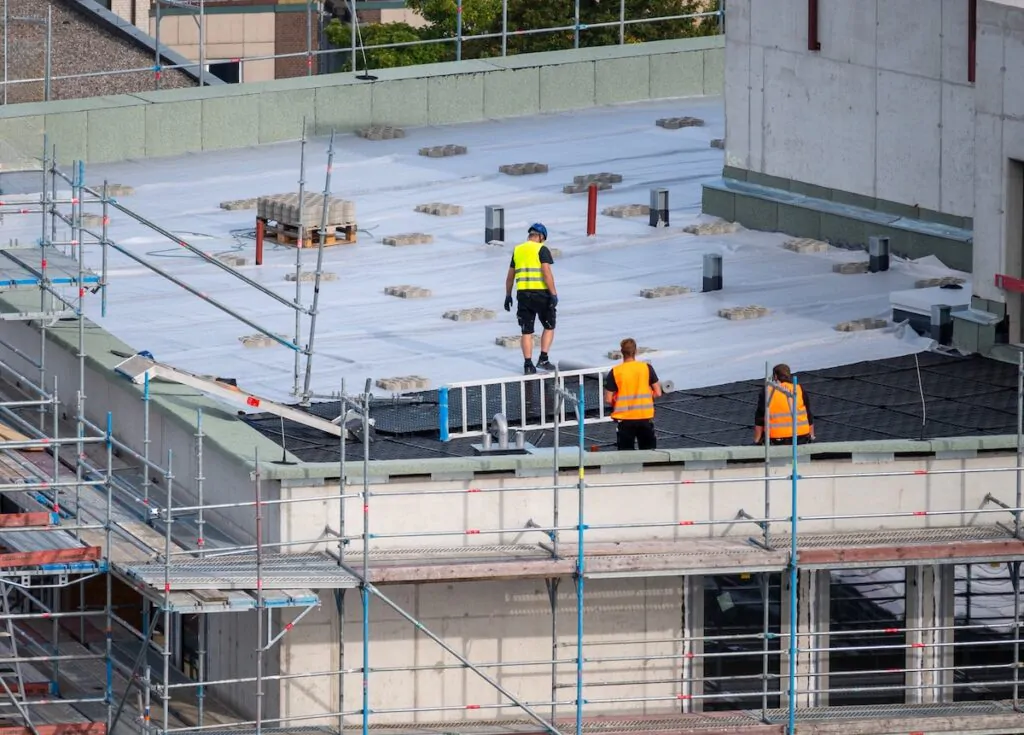
A properly installed flat roof can offer long-term performance and flexibility that sloped systems often can’t match. Flat roofs aren’t just for commercial buildings anymore—they’re increasingly being chosen for modern residential builds throughout Wake Forest, NC and surrounding areas. Here’s why they stand out:
- Cost Efficiency: Flat roofs typically require less material and labor, making them more affordable to install than pitched alternatives.
- Easier Maintenance: With better accessibility, flat roofs are simpler and safer to inspect, clean, and repair.
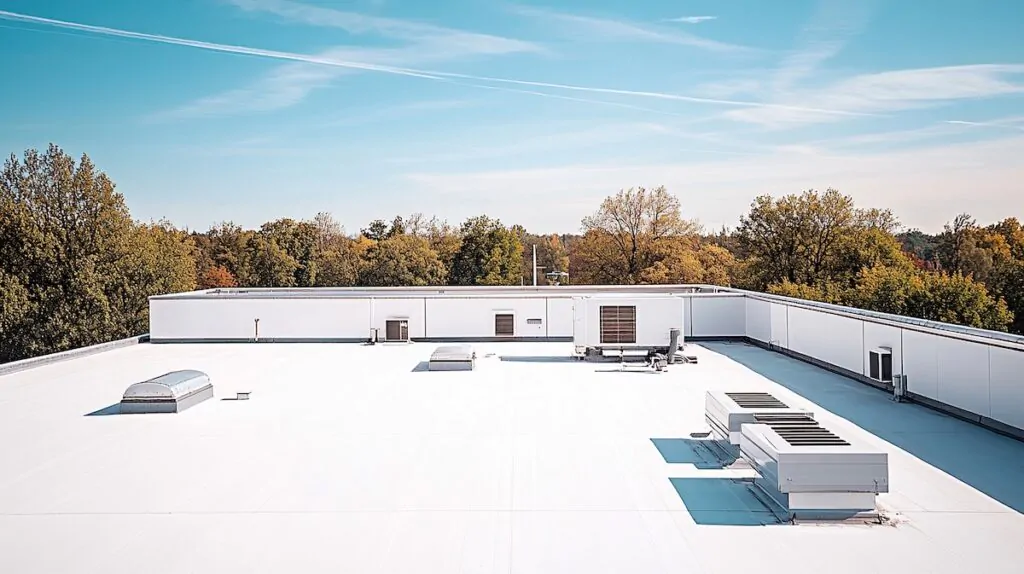
- Extra Usable Space: Whether it’s for solar panels, a rooftop deck, or HVAC units, flat roofs offer valuable real estate up top.
- Modern Aesthetic: Flat designs offer sleek lines and a contemporary appearance that many homeowners love.
- Fast Installation Time: Without the complexity of steep slopes, the installation timeline is often faster—minimizing disruption to your home or business.
8 Steps to a Successful Flat Roof Installation
The flat roof installation process involves multiple stages, from prep work to sealing. Every step must be done precisely to ensure durability and energy efficiency.
1. Remove the Existing Roofing (If Applicable)
Before any new materials can be installed, the old system must be stripped down.
- Remove membrane, flashing, and insulation
- Inspect deck conditions for signs of rot or damage
- Clean and prep the surface thoroughly
2. Inspect and Repair the Roof Deck
The deck forms the base layer your flat roof will sit on, so structural soundness is critical.
- Replace rotted wood or weakened sections
- Make sure the deck is smooth and level
- Reinforce any sagging areas to prevent pooling
3. Install a Vapor Barrier
Moisture control starts here. Vapor barriers prevent condensation from damaging the insulation and membrane.
- Choose a high-quality material like polyethylene sheets
- Secure it to cover the entire surface area
- Seal seams carefully to avoid air gaps
4. Add Insulation
Thermal efficiency depends heavily on proper insulation. For flat roofs, rigid foam boards are most common.
- Install tapered insulation for water drainage
- Use staggered joints to minimize thermal bridging
- Adhere or fasten as required per the system spec
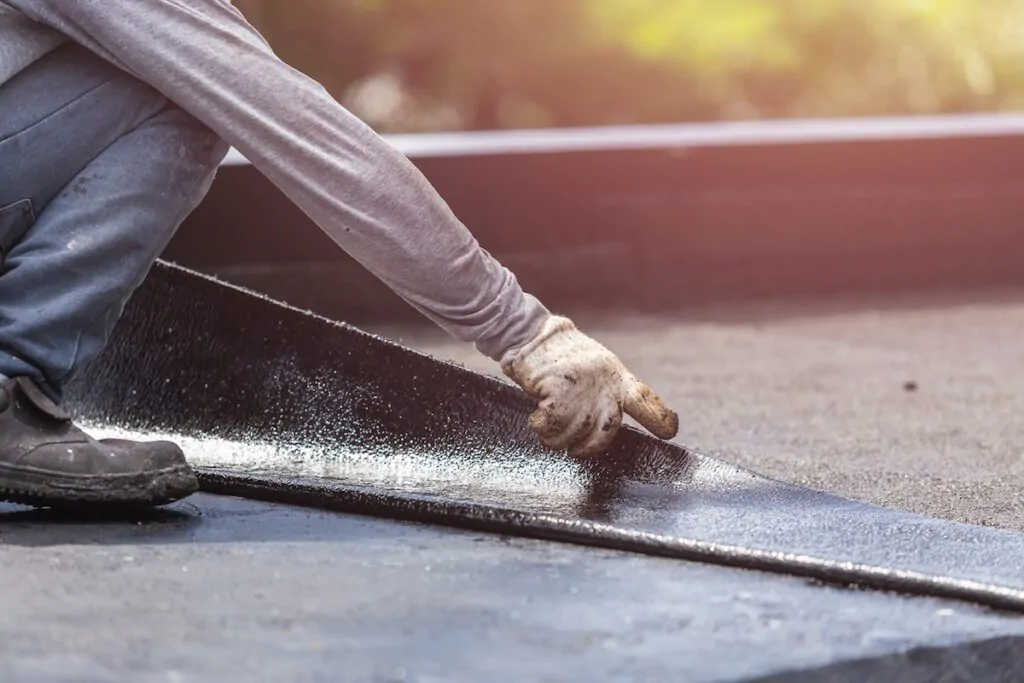
5. Install the Roofing Membrane
This is the waterproofing layer that does the heavy lifting. Choices include TPO, EPDM, or modified bitumen.
- Roll out membrane over insulation
- Adhere or mechanically fasten according to product guidelines
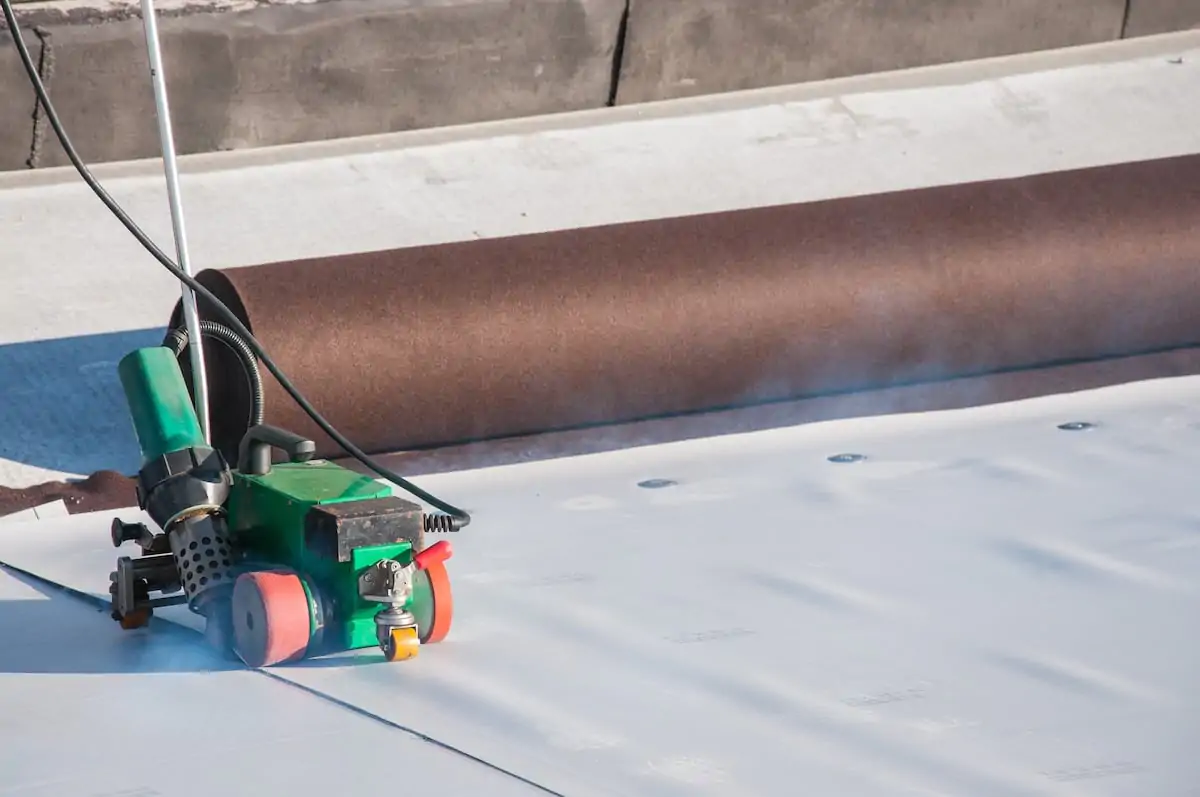
- Overlap seams and seal with a hot-air welder or adhesive
6. Flash Around Edges and Penetrations
Flashing ensures water can’t seep in where the membrane meets vents, walls, or skylights.
- Use pre-fabricated corner flashings when possible
- Always install counter-flashing where vertical surfaces are involved
- Double-check seals with water testing, if available
7. Install Drainage Systems
Flat roofs must be pitched slightly to allow water runoff.
- Set internal drains, scuppers, or gutters based on design
- Slope insulation or crickets to direct flow
- Clear debris often to prevent pooling
8. Final Inspection and Warranty Activation
Before signing off, ensure everything meets code and manufacturer standards.
- Perform a detailed visual inspection
- Test seams and flashing
- Register warranty if applicable
Common Flat Roofing Mistakes to Avoid
Flat roofs perform well when done right—but there’s little room for error. Here are common mistakes homeowners in Wake Forest, NC and surrounding areas should steer clear of:
- Skipping Slope Design: Even a “flat” roof needs a pitch of at least ¼ inch per foot. Otherwise, water pools fast.
- Using the Wrong Membrane: Not all membranes work for all climates or building types. Choose based on durability and local weather.
- Overlooking Drainage: A flawless membrane still fails if water has nowhere to go.
- Poor Seaming or Flashing: One weak seal can ruin the entire system.
- DIY Installations: Flat roofs are complex, and mistakes are costly. Always hire experienced pros with flat roof certifications.
Choosing the Right Materials for Your Flat Roof
Not all flat roof systems are created equal. Your roofing material will dictate durability, maintenance needs, and energy efficiency.
TPO (Thermoplastic Polyolefin)
- UV-resistant and energy efficient
- Seam welding creates a watertight finish
- Moderate cost and lifespan (~15–20 years)
EPDM (Ethylene Propylene Diene Monomer)
- Rubber-like material, very flexible
- Excellent in colder climates
- Affordable but requires seam adhesives
Modified Bitumen
- Asphalt-based, great for foot traffic
- Can be torch-applied or cold-applied
- Extremely durable but heavier and more labor-intensive
PVC Roofing
- Long lifespan (up to 30 years)
- Chemical and fire-resistant
- Higher upfront cost
When comparing materials, think long-term. A slightly more expensive system may save money over time with reduced repairs or energy costs.
Flat Roof Longevity Tips for Homeowners
Installing the roof is just the beginning. To keep your flat roof functioning well for years to come, follow these best practices:
- Schedule Annual Inspections: Even if no leaks are visible, an expert can catch early signs of wear or damage.
- Clear Debris After Storms: Leaves and twigs can block drains and promote pooling.
- Check Flashing After Temperature Swings: Expansion and contraction can compromise seals.
- Re-coat When Needed: Some membranes benefit from re-coating every 5–10 years to maintain waterproofing.
Proactive maintenance goes a long way. Many warranties even require it to stay valid.
Ready to Install a Flat Roof in Wake Forest, NC?
Whether you’re upgrading an aging system or building new in Wake Forest, NC and surrounding areas, flat roof installation is a smart investment—but only when done right. Understanding the process, material options, and risks ensures you’re prepared at every stage. Working with experienced professionals can make all the difference between a roof that leaks after five years and one that lasts over two decades.
For expert help, top-quality materials, and precision work, contact us today to schedule a consultation with ROOF TIGER.

Ferocious Roofing

They are extremely professional and responsive, made some great suggestions along the way, and handled every little issue that came up without complaint.
Vince B

