


Commercial Flat Roofing (Installation, Maintenance & More)
When managing a commercial property, few components are as vital as the roof. It protects your investment, your tenants, and your business operations. Among the many roofing systems available today, commercial flat roofing remains one of the most popular choices for offices, warehouses, and retail spaces across the Midwest. Its design, cost-effectiveness, and adaptability make it ideal for a wide range of commercial structures.
However, not all flat roofing systems are built—or maintained—the same. Understanding how they work, what materials are available, and how to properly care for them can save property owners thousands of dollars in repairs and energy costs over time. For business owners in Bloomington and surrounding areas, selecting a high-quality roofing system and working with trusted professionals is key. You can learn more about installation and repair solutions by visiting our commercial roofing services for detailed information on options tailored to your property type.
Here’s what you’ll learn in this guide:
- The benefits and purpose of commercial flat roofing
- Step-by-step insights into installation and maintenance
- The most common types of flat roofing materials
- Signs your flat roof may need repair or replacement
- Tips to extend your roof’s lifespan and efficiency
Why Flat Roofing Is Ideal for Commercial Buildings
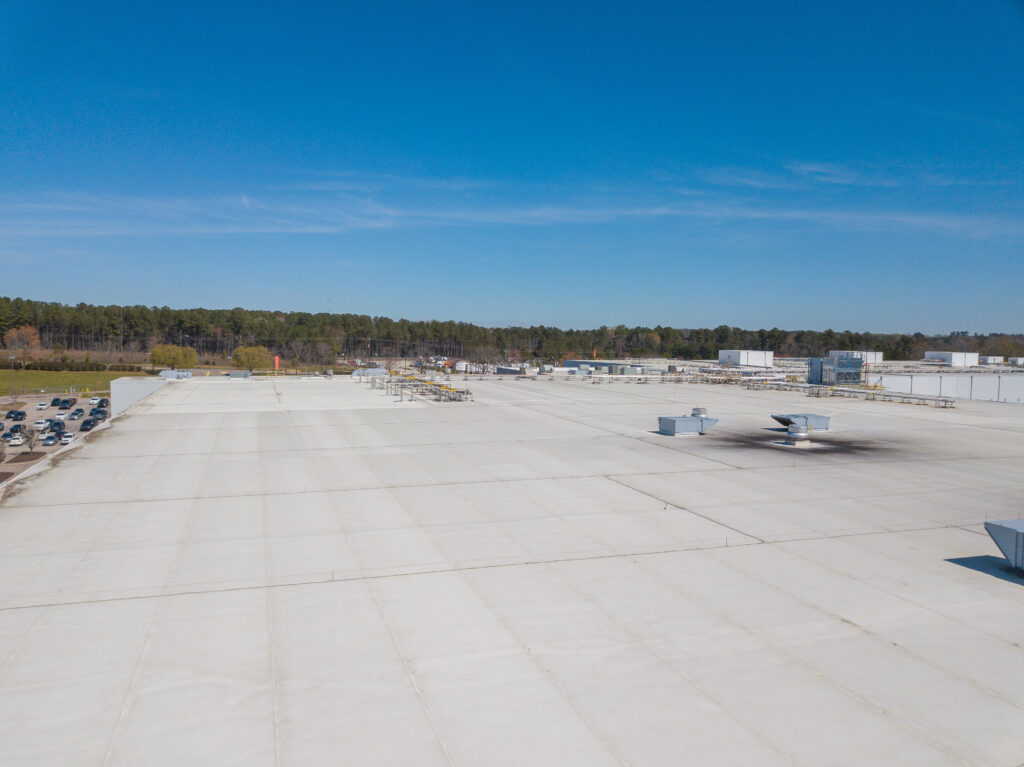
Commercial buildings have unique structural and operational needs compared to residential homes. A flat roof isn’t just a design choice—it’s a functional decision that impacts drainage, accessibility, and long-term maintenance.
Here’s why so many business owners and property managers choose flat roofing for their buildings:
- Efficient Use of Space: Flat roofs provide extra usable space for HVAC systems, solar panels, or storage, which helps maximize your building’s footprint.
- Cost-Effective Installation: Flat roofs typically require fewer materials and less labor compared to pitched roofs, making them an economical choice for large buildings.
- Energy Efficiency: With proper insulation and reflective coatings, flat roofs can help reduce heating and cooling costs year-round.
- Easier Maintenance and Access: Routine inspections and repairs are easier and safer to perform on flat surfaces.
- Versatile Design Options: Modern flat roofing systems offer customizable materials and finishes that improve both performance and aesthetics.
In regions like Bloomington and surrounding areas, where seasonal weather conditions range from hot summers to snowy winters, the ability to install durable, low-maintenance flat roofs is a huge advantage for commercial property owners.
6 Steps of Commercial Flat Roof Installation
Installing a commercial flat roof requires precision, planning, and expertise. A properly installed roof ensures watertight performance, energy efficiency, and long-term reliability. Below is an overview of the professional installation process.
1. Assessment and Planning
Before any installation begins, a thorough inspection of the existing roof structure is conducted. This step helps identify any issues such as:
- Structural damage or sagging
- Water infiltration or trapped moisture
- Failing insulation or drainage systems
Once the inspection is complete, contractors determine the best roofing system based on your building’s design, local climate, and budget. Factors like slope, load capacity, and energy efficiency goals all influence the choice.
2. Removing the Old Roofing System
If you’re replacing an existing roof, old materials must be safely removed. This allows contractors to inspect the underlying structure for damage. In some cases, a “roof overlay” (installing a new membrane over the existing one) is possible if the original system is still structurally sound.
3. Installing Insulation
Proper insulation is critical to controlling indoor temperature and reducing energy costs. Common insulation types for commercial flat roofs include:
- Polyisocyanurate (Polyiso): High R-value per inch, offering excellent energy performance.
- Expanded Polystyrene (EPS): Affordable and moisture-resistant.
- Extruded Polystyrene (XPS): Known for strength and durability, often used in colder climates.
Insulation boards are carefully laid out and fastened before the waterproofing membrane is applied.
4. Applying the Roofing Membrane
The roofing membrane is the most visible and functional layer of a flat roofing system. It provides waterproof protection and helps extend the structure’s lifespan. There are several types of flat roofing membranes (discussed later), including single-ply systems like TPO, EPDM, and PVC.
Depending on the system, installation may involve:
- Heat-welding seams for a watertight bond
- Adhesive application for secure attachment
- Ballast (gravel or pavers) for added weight and protection
5. Adding Flashing and Drainage
Flashing is installed around vents, edges, and HVAC units to prevent leaks. Drainage systems—such as internal drains or scuppers—are tested to ensure water flows away properly.
Flat roofs aren’t completely flat; they’re built with a slight slope (typically 1/4 inch per foot) to promote water runoff. Proper drainage is essential for preventing ponding and structural damage.
6. Final Inspection and Warranty Registration
Once installation is complete, a final inspection ensures every component meets building codes and manufacturer standards. Warranties are then registered, providing long-term protection and peace of mind for property owners.
A well-installed commercial flat roof can last 25 to 40 years with proper maintenance, making it a durable, cost-effective investment for your property.
Common Types of Commercial Flat Roofing Systems
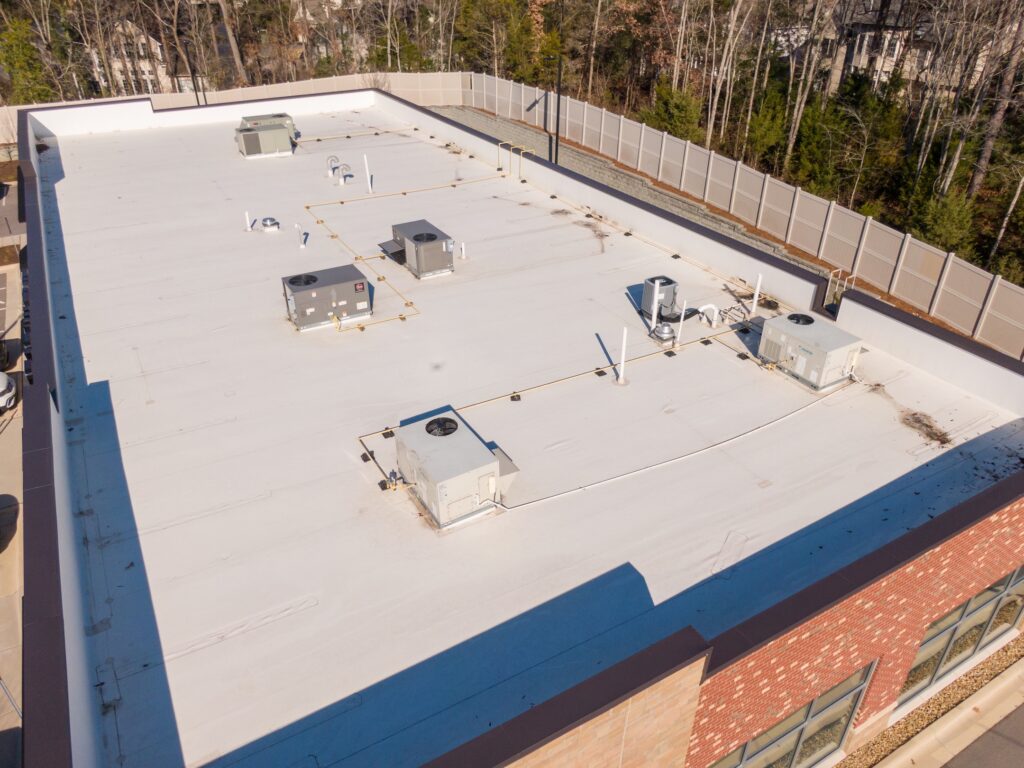
Different materials offer unique advantages depending on your property’s needs and budget. Here are the most common types used in commercial flat roofing today.
1. EPDM (Ethylene Propylene Diene Monomer)
- Overview: A synthetic rubber membrane that’s flexible, durable, and easy to install.
- Lifespan: 25–30 years
- Pros: Cost-effective, resistant to UV rays and weathering, easy to repair
- Cons: Dark surface absorbs heat unless coated with reflective paint
2. TPO (Thermoplastic Polyolefin)
- Overview: A popular single-ply membrane known for its bright white reflective surface and energy efficiency.
- Lifespan: 20–30 years
- Pros: Reflective surface reduces cooling costs, strong seam welds, environmentally friendly
- Cons: Can shrink or crack over time if poorly installed
3. PVC (Polyvinyl Chloride)
- Overview: A highly durable and chemical-resistant roofing membrane ideal for restaurants and industrial buildings.
- Lifespan: 25–35 years
- Pros: Excellent fire and chemical resistance, long lifespan, low maintenance
- Cons: Higher cost than EPDM or TPO
4. Modified Bitumen
- Overview: A multi-layer system that combines asphalt with rubber or plastic modifiers for added flexibility.
- Lifespan: 20–30 years
- Pros: Strong waterproofing, good durability in cold climates
- Cons: Requires more maintenance than single-ply systems
5. Built-Up Roofing (BUR)
- Overview: A traditional flat roof system made from layers of asphalt and roofing felt.
- Lifespan: 20–25 years
- Pros: Proven reliability, excellent waterproofing
- Cons: Heavy installation, labor-intensive, longer installation time
For properties in Bloomington and surrounding areas, single-ply systems like TPO and PVC are among the most popular due to their energy efficiency and low maintenance.
How to Maintain a Commercial Flat Roof
A proactive maintenance plan helps protect your investment and prevent small issues from becoming costly repairs.
1. Schedule Regular Inspections
Inspect your roof at least twice a year—once in the spring and once in the fall. Check for cracks, pooling water, or debris buildup.
2. Keep Drains and Gutters Clear
Blocked drains can cause standing water, which leads to leaks and structural stress. Ensure all drainage points are clear and functional.
3. Remove Debris Promptly
Branches, leaves, and dirt can trap moisture against the surface, promoting mold and deterioration.
4. Address Leaks Immediately
Even small leaks can escalate quickly in flat roofing systems. If you spot water stains or interior moisture, call a roofing professional right away.
5. Recoat or Seal as Needed
Some flat roof systems benefit from reflective or protective coatings every few years to maintain energy efficiency and waterproofing.
By following these maintenance practices, property owners can extend their flat roof’s lifespan by several years and reduce long-term costs.
Signs Your Flat Roof May Need Repair or Replacement
Ignoring signs of damage can lead to costly disruptions in your business operations. Here’s what to watch for:
- Ponding Water: Water that remains for more than 48 hours after rainfall indicates poor drainage or structural sagging.
- Cracks or Blisters: These can form due to heat exposure, aging, or trapped moisture.
- Seam Separation: Gaps along membrane seams can allow leaks to develop.
- Interior Water Damage: Stains or damp ceilings inside your property often indicate a roofing issue above.
- Rising Energy Bills: Damaged insulation or worn membranes can reduce energy efficiency, driving up heating and cooling costs.
If multiple issues appear at once, it may be time to consider a replacement rather than ongoing patch repairs.
Comparing Commercial Flat Roof Materials
| Material | Lifespan | Cost (Per sq. ft.) | Energy Efficiency | Maintenance Level |
| EPDM | 25–30 years | $5–$9 | Moderate | Low |
| TPO | 20–30 years | $6–$10 | High | Low |
| PVC | 25–35 years | $7–$12 | High | Low |
| Modified Bitumen | 20–30 years | $6–$9 | Moderate | Moderate |
| BUR | 20–25 years | $5–$8 | Moderate | High |
While costs vary depending on building size and material quality, investing in a higher-grade membrane often results in better long-term savings due to lower maintenance and energy costs.
Extend Your Roof’s Lifespan with Professional Care
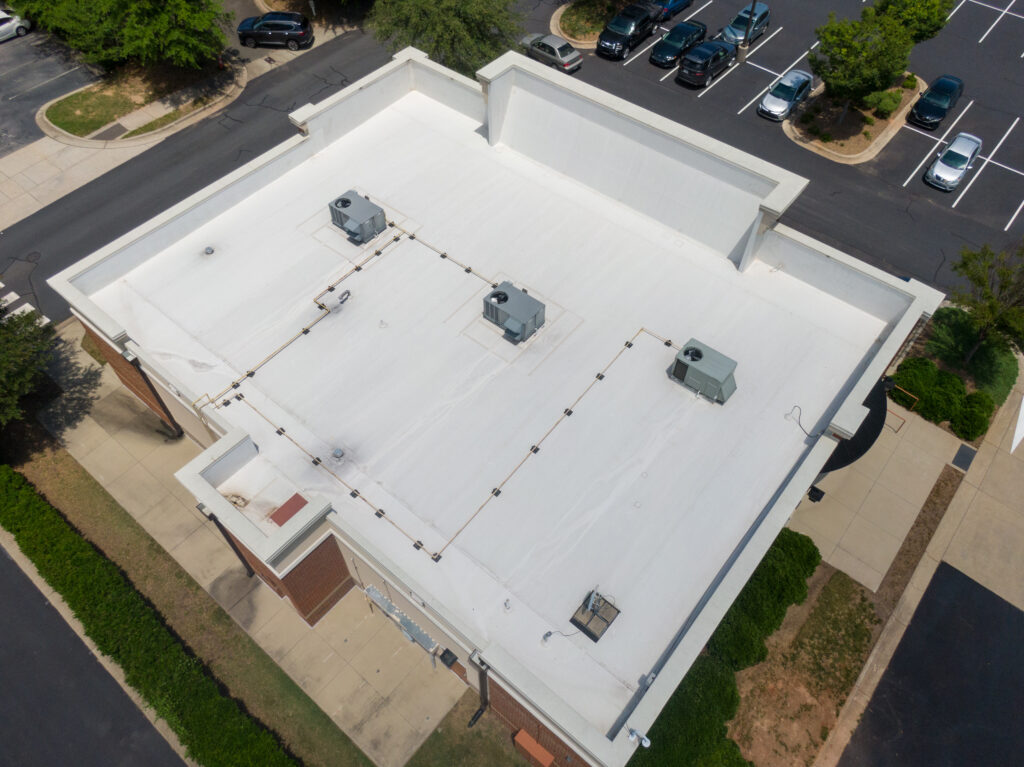
The success of your commercial roofing system depends heavily on professional installation and maintenance. Partnering with an experienced roofing contractor ensures proper installation, thorough inspections, and reliable repairs over the life of your roof.
Professional roofing teams can:
- Detect early signs of wear before major issues arise
- Ensure compliance with local building codes and warranty standards
- Offer preventative maintenance plans to protect your investment
For property owners in Bloomington and surrounding areas, professional flat roofing care helps keep your business running smoothly and your property well-protected.
Protect Your Investment with ROOF TIGER
Your commercial roof is one of your most valuable assets—it safeguards your operations, inventory, and tenants every day. Investing in quality installation and routine maintenance ensures your building stays efficient, watertight, and resilient for decades.
At ROOF TIGER, we specialize in commercial flat roofing solutions for businesses throughout Bloomington and surrounding areas. Our experienced team provides professional installation, maintenance, and repairs tailored to your property’s specific needs. Whether you need a new roof or routine service, we’re committed to delivering reliable workmanship and long-term value.
To schedule an inspection or request a quote for your property, contact us today to speak with one of our commercial roofing experts.


Ferocious Roofing

They are extremely professional and responsive, made some great suggestions along the way, and handled every little issue that came up without complaint.
Vince B

