

4 Types Of Roof Overhang & How They Protect Your Home
When it comes to your home’s protection and curb appeal, few features play as important a role as the roof overhang. While often overlooked, this architectural detail shields your home from rain, snow, and sunlight while adding depth and dimension to your roofline. A well-designed overhang does more than enhance aesthetics—it’s a key factor in preventing costly water damage and improving overall energy efficiency.
For homeowners in Bloomington and surrounding areas, understanding the function and different styles of roof overhangs can make a big difference when planning a new build or roof replacement. You can explore more design options and protection upgrades by visiting our roofing services page, where we outline materials and features that help maximize your roof’s performance.
Here’s what you’ll learn in this guide:
- The purpose and benefits of roof overhangs for homeowners
- Different types of overhang designs and their features
- How overhangs protect your home from weather and moisture
- Maintenance and design tips for long-lasting performance
- How to choose the right overhang style for your roof
Why Roof Overhangs Matter More Than You Think
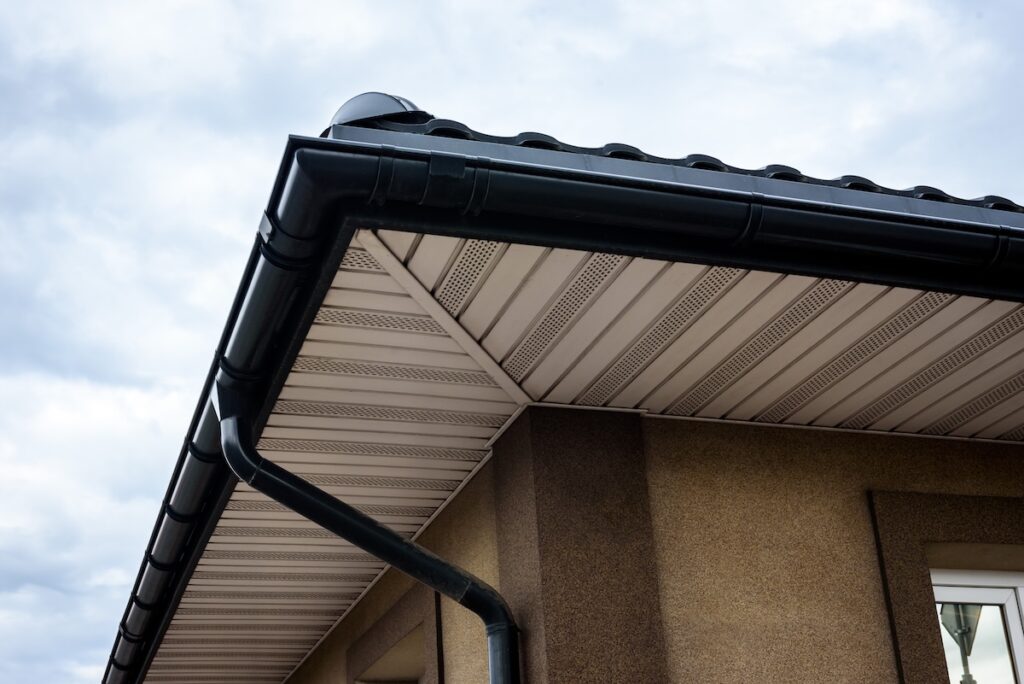
A roof overhang, sometimes called the eave, is the portion of the roof that extends beyond the exterior walls of your home. This extension directs rainwater away from siding and foundations while shading windows from harsh sunlight. Although it might seem like a simple design element, it plays a major role in protecting your home’s structural integrity and enhancing its comfort.
Here’s why investing in a proper overhang design is essential:
- Protects Against Water Damage: Overhangs prevent rain from dripping directly onto walls and windows, reducing the risk of leaks and rot.
- Improves Energy Efficiency: By shading windows and walls, they help maintain indoor temperatures and lower cooling costs.
- Adds Architectural Appeal: Different overhang styles can give your home a distinctive, balanced look that increases curb appeal.
- Preserves Foundation Health: By keeping rainwater away from the base of your home, overhangs help prevent soil erosion and basement flooding.
- Extends Roof Longevity: They shield roof edges and gutters from excessive moisture, minimizing wear and tear.
In a climate like Bloomington’s, where rain, snow, and sun exposure vary throughout the year, roof overhangs are a functional and aesthetic necessity.
4 Common Types Of Roof Overhang
Not all overhangs are built the same. Each type serves a unique purpose and complements different roof structures and home styles. Below are the four most common types of roof overhangs and what makes each effective.
1. Standard Overhang
A standard overhang is the most common and versatile type, extending horizontally from the roof edge. It provides balanced protection from rain and sunlight while maintaining a clean, simple appearance.
Key Features:
- Typically extends 12 to 24 inches beyond the exterior wall
- Works with most roof types, including gable and hip roofs
- Designed for optimal gutter placement and water runoff
Benefits:
- Offers effective weather protection for walls and windows
- Provides consistent shade that reduces heat gain
- Helps control water flow into gutters and away from the foundation
Standard overhangs are ideal for homeowners in Bloomington and surrounding areas seeking a classic, low-maintenance solution that enhances both form and function.
2. Boxed-In Overhang
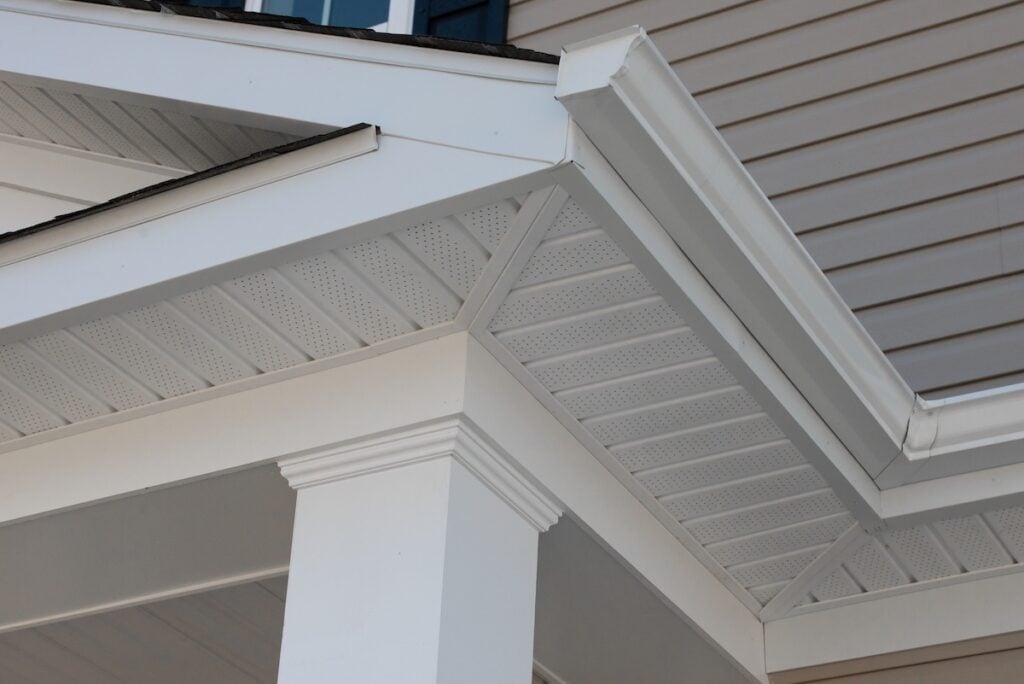
A boxed-in overhang encloses the underside of the eaves, creating a finished look with soffits that hide rafters or beams. This design is common in modern and contemporary homes.
Key Features:
- Clean, smooth underside finish
- Often includes ventilation to promote attic airflow
- Commonly made of aluminum, vinyl, or wood soffit panels
Benefits:
- Adds a polished appearance to the roofline
- Helps prevent moisture and pest intrusion
- Enhances roof ventilation for better attic temperature control
If your home features sleek lines or you prefer a more finished look, a boxed-in overhang is a smart choice that combines aesthetics with practicality.
3. Exposed Overhang
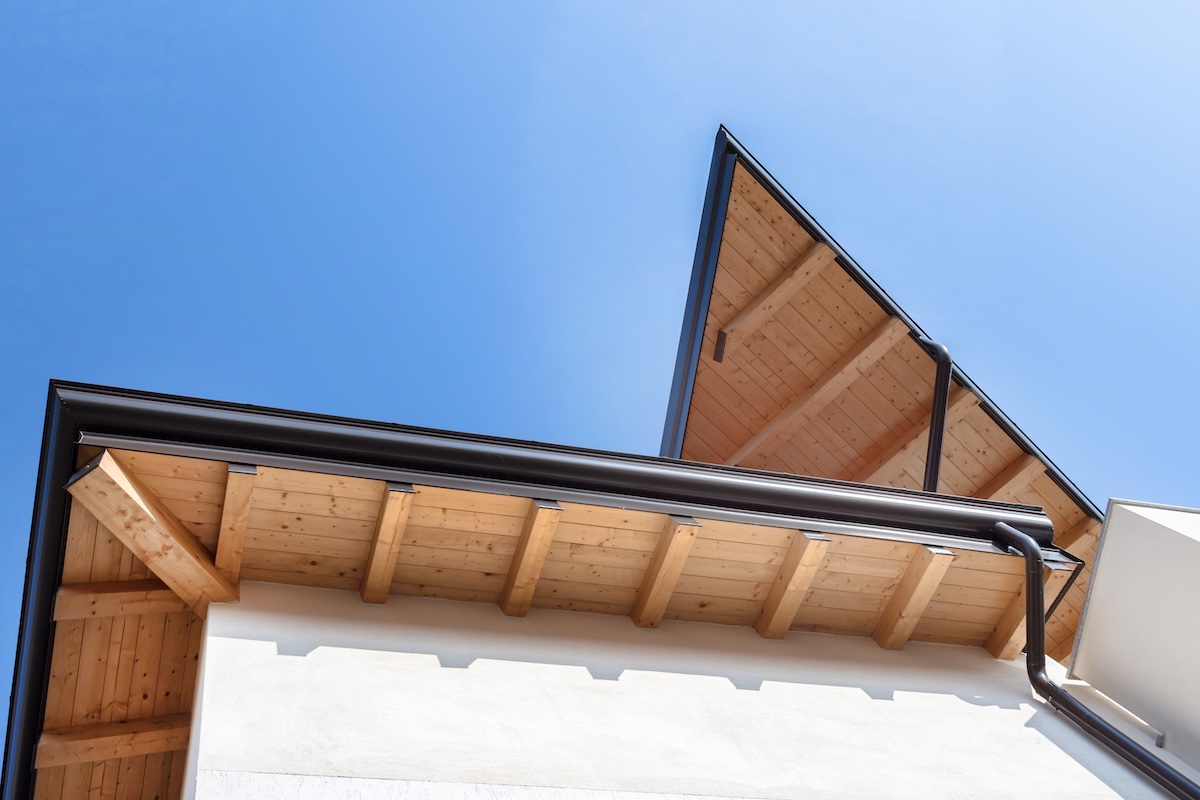
As the name suggests, an exposed overhang leaves the underside of the rafters or beams visible. This style is frequently used in rustic, craftsman, or traditional designs and showcases the craftsmanship of the roof’s construction.
Key Features:
- Exposed rafters or decorative brackets
- Minimal or no soffit covering
- Typically built from natural wood or wood-look materials
Benefits:
- Highlights architectural character and craftsmanship
- Offers good ventilation for the roof
- Easy to inspect and maintain
While exposed overhangs bring visual warmth and charm, they may require more maintenance due to exposure to weather and insects. Regular sealing or staining helps preserve their beauty and longevity.
4. Cantilevered Overhang
A cantilevered overhang extends further than standard designs without visible support from brackets or beams. It’s often used in contemporary or modern architecture for a bold, minimalist look.
Key Features:
- Projects several feet from the wall
- Supported by internal beams within the roof structure
- Creates dramatic shadow lines and visual contrast
Benefits:
- Offers extended shade and weather protection
- Adds architectural sophistication
- Ideal for modern homes emphasizing clean, angular lines
Because cantilevered overhangs require precise engineering, they should always be designed and installed by professionals familiar with local building codes and weather conditions.
How Roof Overhangs Protect Your Home
Beyond their visual appeal, overhangs play an important functional role in shielding your home from damage. A well-built overhang can significantly extend the lifespan of your siding, windows, and roof components.
Here’s how overhangs provide year-round protection:
- Water Diversion: Overhangs direct rain and snow away from walls and the foundation, preventing leaks and rot.
- Sunlight Control: They shade upper windows and reduce glare, which keeps interiors cooler and protects furnishings from UV damage.
- Wind Protection: By deflecting wind-driven rain, overhangs minimize the risk of water penetration in harsh weather.
- Ventilation Support: Soffit vents in boxed or standard overhangs help circulate air in the attic, preventing moisture buildup and ice dams.
- Extended Outdoor Comfort: Larger overhangs can shelter porches, patios, or entryways, providing additional protection for outdoor spaces.
In climates like Bloomington and surrounding areas, where seasonal weather can change quickly, these benefits add up to long-term durability and comfort.
Choosing the Right Overhang for Your Home
Selecting the ideal overhang depends on your home’s design, local weather, and desired aesthetic. Here are key factors to consider before making a decision.
1. Roof Pitch and Style: A steeply pitched roof may require a shorter overhang to avoid excessive shading, while flatter roofs often need longer extensions for water control. Match the overhang style with your roof’s design for both function and balance.
2. Climate Considerations: In rainy or snowy areas, longer overhangs help direct water away from siding and prevent snow buildup near foundations. For sunny climates, deeper overhangs provide better shade and cooling efficiency.
3. Material Choice: Choose durable materials that match your roofing system. Metal, vinyl, and treated wood are all popular options depending on your home’s aesthetic and maintenance preferences.
4. Ventilation Needs: If your attic requires better airflow, consider a boxed or standard overhang with integrated soffit vents. Proper ventilation helps regulate temperature and prevent moisture damage.
5. Architectural Style: Your home’s overall look should guide your decision. Traditional homes often suit exposed or standard overhangs, while modern structures pair well with boxed-in or cantilevered designs.
Overhang Maintenance Tips
Regular maintenance ensures your overhang continues protecting your home effectively. Here’s how to keep it in top condition year-round.
- Inspect Annually: Check for signs of rot, peeling paint, or loose soffit panels.
- Clean Gutters and Downspouts: Blocked gutters can cause water to back up and damage your overhang.
- Repaint or Reseal: Wooden overhangs benefit from periodic sealing to prevent moisture absorption.
- Check for Pests: Inspect for wasp nests, bird nests, or insect infestations under the eaves.
- Replace Damaged Panels: If soffit boards or fascia show wear, replace them promptly to avoid water intrusion.
Routine inspections—especially after storms—can help you catch small issues before they develop into major problems.
Comparing Overhang Styles at a Glance
| Overhang Type | Appearance | Maintenance Level | Ideal For |
| Standard | Classic and simple | Low | Most home styles |
| Boxed-In | Clean and modern | Moderate | Contemporary or suburban homes |
| Exposed | Rustic and detailed | High | Craftsman or traditional homes |
| Cantilevered | Sleek and bold | Moderate | Modern architecture |
This quick comparison shows that each overhang offers unique advantages, from traditional beauty to modern minimalism. The key is choosing one that complements your home’s design and withstands local weather conditions.
Why Professional Installation Matters
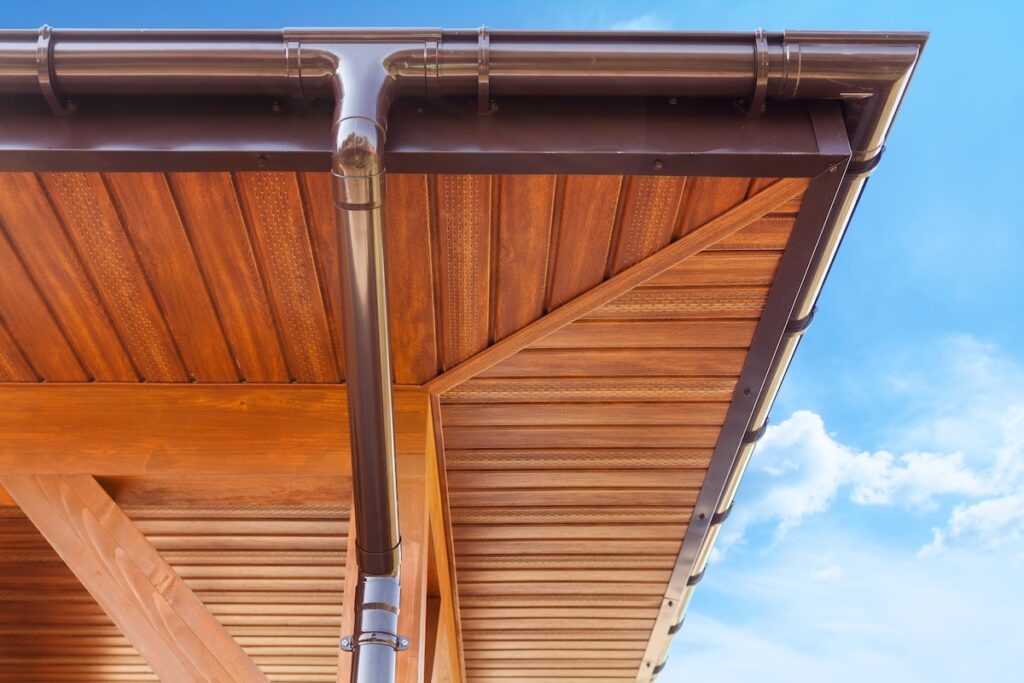
Installing a roof overhang isn’t just about aesthetics—it’s about ensuring proper water drainage, ventilation, and structural support. Professional roofing contractors understand the precise measurements, angles, and materials required to ensure your overhang performs effectively for decades.
A professional installer can:
- Assess your home’s structure and climate to recommend the best design
- Ensure correct slope, alignment, and ventilation
- Integrate soffit vents and gutters seamlessly into your roofing system
- Use quality materials designed for local weather patterns
For homeowners in Bloomington and surrounding areas, working with experienced roofers ensures that your overhang not only looks beautiful but functions efficiently year-round.
Protect Your Home with ROOF TIGER
A roof overhang might seem like a small detail, but it’s one of the most powerful features in protecting your home from water, heat, and weather damage. Whether you’re building a new home or upgrading your existing roof, the right overhang can enhance curb appeal, increase energy efficiency, and extend the lifespan of your entire roofing system.
At ROOF TIGER, we proudly serve homeowners in Bloomington and surrounding areas with premium materials, expert installation, and transparent service. Our team understands how to design and install overhangs that balance style, performance, and durability for Midwest weather conditions.
If you’re ready to upgrade your home’s protection and appearance, contact us today to schedule a consultation or roof inspection with our trusted professionals.

Ferocious Roofing

They are extremely professional and responsive, made some great suggestions along the way, and handled every little issue that came up without complaint.
Vince B

