


Gutter Installation: A Step-by-Step Guide for Homeowners
Your roof may take the brunt of harsh weather, but your gutters quietly handle one of the most critical jobs—directing rainwater safely away from your home. Without a proper drainage system, rainwater can pool near the foundation, erode landscaping, and cause costly damage over time. That’s why gutter installation is one of the most important investments you can make to protect your property.
Whether you’re replacing old gutters or adding them for the first time, understanding how they work and how to install them properly helps ensure your home stays safe and dry. You can also explore high-performance systems and materials by visiting our gutter solutions page, which highlights how the right setup can improve your home’s drainage and curb appeal.
Here’s what you’ll learn in this guide:
- Why gutter systems are essential for home protection
- A step-by-step breakdown of how professional gutter installation works
- The different types of gutters and which best fit your home
- Tips for maintaining your gutter system year-round
- When to call in experts for inspection or replacement
Why Gutters Are Essential for Your Home’s Health
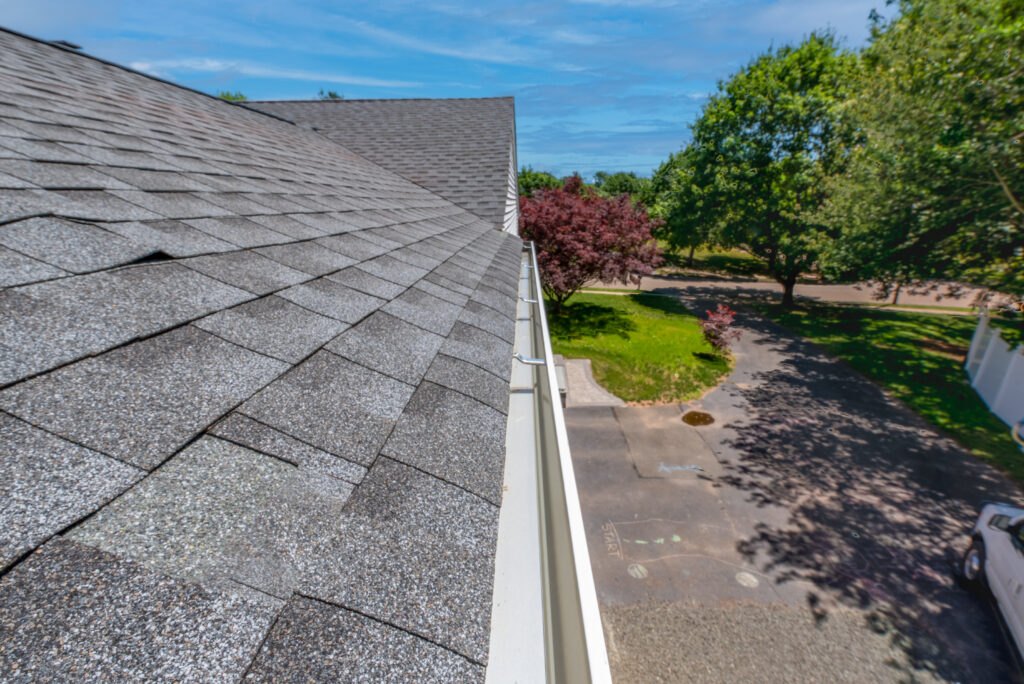
Gutters play a vital role in preventing long-term structural damage and maintaining your property’s appearance. Without a reliable gutter system, water can infiltrate your home’s foundation, walls, and roofing materials, leading to expensive repairs.
Here’s why gutters matter for homeowners in Peoria and surrounding areas:
- Foundation Protection: Gutters channel water away from your foundation, preventing cracks, soil erosion, and basement leaks.
- Roof Longevity: Proper drainage prevents water from pooling on your roof, reducing wear and extending lifespan.
- Siding and Paint Preservation: Water overflow can damage siding and cause paint to peel or wood to rot.
- Landscape Maintenance: Redirected water flow protects flowerbeds, mulch, and walkways from erosion.
- Mold and Mildew Prevention: By keeping walls and foundations dry, gutters reduce the risk of moisture-related mold growth.
A well-installed gutter system isn’t just about functionality—it’s an investment in the safety, beauty, and value of your home.
8 Step Guide to Gutter Installation
Installing gutters correctly requires precision, proper tools, and attention to detail. Here’s an overview of how professionals handle the process to ensure long-lasting performance and protection.
1. Evaluate and Measure Your Roof
Before any installation begins, roof dimensions and slope are carefully measured. The roof’s pitch determines how quickly water flows, which helps calculate the ideal gutter size and placement.
Key steps in this phase include:
- Measuring the roof perimeter where gutters will be installed
- Determining downspout locations for proper drainage
- Assessing fascia board condition (the board gutters attach to) for stability
A proper slope—usually around ¼ inch per 10 feet of gutter—ensures smooth water flow toward downspouts without causing standing water.
2. Choose the Right Gutter Material and Style
Gutters come in several materials, each offering unique advantages depending on budget, appearance, and maintenance preferences.
Common Gutter Materials:
- Aluminum: Lightweight, rust-resistant, and affordable; ideal for most residential homes.
- Steel: Extremely durable and strong, perfect for areas with heavy rain or snow.
- Copper: Long-lasting and elegant, often chosen for high-end homes due to its natural patina finish.
- Vinyl: Cost-effective and easy to install but less durable in extreme temperatures.
Popular Styles:
- K-Style: Features a decorative shape resembling crown molding, offering good capacity and visual appeal.
- Half-Round: Smooth, rounded design common in traditional or historic homes.
- Box Gutters: Built into the roofline for a seamless look on modern or commercial buildings.
For Peoria and surrounding areas, aluminum K-style gutters are a favorite choice due to their balance of cost, durability, and curb appeal.
3. Gather Tools and Equipment
Installing gutters requires specialized tools to ensure accurate alignment and secure attachment.
Typical tools include:
- Ladder and safety harness
- Tape measure and chalk line
- Tin snips or hacksaw
- Gutter sealant and hangers
- Power drill and screws
- Rivet gun (for seamless systems)
Safety is always the top priority, especially when working at roof height. Professional installers use sturdy ladders, harnesses, and stabilizers to prevent accidents.
4. Mark the Slope and Downspout Locations
Using a chalk line, installers mark the gutter’s slope along the fascia board to guide placement. This slope ensures water flows smoothly toward downspouts.
Downspouts are strategically positioned to direct water away from entryways, driveways, and the home’s foundation. Typically, one downspout is installed for every 30 to 40 feet of gutter.
5. Install Gutter Hangers or Brackets
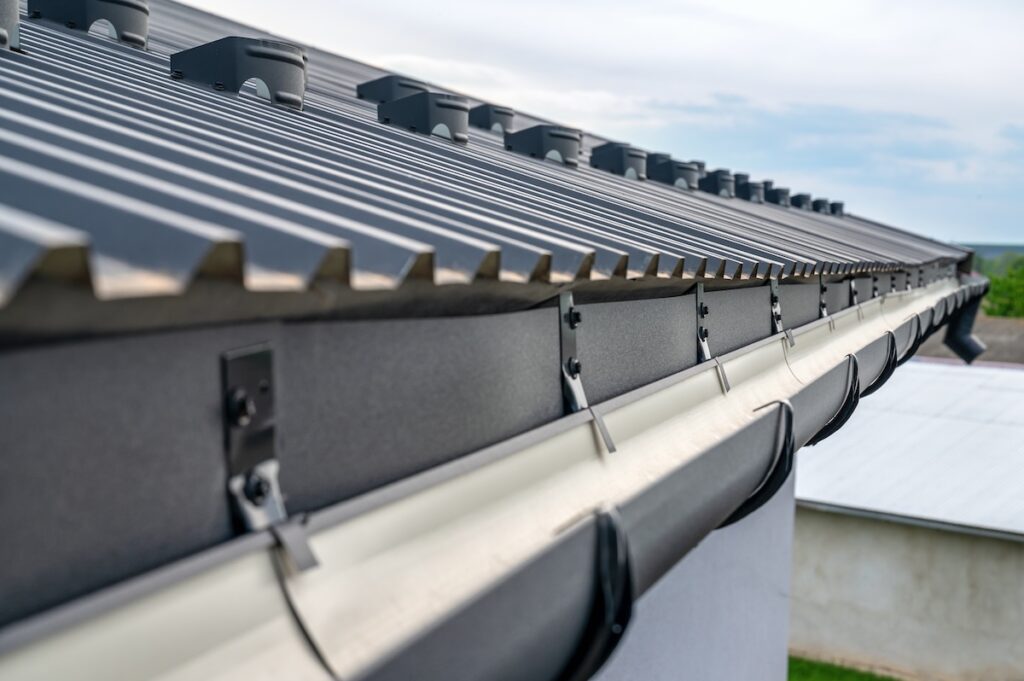
Hangers support the gutter and keep it securely attached to the fascia. They’re spaced roughly every 2 to 3 feet to handle the weight of water and debris.
Types of gutter supports include:
- Hidden hangers for a seamless look
- Spike-and-ferrule systems for traditional installations
- Bracket and strap systems for sloped or older roofs
Proper hanger spacing is crucial for preventing sagging or detachment during heavy rain or snow.
6. Cut and Fit Gutter Sections
Each gutter section is cut to length using tin snips or a saw. The pieces are then joined with connectors or sealant to create watertight seams.
For seamless systems, gutters are fabricated on-site using a rolling machine that produces one continuous piece of metal custom-fit to your home’s dimensions.
Advantages of seamless gutters:
- Fewer joints reduce leak risks
- Clean, uniform appearance
- Lower maintenance requirements
7. Secure Gutters and Seal Joints
Once aligned, gutters are fastened into place using screws or hangers. Sealant is applied to all joints, corners, and end caps to prevent leaks.
Installers double-check that the gutter slope is consistent and that all sections align properly before moving on to downspouts.
8. Attach Downspouts and Elbows
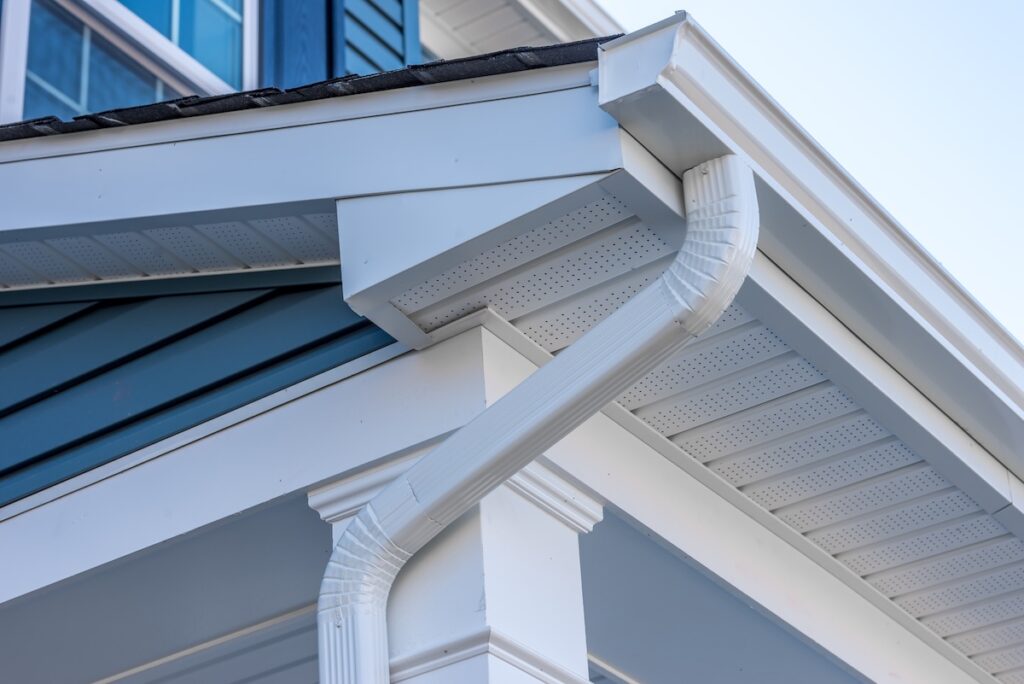
Downspouts connect to the gutter outlets and carry water down to the ground or drainage system. Elbows are added at bends to direct water flow efficiently.
Downspouts can be directed into:
- Splash blocks (to spread water away from the foundation)
- Underground drainage pipes
- Rain barrels for eco-friendly water collection
This final step ensures your system drains effectively, preventing pooling or overflow.
Common Types of Gutter Systems
Different gutter systems cater to various home styles and maintenance preferences. Understanding these options helps homeowners choose the best system for their property.
1. Seamless Gutters
- Custom-made for your home using a single continuous piece of metal.
- Reduces leaks and looks sleek.
- More expensive upfront but lower maintenance long-term.
2. Sectional Gutters
- Made from pre-cut sections joined together.
- Affordable and easy to replace in parts.
- More joints mean higher leak potential.
3. Gutter Guards
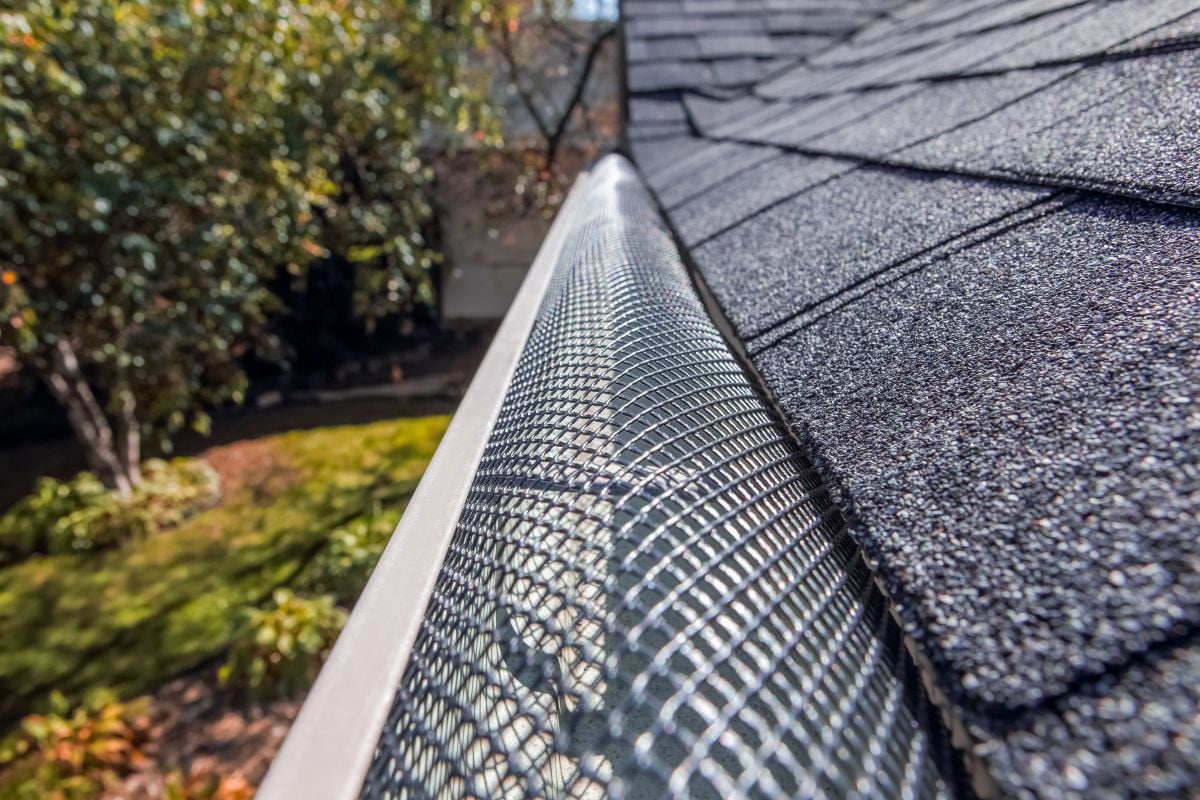
- Mesh or screen covers that block debris like leaves and twigs.
- Great for wooded properties in Peoria and surrounding areas.
- Extend the lifespan of your gutter system and reduce cleaning needs.
4. Fascia Gutters
- Attached directly to the roof’s fascia board, eliminating the need for separate gutters.
- Offer a clean, integrated look for modern homes.
Key Benefits of Professional Gutter Installation
While some homeowners try DIY installation, professional services ensure long-term reliability, safety, and precision. Here’s why hiring experts pays off:
- Accurate Sizing: Professionals calculate exact slopes and downspout spacing for optimal drainage.
- Seamless Construction: On-site fabrication minimizes leaks and maximizes efficiency.
- Proper Sealing and Alignment: Prevents sagging, overflow, and water damage.
- Warranty Coverage: Many contractors offer warranties on both materials and workmanship.
- Safety and Compliance: Professionals adhere to building codes and use proper safety equipment.
In Peoria and surrounding areas, where heavy rainfall and snow can challenge drainage systems, professional installation ensures your gutters perform reliably year after year.
Gutter Maintenance Tips for Homeowners
Once installed, keeping your gutters in good condition is vital to maintaining your home’s protection.
1. Clean Regularly
Remove debris such as leaves, twigs, and dirt at least twice a year—especially in spring and fall. Clogged gutters can cause overflow and foundation damage.
2. Inspect After Storms
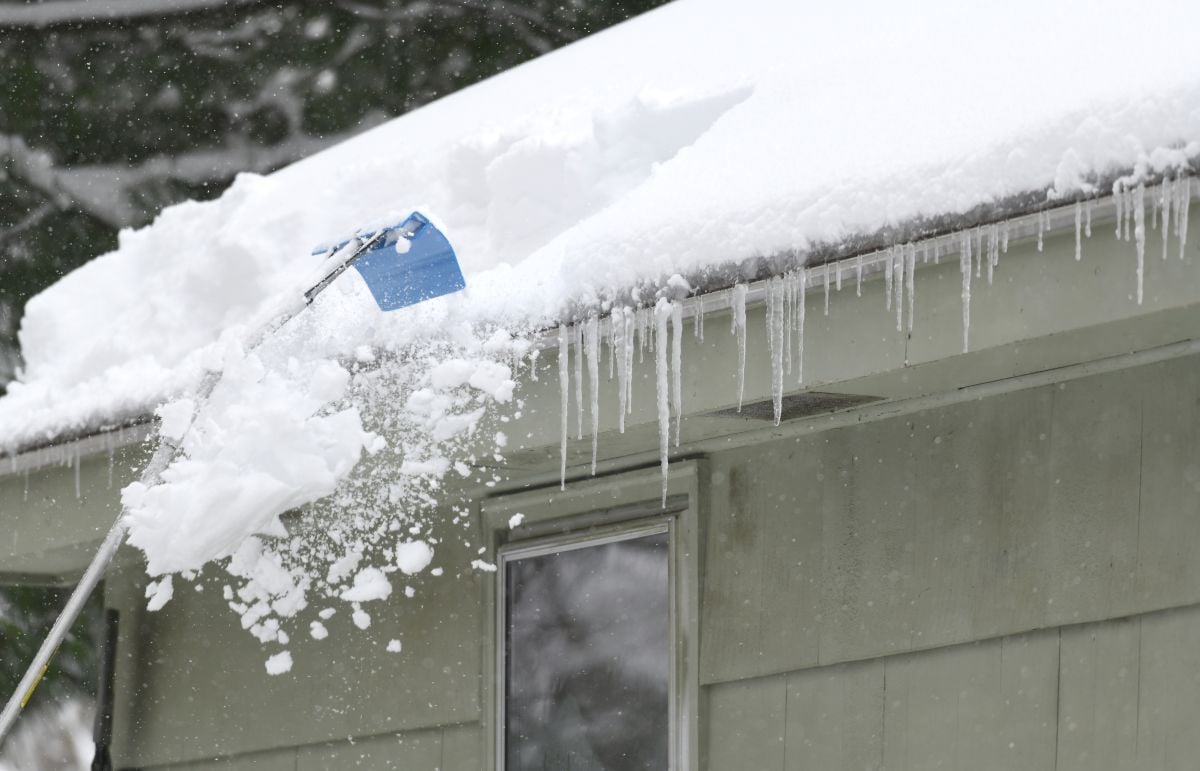
Check for loose hangers, leaks, or bent sections following heavy storms or snowfall.
3. Check Slope and Alignment
If you notice standing water, your gutters may have shifted. Re-adjusting the slope ensures smooth flow toward downspouts.
4. Install Gutter Guards
They significantly reduce cleaning frequency by keeping debris out while allowing water to pass through.
5. Schedule Annual Professional Inspections
An expert can spot small issues before they become major problems, saving you time and money in the long run.
Comparing Gutter Materials
| Material | Durability | Maintenance | Cost | Appearance |
| Aluminum | High | Low | Affordable | Versatile, paintable |
| Steel | Very High | Moderate | Moderate | Strong, industrial look |
| Copper | Exceptional | Low | Premium | Elegant, develops patina |
| Vinyl | Moderate | High | Low | Limited color options |
Aluminum remains the most popular choice due to its balance of performance, cost, and ease of installation—especially in Midwest climates like Peoria and surrounding areas.
Protect Your Home with ROOF TIGER
A properly installed gutter system is one of the simplest yet most effective ways to protect your home from water damage, erosion, and costly repairs. By understanding how gutters work and ensuring they’re installed correctly, you can extend the lifespan of your roof, siding, and foundation.
At ROOF TIGER, we proudly help homeowners in Peoria and surrounding areas safeguard their properties with durable, high-performance gutter systems. From seamless installations to maintenance and upgrades, our team delivers expert service and quality materials built to withstand the Midwest’s toughest weather.
If you’re ready to improve your home’s protection or schedule a free inspection, contact us today at ROOF TIGER to speak with one of our experts and explore the best gutter options for your home.


Ferocious Roofing

They are extremely professional and responsive, made some great suggestions along the way, and handled every little issue that came up without complaint.
Vince B

