

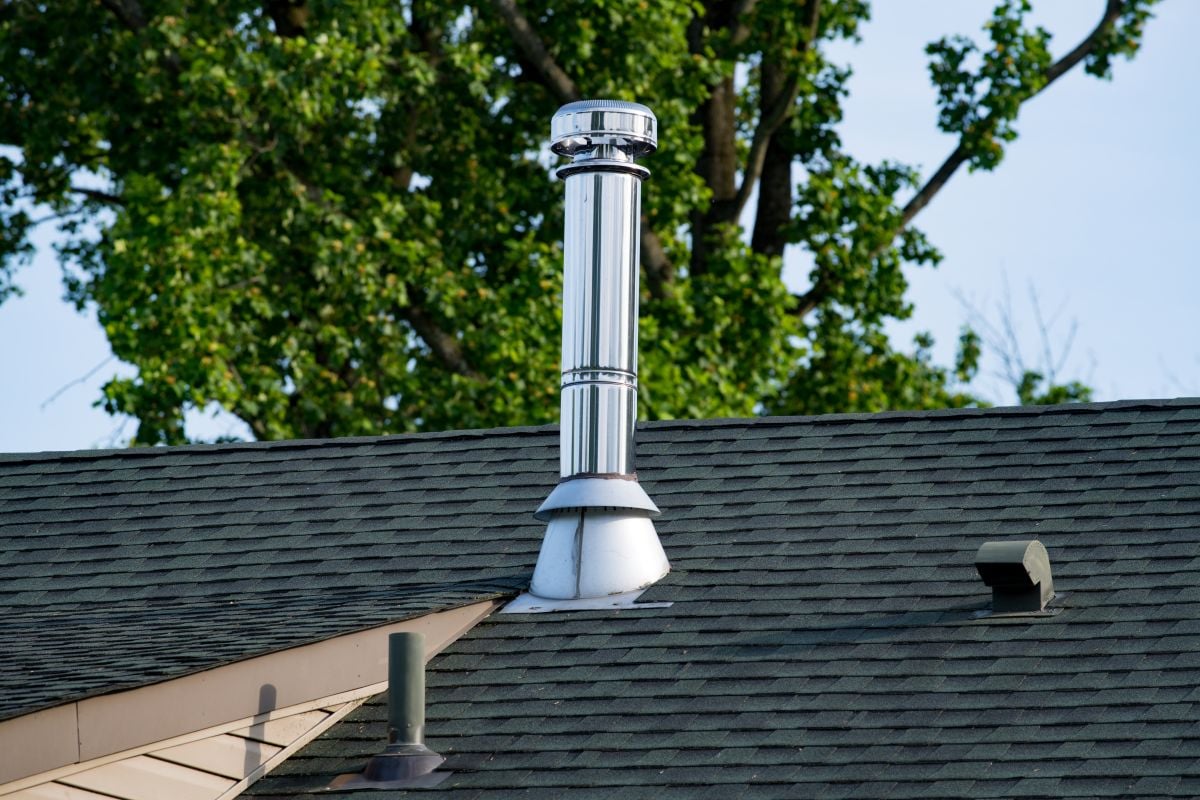
Roof Vent Installation (Why It Matters & How to Do It)
Your roof does more than keep the rain out—it plays a major role in your home’s energy efficiency and indoor comfort. One of the most overlooked components of that system is ventilation. A well-executed roof vent installation helps regulate attic temperatures, reduce moisture buildup, and extend the life of your roofing materials. For homeowners in Garner, NC and surrounding areas, installing or upgrading vents is a smart move—especially with our seasonal heat and humidity.
If you’re not sure where to start, understanding the process and its benefits will help you make informed decisions. You can also explore how ventilation solutions are customized based on roof style, materials, and insulation.
In this guide, you’ll learn:
- Why proper roof ventilation is essential year-round
- The steps involved in installing new roof vents
- Signs your current ventilation may be failing
- Common mistakes to avoid
- Tips to maintain peak performance after installation
What Makes Roof Ventilation So Important?
Without ventilation, your attic becomes a trap for heat and humidity. That can lead to mold, warped wood, and even premature roof failure. Whether you’re building a new home or upgrading an existing one in Garner, NC and surrounding areas, good ventilation can make a noticeable difference in performance and comfort.
- Energy Efficiency: Roof vents expel hot air from your attic in the summer, reducing the load on your air conditioning system.
- Moisture Control: Proper airflow prevents condensation and mildew during cooler months, protecting your insulation and framing.
- Shingle Longevity: Overheated attics can cause shingles to deteriorate faster, especially in areas with strong sunlight exposure.
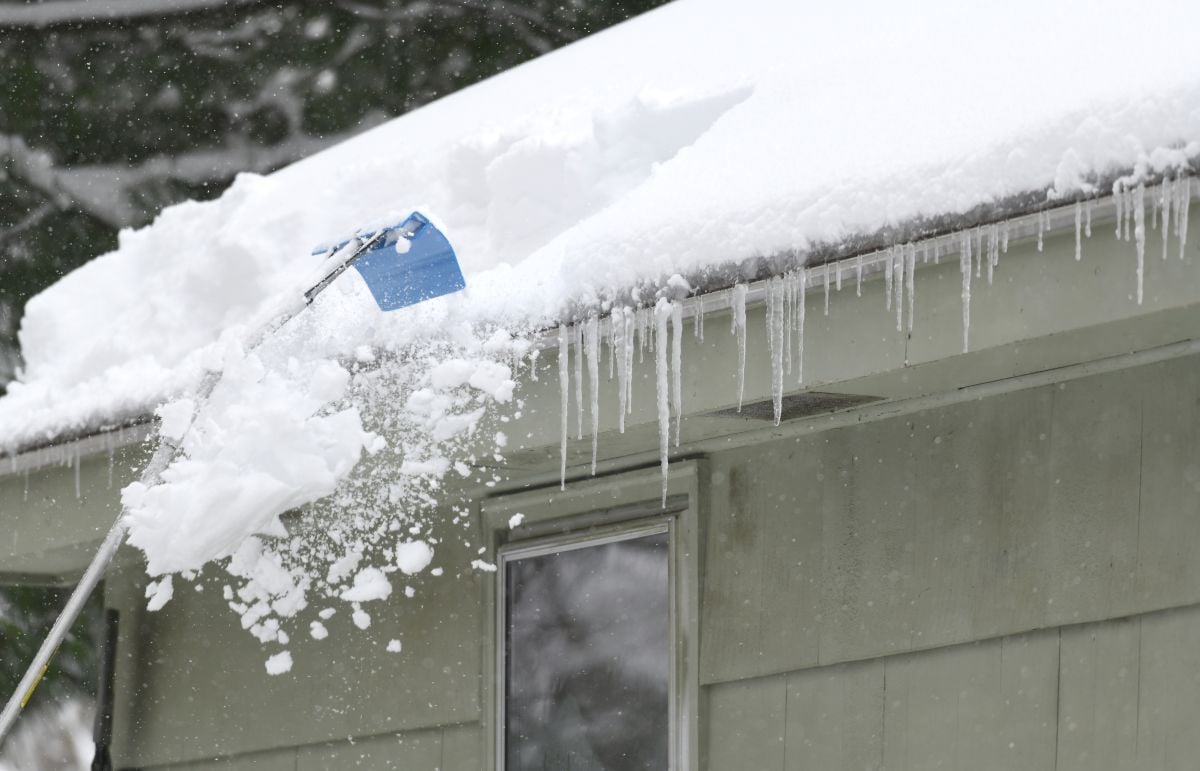
- Ice Dam Prevention: In colder climates, roof vents help prevent ice dams by keeping roof temperatures more even.
- Improved Indoor Comfort: Balanced ventilation stabilizes home temperatures, reducing drafts and uneven heating or cooling.
6 Steps for a Proper Roof Vent Installation
Whether you’re adding vents to an older home or replacing worn-out systems, the installation process follows a structured series of steps. Each part is important to ensure optimal airflow and long-term results.
1. Evaluate Existing Ventilation
The first step is assessing the current system—or lack thereof. Many homes have inadequate ventilation that can go unnoticed until damage occurs.
- Measure attic square footage
- Inspect for signs of mold, rusted nails, or moisture stains
- Check for soffit or gable vents that may be blocked or failing
A proper evaluation determines how much airflow is needed based on your home’s size and roof type.
2. Choose the Right Type of Roof Vents
There are multiple vent styles, and your choice depends on your home’s layout, roof slope, and airflow needs.
- Ridge Vents: Installed at the peak of the roof, ideal for continuous airflow
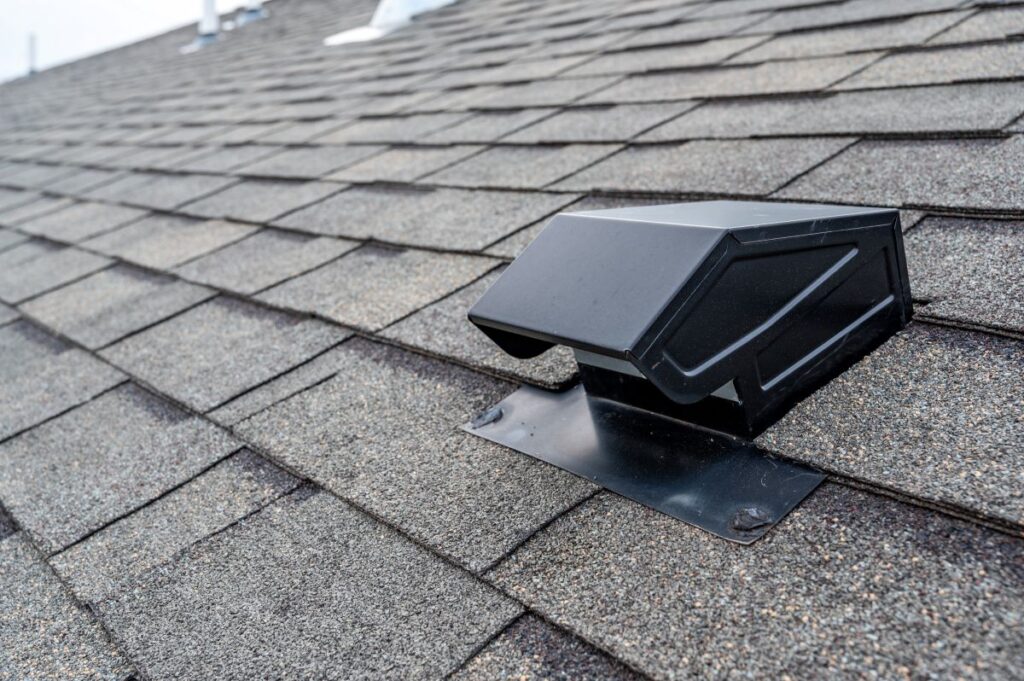
- Box Vents (Static Vents): Simple, low-profile vents that require no electricity
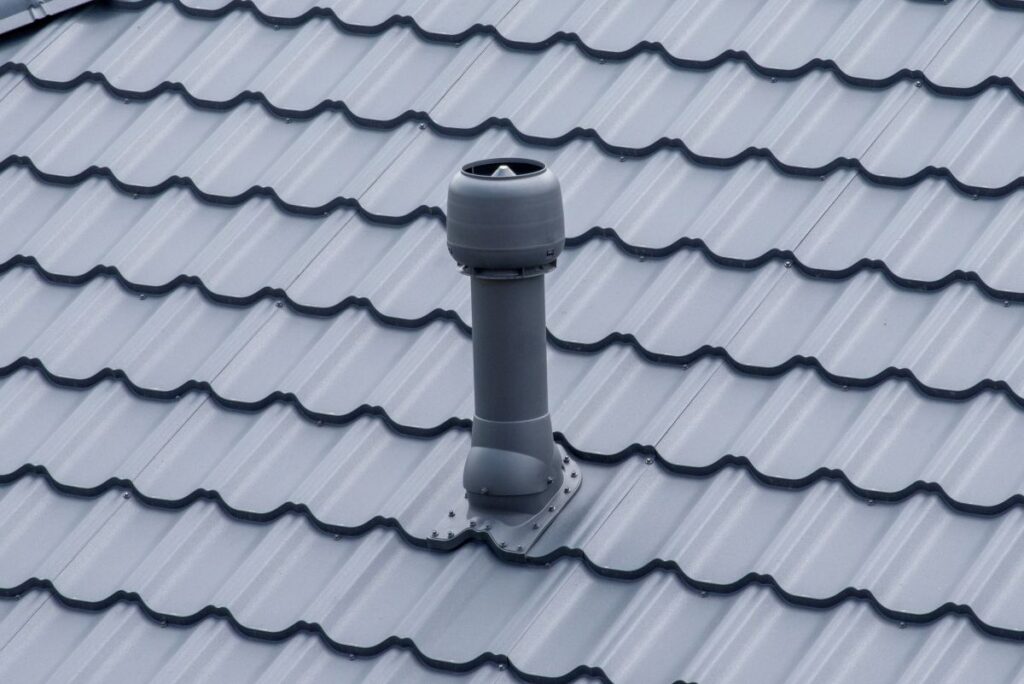
- Turbine Vents: Wind-powered, spin to pull hot air out passively
- Powered Attic Fans: Electrically powered, often with a thermostat control
- Soffit Vents: Placed under the eaves to allow cool air into the attic
Most homes benefit from a combination of intake (e.g., soffit) and exhaust (e.g., ridge or box) vents.
3. Plan Vent Placement and Airflow Balance
A balanced system includes intake and exhaust points that create a natural flow of air through the attic space.
- Intake vents are placed low (soffit or eaves)
- Exhaust vents are installed high on the roof (ridge or gable)
- Avoid mixing vent types improperly, which can interrupt air patterns
Your installer will calculate how many vents are needed based on square footage and roof pitch.
4. Cut Openings in the Roof Deck
After marking vent locations, the roofing crew will cut precise holes into the deck. This step requires care to avoid damaging rafters, wiring, or insulation.
- Safety is critical during this phase, especially on steep roofs
- The underlayment around the openings is trimmed and re-secured
- Temporary coverings may be used if weather conditions change
Installers often complete this step quickly to minimize exposure to rain or debris.
5. Install and Seal the Vents
Once the openings are cut, the chosen vents are fitted and sealed with flashing and roofing cement to prevent leaks.
- Flashing is slid under shingles and nailed into place
- High-quality sealants are used around the base
- Vents are secured to prevent wind or storm damage
Professional crews also ensure vent caps and screens are intact to prevent rodent or insect intrusion.
6. Inspect and Test Airflow
Before wrapping up the job, a final inspection is performed to ensure all vents are secure and functioning.
- Check that intake and exhaust are balanced
- Ensure no insulation is blocking soffit vents
- Use smoke tests or infrared cameras if needed to visualize airflow
Some contractors may offer attic temperature monitoring to track improvements post-installation.
Signs Your Home Needs Better Roof Ventilation
If you’re unsure whether your home in Garner, NC and surrounding areas needs a ventilation upgrade, keep an eye out for these common warning signs:
- Uneven Temperatures in the Home: Attics without proper airflow trap heat, leading to rooms that are too hot or too cold
- High Energy Bills: Without ventilation, your HVAC system works harder to regulate temperature
- Mold or Mildew in the Attic: Moisture without escape builds up and creates perfect conditions for growth
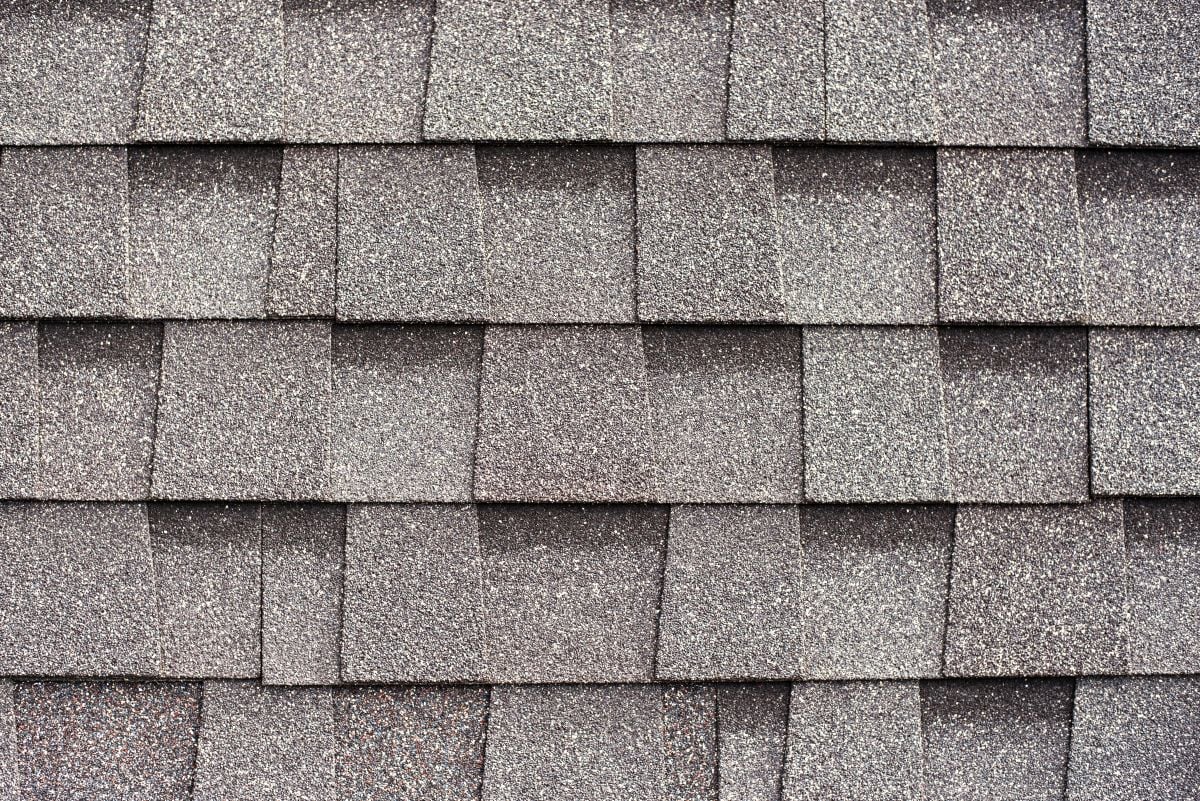
- Roof Shingle Curling or Cracking: Overheated roof decks can cause premature deterioration of asphalt shingles
- Rusty Nails or Damp Insulation: Signs of excess humidity and condensation near the roof framing
- Persistent Ice Dams (in colder months): Poor ventilation allows heat to rise and melt snow unevenly, causing refreezing at the eaves
Comparing Roof Ventilation Types
Different vent systems offer different benefits. Here’s a simplified comparison to help you understand what may work best for your home.
| Vent Type | Power Source | Best For | Pros | Cons |
| Ridge Vent | Passive | Most standard sloped roofs | Hidden profile, balanced airflow | Requires full ridge installation |
| Box Vent (Static) | Passive | Small-to-medium attics | Simple, no moving parts | Requires multiple units |
| Turbine Vent | Wind-powered | Homes in breezy areas | Increases airflow in wind | Noisy or ineffective without wind |
| Powered Attic Fan | Electric | Hot, humid climates | Controlled by thermostat | Adds to energy use |
| Soffit Vent | Passive | Paired with exhaust systems | Low profile, improves intake | Can be blocked by insulation |
Consulting a roofing expert is the best way to tailor these options to your home’s layout and climate.
Tips for Long-Term Ventilation Success
Proper installation is just the beginning. To keep your roof vent system performing well for years, follow these key maintenance tips:
Keep Soffit Vents Clear
- Insulation baffles prevent insulation from blocking airflow
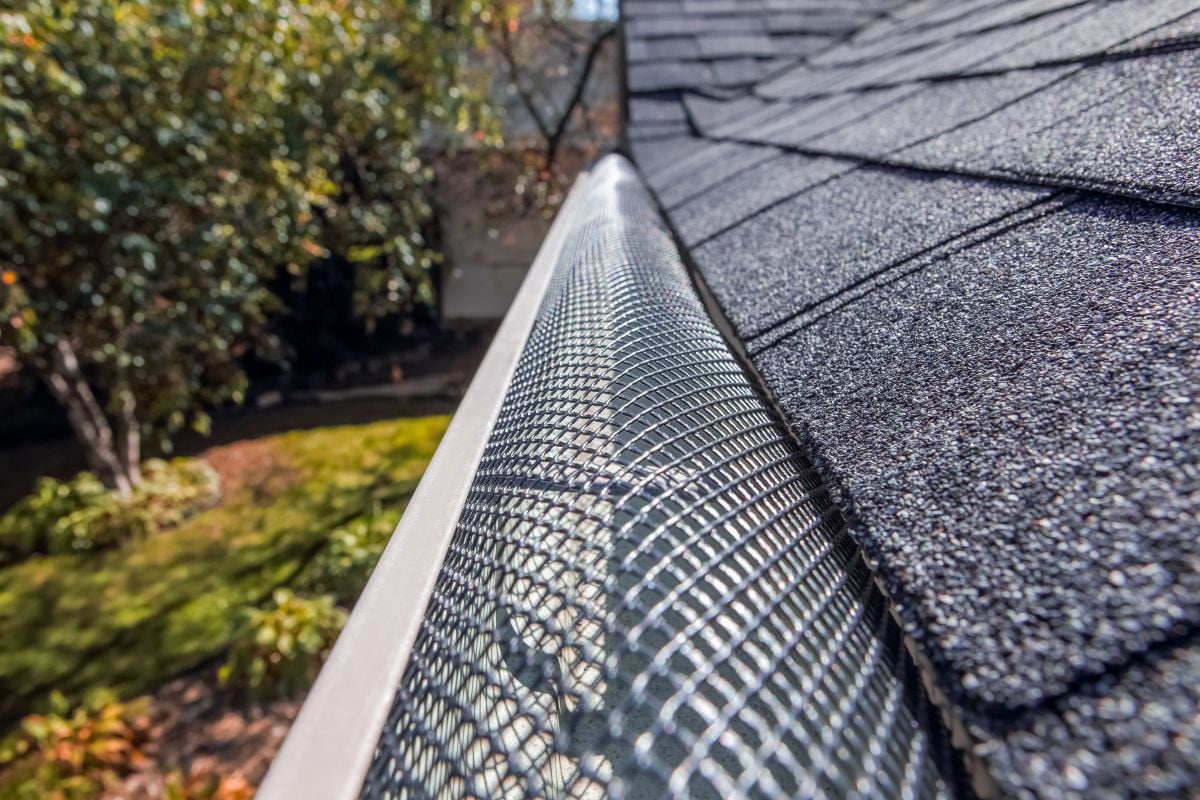
- Clean debris like leaves or dirt from exterior vents annually
Check Vent Screens and Caps
- These prevent pests from entering but can become damaged or clogged
- Replace any broken or missing pieces right away
Re-seal Flashing as Needed
- Over time, roofing cement or caulk can dry out or crack
- Reapply sealant every few years, especially after heavy storms
Monitor Attic Temperatures
- Smart attic fans or temperature monitors can alert you to problems early
- Some systems pair with home automation setups
Schedule Roof Inspections Every 1–2 Years
- Vent damage is often missed during self-inspections
- Professionals can check seals, airflow, and surrounding shingles
Considering Roof Vent Installation in Garner, NC?
If you’re dealing with high energy bills, attic humidity, or rooms that never seem to stay comfortable, roof vent installation may be the missing piece. In climates like Garner, NC and surrounding areas, ventilation is not just a bonus—it’s essential for protecting your roof, reducing long-term costs, and keeping your home healthy year-round.
Whether you’re upgrading your current system or building new, it’s worth getting professional input. For expert vent recommendations, a roof inspection, or a full system install, contact us today to schedule your appointment with ROOF TIGER.

Ferocious Roofing

They are extremely professional and responsive, made some great suggestions along the way, and handled every little issue that came up without complaint.
Vince B

