


3 Types Of Roof Underlayment To Consider For Your Roof
When it comes to protecting your home, the materials beneath your shingles matter just as much as what’s on top. One of the most critical yet often overlooked components of your roofing system is the roof underlayment—the moisture barrier that shields your roof deck from water intrusion, heat, and ice. For homeowners in Morton and surrounding areas, where changing seasons bring everything from humid summers to heavy snowfall, choosing the right underlayment can make the difference between decades of worry-free protection and costly repairs.
If you’re looking to upgrade or replace your roofing system, understanding the different layers involved is essential. You can learn more about the installation process and high-quality materials by visiting our roofing services page, where we detail the techniques and products that keep your home safe from the elements.
Here’s what you’ll learn in this guide:
- What roof underlayment is and why it’s vital for your home
- The main types of underlayment used today and how they compare
- The pros and cons of each material type
- Tips for choosing the right option for your roof and climate
- Expert insights on installation and maintenance best practices
Why Roof Underlayment Is So Important
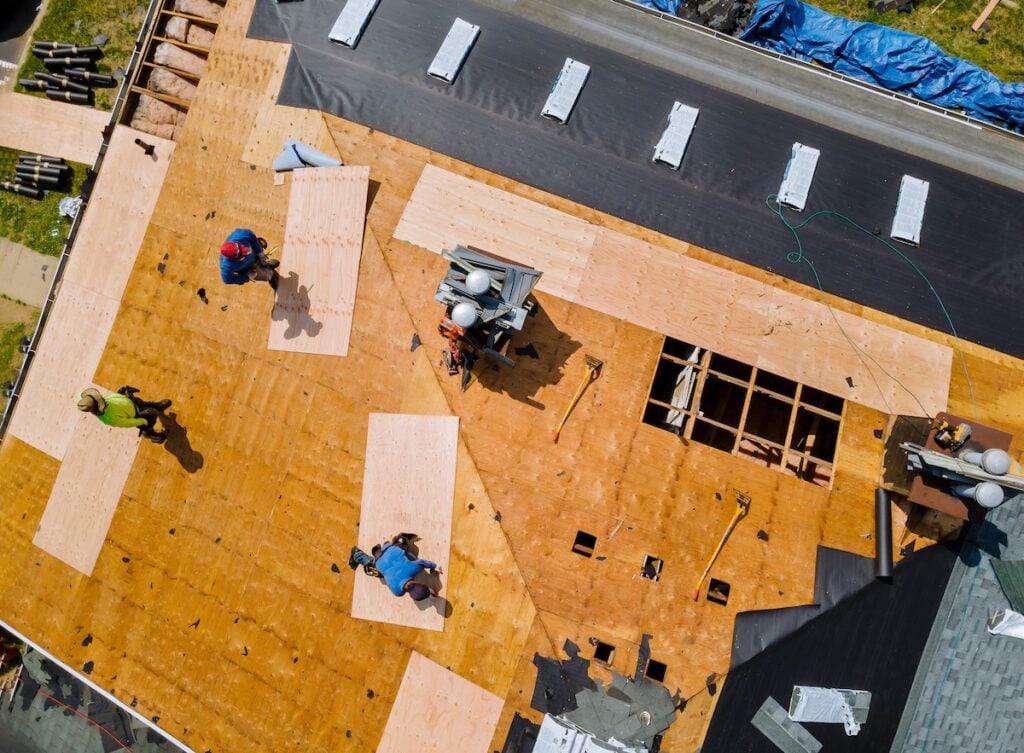
While shingles are your roof’s first visible line of defense, underlayment is what truly keeps your home dry. It acts as a protective barrier between the roof deck and the outer layer of shingles, preventing moisture infiltration and improving insulation. Whether it’s driving rain or melting snow, underlayment ensures your home stays safe from water damage.
Here are some reasons it’s such a crucial component of every roofing system:
- Moisture Protection: Underlayment prevents water from reaching the wood decking, reducing the risk of rot, mold, and structural decay.
- Added Durability: It creates a secondary waterproof layer that protects against leaks caused by damaged or missing shingles.
- Temperature Regulation: Some types of underlayment help insulate your roof, maintaining a more consistent indoor temperature throughout the year.
- Wind and Ice Resistance: Properly installed underlayment shields your home from ice dams, condensation, and wind-driven rain.
- Improved Longevity: By reinforcing your roof’s structure, underlayment helps extend the lifespan of both your shingles and roof deck.
3 Types Of Roof Underlayment To Consider
There are three main types of roof underlayment commonly used in modern roofing systems: asphalt-saturated felt, synthetic underlayment, and rubberized asphalt. Each material has distinct characteristics, benefits, and ideal use cases. Homeowners in Morton and surrounding areas can use this breakdown to determine which fits their needs best.
1. Asphalt-Saturated Felt
Also known as felt paper or tar paper, asphalt-saturated felt is the oldest and most traditional type of underlayment. It’s made by soaking a heavy paper or fiberglass mat in asphalt to create a water-resistant barrier.
Advantages:
- Cost-effective and widely available
- Provides solid water resistance when installed correctly
- Compatible with most shingle types
Disadvantages:
- Prone to tearing during installation or under strong winds
- Can absorb moisture over time, leading to reduced effectiveness
- Heavier and harder to work with than newer materials
Best for:
Budget-conscious homeowners or those restoring older homes that originally used felt underlayment. It’s suitable for moderate climates with fewer extreme weather fluctuations.
2. Synthetic Underlayment
In recent years, synthetic underlayment has become the go-to choice for professional roofers. Made from woven or spun polypropylene or polyethylene, it’s lightweight yet incredibly durable.
Advantages:
- Resistant to mold, moisture, and UV exposure
- Easy to install thanks to its lightweight construction
- Provides superior tear resistance and long-lasting protection
- Offers excellent traction for workers during installation
Disadvantages:
- Higher upfront cost compared to felt paper
- Not all products are fully waterproof (some are only water-resistant)
- Can vary in quality depending on the manufacturer
Best for:
Modern homes in Morton and surrounding areas that need durable, low-maintenance protection against year-round weather changes. Synthetic underlayment is particularly effective on steep roofs or where extended exposure before shingle installation is expected.
3. Rubberized Asphalt
Rubberized asphalt is the premium choice for homeowners who want maximum protection. It’s a self-adhering, waterproof membrane made with rubber polymers and asphalt, designed to create a watertight seal over the roof deck.
Advantages:
- 100% waterproof and self-sealing around nail penetrations
- Excellent resistance to heat, cold, and moisture
- Ideal for high-risk areas such as valleys, eaves, and low slopes
Disadvantages:
- More expensive than other types of underlayment
- Requires careful installation to prevent bubbling or wrinkling
- May need additional ventilation to prevent heat buildup
Best for:
Homes exposed to extreme weather or heavy rainfall. In Morton and surrounding areas, where freezing temperatures can cause ice dams, rubberized asphalt provides unbeatable leak prevention.
Key Factors To Consider When Choosing Roof Underlayment

Selecting the right underlayment involves more than just comparing prices. You’ll need to weigh performance, climate, and compatibility with your roofing material. Here’s what to keep in mind when deciding which type is right for your home:
- Climate Conditions:
Underlayment that performs well in dry climates may not fare as well in humid or snowy regions. Morton homeowners should prioritize materials that resist moisture and ice buildup. - Roof Slope:
Steeper roofs benefit from lightweight, slip-resistant underlayment like synthetic types, while lower slopes often need fully waterproof options like rubberized asphalt. - Budget:
Felt is the most affordable, but synthetic and rubberized materials offer better long-term savings by reducing maintenance and extending roof life. - Roofing Material Compatibility:
Asphalt shingles, metal roofing, and tile each have underlayment types best suited for their installation and performance requirements. - Installation Method:
Some underlayments require mechanical fasteners, while others are self-adhesive. Choosing the right one depends on your roof’s design and your contractor’s recommendation.
Comparing Roof Underlayment Types
| Feature | Asphalt-Saturated Felt | Synthetic Underlayment | Rubberized Asphalt |
| Durability | Moderate | High | Very High |
| Water Resistance | Moderate | High | Excellent |
| Ease of Installation | Moderate | Easy | Moderate |
| Lifespan | 10–20 years | 20–40 years | 40+ years |
| Cost | Low | Medium | High |
| Best Use | Mild climates | Most residential roofs | Extreme weather or low-slope roofs |
This comparison shows why synthetic underlayment has become the industry standard—it offers the best blend of performance, longevity, and affordability. However, homeowners looking for maximum waterproofing should consider rubberized asphalt, especially in areas prone to ice and snow.
Installation Insights For Long-Lasting Performance
Even the best materials won’t perform well without proper installation. A quality underlayment must be applied smoothly and securely to create an airtight, watertight seal beneath your shingles.
Here are some professional installation insights:
- Ensure a clean deck. The roof deck must be free of debris, nails, and moisture before underlayment installation.
- Follow manufacturer guidelines. Each product type has unique requirements for overlap, fastening, and sealing.
- Mind the overlaps. Overlapping layers by at least 4 inches prevents leaks and ensures consistent coverage.
- Seal valleys and eaves carefully. These areas are most vulnerable to water infiltration, so use extra adhesive or a secondary waterproof layer.
- Hire experienced roofers. Working with a certified roofing company ensures your underlayment is properly installed for maximum lifespan and performance.
Maintenance Tips For Protecting Your Underlayment
Although underlayment is hidden beneath shingles, maintaining it indirectly through roof care helps preserve its effectiveness.
- Inspect after storms. Check for missing shingles, leaks, or damaged flashing that could expose the underlayment.
- Keep gutters clean. Clogged gutters can cause water to back up under the shingles, soaking the underlayment.
- Address leaks quickly. Small leaks can spread fast. Prompt repair prevents damage from reaching the underlayment and roof deck.
- Schedule annual inspections. Regular roof checkups by professionals in Morton and surrounding areas help catch early signs of wear before they escalate.
Which Roof Underlayment Is Right For You?
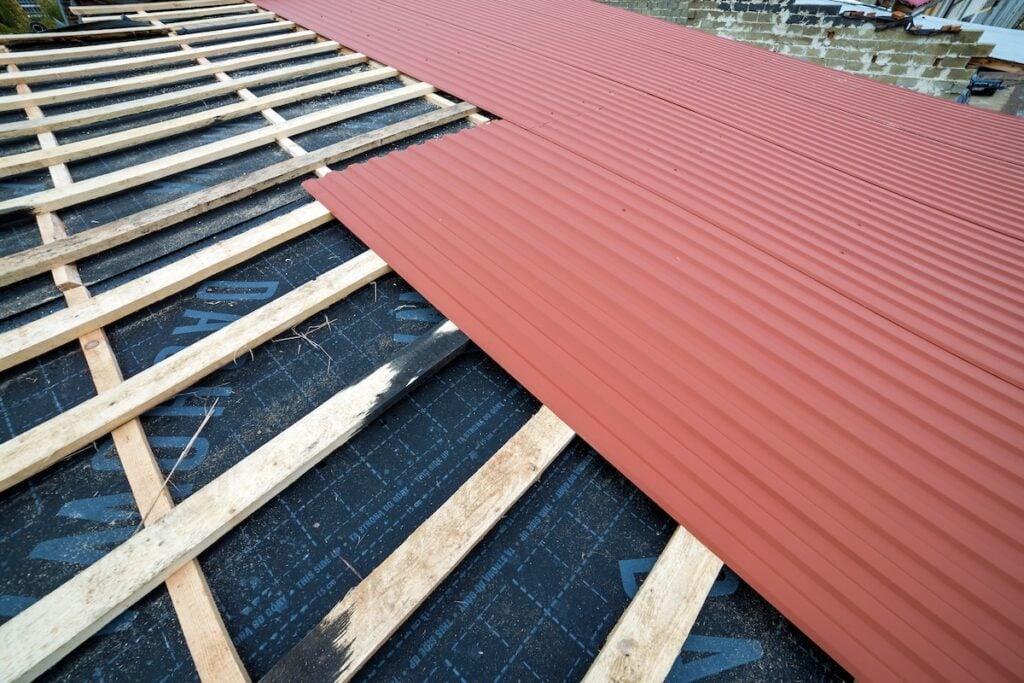
If you’re still unsure which type to choose, think about your long-term goals. Do you need cost-effective protection for a starter home? Felt might be sufficient. Want a low-maintenance, long-lasting solution for your family’s forever home? Synthetic underlayment is likely the best fit. And if you live in a region with heavy rain, snow, or ice, rubberized asphalt offers the ultimate peace of mind.
Roof underlayment may not be the first thing you notice on your home, but it’s one of the most important components for keeping your investment safe. Choosing the right product today can prevent thousands of dollars in future repairs.
Protect Your Roof Investment with ROOF TIGER
Every strong roof starts with a dependable foundation, and underlayment is at the heart of that protection. Whether you’re replacing your roof or installing a new one, choosing the right material ensures your home stays safe and dry through every season. The team at ROOF TIGER proudly serves homeowners in Morton and surrounding areas, offering expert guidance, premium materials, and skilled craftsmanship on every project.
If you’re ready to upgrade your roof or have questions about underlayment options for your home, contact us today to schedule your inspection or consultation.

Ferocious Roofing

They are extremely professional and responsive, made some great suggestions along the way, and handled every little issue that came up without complaint.
Vince B

