

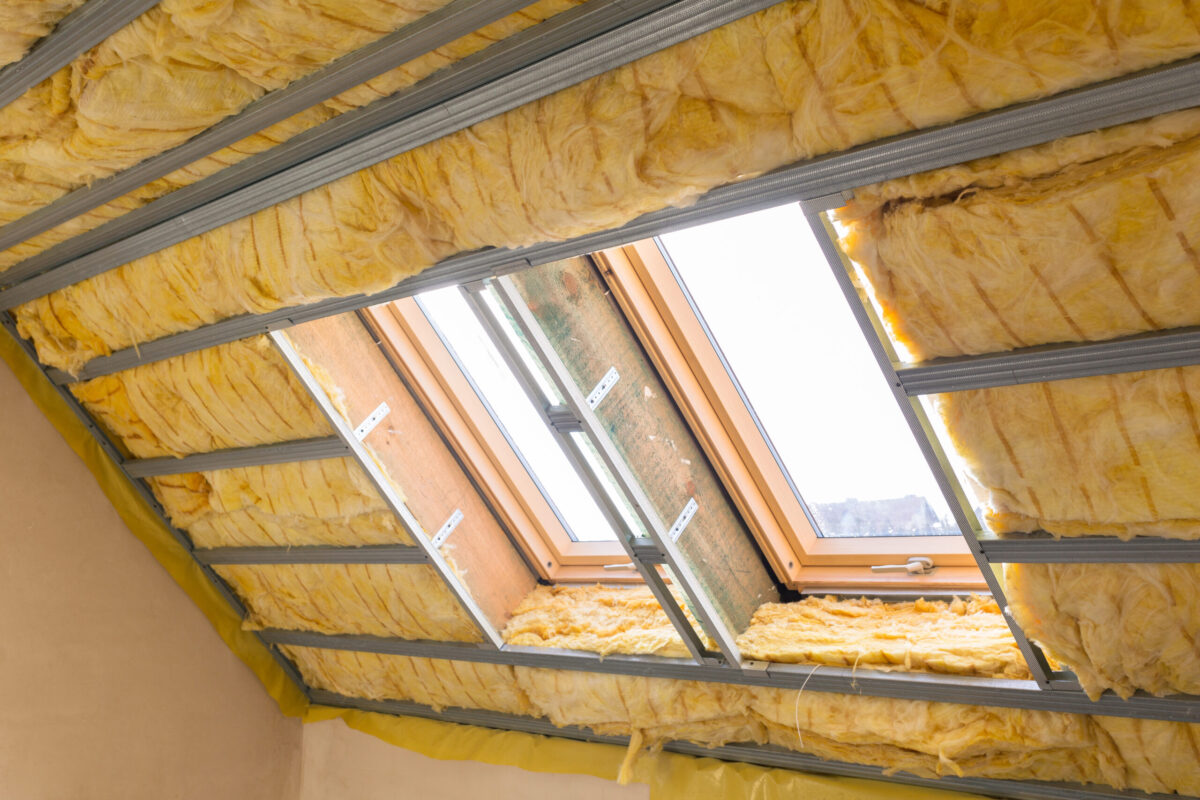
What Type Of Roof Insulation Is Best For Your Roof?
When it comes to home energy efficiency, few upgrades make a bigger difference than roof insulation. Proper insulation doesn’t just keep your home warm in the winter and cool in the summer—it also helps lower energy bills, prevent moisture buildup, and protect the structural integrity of your roofing system.
For homeowners in Pekin and surrounding areas, understanding which type of roof insulation is best for your home can mean the difference between comfort and wasted energy. Insulation acts as a protective barrier, improving temperature control while extending the lifespan of your roof. You can explore additional details about installation and materials by visiting our roofing services page, where we outline high-performance solutions for homes across the Midwest.
Here’s what you’ll learn in this guide:
- Why roof insulation plays a vital role in home comfort and efficiency
- The main types of roof insulation available today
- How to choose the right material for your specific roof type
- Tips for improving insulation performance and longevity
- When to replace or upgrade your existing insulation
Why Roof Insulation Matters for Homeowners
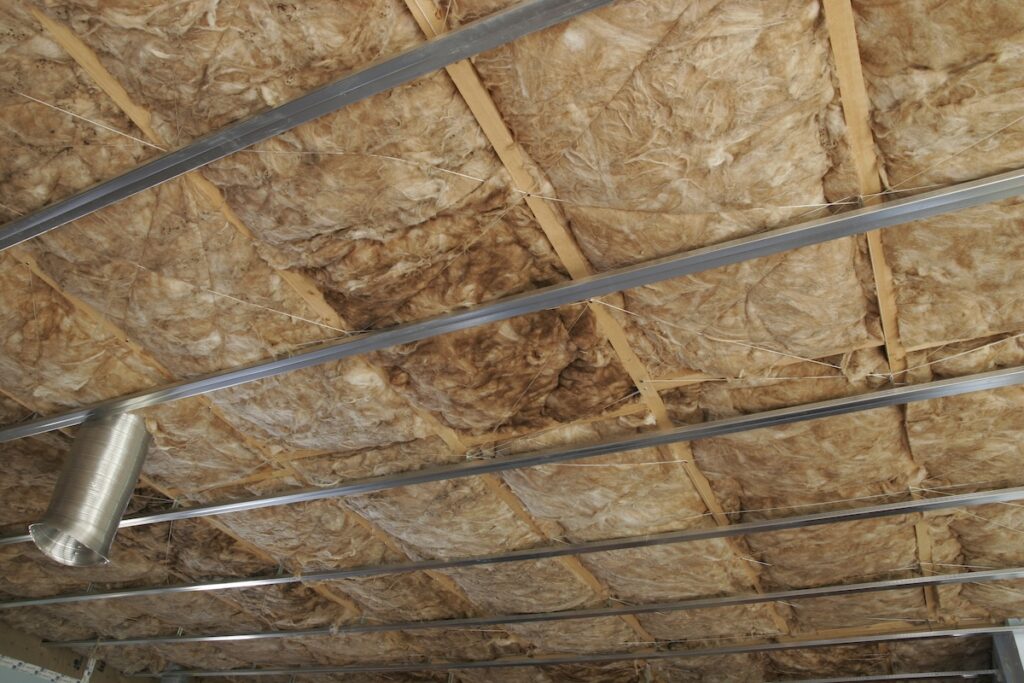
Roof insulation is one of those home components that quietly saves you money and keeps your living space comfortable year-round. Without proper insulation, your home can lose up to 25% of its heat through the roof, forcing your HVAC system to work harder and driving up energy costs.
Beyond comfort, insulation also plays a key role in maintaining your roof’s structural integrity and overall performance.
Here are the main benefits every homeowner should know:
- Energy Efficiency: Quality insulation reduces heat transfer, keeping indoor temperatures stable and lowering monthly energy bills.
- Moisture Protection: Insulation helps control condensation, which prevents mold growth, wood rot, and water damage.
- Noise Reduction: A well-insulated roof dampens outside sounds, creating a quieter indoor environment.
- Extended Roof Lifespan: By preventing thermal stress and moisture buildup, insulation protects roofing materials from premature wear.
- Improved Home Value: Energy-efficient homes with proper insulation often have higher resale value and lower operating costs.
In climates like Pekin and surrounding areas—where summers can be humid and winters cold—effective insulation is essential for year-round comfort and protection.
5 Common Types of Roof Insulation
There are several types of roof insulation materials available today, each with unique benefits depending on your roof design, budget, and energy goals. Let’s take a closer look at the most popular options and what makes them effective.
1. Fiberglass Insulation
Fiberglass is one of the most widely used insulation materials due to its affordability and versatility. It consists of fine glass fibers woven into batts, rolls, or loose-fill forms.
Best for: Attics, ceilings, and between roof rafters
Advantages:
- Cost-effective and easy to install
- Resistant to fire and pests
- Widely available in different R-values (a measure of insulation effectiveness)
Considerations:
- Must be installed with precision to avoid gaps or compression
- Can lose effectiveness if it becomes wet
2. Spray Foam Insulation
Spray foam insulation is applied as a liquid that expands into a dense, airtight barrier. It’s one of the most effective ways to seal gaps, cracks, and irregular spaces in roofing structures.
Best for: Sealing roof decks, attics, and hard-to-reach areas
Advantages:
- Excellent air-sealing properties for maximum efficiency
- Adds structural strength to the roof deck
- Prevents moisture infiltration and mold growth
Considerations:
- Higher cost than fiberglass or cellulose
- Requires professional installation
3. Rigid Foam Board Insulation
Rigid foam boards, also called foam panels, provide a high R-value per inch of thickness. They’re commonly used in flat or low-slope roofs but can also be installed under roof sheathing or in attic spaces.
Best for: Flat roofs, cathedral ceilings, and new constructions
Advantages:
- High thermal resistance
- Resistant to moisture, pests, and compression
- Lightweight and easy to handle
Considerations:
- Must be installed with precise fitting and sealing
- Can be more expensive than traditional batts
4. Cellulose Insulation
Made primarily from recycled paper treated with fire-retardant chemicals, cellulose insulation offers an eco-friendly and affordable option for attic insulation.
Best for: Attics and roof cavities in older homes
Advantages:
- Environmentally friendly and sustainable
- Excellent air-sealing properties when properly installed
- Good soundproofing performance
Considerations:
- Can settle over time, reducing insulation effectiveness
- Sensitive to moisture if not properly sealed
5. Mineral Wool Insulation
Also known as rock wool or slag wool, mineral wool is made from natural stone or recycled industrial materials. It’s known for its high fire resistance and sound-dampening qualities.
Best for: Attics, walls, and industrial or commercial applications
Advantages:
- Fire-resistant and non-combustible
- Water-repellent yet breathable
- Exceptional sound insulation
Considerations:
- Heavier than other insulation types
- Typically more expensive than fiberglass
Factors to Consider When Choosing Roof Insulation
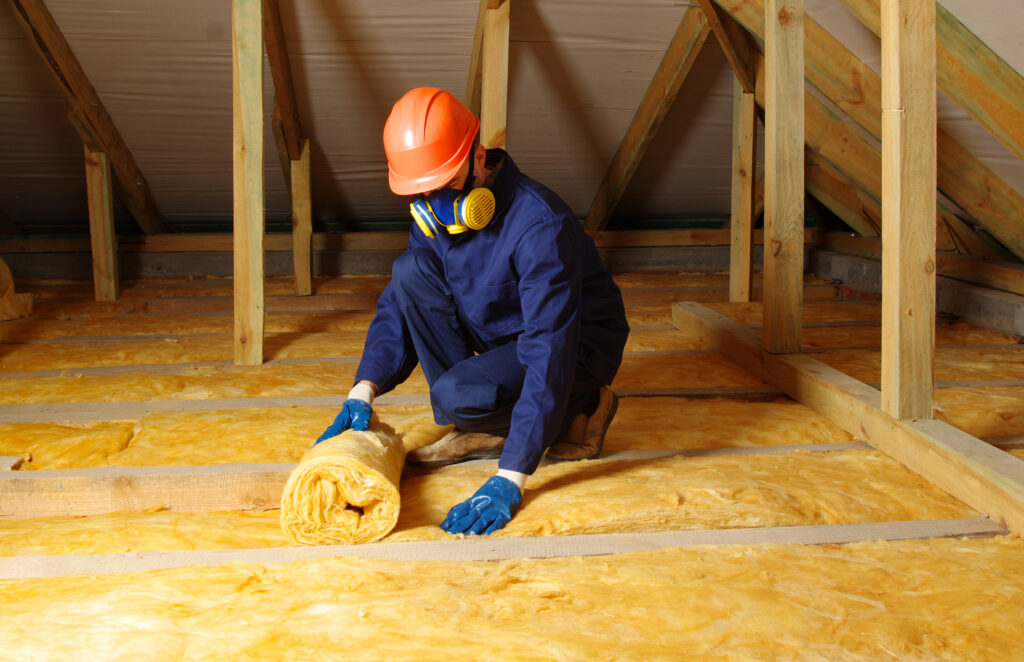
Choosing the right insulation depends on several factors unique to your home’s structure, climate, and needs. Here’s what to keep in mind before making a decision.
- R-Value Requirements: The R-value measures how effectively insulation resists heat transfer. The higher the R-value, the better the insulation. For homes in Pekin and surrounding areas, the U.S. Department of Energy recommends attic insulation with an R-value between R-49 and R-60.
- Roof Type: Your roof design influences which insulation type works best.
- Flat roofs: Rigid foam boards or spray foam insulation
- Pitched roofs: Fiberglass batts, mineral wool, or cellulose
- Cathedral ceilings: Spray foam or foam board for space efficiency
- Budget and Installation: While fiberglass is affordable, materials like spray foam offer greater long-term savings through reduced energy costs.
- Moisture and Ventilation: Proper ventilation prevents condensation and protects insulation from moisture damage.
- Environmental Impact: If sustainability is a priority, cellulose or mineral wool insulation are environmentally friendly options that use recycled content and reduce waste.
How Roof Insulation Improves Energy Efficiency
Good insulation doesn’t just make your home more comfortable—it transforms your energy usage.
- Reduces Heating and Cooling Costs: Insulation minimizes heat exchange, meaning your HVAC system doesn’t have to work as hard. This can lower energy bills by up to 20%.
- Prevents Ice Dams in Winter: Insulation helps maintain consistent roof temperatures, reducing ice dam formation.
- Stabilizes Indoor Temperatures: Keeps living spaces comfortable year-round, eliminating hot or cold spots.
- Increases HVAC Lifespan: Less workload on your system means fewer repairs and longer equipment life.
- Supports Energy Efficiency Certifications: Proper insulation often helps qualify homes for ENERGY STAR or green building certifications.
Comparing Roof Insulation Materials
| Insulation Type | Average R-Value (per inch) | Cost | Moisture Resistance | Fire Resistance | Best For |
| Fiberglass | 2.9–3.8 | Low | Moderate | High | Attics, ceilings |
| Spray Foam | 3.5–6.5 | High | Excellent | Moderate | Roof decks, gaps |
| Rigid Foam Board | 4.0–6.0 | Moderate | Excellent | High | Flat roofs |
| Cellulose | 3.2–3.8 | Low | Moderate | Moderate | Older homes |
| Mineral Wool | 3.0–3.3 | Moderate | Good | Excellent | Fire-prone areas |
While spray foam delivers the best air seal, fiberglass and cellulose remain cost-effective choices for standard attics. Rigid foam boards excel in modern or low-slope roofing systems that demand high thermal resistance.
Signs It’s Time to Upgrade Your Roof Insulation
Even the best insulation materials can lose effectiveness over time. Watch for these signs that your roof insulation may need replacement:
- Uneven indoor temperatures or frequent drafts
- Higher-than-usual energy bills
- Visible gaps, mold, or moisture stains in the attic
- Ice dams forming during winter
- Dust or allergens accumulating faster indoors
If you notice these issues, schedule a professional inspection to determine whether an insulation upgrade could help.
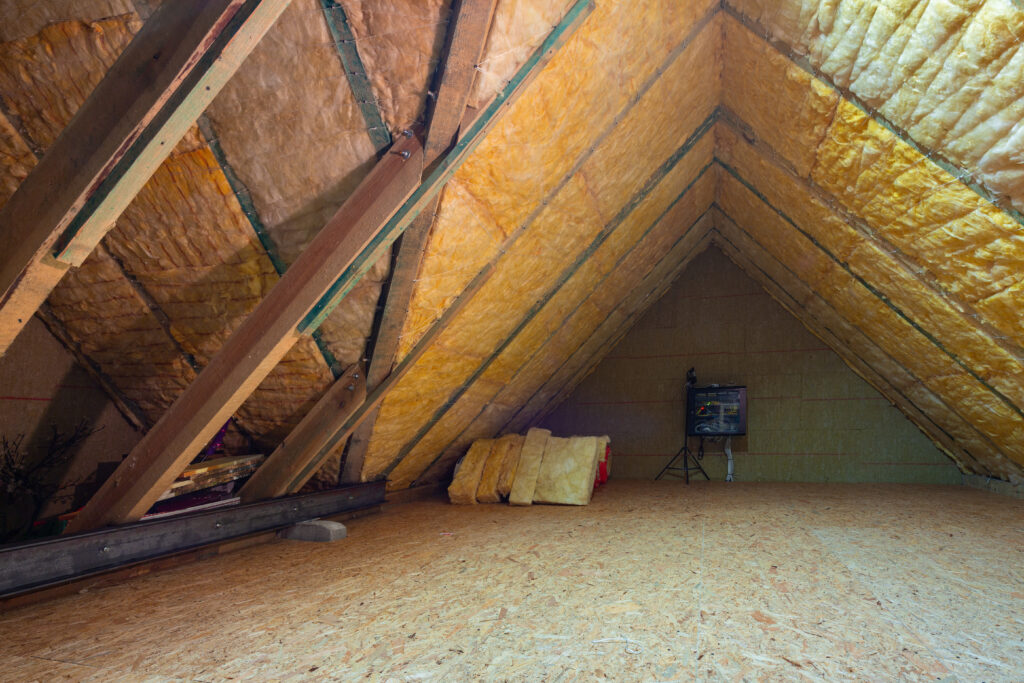
Improve Home Comfort with ROOF TIGER
Choosing the right roof insulation is one of the smartest investments you can make for your home’s comfort, efficiency, and longevity. The right material will not only lower your utility bills but also protect your home from moisture and temperature fluctuations year-round.
At ROOF TIGER, we help homeowners in Pekin and surrounding areas choose and install the perfect insulation to meet their home’s unique needs. Our team combines high-quality materials, expert craftsmanship, and honest recommendations to ensure long-lasting results and improved energy efficiency.
If you’re ready to make your home more comfortable and energy-efficient, contact us today at ROOF TIGER to schedule your free inspection and consultation.

Ferocious Roofing

They are extremely professional and responsive, made some great suggestions along the way, and handled every little issue that came up without complaint.
Vince B

