

Metal Roof Repair (7 Common Issues and Fixes)
Metal roofing is one of the most durable and energy-efficient roofing options available to homeowners. Known for its strength, longevity, and sleek appearance, it’s no surprise that more and more homes across East Peoria and surrounding areas are switching to metal systems. However, even the toughest roof isn’t immune to the effects of time and weather. When leaks, corrosion, or loose fasteners appear, timely metal roof repair is essential to prevent more serious issues down the road.
Regular maintenance and repairs help protect your home’s structure, preserve curb appeal, and extend your roof’s lifespan. If left unchecked, even a small problem can lead to water damage, insulation issues, or structural deterioration. You can explore durable, energy-efficient roofing options by visiting our roofing services page to learn more about our installation and repair solutions for residential and commercial properties.
Here’s what you’ll learn in this guide:
- Why regular metal roof maintenance is so important
- The most common issues homeowners encounter with metal roofs
- Step-by-step solutions for addressing and preventing these problems
- Tips to extend the lifespan of your roof
- When to call a professional roofer for help
Why Metal Roof Maintenance Matters
A metal roof is designed to last decades—often 40 to 70 years—but that lifespan depends on proper upkeep. Extreme temperature changes, heavy winds, and debris can cause minor damage that grows worse over time. Addressing issues early through maintenance and repair is the best way to protect your investment.
Here’s why regular inspection and care matter:
- Prevents Costly Damage: Small issues like loose screws or rust spots can escalate into major leaks or structural damage if ignored.
- Extends Roof Lifespan: Timely repairs keep the roof performing efficiently for its full expected life.
- Maintains Energy Efficiency: Metal roofs reflect sunlight, reducing energy use—but corrosion and gaps can weaken that performance.
- Protects Home Value: A well-maintained metal roof enhances your home’s resale value and aesthetic appeal.
- Ensures Warranty Validity: Many roofing warranties require regular maintenance to stay in effect.
In climates like East Peoria and surrounding areas, where weather patterns range from humid summers to icy winters, routine inspections and fast repairs are essential.
7 Common Metal Roof Issues and How to Fix Them
While metal roofs are known for durability, they can still face wear and tear from the elements. Below are the most frequent issues homeowners encounter—and how to fix them effectively.
1. Leaks and Loose Fasteners
Leaks are the most common issue with metal roofs. They often occur around screws, seams, and roof penetrations such as vents, chimneys, or skylights. Over time, screws can loosen due to expansion and contraction of the metal panels.
How to Fix It:
- Replace missing or rusted fasteners.
- Apply a high-quality sealant to any gaps or cracks around screw heads.
- For recurring leaks, consider upgrading to a gasketed screw system or having a professional re-tighten all fasteners.
Prevention Tip: Schedule an annual inspection to check for loose fasteners before the rainy season begins.
2. Rust and Corrosion
Although most modern metal roofs have protective coatings, exposure to moisture and salt in the air can lead to corrosion over time. This is particularly true for older roofs or those with scratched or damaged coatings.
How to Fix It:
- Use a wire brush to remove rust from affected areas.
- Apply a rust-inhibiting primer and repaint using a roofing-grade metal coating.
- For severe corrosion, the affected panel may need replacement.
Prevention Tip: Keep gutters clean and ensure proper drainage to minimize standing water.
3. Oil Canning
Oil canning refers to the wavy, uneven appearance that can develop on flat metal panels. While this is mostly a cosmetic issue, it can detract from your roof’s appearance and may indicate improper installation or thermal movement.
How to Fix It:
- Reinforce roof decking to provide better panel support.
- Install panels with proper spacing and fasteners to reduce stress.
- If the issue persists, consider replacing panels with thicker metal or textured finishes that resist distortion.
Prevention Tip: Always hire a roofing contractor experienced with metal roofing systems to ensure proper panel alignment and fastening.
4. Sealant Deterioration
Sealants are used around flashing, seams, and joints to create watertight barriers. Over time, UV exposure and temperature changes can cause them to dry out or crack.
How to Fix It:
- Remove old, failing sealant with a scraper.
- Clean the area thoroughly and apply new high-grade silicone or polyurethane sealant.
- Ensure all joints are sealed uniformly to prevent water infiltration.
Prevention Tip: Inspect sealants every 1–2 years, especially in high-sunlight areas.
5. Damaged Flashing
Flashing is one of the most critical parts of any roofing system—it prevents water from seeping into joints and transitions. In metal roofs, flashing can loosen or crack due to movement or poor installation.
How to Fix It:
- Remove damaged flashing sections and install new ones securely.
- Ensure fasteners are properly sealed and seams are watertight.
- Reapply roofing sealant around flashing to reinforce protection.
Prevention Tip: Check flashing during each roof inspection, especially around chimneys, skylights, and valleys.
6. Dents and Surface Damage
Metal roofs can dent from heavy hail, falling branches, or even foot traffic during maintenance. While minor dents are often cosmetic, deeper ones can cause drainage issues or weaken panels.
How to Fix It:
- For small dents, gently tap out the area using a rubber mallet and a wood block.
- Replace panels with severe dents that affect structure or drainage.
- Consider upgrading to thicker-gauge metal panels for improved impact resistance.
Prevention Tip: Trim nearby trees and avoid walking on panels unless necessary—and only in designated areas designed to bear weight.
7. Panel Separation or Lifting
Temperature fluctuations cause metal panels to expand and contract. Over time, this can cause panels to lift or separate from the roof decking, leaving seams vulnerable to leaks.
How to Fix It:
- Re-secure panels using appropriate fasteners and washers.
- Replace any damaged underlayment or flashing beneath separated panels.
- Apply sealant along seams to restore watertight protection.
Prevention Tip: Choose standing seam metal roofing systems that allow natural movement without compromising structure.
How to Maintain a Metal Roof for Long-Term Performance
A properly maintained metal roof can outperform most roofing systems—but it requires regular care. Simple maintenance steps can add decades to your roof’s life while saving you from major repair costs.
Schedule Routine Inspections
Inspect your roof twice a year (spring and fall) and after severe storms. Look for corrosion, loose screws, or debris buildup.
Keep Gutters Clean
Clogged gutters lead to standing water that accelerates corrosion. Clear them at least twice a year.
Trim Overhanging Branches
Falling debris and branches can scratch metal coatings or cause dents. Regular trimming reduces damage risk.
Clean the Roof Surface
Remove dirt, mildew, or pollen buildup with a mild detergent and soft brush. Avoid harsh chemicals that can degrade protective coatings.
Address Issues Promptly
Even small leaks or rust spots should be repaired quickly before they spread and compromise the structure.
Consider a Roof Coating
A reflective roof coating enhances waterproofing, reduces heat absorption, and extends the lifespan of your roof.
Comparing Metal Roof Repair vs. Replacement
Sometimes, repairs may not be enough to restore your roof’s integrity. Here’s a quick comparison to help you decide whether to repair or replace.
| Factor | Repair | Replacement |
| Cost | Lower upfront cost | Higher initial investment |
| Lifespan Extension | Adds 5–10 years | Resets lifespan (30–50 years) |
| Performance | Fixes localized issues | Resolves all underlying problems |
| Ideal For | Minor leaks, rust, or flashing damage | Widespread corrosion or structural failure |
| Energy Efficiency | Moderate improvement | Significant improvement with new materials |
If your metal roof is over 25 years old or has recurring leaks despite multiple repairs, it may be time to consider replacement.
Benefits of Professional Metal Roof Repair
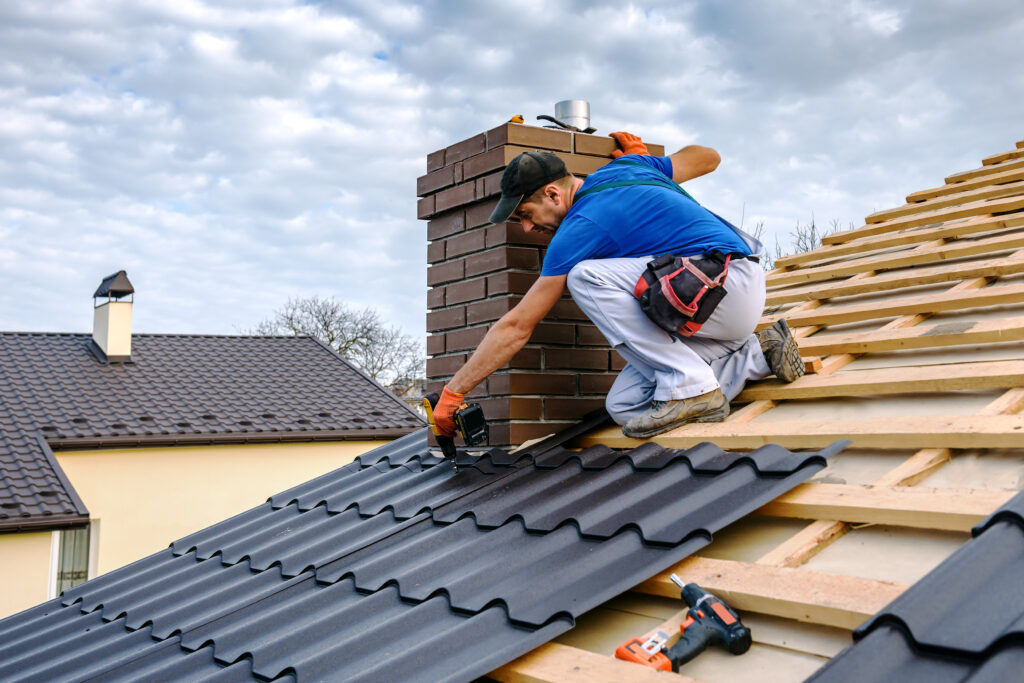
While some homeowners prefer DIY fixes, professional roofers bring expertise, tools, and safety measures that ensure lasting results.
1. Expert Diagnosis: Professionals identify hidden issues that untrained eyes may miss.
2. Proper Materials: Contractors use industry-approved sealants, fasteners, and coatings that match your roof type.
3. Warranty Protection: Many manufacturers’ warranties remain valid only if certified installers perform repairs.
4. Time and Safety: Roofers work efficiently and safely—especially on steep or high structures.
5. Long-Term Savings: Quality repairs extend your roof’s lifespan and minimize future maintenance costs.
For homeowners in East Peoria and surrounding areas, hiring a professional like ROOF TIGER ensures every repair is done correctly the first time.
Keep Your Metal Roof Strong with ROOF TIGER
Metal roofing is one of the most durable and energy-efficient options on the market, but even the strongest systems need occasional care. Addressing minor issues early helps prevent costly damage and ensures your home stays protected for decades to come.
At ROOF TIGER, we specialize in metal roof repair and maintenance for homeowners throughout East Peoria and surrounding areas. Our experienced team uses industry-leading materials, expert installation techniques, and a customer-first approach to keep your roof performing at its best.
Whether you’re dealing with leaks, rust, or loose panels, we’re here to help restore your roof’s integrity and appearance. For professional service and honest solutions, contact us today at ROOF TIGER to schedule your inspection or repair consultation.

Ferocious Roofing

They are extremely professional and responsive, made some great suggestions along the way, and handled every little issue that came up without complaint.
Vince B

