


Insurance Roof Replacement (How the Claim Process Works)
When severe weather strikes, your roof takes the brunt of the damage. Hail, strong winds, and falling debris can all leave behind issues that may not be visible right away. For many homeowners, an insurance roof replacement is the key to restoring their home’s safety and value without paying the entire cost out of pocket. Unfortunately, the process can feel confusing—especially if it’s your first time filing a claim. Knowing how to navigate each step can make the experience smoother and more transparent. To better understand how professional contractors handle storm inspections, repairs, and replacement coordination, explore ROOF TIGER’s roofing solutions as part of your research.
In this guide, you’ll learn:
- How the insurance claim process works for roof replacements
- What to expect at each stage of your claim
- Common mistakes homeowners make (and how to avoid them)
- The role your roofing contractor plays in documentation and inspection
- Tips for maximizing your insurance benefits in Washington and surrounding areas
Why Insurance Roof Replacement Matters
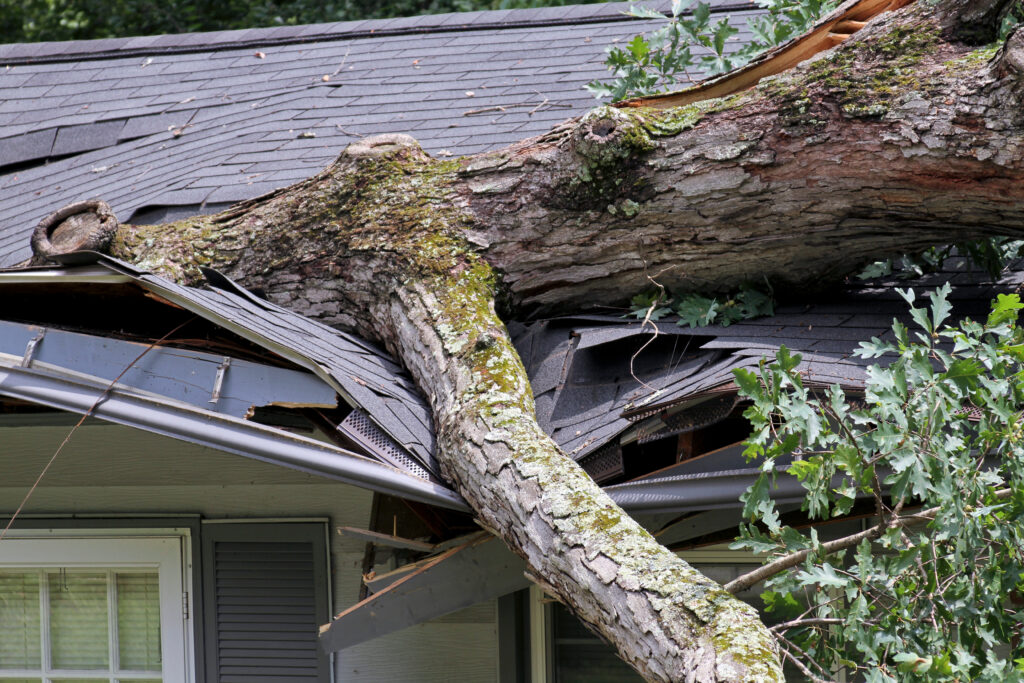
Your roof is one of your home’s biggest investments, but it’s also one of the most exposed to weather damage. Insurance roof replacement ensures that when unavoidable damage occurs, you aren’t left paying the full repair cost yourself. Homeowners in Washington and surrounding areas are no strangers to unpredictable storms, so understanding your policy and rights can make all the difference in protecting your property and finances.
Here are a few key reasons why this process matters:
- Financial Protection Homeowners insurance exists to cover unexpected damage from natural events, helping you recover without draining your savings.
- Structural Safety Severe storm damage can compromise your home’s structure. Timely replacement prevents leaks and interior deterioration.
- Property Value A new, professionally installed roof increases curb appeal and resale potential.
- Peace of Mind Knowing your coverage options and the claim process makes an otherwise stressful situation far easier to manage.
- Longevity Insurance-backed replacements often allow homeowners to upgrade to stronger materials, improving long-term performance.
Whether it’s hail dents, lifted shingles, or hidden leaks, early action is essential to getting your roof replaced quickly and correctly.
6 Key Steps in the Insurance Roof Replacement Process
Navigating roof insurance claims is easier when you understand what to expect. Below is a step-by-step breakdown of how the process typically works from start to finish.
1. Schedule a Professional Roof Inspection
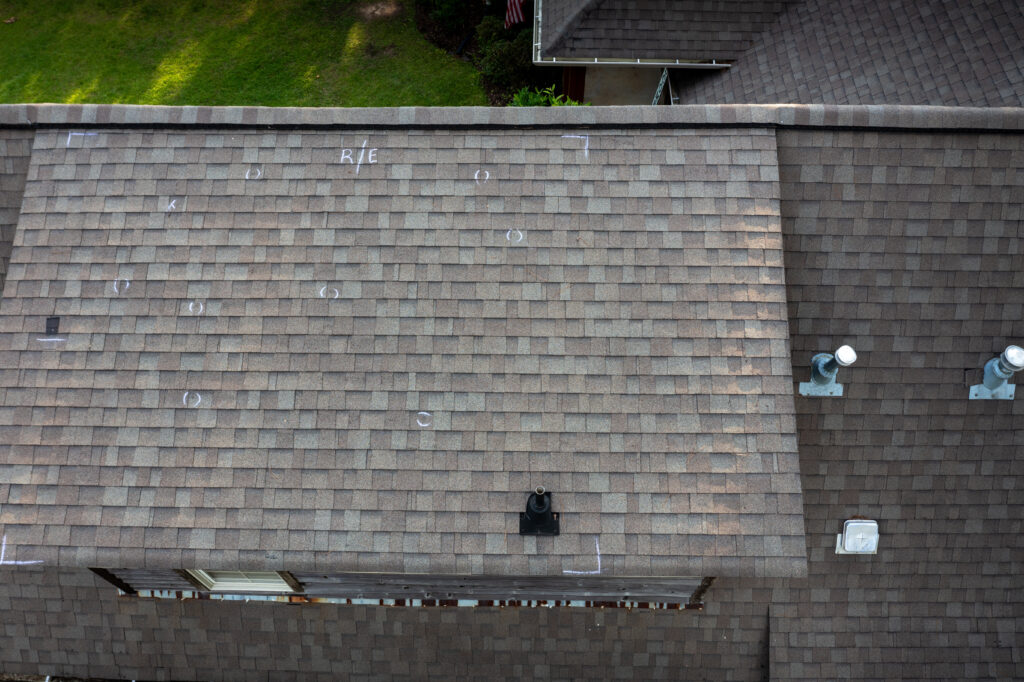
After a major storm or when you suspect damage, your first step should always be scheduling an inspection with a licensed roofing contractor. A qualified local roofer will assess both visible and hidden signs of impact that might not be obvious from ground level.
What roofers look for:
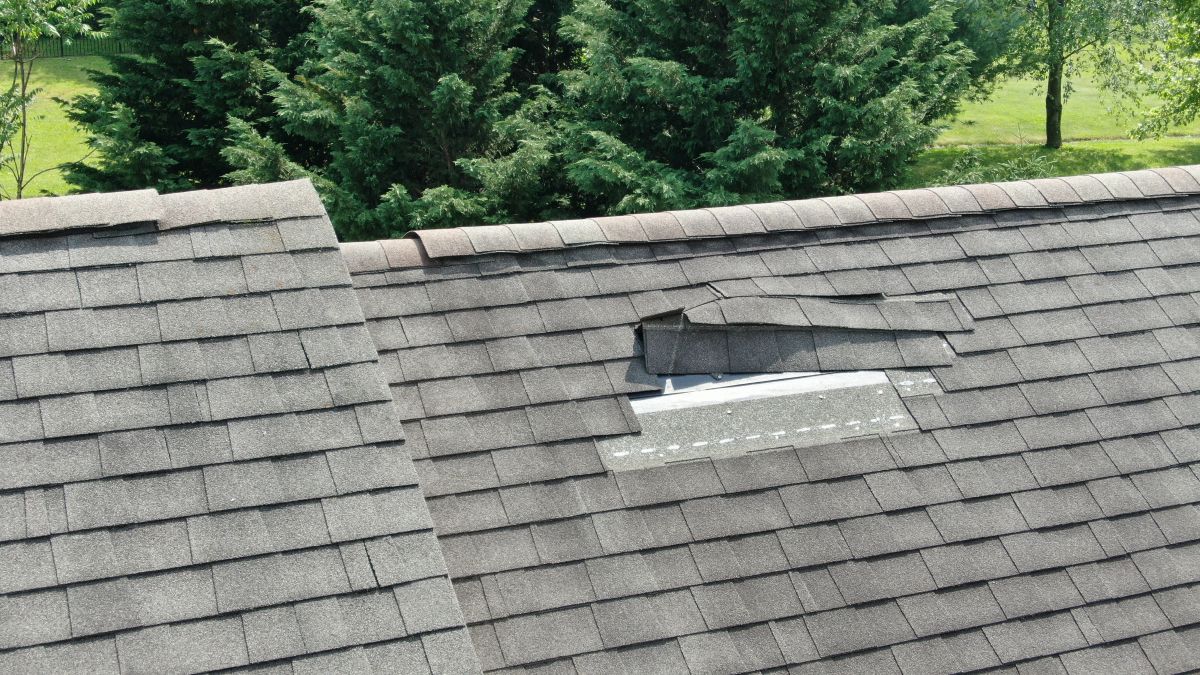
- Missing or creased shingles
- Hail dents in vents, flashing, or gutters
- Granule loss on asphalt shingles
- Roof soft spots or leaks in the attic
This inspection creates the documentation needed to support your claim, ensuring your insurance provider has a full, accurate picture of the damage.
2. Review Your Insurance Policy
Before filing a claim, review your homeowner’s insurance policy to understand what’s covered and any deductibles that apply. Most policies in Illinois include coverage for wind and hail damage, but specifics can vary depending on your provider and coverage tier.
Key things to review:
- Deductible amount (your out-of-pocket cost)
- Coverage for full replacement vs. repair
- Exclusions for roof age or pre-existing damage
- Filing deadlines after a storm event
Knowing these details helps you set realistic expectations before you begin the process.
3. File the Insurance Claim
Once you’ve verified coverage, file your claim as soon as possible. Most insurers require you to report storm-related damage within 6 to 12 months of the event. The faster you act, the smoother the approval process will be.
Tips for filing effectively:
- Provide the exact date of the storm or event.
- Include the inspection report and photos.
- Keep a record of all communications.
- Request your claim number for future reference.
Your roofing contractor can often assist by organizing photos, measurements, and repair details for the adjuster’s review.
4. Meet With the Insurance Adjuster
After your claim is submitted, the insurance company assigns an adjuster to inspect your property. This step verifies the extent of the damage and determines the coverage amount. It’s extremely helpful to have your roofing contractor present during this visit to ensure nothing is overlooked.
During the adjuster’s inspection:
- They evaluate your entire roof, gutters, and nearby structures.
- Your contractor compares findings and advocates on your behalf.
- Both parties agree on a repair or replacement scope.
This collaboration ensures the adjuster’s report accurately reflects all necessary work and materials.
5. Receive Your Claim Estimate and Approval
Once the adjuster finalizes the report, your insurance provider will issue an estimate outlining what’s covered, your deductible, and any depreciation. Most policies provide full replacement cost value (RCV), meaning you’ll receive reimbursement for the total replacement once the work is completed—minus your deductible.
Key financial terms to understand:
- Actual Cash Value (ACV): The roof’s current value after depreciation.
- Replacement Cost Value (RCV): The total cost to replace with new materials.
- Recoverable Depreciation: The withheld portion paid after completion.
Review the estimate with your contractor before signing anything. If you believe something was missed, your roofer can request a supplemental claim to adjust the payout.
6. Complete the Roof Replacement
After your claim is approved, the contractor schedules the project and begins replacing your roof. The insurer typically releases payment in two installments: an initial ACV payment and a final payment once the job is verified as complete.
Here’s how this final phase unfolds:
- Permits are obtained and materials ordered.
- The old roof is removed and replaced with new materials.
- A post-installation inspection ensures compliance with insurance and building standards.
- The roofing company submits proof of completion to the insurer.
Once your insurance provider confirms the work, they release the remaining funds. You’re left with a brand-new roof backed by warranty and documentation that verifies full restoration.
Common Misconceptions About Insurance Roof Replacement
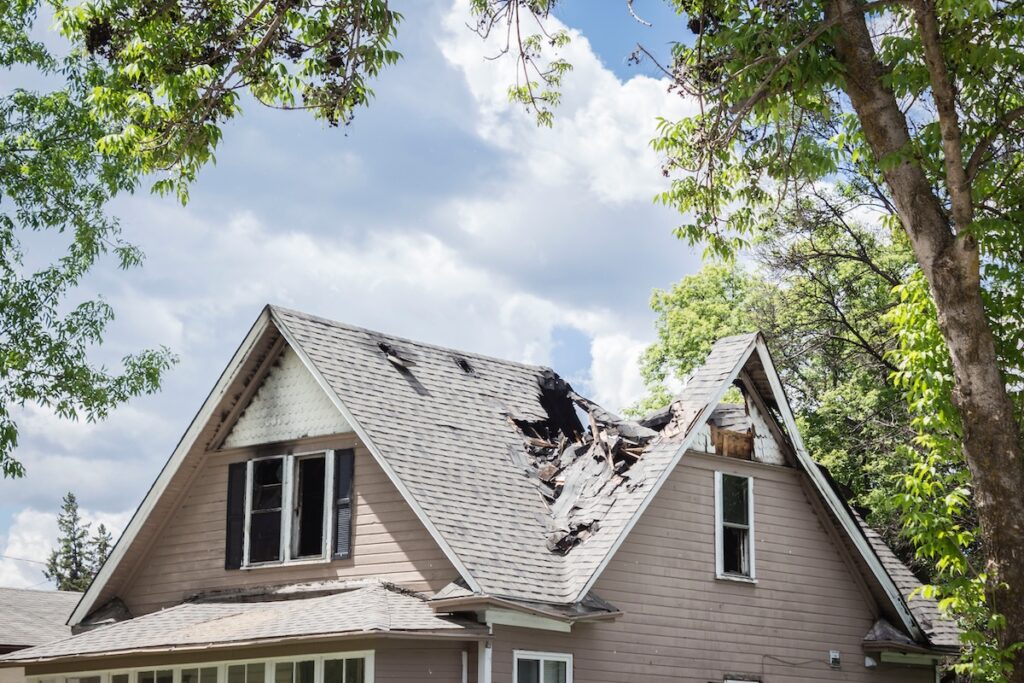
Understanding what insurance covers helps prevent delays or confusion during your claim. Here are some common misconceptions homeowners encounter:
“My insurance will pay for any old roof.”
Insurance only covers sudden, accidental damage such as wind or hail—not normal aging, wear, or neglect.
“Filing a claim will automatically raise my premiums.”
Not necessarily. Rate changes depend on factors like regional claim frequency, not individual filings for legitimate storm damage.
“The insurance company will choose my roofer.”
You have the right to select any licensed roofing contractor. Always choose a local company with experience handling insurance claims.
“I should wait until I see leaks.”
By the time a leak appears, interior damage may already exist. Schedule inspections immediately after major weather events.
“The insurance adjuster’s estimate is final.”
If the estimate misses important details, your contractor can submit supplemental documentation for review and approval.
Knowing these facts helps homeowners in Washington and surrounding areas file confidently and avoid unnecessary stress.
How to Strengthen Your Insurance Claim
Proper documentation and preparation can make a big difference in how efficiently your claim is processed. Follow these steps to help your claim succeed.
- Document Storm Damage Early Take clear, dated photos of damage immediately after storms.
- Keep Maintenance Records Routine maintenance logs show your roof was well cared for before the event.
- Hire a Local Expert Local roofers understand regional insurance practices and weather-related damage patterns.
- Follow Deadlines Closely Late filings may be denied or delayed.
- Communicate in Writing Keep records of all adjuster and contractor correspondence.
A little preparation upfront can save weeks of delays and help ensure full coverage for your roof replacement.
Comparing Insurance vs. Out-of-Pocket Roof Replacement
Homeowners often wonder whether it’s better to use insurance or pay out of pocket. The table below highlights the main differences.
| Factor | Insurance Replacement | Out-of-Pocket Replacement |
| Cost | Mostly covered (minus deductible) | Full cost paid by homeowner |
| Timeline | Slower due to claim process | Faster to begin work |
| Material Options | Limited to insurer-approved materials | More flexibility in materials and upgrades |
| Documentation | Required for reimbursement | Not necessary |
| Warranty | Backed by insurance and roofer | Standard manufacturer and workmanship warranty |
If your roof qualifies for coverage, using your insurance can save thousands while maintaining high-quality materials and professional installation.
Choosing the Right Contractor for the Job
Selecting an experienced roofing contractor is one of the most important parts of the insurance claim process. The right company will act as your advocate from inspection to final approval.
What to look for in a roofing company:
- Licensed and insured in Illinois
- Familiarity with the insurance claims process
- Clear, written estimates
- Local references and strong reputation
- Warranty coverage for both materials and workmanship
Homeowners in Washington and surrounding areas can trust that local professionals like ROOF TIGER understand how to work directly with insurance companies, handle adjuster communication, and complete high-quality installations.
Restore Your Roof With Confidence
A roof replacement after a storm doesn’t have to be overwhelming. By understanding how the insurance roof replacement process works, you can protect your investment and your peace of mind. With the right guidance, documentation, and contractor, your claim can move from inspection to completion smoothly and successfully.
If your roof was recently damaged or you suspect storm-related issues, reach out to ROOF TIGER and contact us today. Our expert team proudly serves Washington and surrounding areas, helping homeowners navigate every step of the insurance process with honesty, reliability, and craftsmanship that lasts.

Ferocious Roofing

They are extremely professional and responsive, made some great suggestions along the way, and handled every little issue that came up without complaint.
Vince B

