


EPDM vs TPO: What Are The Main Differences?
When it comes to commercial roofing, property owners and managers face one of the most important investment decisions for their buildings: choosing the right flat roofing material. For decades, single-ply membranes have been the go-to solution for durability and cost-efficiency. However, when comparing EPDM vs TPO, it’s not always easy to know which material is the best fit for your property’s needs. Both systems have strong reputations in the commercial roofing industry but differ in performance, appearance, and long-term value.
If you’re planning a roof replacement or upgrade for your commercial property in Bloomington and surrounding areas, understanding the pros and cons of each option is crucial. You can explore additional flat roofing materials and professional installation methods by visiting our commercial roofing solutions page, where we detail how our team supports businesses with lasting protection and energy-efficient roofing systems.
Here’s what you’ll learn in this guide:
- What EPDM and TPO roofing systems are and how they work
- The key differences in material composition, cost, and installation
- Pros and cons of each system for different building types
- Energy efficiency and maintenance comparisons
- Expert recommendations for choosing the right system for your property
Why Your Roofing Material Choice Matters
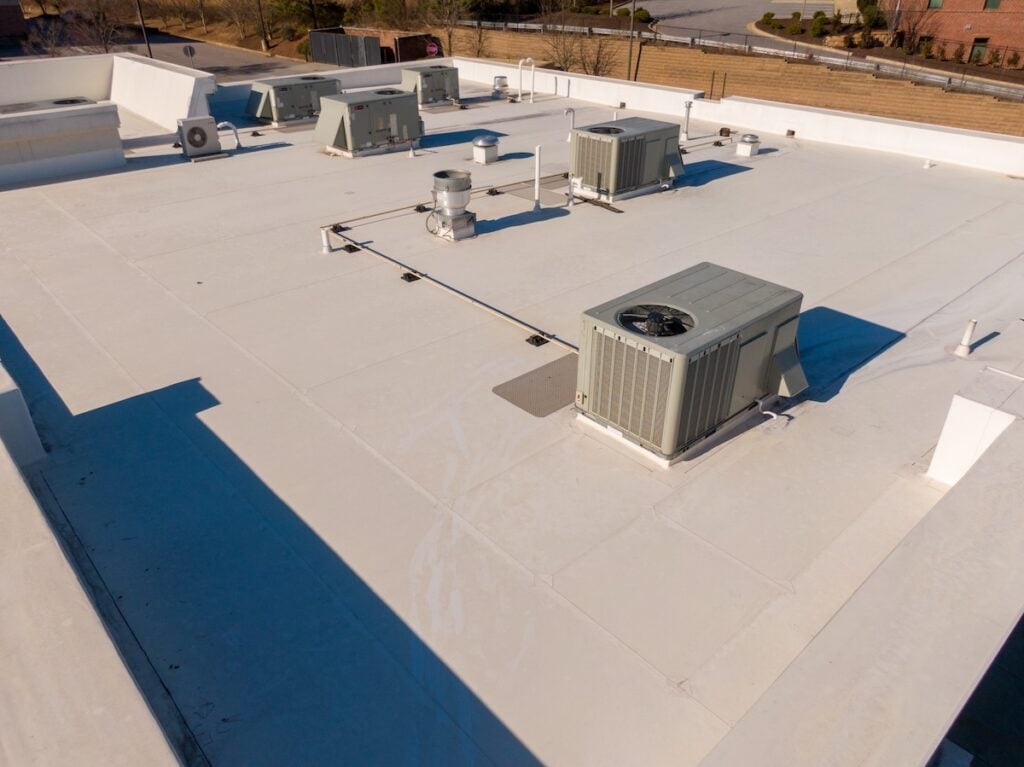
Your commercial roof does more than just cover your building—it protects your assets, regulates energy costs, and safeguards productivity. The right roofing material can save you thousands in maintenance and repairs over its lifetime, while the wrong choice can lead to early deterioration or expensive replacements.
Here’s why selecting the right system is critical for your business:
- Protects Long-Term Investments: A quality roof system prevents leaks, water damage, and insulation deterioration that can disrupt operations.
- Reduces Energy Expenses: Reflective roofing materials, like TPO, can lower HVAC costs by maintaining stable interior temperatures.
- Minimizes Maintenance Costs: Certain materials require fewer repairs and offer longer lifespans with proper care.
- Supports Sustainability Goals: Energy-efficient and recyclable roofing materials help reduce environmental impact.
- Improves Property Value: A modern, durable roof adds appeal and reassurance for tenants and potential buyers.
Commercial property owners in Bloomington and surrounding areas benefit from understanding the differences between these two popular systems before committing to an installation.
2 Materials: EPDM vs TP
Before choosing between EPDM and TPO, it’s essential to understand what each material is made of and how it performs under various conditions.
1. What Is EPDM Roofing?
EPDM (ethylene propylene diene monomer) is a synthetic rubber membrane that has been used for commercial roofs for over 60 years. It’s known for its flexibility, weather resistance, and affordability.
Key Features:
- Typically black in color (though white versions exist for improved energy efficiency)
- Installed using adhesive, ballast, or mechanical fastening
- Comes in large rolls that reduce the number of seams
- Resistant to UV rays, ozone, and temperature fluctuations
Advantages of EPDM:
- Cost-effective for large flat or low-slope roofs
- Excellent resistance to weathering and thermal shock
- Easy to repair and maintain
- Proven long-term performance record
Disadvantages of EPDM:
- Absorbs heat due to its dark color, which can increase cooling costs
- Seams can weaken over time if not properly sealed
- Not as reflective as TPO, which can impact energy efficiency
2. What Is TPO Roofing?
TPO (thermoplastic polyolefin) is a newer single-ply roofing membrane that combines the benefits of rubber and plastic materials. It’s designed for energy efficiency and durability, making it one of the fastest-growing commercial roofing systems in the United States.
Key Features:
- White reflective surface that reflects sunlight and reduces heat absorption
- Welded seams create a strong, watertight bond
- Resistant to dirt buildup, algae, and punctures
- Compatible with a variety of insulation types
Advantages of TPO:
- Excellent energy efficiency with reflective properties
- Heat-welded seams provide superior waterproofing
- Lightweight and easy to install
- Resistant to UV rays, chemicals, and grease (common on restaurant roofs)
Disadvantages of TPO:
- Newer product with less long-term performance data compared to EPDM
- May be more expensive depending on installation method
- Quality varies among manufacturers—choosing a trusted brand is essential
Comparing EPDM and TPO Roofing Systems
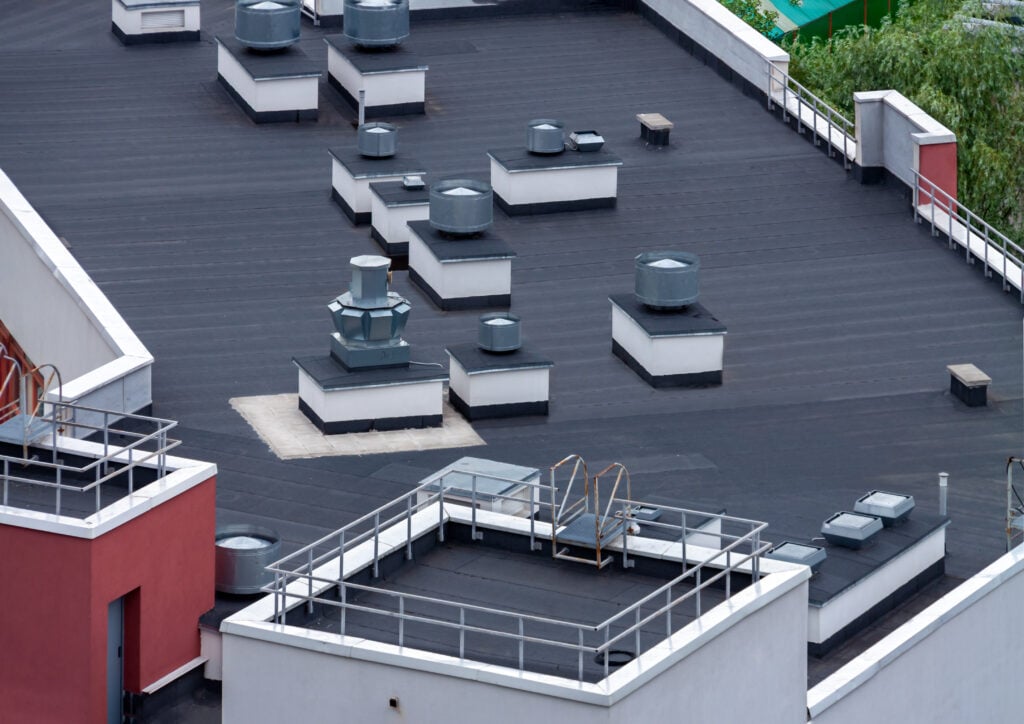
Choosing between EPDM and TPO depends on factors such as budget, building use, energy goals, and maintenance expectations. Below is a side-by-side look at their main differences.
| Feature | EPDM | TPO |
| Material Type | Synthetic rubber | Thermoplastic blend |
| Color | Black (optional white) | White or light gray |
| Energy Efficiency | Moderate | High (reflective) |
| Seam Type | Adhesive or tape | Heat-welded |
| Durability | Excellent in cold climates | Excellent in hot climates |
| Maintenance | Simple patch repair | Requires welding for repairs |
| Lifespan | 25–30 years | 20–30 years (varies by brand) |
| Cost | Generally lower | Slightly higher |
While EPDM excels in cold-weather flexibility and long-term durability, TPO stands out for energy savings and modern appearance. For property owners in Bloomington and surrounding areas, local climate conditions and building usage should guide the decision.
5 Key Factors to Consider When Choosing Between EPDM and TPO
Before deciding which system to install on your commercial property, weigh the following considerations carefully.
1. Climate and Weather Resistance
EPDM performs exceptionally well in colder climates due to its flexibility and ability to withstand thermal contraction. TPO, on the other hand, reflects sunlight effectively, reducing heat absorption—making it ideal for warmer regions.
In Bloomington and surrounding areas, where both hot summers and freezing winters occur, either option can work well if installed correctly with proper insulation.
2. Energy Efficiency
Energy costs can make or break a commercial property’s operating budget. TPO’s white reflective surface reduces cooling loads, helping to lower HVAC costs during warm months. EPDM can be modified with a white coating to improve reflectivity, but it’s not as naturally efficient in this regard.
3. Installation and Maintenance
EPDM uses adhesive or tape seams, which simplifies repairs and patching. TPO’s seams are heat-welded, forming a stronger bond but requiring specialized equipment for maintenance. Both systems benefit from professional installation to ensure longevity and watertight protection.
4. Longevity and Performance
EPDM has a longer historical track record and is known for its reliability. With proper maintenance, it can last over 30 years. TPO’s lifespan varies based on formulation quality and manufacturer, but most systems last around 20–25 years.
5. Cost and Budget Planning
EPDM is typically less expensive upfront, both in material and installation costs. However, TPO’s energy efficiency may provide long-term savings by lowering energy bills. Commercial property owners should consider total cost of ownership over time, not just initial installation expenses.
Environmental and Sustainability Considerations
Both EPDM and TPO can contribute to environmentally friendly building designs. However, there are differences in how each material impacts sustainability goals.
- EPDM: Recyclable and compatible with green roofing systems. Its dark surface may increase cooling loads but performs well with added insulation.
- TPO: Reflective and energy-efficient, making it ideal for reducing a building’s carbon footprint. Most TPO membranes are 100% recyclable after removal.
For businesses aiming for LEED certification or improved energy performance, TPO often aligns better with sustainability targets.
Maintenance and Repair Comparison
Maintenance is essential for extending the life of any commercial roof. Here’s what to expect from each system:
EPDM Maintenance Tips:
- Inspect seams and flashing twice a year
- Apply sealant to cracks or punctures promptly
- Remove standing water or debris after storms
TPO Maintenance Tips:
- Clean the surface periodically to maintain reflectivity
- Check welded seams and edges for lifting
- Schedule annual inspections by professionals for thermal integrity
Both systems benefit from routine inspections and minor touch-ups to prevent larger repairs. Professional roofers in Bloomington and surrounding areas can provide maintenance programs tailored to your building’s needs.
Common Misconceptions About EPDM and TPO
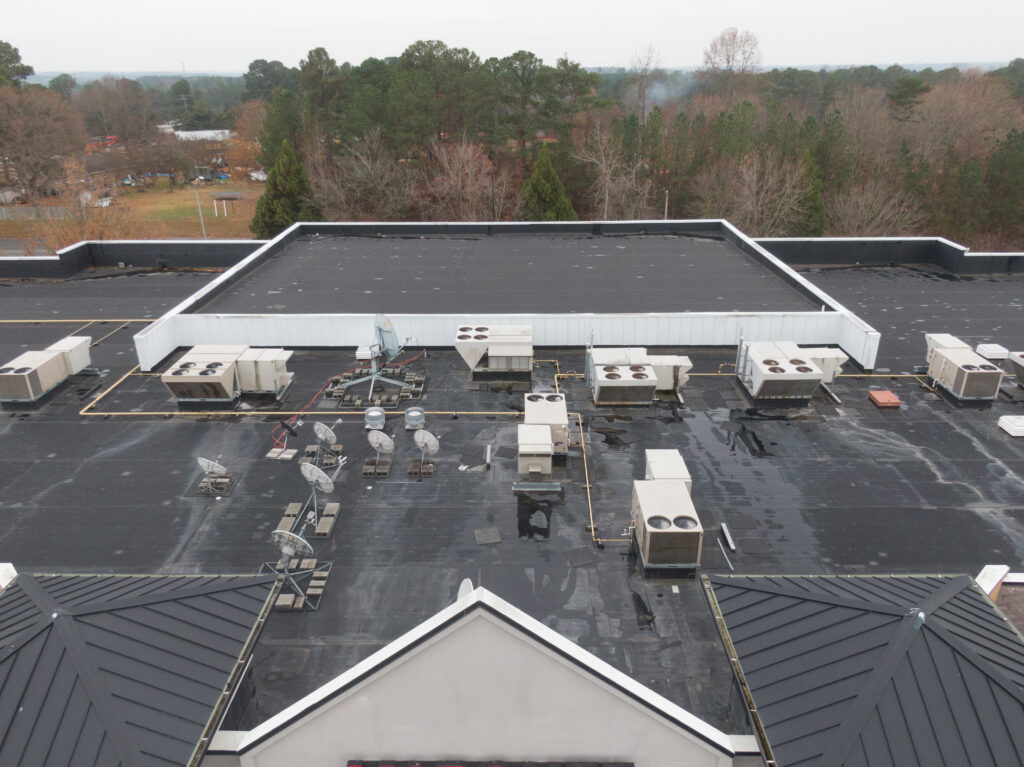
There are a few misconceptions that often confuse property owners when deciding between these two materials.
- “TPO always lasts longer.” Not necessarily—lifespan depends on installation quality and manufacturer.
- “EPDM isn’t energy efficient.” While traditionally black, reflective coatings can significantly improve its energy performance.
- “Both roofs handle any climate equally.” Each material performs better under certain temperature ranges and exposure conditions.
Clearing up these myths ensures property owners make well-informed, cost-effective decisions for their buildings.
Which Roofing System Is Best for Your Commercial Property?
When comparing EPDM vs TPO, there’s no universal “best” choice—it depends on your property’s specific needs.
Choose EPDM if you want:
- A proven, time-tested roofing material
- Affordable installation and maintenance
- Excellent cold-weather durability
Choose TPO if you want:
- A highly reflective, energy-efficient roof
- Welded seams for superior waterproofing
- A modern, clean look with lower cooling costs
The key to success lies in professional installation and proper maintenance. A skilled commercial roofing contractor can evaluate your building’s structure, budget, and performance goals to recommend the right option.
Protect Your Commercial Investment with ROOF TIGER
Your commercial roof is a major investment that protects everything inside your building. Whether you’re managing an office complex, warehouse, or retail center, choosing the right system ensures safety, efficiency, and long-term value.
The experts at ROOF TIGER specialize in EPDM and TPO roofing installations for businesses in Bloomington and surrounding areas. Our team focuses on education, transparency, and quality workmanship to deliver solutions that fit your property and budget.
If you’re ready to explore which single-ply roofing system best fits your building’s needs, contact us today to schedule a professional consultation or inspection.

Ferocious Roofing

They are extremely professional and responsive, made some great suggestions along the way, and handled every little issue that came up without complaint.
Vince B

