

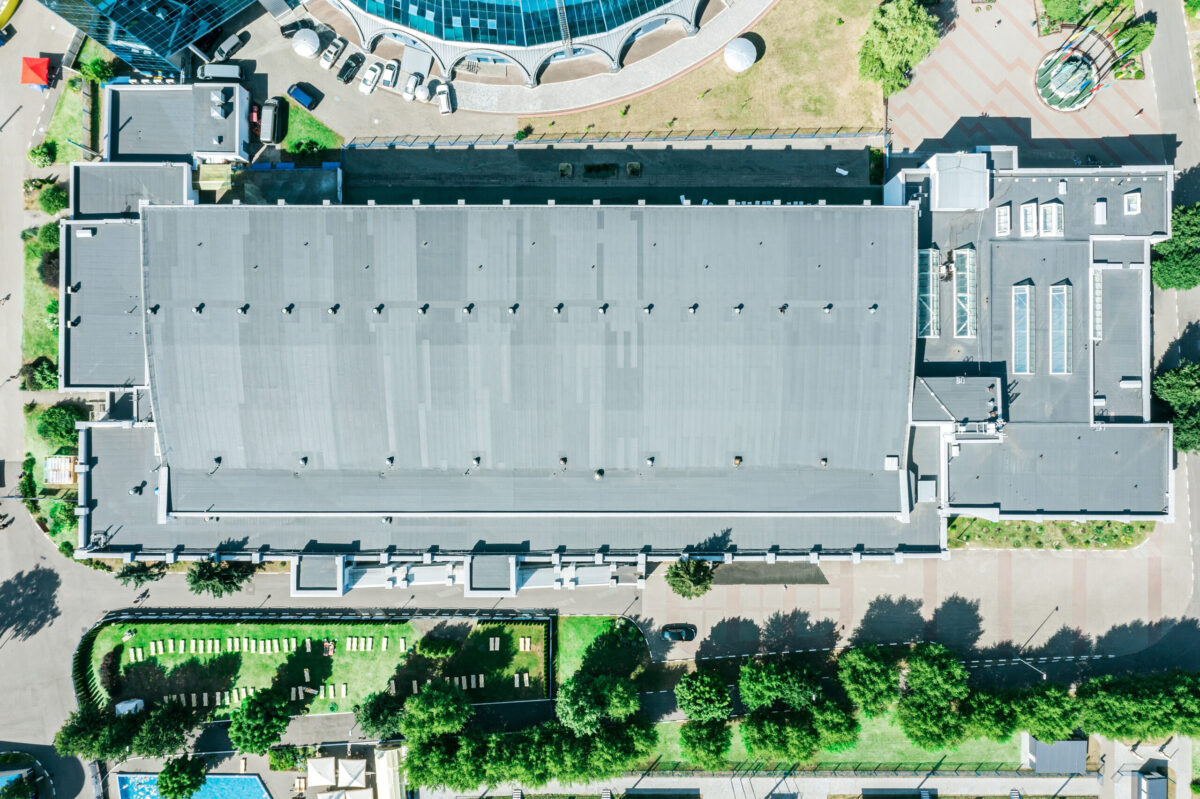
7 Things to Know Before Commercial Roof Installation
When it comes to protecting your business, few investments are as important as a reliable roof. Whether you’re building from the ground up or replacing an old system, commercial roof installation comes with a unique set of challenges, timelines, and material considerations. Planning ahead and working with a trusted local contractor can save your business time, money, and stress. You can learn more about the structural process and systems involved in commercial roofing by understanding how different materials affect performance over time.
Here’s what you’ll take away from this guide:
- What makes commercial roofing different from residential roofing
- A breakdown of the key steps involved in installation
- Common mistakes to avoid during the process
- How to select the right materials and contractor
Why Commercial Roofing Isn’t Just a Bigger Version of Residential
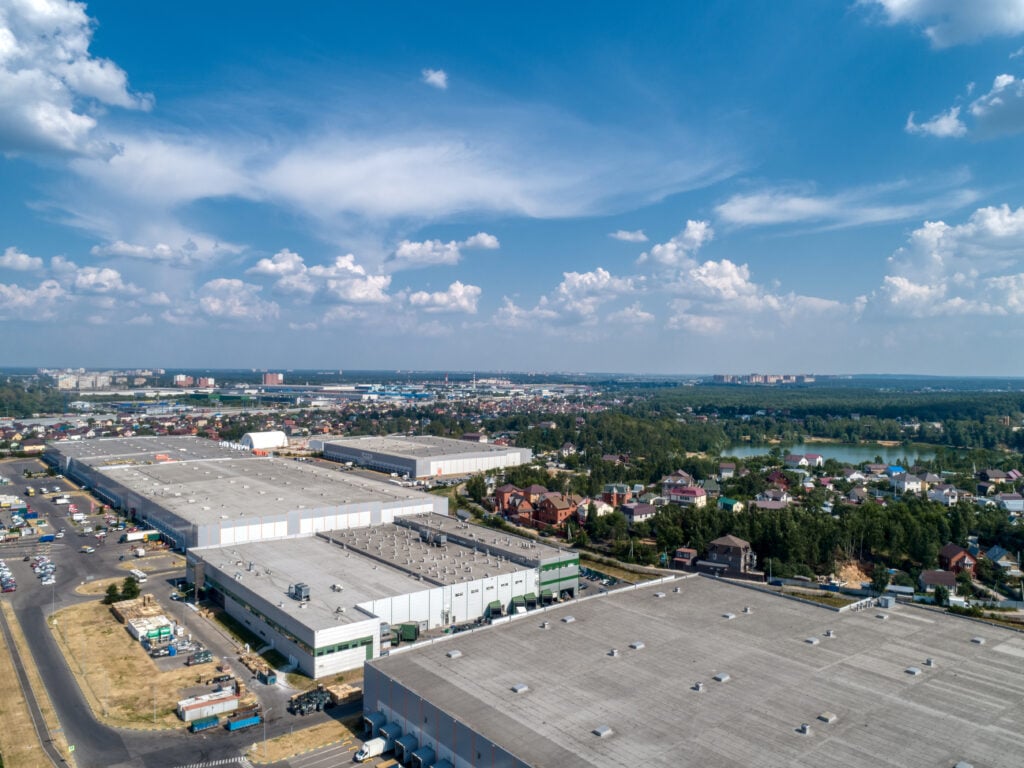
Installing a roof on a commercial building is not just about scaling up. The systems, structural needs, and usage patterns are entirely different. Commercial roofs often involve more technical decision-making, customized designs, and long-term planning.
- Structural Demands: Most commercial buildings have flat or low-slope roofs, requiring different support and drainage considerations.
- Business Impact: Downtime or access restrictions during installation can affect your operations and revenue.
- Energy Efficiency Goals: Commercial roofs are often designed to improve insulation, reduce HVAC loads, and support solar panels or rooftop equipment.
- Code Compliance: Regulations for commercial buildings are often stricter, especially in areas like Bloomington and surrounding areas where weather extremes are a factor.
- Long-Term ROI: With a larger surface area and longer expected lifespan, your material choices significantly influence future maintenance costs.
7 Things You Should Know Before Installation
From budget planning to scheduling, commercial roof installation involves more moving parts than many business owners realize. Here’s a breakdown of the most important steps to keep in mind.
1. Budget Beyond the Surface
Roof installation costs are more than just materials and labor. Your estimate should also include permitting fees, potential weather delays, and waste disposal.
- Ask for a breakdown of costs by phase
- Consider allocating contingency funds for unexpected structural issues
- Factor in downtime or business disruption if roof access affects operations
2. Choose the Right Material for Your Roof Type
Material selection can dramatically affect your building’s performance. Flat roofs require different materials than pitched designs.
- TPO: Lightweight, reflective, and energy-efficient
- EPDM: Durable rubber membrane great for large flat surfaces
- Modified Bitumen: Layered asphalt system offering high weather resistance
- Metal Roofing: Ideal for sloped or industrial buildings; long-lasting with minimal maintenance
3. Understand Local Building Codes and Zoning
Each city has its own set of codes, including fire resistance, insulation values, and drainage requirements. In Bloomington and surrounding areas, cold winters and summer heat create specific needs for moisture control and energy performance.
- Work with contractors familiar with regional requirements
- Get clear answers on who’s responsible for permits and inspections
- Ask how your roof design supports HVAC or solar systems
4. Plan Around Business Operations
Installing a roof over a commercial building may require partial shutdowns, restricted access, or noise disruptions.
- Schedule installation during off-hours or slow seasons if possible
- Communicate timelines with staff and tenants
- Ask about safety zones and signage for customer-facing buildings
5. Think About Drainage Early
Water pooling is a leading cause of damage on flat commercial roofs. Your installer should design proper slope and drainage pathways.
- Include scuppers, internal drains, or tapered insulation
- Check how often maintenance will be needed to keep drains clear
- Ensure warranties include drainage-related issues
6. Clarify the Warranty Terms
A strong warranty can protect you against workmanship or material failures — but not all warranties are created equal.
- Look for 20+ year material warranties on TPO and EPDM systems
- Ensure the contractor offers their own labor warranty
- Ask if your warranty is transferable in case of property sale
7. Schedule Preventive Maintenance From Day One
Even a brand-new roof needs upkeep. A preventive maintenance plan will catch small issues before they become costly repairs.
- Schedule inspections twice a year
- Keep rooftop systems like HVAC and vents clear of debris
- Document all maintenance to protect your warranty coverage
Common Mistakes to Avoid
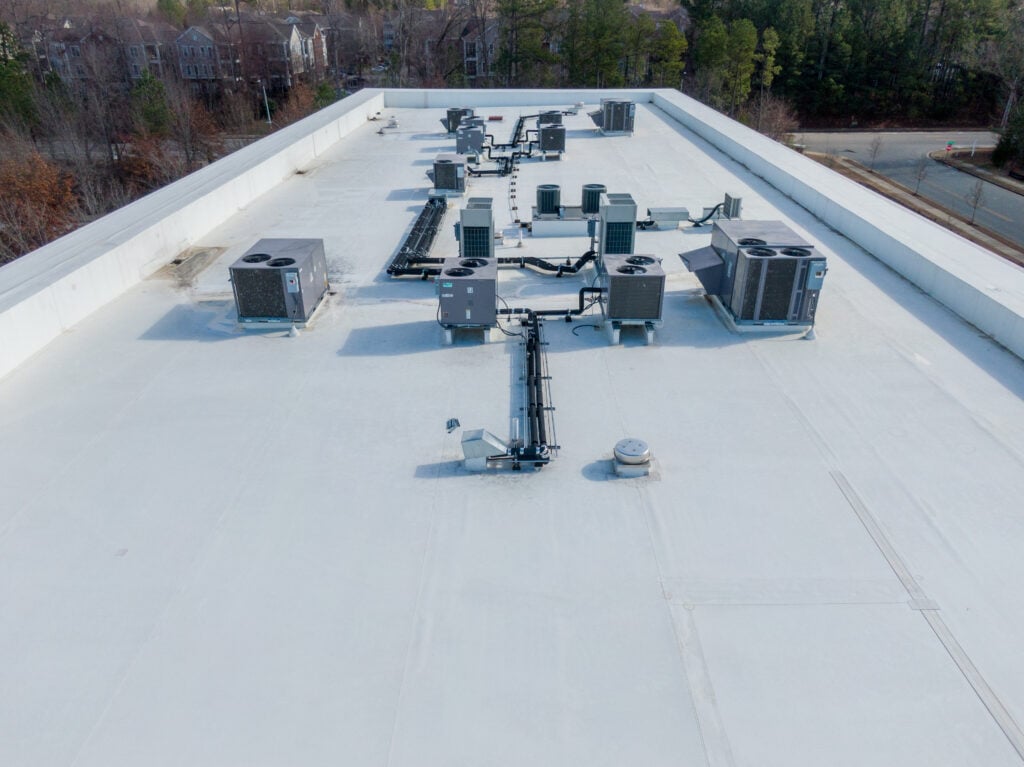
Knowing what not to do can be just as important as knowing what to plan for. Avoiding these pitfalls can save you thousands over the life of your roof.
Hiring Based on Price Alone
- Lowest Bid Isn’t Always Best: Cheaper quotes often skip over critical prep work or use subpar materials.
- Vet the Installer: Ask for references from other businesses in Bloomington.
- Review Portfolios: Look for projects similar in size and design to your own.
Overlooking Insulation and Ventilation
- Insulation Affects Energy Bills: A poor insulation system will offset any savings from reflective roofing.
- Ventilation Prevents Moisture Damage: Improper airflow can lead to trapped humidity and structural decay.
Not Getting a Full Scope Proposal
- Avoid Vague Estimates: Make sure the proposal includes removal, prep, install, and cleanup.
- Clarify Subcontractor Use: Know who is on your property and whether they’re licensed/insured.
Skipping the Inspection After Installation
- Final Walkthrough is Critical: Don’t sign off until you’ve inspected drainage, flashing, and seals.
- Document Everything: Take photos for your records and future warranty use.
Comparing Commercial Roofing Materials
Every roofing system has tradeoffs. Here’s a side-by-side look to help guide your decision:
| Material | Cost | Lifespan | Energy Efficiency | Maintenance Level |
| TPO | Moderate | 20–30 yrs | High | Low |
| EPDM | Low | 20–25 yrs | Medium | Moderate |
| Modified Bitumen | Moderate | 15–20 yrs | Medium | Moderate |
| Metal Panels | High | 40–50 yrs | High | Low |
Other Considerations:
- Solar Readiness: TPO and metal are excellent bases for solar integration.
- Fire Resistance: Most modern systems meet Class A fire ratings, but check your local codes.
- Green Roofing Options: Consider a reflective or vegetative roof for added insulation and environmental benefit.
What to Look for in a Commercial Roofing Contractor
Not all roofing contractors have the experience or licensing to handle commercial work. Make sure you’re choosing a company that understands both the technical and logistical needs of your project.
Licensed, Insured, and Certified
- Always ask for proof of licensing for commercial jobs
- Check if the contractor is certified by manufacturers like GAF or Carlisle
- Confirm liability and worker’s comp insurance
Local Experience in Commercial Roofing
- Contractors familiar with Bloomington and surrounding areas will know what systems work best for the climate
- Ask if they’ve worked on schools, warehouses, retail spaces, or office buildings similar to yours
Communication and Project Management
- Look for detailed proposals with milestones and deadlines
- A dedicated project manager can make coordination much easier
- Ask about post-installation support and emergency services
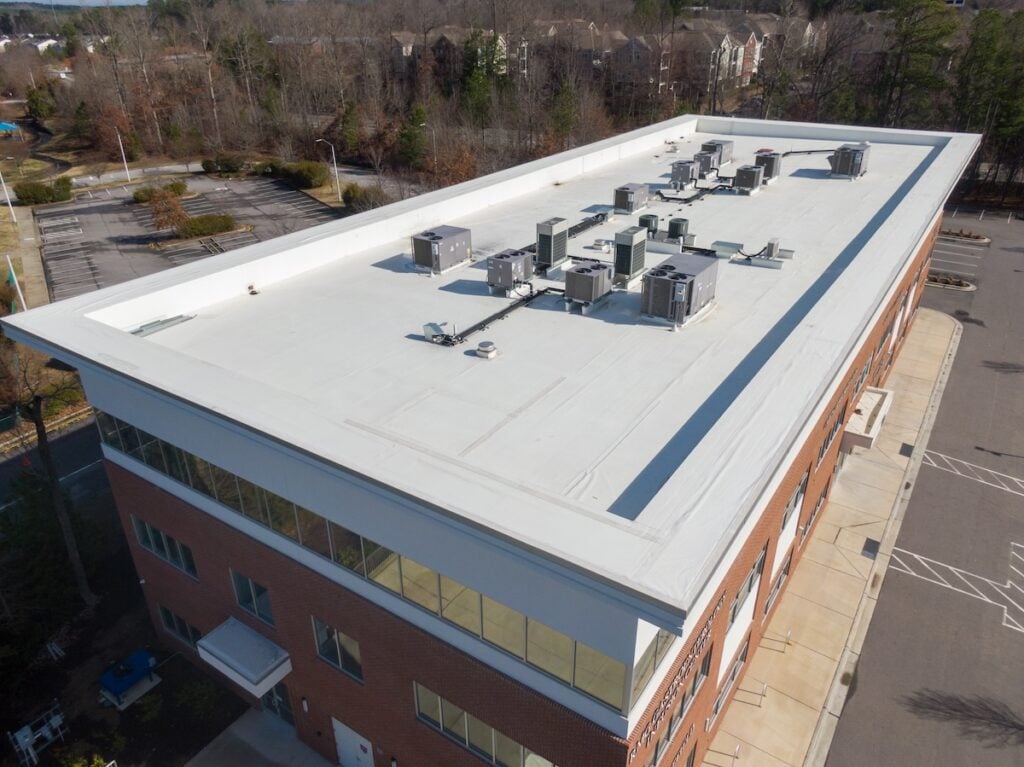
Don’t Let Roofing Setbacks Interrupt Your Business
Commercial roof installation isn’t something you want to tackle with guesswork. From material selection to warranty coverage, every step should be handled by a team that understands commercial needs inside and out. ROOF TIGER has helped businesses across Bloomington and surrounding areas install long-lasting, energy-efficient roofing systems that hold up against harsh Midwest weather.
If you’re preparing for a new build, expanding your property, or replacing an outdated roof, contact us today to start planning your project with ROOF TIGER.

Ferocious Roofing

They are extremely professional and responsive, made some great suggestions along the way, and handled every little issue that came up without complaint.
Vince B

