


Slate Roofing (Luxury Look, Longevity & Care Tips)
Few roofing materials command attention the way slate roofing does. With a natural beauty that no synthetic product fully replicates, slate has protected homes for centuries while adding unmistakable curb appeal. Whether you are building new or replacing an aging roof, understanding what slate offers, what it demands, and how to maintain it properly will help you make a confident, lasting investment.
What you’ll learn:
- Why slate is one of the most durable and visually distinctive roofing materials available
- The different types of slate and how each performs over time
- How to recognize quality installation versus common mistakes
- Maintenance habits that protect your investment for generations
- How to evaluate whether slate is the right fit for your home
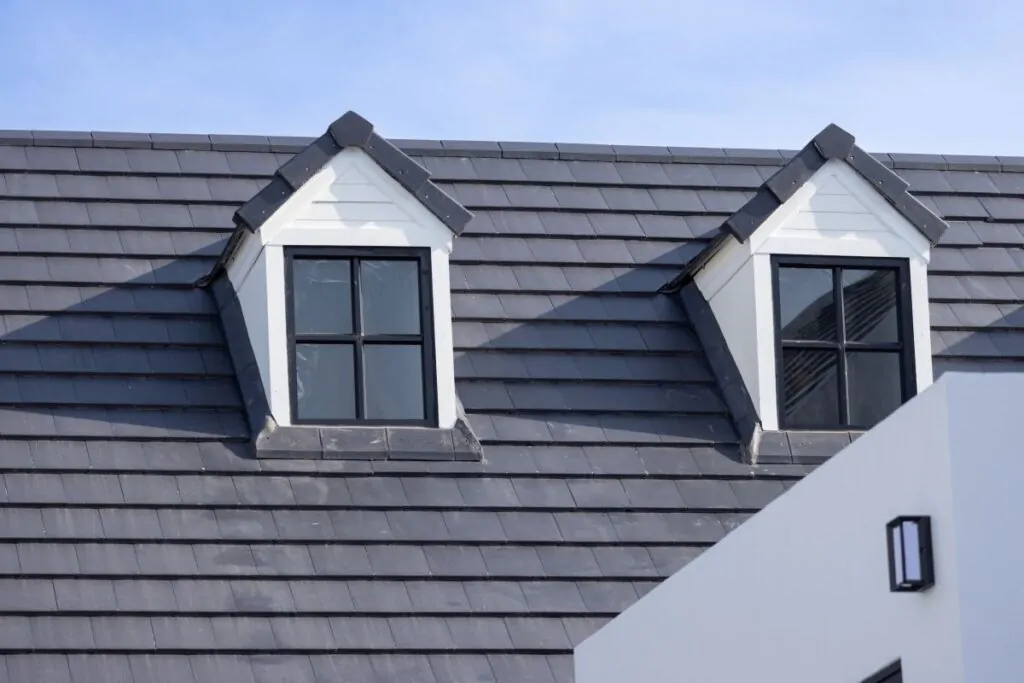
Why Slate Roofing Is Worth the Investment
Slate is not simply a premium aesthetic choice. It is a roofing system backed by geology, proven over time in some of the harshest climates in North America and Europe. For homeowners who intend to stay in their home long-term, or who are building generational wealth through property, the durability and prestige of a slate roof deliver value that compounds over time.
Understanding why slate stands apart from other materials helps homeowners weigh the upfront cost against what they actually receive over the life of the roof.
- Exceptional longevity: Soft slate roofs last 75 to 125 years, while hard slate varieties routinely exceed 150 years with proper care. Almost no other roofing material comes close.
- Natural resistance: Slate is fire-resistant, impervious to rot, and holds up against extreme temperature swings, making it well-suited for climates like those in Dunlap and surrounding areas.
- Low lifecycle cost: When measured against the number of replacements asphalt shingles require over the same period, slate often proves more economical over a 100-year horizon.
- Increased home value: Appraisers and buyers recognize slate roofs as a premium feature, often reflecting in higher sale prices and faster transactions.
- Environmental sustainability: Slate is a natural material requiring no chemical treatments, and its long lifespan dramatically reduces waste compared to shorter-lived alternatives.
These qualities make slate one of the few roofing investments that appreciates in both function and prestige as the years pass. That combination is rare, and homeowners who choose slate seldom regret the decision.
6 Types of Slate Roofing and What Makes Each Unique
Not all slate is created equal, and the type you choose will directly influence how your roof performs, how it looks, and what kind of maintenance schedule makes sense. Knowing the distinctions ahead of time helps you work more productively with your roofing contractor and set realistic expectations for your project.
1. Soft Slate
Soft slate, sometimes called “ribbon” or “weathering” slate, has a layered internal structure that allows it to absorb more moisture. It is typically less expensive than hard slate and offers a lifespan between 75 and 125 years. It is a reliable choice for many homeowners, though it requires somewhat more attentive inspection as it ages. Common sources include Vermont and Virginia.
- Best for moderate climates
- More affordable entry point into natural slate
- Requires closer monitoring after the 60-year mark
2. Hard Slate
Hard slate is denser, less porous, and far more resistant to weathering. Quarried primarily from New York and Pennsylvania, hard slate can realistically last 150 years or more. Its strength also makes it heavier, which is an important structural consideration for your home’s framing system.
- Superior lifespan potential
- Higher resistance to freeze-thaw cycles
- Requires structural assessment before installation
3. Spanish Slate
Imported from the Galicia region of Spain, Spanish slate has become a popular option in North America due to its competitive pricing and reliable performance. It typically falls into the soft-to-medium range in terms of hardness and offers a lifespan of roughly 75 to 100 years.
- Cost-effective alternative to domestic slate
- Wide variety of thickness and color options
- Widely available through specialty suppliers
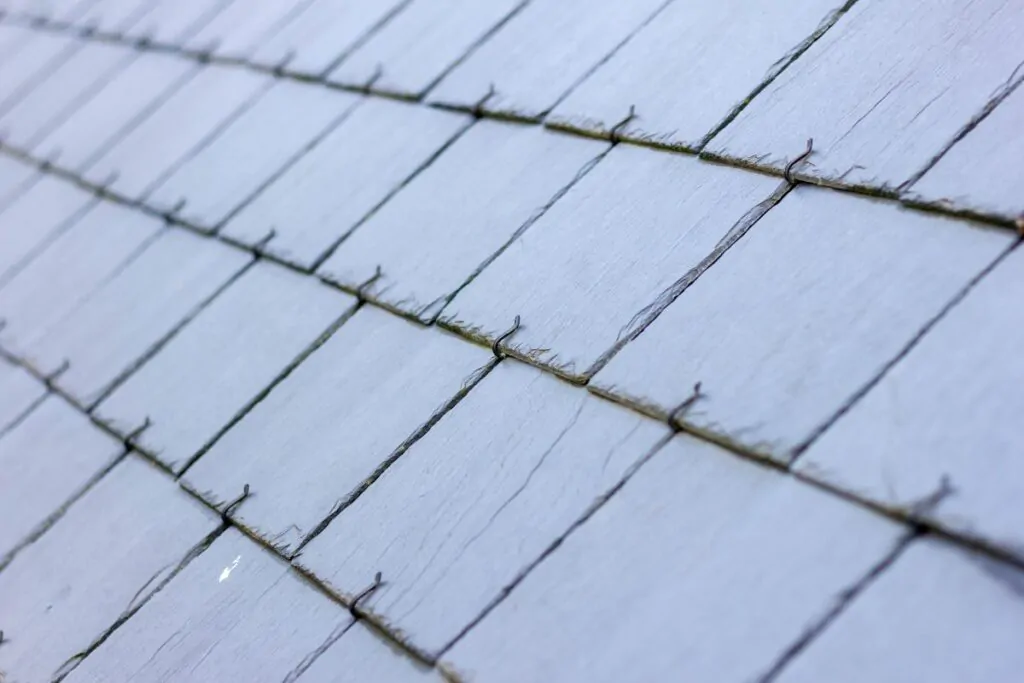
4. Unfading Slate
Unfading slate retains its original color indefinitely, making it the preferred choice for homeowners who want a predictable, consistent appearance over time. Mined from specific quarries in Vermont and New York, these slates maintain their deep gray or green tones without significant change as they age.
- Ideal for historic restoration projects
- High aesthetic consistency over decades
- Often commands a premium price
5. Fading Slate
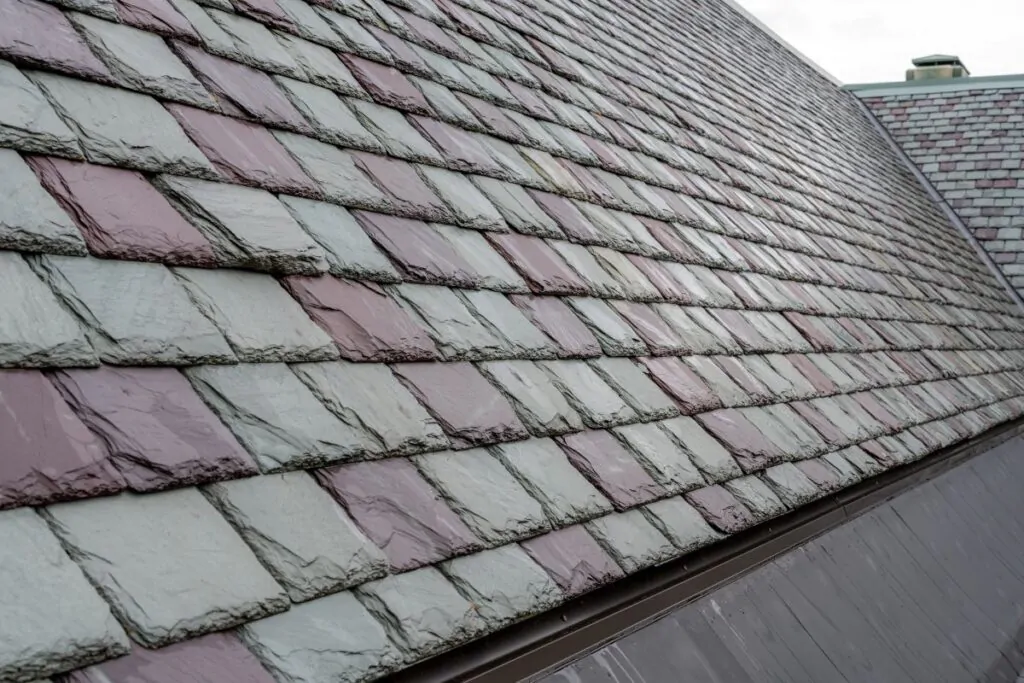
Fading slate, by contrast, changes color as it weathers. This is not a defect but a natural characteristic. Many homeowners find the gradual shift adds depth and a handcrafted quality to the roof’s appearance. Understanding what to expect helps you embrace the process rather than worry about it.
- Creates a rich, aged appearance over time
- Color changes vary by quarry and climate
- Requires color expectations to be set clearly upfront
6. Synthetic Slate
While not a natural product, synthetic slate deserves mention because it is frequently compared to the real thing. Made from rubber, plastic, or composite materials, synthetic slate offers a lighter weight and lower cost at the expense of longevity and true natural aesthetics. Lifespans typically range from 30 to 50 years.
- Suitable for homes with limited structural capacity
- Does not carry the same prestige or resale value as natural slate
- May be appropriate as a transitional or budget-conscious option
Understanding these distinctions before you purchase protects you from surprises and ensures the type of slate you choose matches both your structural conditions and your long-term goals.
What Quality Slate Installation Actually Looks Like
Installation quality is every bit as important as the slate itself. A beautiful material improperly installed will fail prematurely, and many slate roof problems homeowners encounter are the direct result of installation errors rather than material failure. Knowing what a proper installation involves puts you in a stronger position to evaluate a contractor and ask the right questions.
Structural Assessment Comes First
Before a single slate tile is lifted onto a roof, the underlying structure must be evaluated for load capacity. Natural slate is significantly heavier than asphalt shingles, often two to four times as heavy. Roof framing that was designed for lighter materials may require reinforcement. A qualified contractor will assess this before proceeding.
Proper Underlayment Selection
The underlayment beneath slate tiles plays a critical role in long-term performance. Traditional felt underlayment degrades faster than the slate above it, which can lead to leaks decades before the slate itself fails. High-quality synthetic underlayments or specialized slate underlayments offer much better longevity and are now the industry standard for premium installations.
Copper or Stainless Flashings Only
Flashing at valleys, chimneys, skylights, and penetrations must be made from copper or stainless steel on a slate roof. Galvanized or aluminum flashings will corrode and fail long before the slate, creating leak pathways that are costly to repair. This detail separates quality contractors from those simply going through the motions.
Nail Selection and Technique
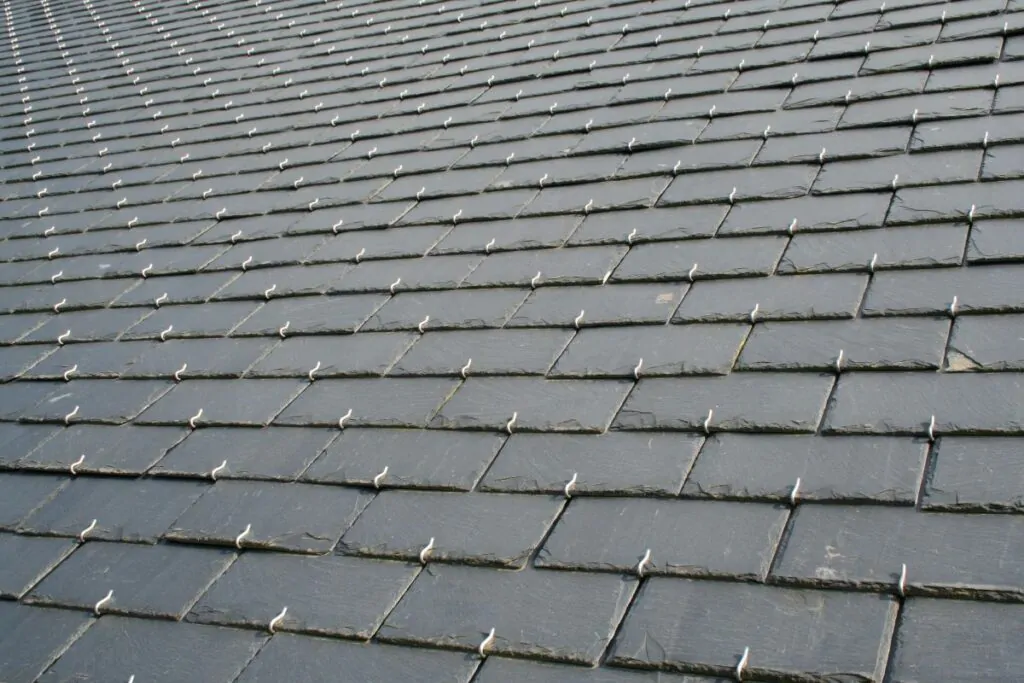
Slate tiles must be face-nailed using copper or stainless nails of the correct gauge and length. Over-driving nails cracks the tile. Under-driving leaves tiles loose. The technique requires experience that not every roofer has developed, which is exactly why slate work demands a specialist familiar with natural stone materials.
Maintaining a Slate Roof to Maximize Its Lifespan
A well-maintained slate roof can outlast the home’s original owner and still be in excellent condition for the next generation. The good news is that maintenance requirements for slate are relatively modest, provided they are carried out consistently and by someone qualified to walk a slate roof safely. Many homeowners in Dunlap and surrounding areas are surprised to learn how little ongoing attention a quality slate roof demands.
- Annual visual inspection: Each year, scan your roof from the ground using binoculars. Look for cracked, slipped, or missing tiles. Catching individual broken tiles early prevents water from penetrating and damaging the deck below.
- Gutter maintenance: Keep gutters clean and free-flowing. Ice dams and standing water from clogged gutters can damage the lower courses of slate over time. This is especially relevant in climates where freeze-thaw cycles are common.
- Limit foot traffic: Slate is strong under vertical load but brittle under point pressure. Walking on a slate roof without proper equipment and technique causes cracking. Always hire a contractor experienced with slate when physical roof access is needed.
- Moss and lichen control: In shaded or moist environments, biological growth can take hold on slate surfaces. Copper strips installed at the ridge line leach trace amounts of copper when it rains, naturally suppressing moss and lichen growth over a wide area.
- Flashing inspection: Flashings are typically the first element of a slate roof system to show wear. Have them inspected every five to ten years and replaced proactively before leaks develop. This is one of the most cost-effective maintenance habits available to slate roof owners.
Homeowners who follow a consistent maintenance routine find that their slate roofs reward the attention with decades of trouble-free performance, a return on investment that few building materials can match.
Is Slate Right for Your Home?
Slate is a compelling choice, but it is not the right answer for every situation. A few key factors determine whether slate is a practical fit for a specific home and homeowner. Taking these honestly into account before committing saves time, money, and frustration.
| Factor | Slate Ideal Fit | Consider Alternatives |
| Roof Slope | 4:12 pitch or steeper | Low-slope or flat roofing |
| Structural Capacity | Framing supports heavy loads | Older or lightweight framing |
| Budget | Long-term investment perspective | Short-term or limited budget |
| Ownership Timeline | 20 or more years planned | Shorter ownership horizon |
| Home Style | Historic, traditional, or luxury design | Contemporary or industrial styles |
For homeowners across Dunlap and surrounding areas weighing these factors, an honest conversation with a qualified roofing specialist makes all the difference. The right contractor will assess your specific structure, present the options clearly, and help you make a decision grounded in what your home actually needs.
The Slate Upgrade Your Home Has Been Waiting For
A slate roof is one of the most meaningful upgrades a homeowner can make. It delivers beauty, durability, and long-term value that few other building materials can rival. Whether you are replacing an aging roof or planning a new construction project, getting the details right from the start ensures your investment performs exactly as it should. ROOF TIGER has the expertise and commitment to quality that slate installation demands. If you are ready to take the next step, contact us today and let our team help you build a roof that stands the test of time.

Ferocious Roofing

They are extremely professional and responsive, made some great suggestions along the way, and handled every little issue that came up without complaint.
Vince B

