


Gable Roof 101 (Design, Pros & Maintenance Tips)
If you are a homeowner trying to understand your roof or planning a new build, knowing your roof style matters more than most people realize. The gable roof is one of the most popular and recognizable designs across the country, and for good reason. Whether you are in Morton and surrounding areas or anywhere across central Illinois, this style shapes how your home handles weather, ventilation, and curb appeal. Before making any roofing decisions, it helps to explore what makes this design work so well with a trusted roofing expert.
Here is what you will learn in this guide:
- What a gable roof is and how it is structured
- The key advantages of this design
- How to choose the right style for your home
- Common maintenance tips to protect your investment
- When to repair versus replace
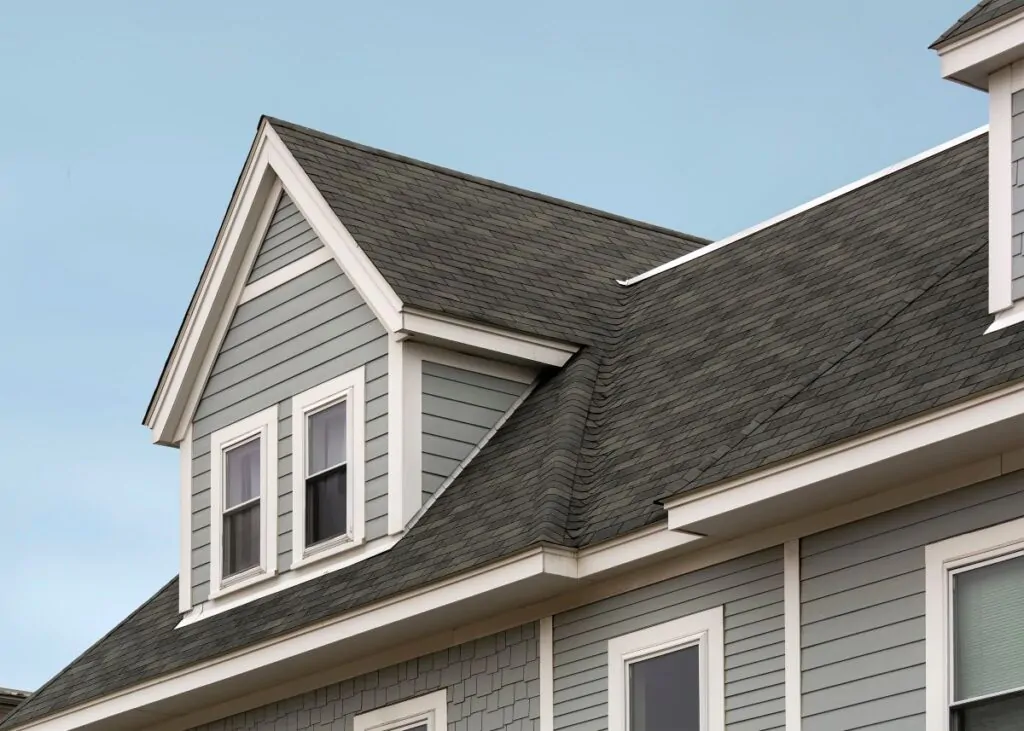
Why Gable Roofs Remain One of the Most Popular Choices
Walk down almost any residential street and you will spot the classic triangular peak of a gable roof. Its enduring popularity is not just about looks. This roof style has earned its place as a go-to option because it delivers on multiple levels, from performance in heavy rain to straightforward construction.
Homeowners and builders continue to choose this design because it checks nearly every box when it comes to value, function, and versatility:
- Superior Water and Snow Drainage: The steep pitch allows rain and snow to slide off quickly, reducing the risk of moisture buildup and ice dams during Illinois winters.
- Improved Attic Ventilation: The triangular shape naturally supports airflow. Properly placed vents at each end of the gable allow hot air to escape in summer, keeping energy bills lower.
- Simpler Construction: Compared to hip or mansard roofs, gable roofs are easier and less expensive to build, which translates to savings on new construction or replacement projects.
- Versatile Aesthetic Appeal: This design works with a wide range of architectural styles, from farmhouses to modern homes, making it easy to adapt to personal taste and neighborhood character.
- More Usable Attic Space: Because gable roofs create a high interior peak, homeowners often gain additional storage space or even the option to finish the area into livable square footage.
These benefits make the gable roof a reliable choice for homeowners who want performance without overcomplicating the build or the budget.
5 Main Gable Roof Styles
Not all gable roofs look the same, and choosing the right variation for your home depends on your layout, climate, and design goals. There are several distinct styles worth knowing before you commit to a specific direction, and each one serves a slightly different purpose.
Homeowners in East Peoria and surrounding areas often ask which style suits local weather patterns best. The answer depends on factors like lot size, home footprint, and how much snow and wind the structure needs to handle. Here is a breakdown of the most common options:
1. Open Gable Roof
The open gable is the most traditional version. It features two sloping sides that meet at a central ridge, with the triangular wall section at each end left exposed. This style is clean and simple, making it a natural fit for homes that favor a classic look. The exposed gable ends can be dressed up with decorative trim, shutters, or siding to add visual interest.
- Works well with ranch, colonial, and craftsman home styles
- Easy to ventilate with louvered or screened gable vents
- Lower material costs compared to more complex variations
2. Box Gable Roof
A box gable roof is similar to the open version but includes an extended overhang that encloses the triangular end sections. This boxed detail provides additional protection to the siding and walls below, especially in areas with heavy rainfall, and creates a more finished look that complements brick and stone exteriors.
- Offers better protection for exterior walls
- Slightly more material-intensive but worth it in wet climates
- Common in Midwestern neighborhoods throughout central Illinois
3. Cross Gable Roof
A cross gable is formed when two or more gable roof sections intersect at a right angle. This creates a more dynamic roofline that accommodates complex floor plans, additions, or attached garages. Homes with L-shaped or T-shaped footprints often use this style to cover each wing under a unified design.
- Ideal for homes with multiple wings or sections
- Adds architectural dimension and visual depth
- Requires careful flashing and valley management to prevent leaks
4. Dutch Gable Roof
The Dutch gable, also called a gablet roof, combines the triangular gable end with a small hip section at the top. This hybrid design offers the ventilation benefits of a gable roof alongside the structural stability of a hip roof, making it a strong choice for homeowners who want a more upscale appearance.
- Visually striking and distinctive
- Great for curb appeal and resale value
- More complex to build, so it typically costs more
5. Flying or Fly Rafter Gable
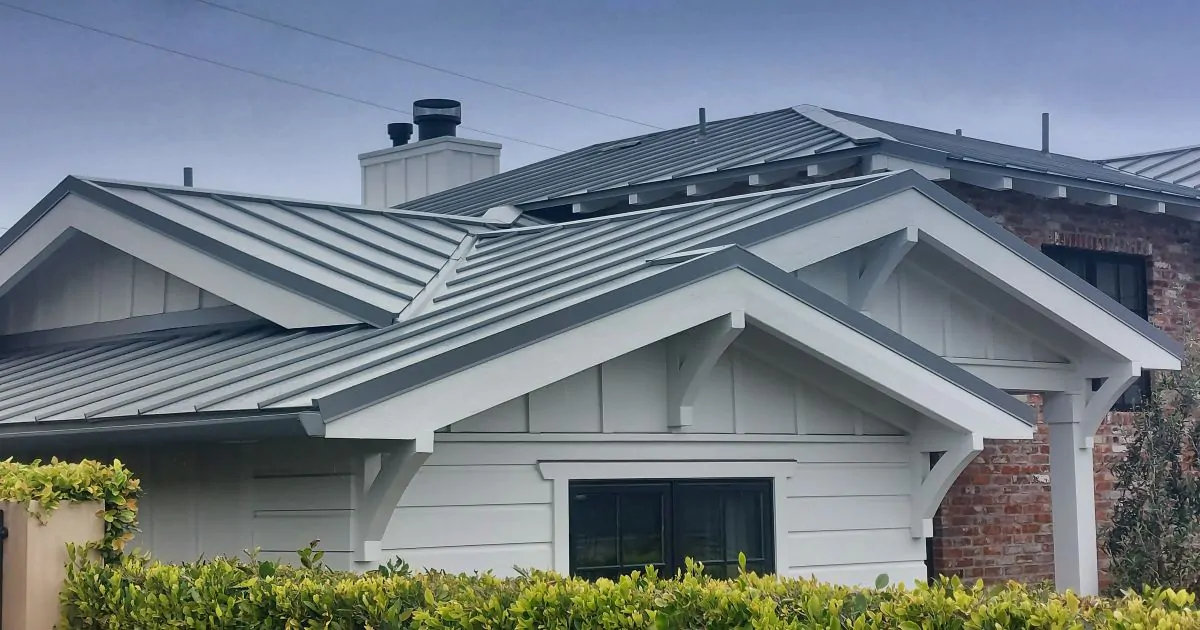
This variation features an extended roof overhang at the gable end that appears to float or project beyond the wall line. The extended eave creates additional shade, protects walls from driving rain, and adds a dramatic architectural touch. This style is frequently seen on craftsman bungalows and modern farmhouse builds.
- Provides extra weather protection at the gable ends
- Creates a bold visual statement from the street
- Requires proper structural support to prevent sagging over time
Each of these styles has distinct advantages, and the right choice comes down to your home’s layout, budget, and the character you want the roofline to carry. Comparing options before you commit can save you from costly changes later on.
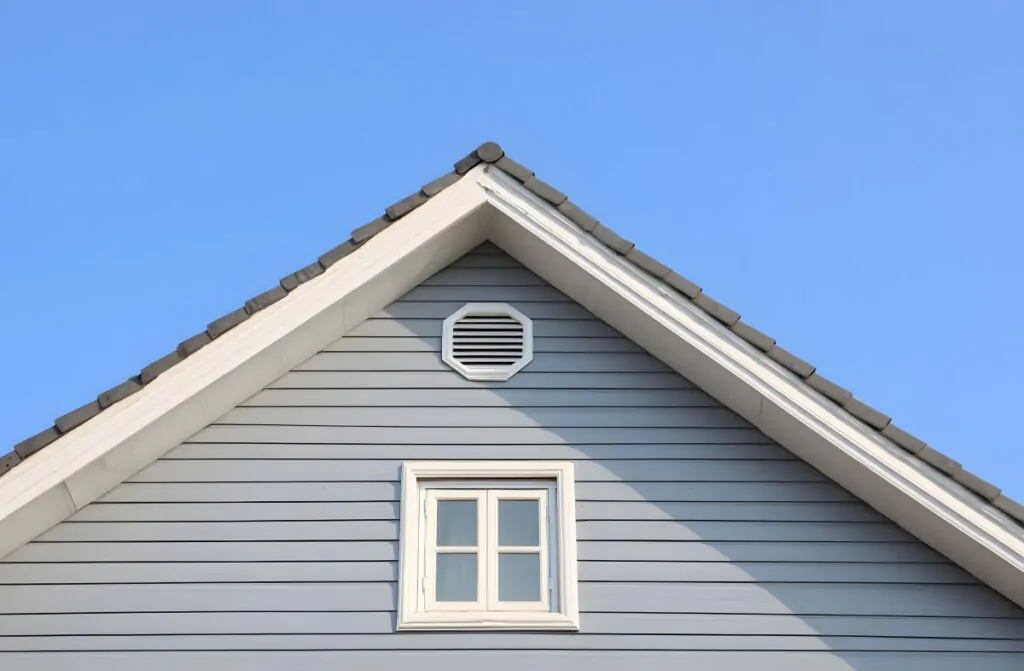
Gable Roof Maintenance: Keeping Your Roof in Top Condition
Even the most well-built gable roof needs consistent attention to stay in peak condition. Because of the steep pitch and exposed gable ends, there are a few areas that require more monitoring than other parts of the roof. Homeowners in Washington and surrounding areas should be especially aware of how seasonal weather can accelerate wear on these vulnerable spots.
Establishing a regular maintenance routine is one of the best investments you can make as a homeowner. Small problems caught early almost always cost less to fix than damage that has had time to spread into the structure below.
Inspect the Gable Ends and Rake Edges
The rake edges, which run along the sloped sides of the gable, are exposed to wind, moisture, and UV rays year-round. Inspect them at least twice a year for cracked caulk, peeling paint, warped trim boards, or missing rake flashing. Any gaps along the edge can allow water to infiltrate behind the fascia and into the structure.
Check Flashing Around Penetrations
If your roof has chimneys, skylights, or vents, the flashing around those features needs regular inspection. Flashing that has lifted, cracked, or pulled away from the surface is one of the most common causes of interior water damage. Even a small gap can allow moisture to work its way into the attic over time.
Clean Your Gutters Consistently
Gutters along the eaves collect debris quickly, especially after storms. Clogged gutters cause water to back up under the shingles at the eave line, which can rot the decking and fascia boards below. Cleaning gutters at least twice a year keeps water moving away from your home the way it should.
Evaluate Attic Ventilation Seasonally
One of the biggest advantages of a gable roof is its natural ventilation potential, but only if the system is properly set up and maintained. Check your gable vents for debris, nesting animals, and screen damage. Poor ventilation leads to moisture buildup in winter and excessive heat in summer, both of which shorten the life of your roofing materials.
Look for Shingle Damage After Storms
High winds are especially hard on gable roofs because the large, flat gable ends can catch gusts like a sail. After any significant storm, do a visual inspection from the ground and look for missing shingles, lifted edges, or granule loss near the gable ends. Addressing these issues quickly prevents water from reaching the decking below.
When to Repair vs. Replace Your Gable Roof
One of the most common questions homeowners ask is whether a damaged or aging roof can be repaired or whether a full replacement makes more sense. The answer depends on the age of the roof, the extent of the damage, and the condition of the decking and underlayment beneath the shingles.
Homeowners in Dunlap and surrounding areas often deal with roofs that have endured years of freeze-thaw cycles, heavy snow loads, and wind events. Knowing the difference between a repair situation and a replacement situation can save significant money and stress.
Repair is usually the right call when:
- Damage is limited to a small section of shingles or a specific area
- The roof is less than 15 years old and the rest of the surface is in solid condition
- Flashing issues or minor leaks are isolated and have not caused widespread decking damage
- Storm damage is covered by an insurance claim for a targeted fix
Replacement makes more sense when:
- The roof is approaching or has exceeded 20 to 25 years of age
- Multiple areas show signs of wear, curling, or granule loss
- There is widespread decking rot or structural damage beneath the surface
- Energy bills have risen due to poor insulation or ventilation beneath the roof
- Repeated repairs have not resolved recurring issues
Getting a professional inspection before making this decision is always the smartest move. A qualified roofer can assess your decking, underlayment, and structural components to give you an honest recommendation based on what they actually find.
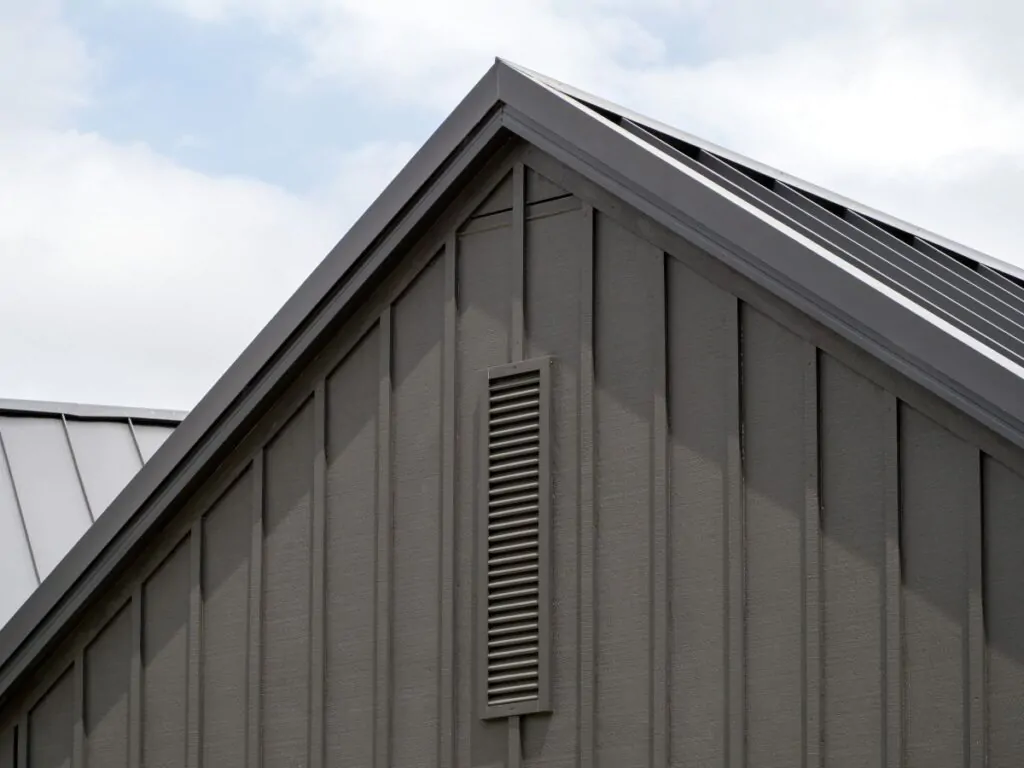
Ready to Protect Your Gable Roof for the Long Haul
Your roof is one of the largest and most important investments in your home, and a gable roof done right can protect your family and your property for decades. Understanding how it works, which style fits your home, and what maintenance it needs puts you in a strong position to make smart decisions before small problems turn into costly ones.
Whether you are dealing with storm damage, planning a new installation, or just looking for a professional opinion on your current roof’s condition, ROOF TIGER is here to help. Serving homeowners in West Peoria and surrounding areas throughout central Illinois, our team brings experience, honesty, and quality workmanship to every job. Do not wait until a small issue becomes a major repair. Contact us today to schedule your inspection and find out exactly where your roof stands.

Ferocious Roofing

They are extremely professional and responsive, made some great suggestions along the way, and handled every little issue that came up without complaint.
Vince B

