


Metal Roof Sealant (Protecting Your Roof from Corrosion)
Your metal roof is built to last, but without proper protection, corrosion and moisture can quietly work against it. Metal roof sealant is one of the most effective tools homeowners have for extending roof life, preventing leaks, and keeping repair costs down. Homeowners who invest in quality metal roofing still need to stay on top of sealant maintenance to get the most out of that investment, and knowing where to start makes all the difference.
Here is what you will learn in this guide:
- What metal roof sealant is and why it matters
- The main types of sealant and how to choose the right one
- Step-by-step application best practices
- How to spot signs that your sealant needs attention
- When to call a professional instead of going the DIY route
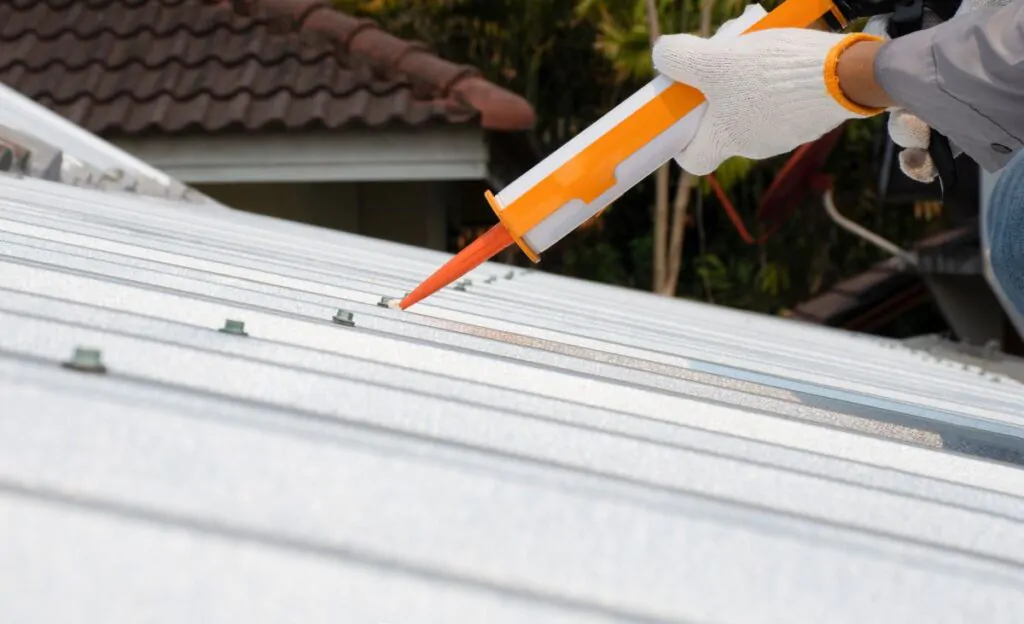
Why Metal Roof Sealant Is a Non-Negotiable Part of Roof Maintenance
Metal roofing is known for its strength, energy efficiency, and longevity, but it is not invincible. Over time, exposure to rain, wind, UV rays, and temperature changes creates small vulnerabilities at seams, fasteners, and flashings. Sealant fills those gaps and forms a waterproof barrier that keeps everything locked out. Without it, even a high-quality metal roof can develop rust patches, lifted panels, or interior water damage that spreads faster than most homeowners expect.
Investing in the right sealant and applying it correctly pays off in ways that go far beyond a dry attic. Consider the full picture of what proper sealing delivers:
- Corrosion resistance: Sealant prevents moisture from sitting on metal surfaces, which is the leading cause of rust and oxidation.
- Energy savings: A sealed roof reduces air infiltration, which helps your HVAC system work more efficiently through all four seasons.
- Extended roof life: Properly maintained seals can add years to a roof that might otherwise need early replacement.
- Leak prevention: Flashings, ridge caps, and panel joints are prime entry points for water. Sealant closes those gaps before a leak can form.
- Lower long-term costs: Routine sealing is far less expensive than repairing structural damage caused by prolonged moisture exposure.
Homeowners in Peoria and surrounding areas deal with a climate that brings freeze-thaw cycles, heavy spring rains, and hot summers, all of which put real stress on roofing materials. Sealant is the first line of defense against that seasonal wear.
4 Types of Metal Roof Sealant (And When to Use Each One)
Not all sealants are created equal, and choosing the wrong product for your roof type or climate can lead to premature failure. The market offers several categories of sealant, each with distinct properties, advantages, and ideal applications. Understanding the differences will help you make an informed decision, whether you are maintaining the roof yourself or reviewing options with a contractor.
1. Butyl Rubber Sealant
Butyl rubber is one of the most widely used sealants for metal roofing, and for good reason. It stays flexible over time, which means it moves with the metal as it expands and contracts through temperature changes. This flexibility is critical because metal panels shift slightly with every heating and cooling cycle. A rigid sealant would crack under that stress. Butyl rubber remains pliable and continues forming a tight seal for years.
- Best for: Lap seams, Z-flashing, and low-slope metal roofs
- Key benefit: Excellent adhesion to most metal surfaces without a primer
- Watch out for: Slower cure time in cold temperatures
2. Silicone Sealant
Silicone sealants are popular for their outstanding UV resistance and waterproofing capability. They do not break down in sunlight the way some other products do, making them a solid choice for exposed areas on standing seam or corrugated metal roofs. Silicone bonds well to clean metal and can handle temperature extremes without losing its structural integrity.
- Best for: Exposed ridge caps, pipe penetrations, and skylights
- Key benefit: Long-lasting UV and weather resistance
- Watch out for: Harder to paint over; not paintable once cured
3. Polyurethane Sealant
Polyurethane offers a good balance between flexibility and durability. It tends to be more adhesive than silicone on porous or rough surfaces and can be painted once fully cured, which is useful when appearance matters. It performs well in Peoria and surrounding areas where temperature fluctuations are significant across seasons.
- Best for: Areas where paint coverage is needed post-application
- Key benefit: Paintable and strong adhesion across varied surfaces
- Watch out for: Less UV-stable than silicone over the long term
4. Elastomeric Roof Coating
While not a traditional sealant, elastomeric coatings work as a full-surface barrier applied over an entire metal roof panel system. They stretch and contract with the metal without cracking and provide a seamless layer of waterproofing. They are often used as part of a restoration strategy for aging metal roofs that need broad coverage rather than spot sealing.
- Best for: Full roof restoration and widespread minor rust treatment
- Key benefit: Covers the entire surface in a uniform, waterproof layer
- Watch out for: Requires clean, rust-free surfaces for proper bonding
Each of these options has a distinct use case, and a roofing professional can help you determine which one fits your roof best.
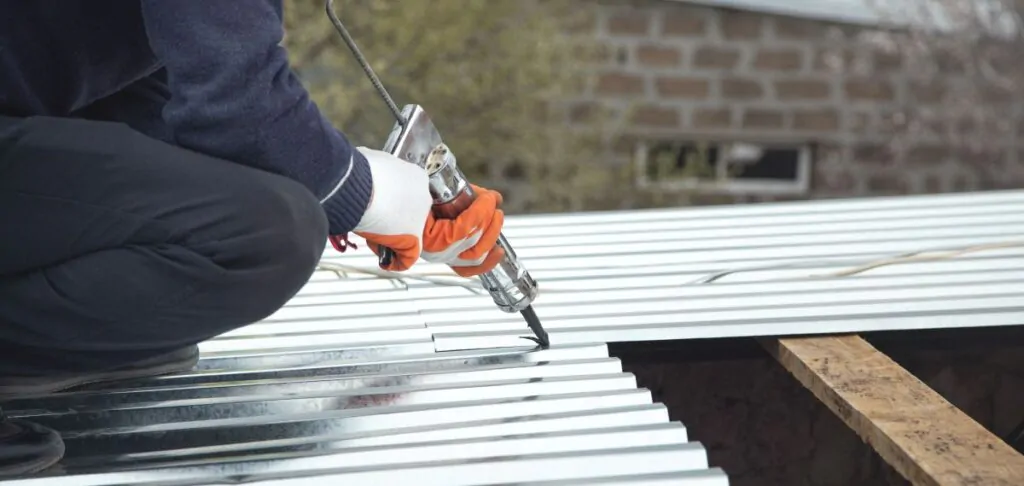
How to Apply Metal Roof Sealant the Right Way
Applying sealant correctly is just as important as choosing the right product. A poor application will fail early and may make the underlying problem worse. Whether you are doing spot repairs or re-sealing after a full roof cleaning, following the right process makes all the difference.
Surface Preparation Comes First
Before any sealant touches your roof, the surface must be clean, dry, and free of rust, dirt, oil, and old caulk. Use a wire brush or angle grinder to remove rust spots. Follow up with a metal cleaner or degreaser and let the surface dry completely. Skipping this step is the number one reason sealant fails ahead of schedule.
Apply in the Right Conditions
Temperature and humidity matter more than most people realize. Most sealants require surface temperatures between 40 and 90 degrees Fahrenheit for proper adhesion. Applying in extreme cold can prevent the product from curing correctly. Applying in high humidity or right before rain can trap moisture under the seal. Check the forecast before you begin, especially in Peoria and surrounding areas during spring and fall when weather shifts quickly.
Work from the Top Down
Start at the ridge and work your way down toward the eaves. This approach ensures that any sealant used higher on the roof does not get disturbed by foot traffic on your way back down. Pay special attention to:
- Panel overlaps and seams
- Fastener heads and screws
- Flashings around chimneys, vents, and skylights
- Valley transitions and ridge caps
Use the Right Amount
More is not always better. Overapplying sealant can trap moisture rather than repel it, and it makes future maintenance harder. Apply a smooth, consistent bead or coat as directed by the manufacturer. Tool the sealant into the joint with a caulking tool or gloved finger to ensure full contact with both surfaces.
Warning Signs Your Metal Roof Sealant Needs Attention
One of the best things a homeowner can do is learn to recognize early signs of sealant failure. Catching problems early keeps small repairs from becoming large ones. Set a habit of inspecting your roof at least twice a year, especially after major weather events.
Here are the most common warning signs to watch for:
- Cracking or peeling sealant: Old sealant that has dried out will crack and eventually peel away from the surface. Once this happens, the joint underneath is exposed and vulnerable to water intrusion.
- Visible rust streaks: Rust streaking below seams or fastener points often indicates that water is getting under the sealant and reacting with the metal. This is a sign that the seal has already failed in that area.
- Interior water stains: Stains on ceiling materials inside your attic or top floor rooms are a late-stage sign that water has been entering the roof for some time. Trace the path back to the entry point and check sealant integrity there first.
- Lifted or bubbling sealant: When sealant bubbles up or lifts at the edges, it has lost adhesion. Water can pool in those gaps, accelerating corrosion.
- Loose or missing fasteners: Fasteners that have worked loose over time are particularly vulnerable. If the sealant around them has cracked or shrunk back, those entry points need immediate attention.
Homeowners in Peoria and surrounding areas should make post-winter inspections a priority, since freeze-thaw cycles are especially hard on sealant integrity.
When to Call a Professional Roofer
DIY sealant application works well for small, accessible spots on a relatively new roof. But there are situations where professional help is the smarter and safer choice. Knowing when to call in a qualified roofer can save you from a bigger problem.
Consider reaching out to a professional if:
- Your roof is steeply pitched or difficult to access safely
- You are dealing with widespread rust or corrosion across large areas
- The existing sealant is failing in multiple locations at once
- You notice signs of panel movement or structural shifting around seams
- Water damage has already reached interior spaces
A trained roofer can assess whether spot sealing is enough or whether a more comprehensive approach, such as a full coating restoration or panel replacement, makes more sense for your situation. Trying to seal over damaged metal or advanced corrosion without proper prep often leads to faster failure and a bigger repair bill later.
Protect Your Roof with ROOF TIGER Before Problems Start
Metal roof sealant is not a one-time fix. It is an ongoing part of responsible roof ownership that, when done correctly, adds real years to the life of your investment. Understanding the right products, applying them properly, and keeping an eye out for early warning signs gives you the upper hand against the elements.
ROOF TIGER is here to help homeowners throughout the region get ahead of roofing problems before they turn into major expenses. If you have questions about sealant options, need a roof inspection, or want professional help protecting your metal roof, contact us today to schedule a consultation.

Ferocious Roofing

They are extremely professional and responsive, made some great suggestions along the way, and handled every little issue that came up without complaint.
Vince B

