


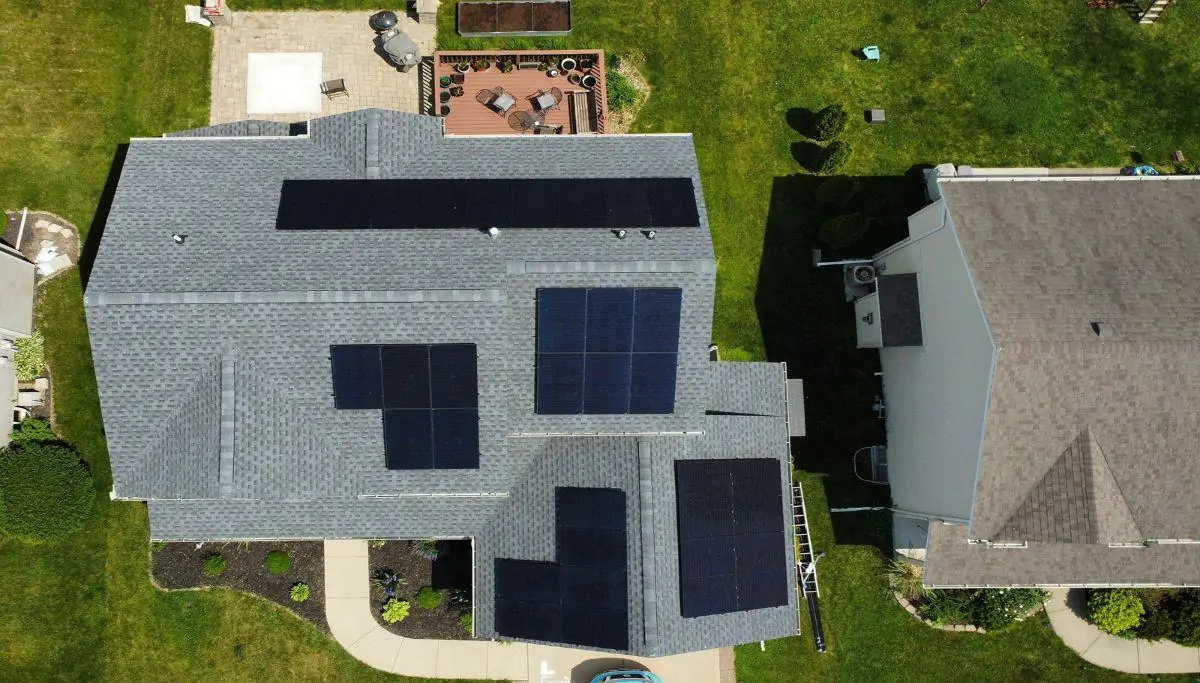
Solar Panel Installation (Process, Cost & Key Benefits)
Homeownership comes with plenty of long-term decisions, and few carry as much financial and environmental weight as going solar. Solar panel installation is no longer reserved for early adopters with deep pockets. In Bloomington and surrounding areas, more families are turning to solar as energy costs climb and incentive programs make the switch more accessible than ever.
What you’ll learn:
- Why solar panel installation is a smart investment for homeowners right now
- A step-by-step breakdown of the full installation process
- How to evaluate costs, incentives, and financing options
- What to look for when choosing the right system size and panel type
- How solar integrates with your roof and what maintenance looks like long term
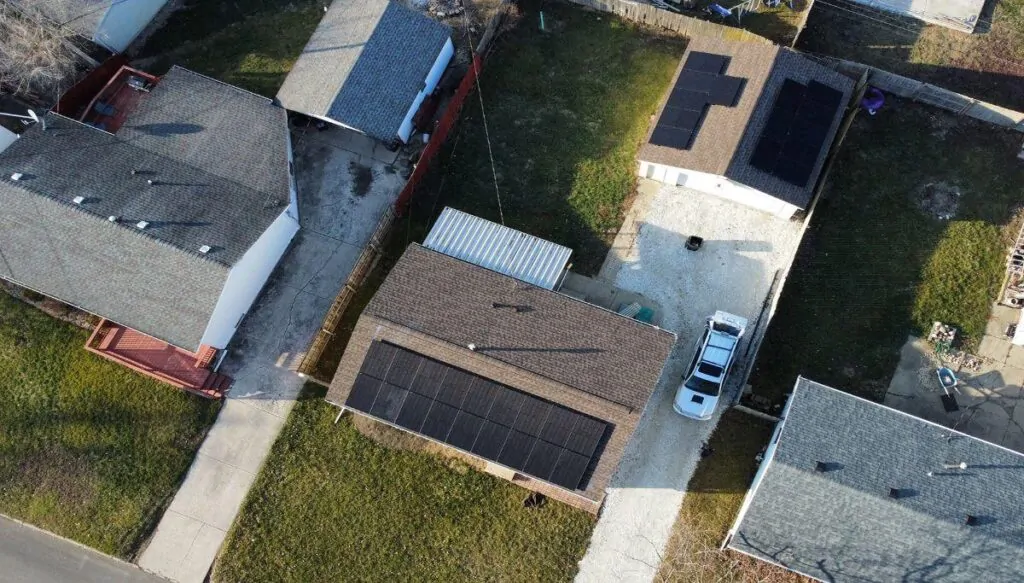
Why Solar Panel Installation Matters More Than Ever
Energy independence is no longer just a talking point. For homeowners across Bloomington and surrounding areas, rising utility rates and an increasing awareness of environmental impact have made solar a genuinely practical option. The question has shifted from “should I consider it?” to “when should I start?” Understanding the value of solar goes beyond the monthly savings, though those savings are very real.
- Long-term return on investment: Most residential solar systems pay for themselves within seven to ten years, and quality panels are rated to last 25 to 30 years. That means decades of reduced or eliminated electricity bills.
- Home value increase: Studies consistently show that homes with solar panels sell faster and at higher prices than comparable homes without them. Buyers recognize the built-in utility savings.
- Federal and state incentives: The federal solar investment tax credit currently allows homeowners to deduct a significant percentage of their installation costs. Many states and local utilities layer additional rebates on top.
- Environmental contribution: A typical residential solar system offsets several tons of carbon dioxide annually, which is the equivalent of planting dozens of trees every year.
Solar is not just about saving money on your monthly statement. It is about building long-term security, reducing your dependence on the grid, and making a choice that benefits your household for generations. The earlier you act, the longer your system has to generate a return.
8 Steps in the Solar Panel Installation Process
Getting solar panels installed is a more structured process than most homeowners expect. Each phase has a clear purpose, and understanding the full sequence helps you plan accordingly and avoid surprises. Professional installers handle the heavy lifting, but knowing the steps keeps you informed and in control throughout the project.
1. Initial Home Assessment
Every installation begins with a thorough evaluation of your property. An installer will assess your roof’s age, condition, pitch, and orientation. South-facing roofs with minimal shade typically produce the most energy, but modern systems can be optimized for a wide range of layouts.
- Roof structural integrity check
- Shading analysis using sun-path software
- Review of your utility bills to size the system accurately
2. System Design and Proposal
Using the data gathered during the assessment, your installer will design a custom system layout. This includes the number of panels, their placement, the inverter type, and any battery storage options. You will receive a detailed proposal showing estimated production, cost, and projected savings.
3. Permitting and HOA Approvals
Before a single panel goes up, permits must be pulled from your local municipality. In Bloomington and surrounding areas, permitting timelines can vary, but a reputable installer manages this process on your behalf. If your home is part of a homeowners association, approvals may also be required at this stage.
4. Equipment Ordering
Once permits are approved, your installer places the equipment order. Panels, inverters, racking systems, and wiring components are sourced from manufacturers. Lead times depend on availability and the complexity of your system.
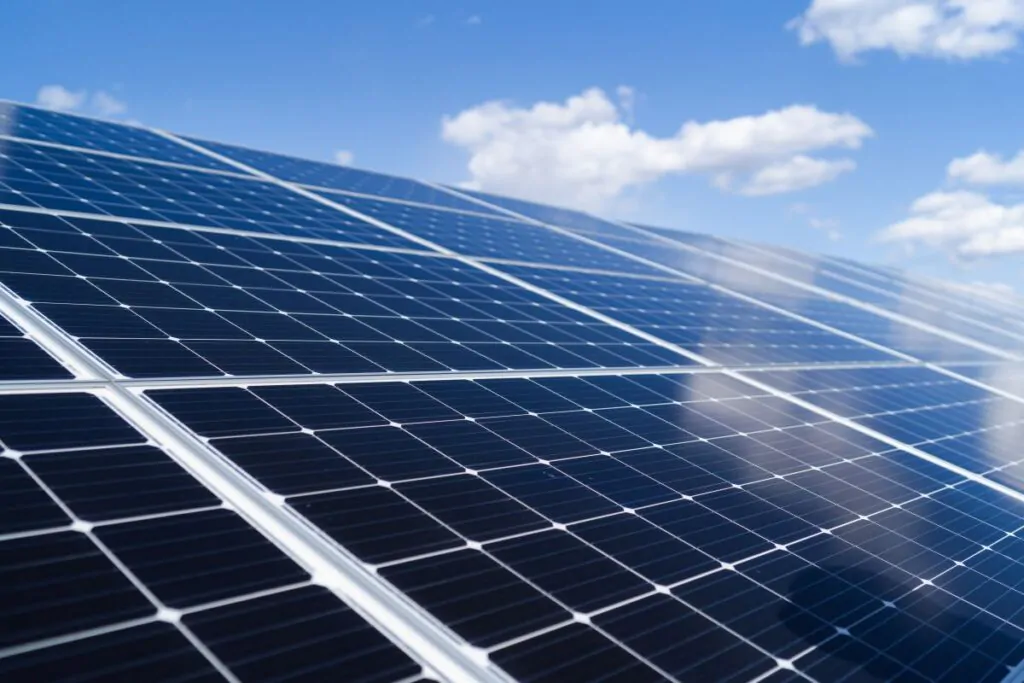
5. Roof Preparation
If your roof needs any repairs or reinforcement before installation, this is handled first. Installers will also identify the optimal locations for mounting hardware and ensure the structure can support the added weight of the panels.
- Flashing installation to prevent leaks at mounting points
- Racking system attachment to roof joists
- Weatherproofing around all penetration points
6. Panel and Inverter Installation
This is the most visible phase of the process. Panels are mounted to the racking system, wired together, and connected to the inverter. The inverter converts the direct current produced by the panels into alternating current usable in your home.
7. Utility Interconnection
Before your system can go live, the utility company must inspect and approve the installation. This step establishes the connection between your solar system and the grid, enabling net metering if your utility offers it. Net metering credits you for excess energy your system sends back to the grid.
8. System Activation and Monitoring Setup
Once the utility approves the interconnection, your installer activates the system. Most modern installations include a monitoring app so you can track energy production in real time. You will also receive a walkthrough of how the system works and what to do if you notice any performance issues.
The full process from initial assessment to activation typically takes four to eight weeks, depending on permitting timelines and equipment availability. Patience during the permitting phase pays off once the system is running.
Understanding Solar Panel Costs and Financing
Cost is often the first question homeowners ask, and the honest answer is that it varies widely depending on system size, panel type, roof complexity, and location. That said, understanding the general landscape helps you budget realistically and take full advantage of available incentives.
What Affects Your Total Cost
The size of your system is the largest cost driver. A typical residential installation ranges from 6 to 12 kilowatts, and pricing generally scales with capacity. Panel brand and efficiency tier also influence cost, as premium panels produce more energy per square foot but carry a higher upfront price. Installation complexity, including roof pitch, shading obstacles, and whether battery storage is included, rounds out the major variables.
Incentives That Reduce Your Out-of-Pocket Expense
The federal investment tax credit currently allows eligible homeowners to deduct 30 percent of the total cost from their federal tax liability. This is a dollar-for-dollar reduction, not just a deduction from taxable income, which makes it highly valuable. Many utility providers in Bloomington and surrounding areas offer additional rebates, and some states have their own solar incentive programs.
Financing Options to Consider
- Cash purchase: Highest upfront cost but the greatest long-term savings and the simplest ownership structure.
- Solar loan: Allows you to own the system without paying the full amount upfront. Interest rates vary by lender and your credit profile.
- Lease or power purchase agreement: Lower barrier to entry but typically results in smaller savings since you are paying for the energy rather than owning the equipment.
Choosing the right financing structure depends on your priorities. Homeowners focused on maximizing return on investment typically prefer ownership through a cash purchase or loan. Comparing quotes from multiple installers is also one of the most effective ways to ensure you are getting competitive pricing.
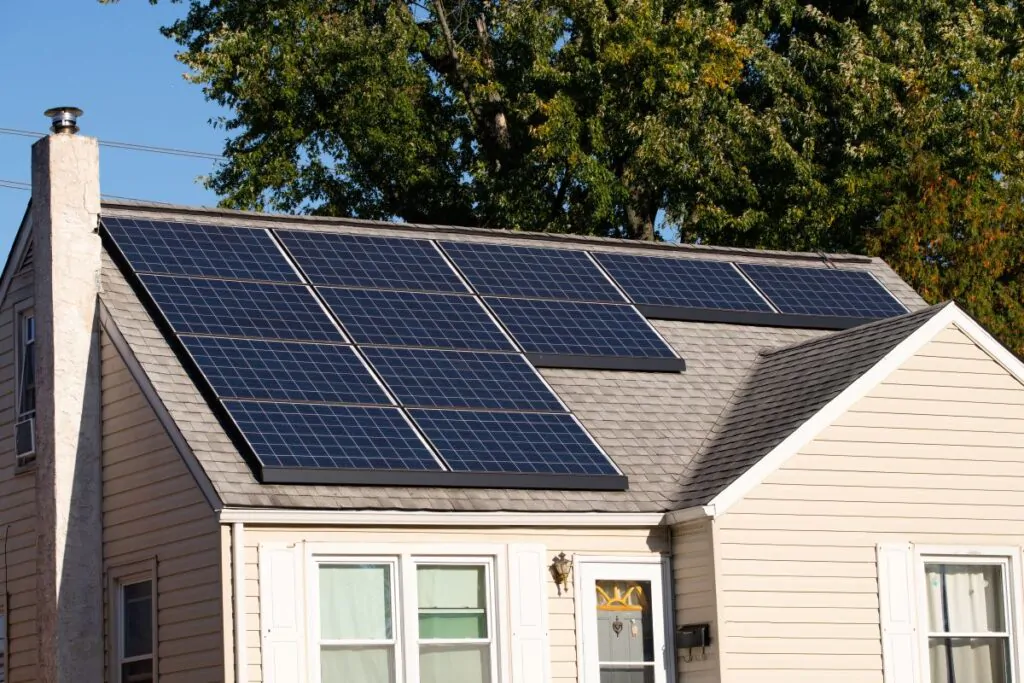
Choosing the Right System for Your Home
Not every solar system is built the same, and the right configuration for your neighbor may not be the right fit for your home. Panel type, inverter technology, and battery storage are all decisions that shape how well your system performs over the long haul.
| Decision | Your Options | Best For |
| Panel type | Monocrystalline: higher efficiency, less roof space, higher cost | Most homeowners seeking long-term value |
| Polycrystalline: slightly less efficient, more affordable | Budget-conscious installs with ample roof space | |
| Inverter type | String inverter: lowest cost, affected by shading | Roofs with little to no shading |
| Microinverter: panel-level independence, highest cost | Roofs with partial shading from trees or chimneys | |
| Power optimizer: mid-range cost, panel-level optimization | A balance of performance and budget | |
| Battery storage | With storage: energy at night, outage protection, higher cost | Maximum energy independence |
| Without storage: lower upfront, relies on net metering | Grid-connected homes in areas with strong net metering |
Your installer should walk you through each of these decisions with data specific to your home’s production potential and your household’s energy usage patterns. A well-designed system is one that matches your consumption, not just the maximum panel count your roof can hold.
Take the Next Step Toward Solar with ROOF TIGER
Installing solar panels is one of the most impactful upgrades a homeowner can make, both for their finances and for the environment. From the initial assessment through system activation, every step in the process is designed to set you up for decades of reliable, clean energy production. The cost has never been more manageable, the technology has never been more reliable, and the incentives available right now make acting sooner smarter than waiting. Whether your priorities are long-term savings, environmental responsibility, or energy independence, solar delivers on all fronts.
ROOF TIGER is here to guide homeowners through every phase of this journey with expertise, transparency, and a commitment to quality installation. Our team serves Bloomington and surrounding areas with the kind of attention to detail that makes a real difference in how well your system performs over time. Ready to find out what solar looks like for your home? Contact us today to schedule your assessment and get a customized proposal built around your home’s specific needs.

Ferocious Roofing

They are extremely professional and responsive, made some great suggestions along the way, and handled every little issue that came up without complaint.
Vince B

