

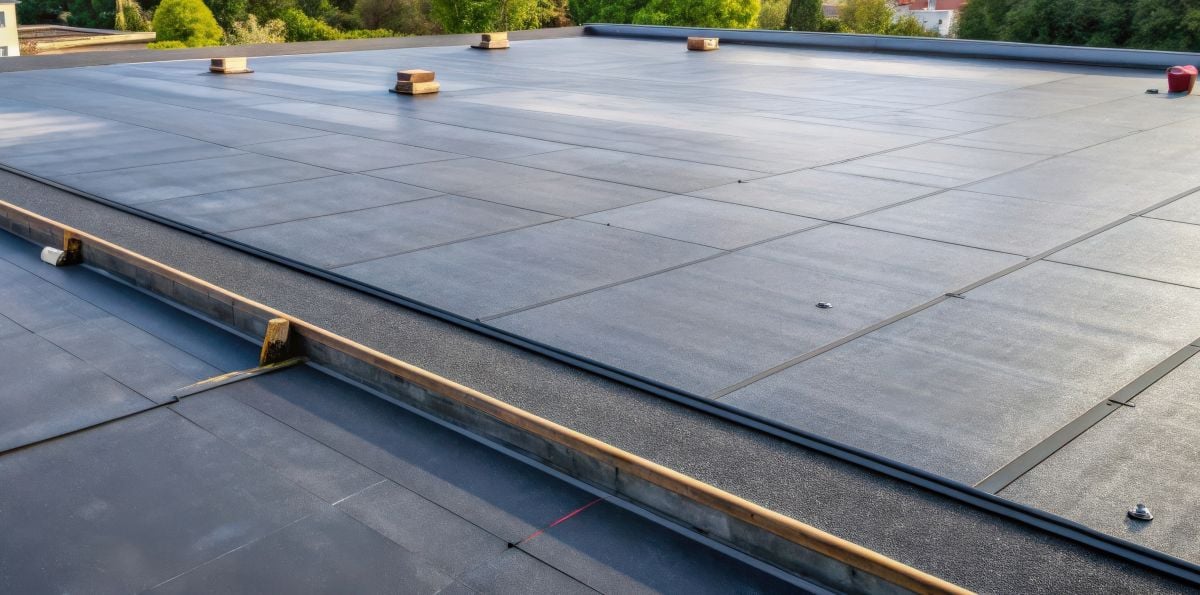
Rubber Roofing (What It Is & Why Homeowners Choose It)
When it comes to durable, low-maintenance roofing systems, rubber roofing has become a top choice for homeowners looking for long-term protection and performance. Known for its flexibility and weather resistance, this roofing option is especially popular for flat and low-slope structures. When paired with professionally installed systems like those found in our commercial roofing solutions, rubber roofing offers a reliable and cost-effective way to protect your property year-round.
In this guide, you will learn:
- What rubber roofing is and how it works
- The key benefits that make it a popular choice
- Different types of rubber roofing materials
- How it compares to other roofing systems
- What to expect with installation and maintenance
Why Rubber Roofing Is a Smart Investment
Rubber roofing is more than just an alternative option. It is a high-performance system designed to handle tough weather conditions while minimizing upkeep. For homeowners in Peoria Heights and surrounding areas, where seasonal changes can be intense, choosing the right roofing material is critical.
Here are some of the biggest advantages:
- Durability: Rubber roofing materials like EPDM are built to last 20 to 30 years or more with proper care
- Weather Resistance: Excellent protection against rain, snow, UV rays, and temperature fluctuations
- Low Maintenance: Requires minimal upkeep compared to traditional roofing materials
- Energy Efficiency: Reflective options can help reduce cooling costs during warmer months
- Flexibility: Expands and contracts with temperature changes without cracking or breaking
These benefits make rubber roofing a practical solution for homeowners who want reliable performance without constant repairs.
4 Types of Rubber Roofing Systems
Not all rubber roofing systems are the same. Understanding the different types can help you choose the best fit for your home and budget.
1. EPDM Roofing (Ethylene Propylene Diene Monomer)
EPDM is the most common type of rubber roofing used in residential and commercial applications.
This material is known for its durability and flexibility, making it ideal for flat or low-slope roofs. It is typically available in large sheets that reduce the number of seams, lowering the risk of leaks.
Key features include:
- Strong resistance to UV radiation and ozone exposure
- Ability to withstand extreme temperature changes
- Long lifespan with proper installation
- Cost-effective compared to other systems
EPDM is often black, which can absorb heat, but lighter options are available for improved energy efficiency.
2. TPO Roofing (Thermoplastic Polyolefin)
TPO is a newer roofing material that combines durability with energy efficiency.
It is designed to reflect sunlight, helping to keep your home cooler during hot months. This makes it a popular choice for homeowners looking to reduce energy costs.
Benefits of TPO include:
- High reflectivity for better energy performance
- Resistance to mold, dirt, and punctures
- Heat-welded seams for added strength
- Environmentally friendly composition
TPO is especially useful in areas with high sun exposure.
3. PVC Roofing (Polyvinyl Chloride)
PVC roofing is another strong contender in the rubber roofing category, known for its durability and chemical resistance.
It is often used in commercial settings but can also be a great option for residential applications.
Advantages include:
- Exceptional strength and durability
- Resistance to chemicals, grease, and fire
- Long-lasting performance
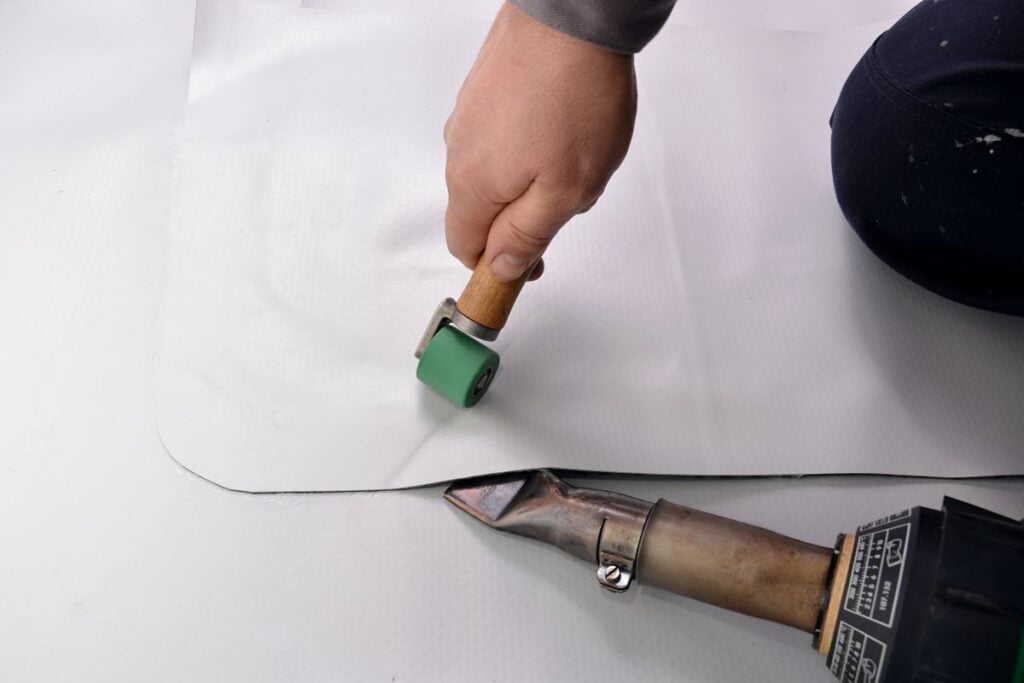
- Watertight seams created through heat welding
PVC tends to be more expensive than EPDM but offers premium protection in demanding environments.
4. Rubber Shingles
Rubber shingles are designed to mimic the appearance of traditional roofing materials like slate or wood.
They provide the aesthetic appeal of classic roofing while delivering the benefits of rubber.
Notable features:
- Attractive design options
- Lightweight and easy to install
- Resistant to cracking and warping
- Made from recycled materials
This option is ideal for homeowners who want both style and performance.
Where Rubber Roofing Works Best
Rubber roofing is not a one-size-fits-all solution, but it excels in specific applications.
For homes in Peoria Heights and surrounding areas, it is particularly effective in situations where traditional shingles may not perform as well.
- Flat Roofs: Rubber roofing is one of the best choices for flat or low-slope roofs due to its waterproof properties
- Additions and Garages: Great for extensions, sunrooms, and detached structures
- Porches and Patios: Provides reliable coverage for outdoor living spaces
- Commercial-Style Homes: Ideal for modern or industrial designs with minimal slope
Because rubber roofing creates a continuous membrane, it significantly reduces the risk of leaks in areas where water tends to pool.
Rubber Roofing vs Other Roofing Materials
Choosing the right roofing material often comes down to comparing your options. Each material has its strengths and weaknesses depending on your needs.
Below is a simple comparison to help you understand how rubber roofing stacks up:
| Feature | Rubber Roofing | Asphalt Shingles | Metal Roofing |
| Lifespan | 20 to 30+ years | 15 to 25 years | 40 to 70 years |
| Maintenance | Low | Moderate | Low |
| Cost | Moderate | Lower upfront | Higher upfront |
| Best For | Flat roofs | Sloped roofs | Various slopes |
| Energy Efficiency | Good to excellent | Moderate | Excellent |
| Leak Resistance | High | Moderate | High |
Rubber roofing stands out for its balance of cost, durability, and ease of maintenance, especially for flat or low-slope structures.
Installation Process and What to Expect
Understanding the installation process can help you feel more confident when choosing rubber roofing for your home.
A professional installation ensures that your roofing system performs as expected and lasts for decades.
Roof Inspection and Preparation
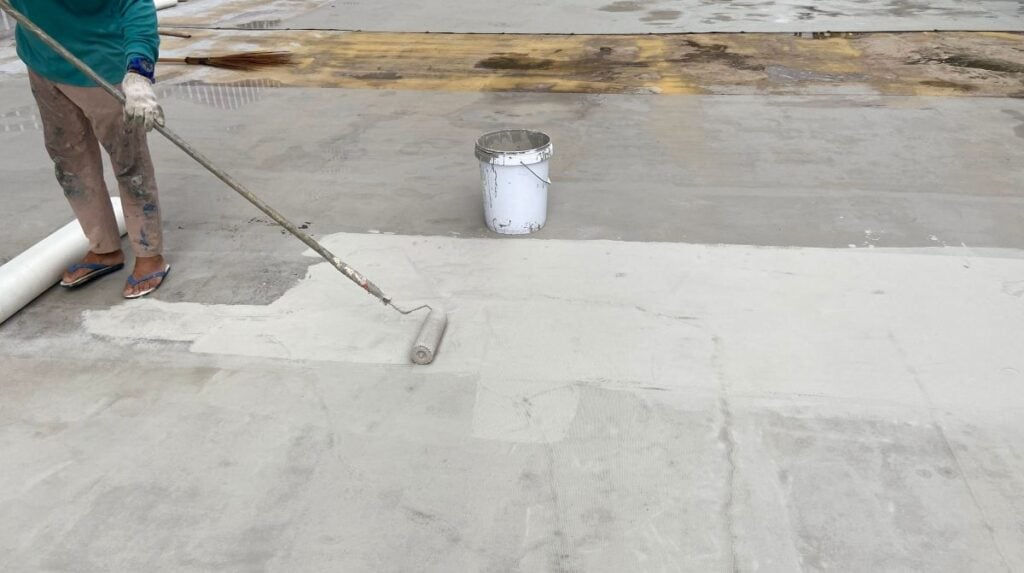
Before installation begins, your existing roof will be inspected to identify any damage or structural concerns.
This step includes:
- Checking for moisture or rot
- Removing old roofing materials if necessary
- Ensuring a clean and stable surface
Proper preparation is essential for a successful installation.
Membrane Installation
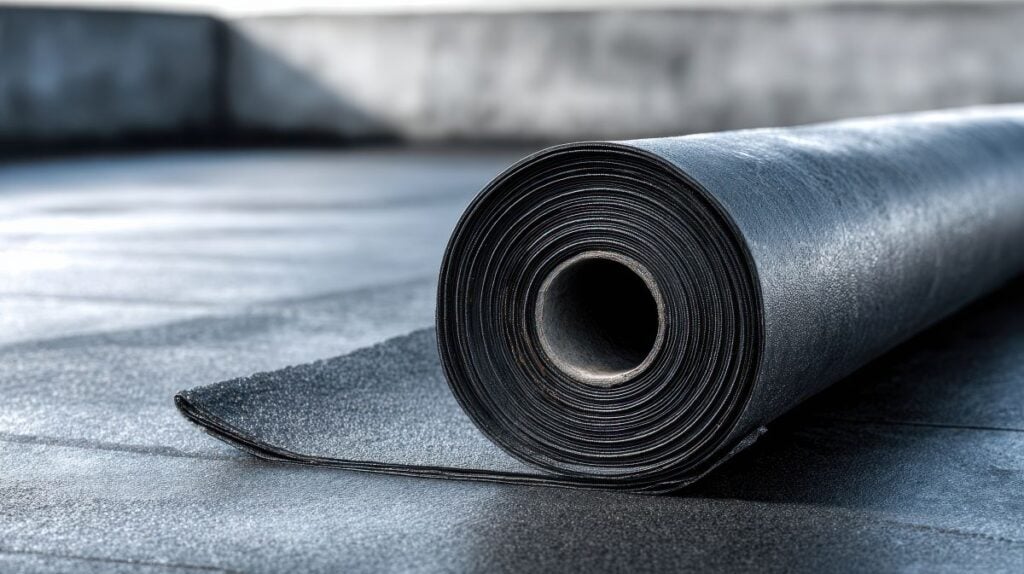
The rubber membrane is then rolled out and secured to the roof surface.
Depending on the system, this may involve:
- Adhesives for a fully bonded system
- Mechanical fasteners for added stability
- Ballasted systems using weight to hold the membrane in place
Each method has its own benefits depending on the structure of your home.
Sealing and Finishing
Seams and edges are carefully sealed to prevent water intrusion.
This includes:
- Heat welding for TPO and PVC systems
- Adhesive sealing for EPDM
- Flashing installation around vents and edges
A properly sealed roof is critical for long-term performance.
Final Inspection
Once installation is complete, a final inspection ensures everything is secure and functioning correctly.
This step provides peace of mind and helps catch any issues before they become problems.
Maintenance Tips for Long-Term Performance
One of the biggest advantages of rubber roofing is its low maintenance requirements. However, regular care can extend its lifespan even further.
Here are some simple ways to keep your roof in top condition:
- Inspect Annually: Check for debris, punctures, or signs of wear
- Keep It Clean: Remove leaves and dirt to prevent buildup
- Check Seams: Ensure seams remain sealed and intact
- Address Repairs Quickly: Small issues can become bigger problems if ignored
- Schedule Professional Inspections: Periodic inspections help catch hidden issues
For homeowners in Peoria Heights and surrounding areas, seasonal inspections are especially important due to changing weather conditions.
Is Rubber Roofing Right for Your Home
Rubber roofing is an excellent option for many homeowners, but it is not always the best fit for every situation.
Consider these factors when deciding:
- Roof Design: Works best on flat or low-slope roofs
- Budget: Offers a strong balance between cost and performance
- Aesthetic Preferences: Some homeowners prefer traditional shingle appearances
- Long-Term Plans: Ideal for those planning to stay in their home for many years
If your home meets these criteria, rubber roofing can provide long-lasting protection and peace of mind.
Protect Your Home with a Reliable Roofing Solution
Rubber roofing offers a unique combination of durability, flexibility, and low maintenance that makes it an appealing choice for many homeowners. Whether you are upgrading an existing roof or planning a new project, this material delivers dependable performance in a variety of conditions.
For homeowners in Peoria Heights and surrounding areas, investing in a high-quality roofing system is one of the best ways to protect your property and reduce long-term costs. If you are considering rubber roofing or want expert guidance on the best option for your home, contact ROOF TIGER today to get started.

Ferocious Roofing

They are extremely professional and responsive, made some great suggestions along the way, and handled every little issue that came up without complaint.
Vince B

