


Roof Snow Removal (Safe Methods & Winter Tips)
Heavy snow may look beautiful, but it can quietly put your home at risk. Roof snow removal is one of the most important winter maintenance tasks for homeowners in Normal and surrounding areas. When snow piles up, it adds weight, traps moisture, and increases the risk of leaks or structural damage. If you are unsure about the condition of your system, it helps to understand how proper roofing solutions protect your home year round.
In this guide, you will learn:
- Why removing snow from your roof matters
- The safest methods for clearing snow
- Common winter roofing risks to watch for
- When to call a professional for help
- Smart prevention tips to reduce snow buildup
Why Roof Snow Removal Matters for Your Home
Snow accumulation is not just a cosmetic issue. A few inches of light snow may not seem concerning, but heavy, wet snow can weigh significantly more than most homeowners realize. Over time, that added weight stresses your roofing materials and underlying structure.
For homeowners in Normal and surrounding areas, fluctuating winter temperatures make snow and ice especially problematic. Melting and refreezing cycles create conditions that increase the likelihood of damage.
Here are key reasons roof snow removal should be part of your winter plan:
- Structural Protection: Excess weight from snow can strain rafters, decking, and support beams. In extreme cases, it may lead to sagging or collapse.
- Leak Prevention: Snow that melts and refreezes can force water beneath shingles, increasing the risk of interior leaks.
- Ice Dam Reduction: Clearing snow helps limit the formation of ice dams, which block proper drainage and trap water on your roof.
- Gutter Preservation: Snow and ice buildup in gutters can cause detachment, bending, or cracking.
- Extended Roof Lifespan: Reducing winter stress helps your roofing materials last longer and perform better over time.
Ignoring snow buildup can lead to costly repairs in the spring. Proactive removal is far more affordable than replacing damaged decking, insulation, or drywall.
5 Safe Methods for Roof Snow Removal
Safety must always come first when addressing snow on your roof. Climbing onto a snow covered surface is dangerous and not recommended for most homeowners. Instead, focus on safer methods that reduce risk while protecting your roofing materials.
Below are the most effective and safest approaches.
1. Use a Roof Rake From the Ground
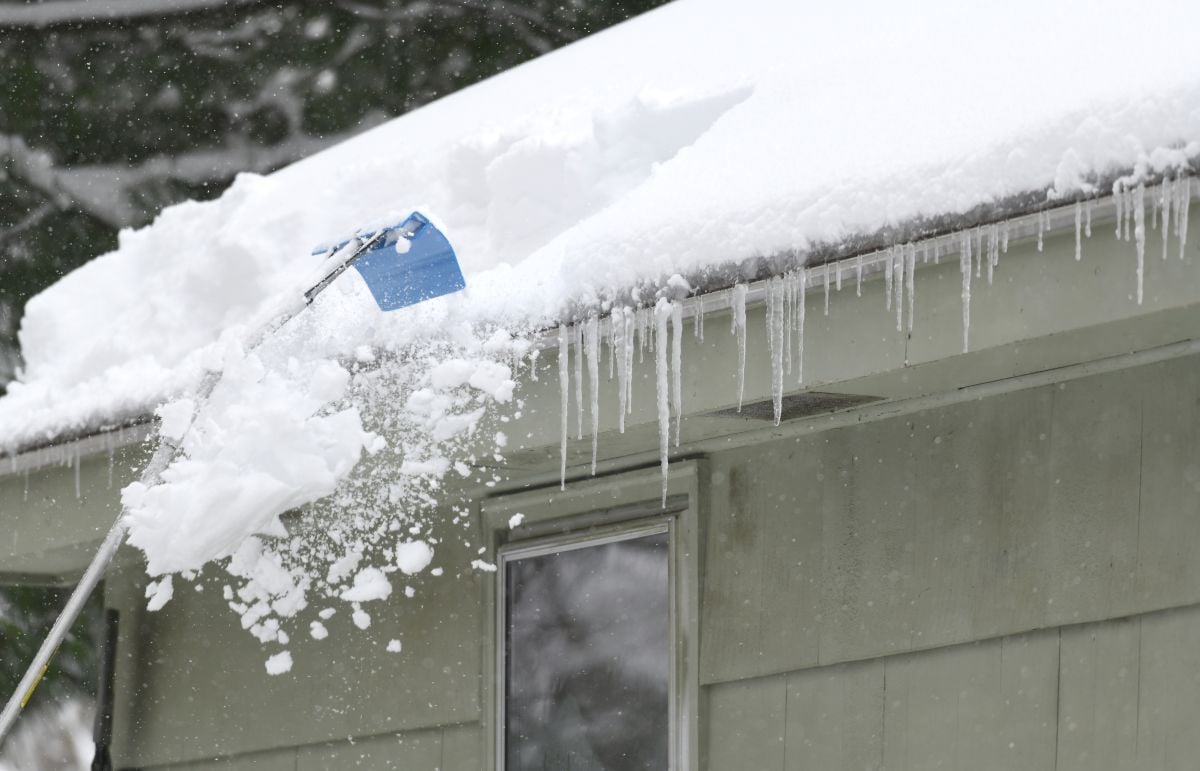
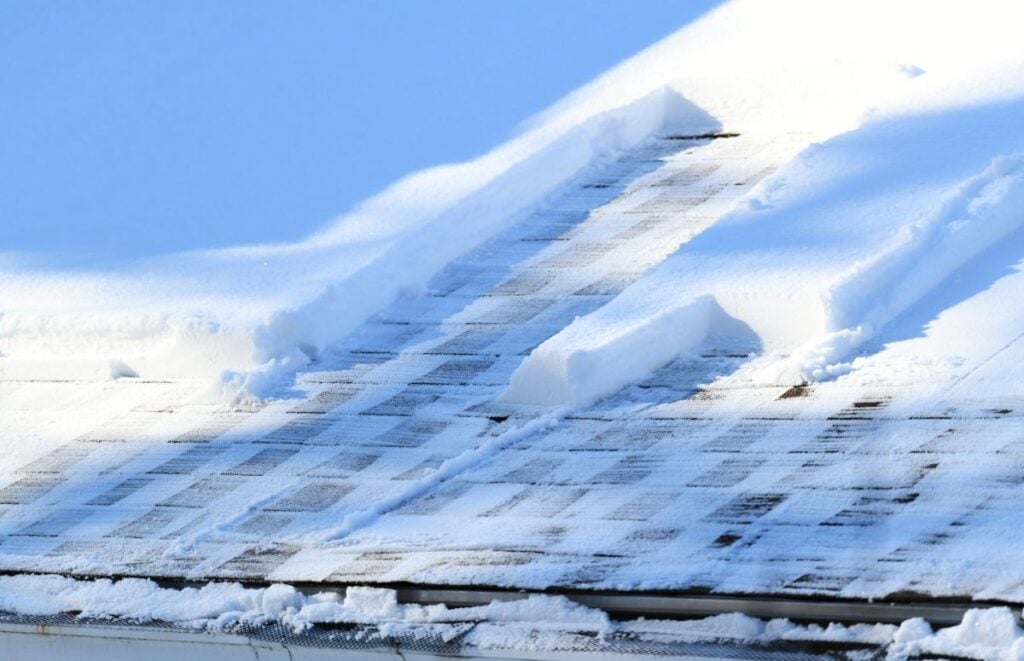
A roof rake is one of the safest tools for snow removal. It allows you to clear snow while standing securely on the ground. Start by removing snow from the lower three to four feet of your roof edge. This helps reduce the risk of ice dams and allows melting snow to drain properly.
Helpful tips include:
- Use a rake with a long, extendable handle
- Choose a model with a plastic blade to avoid shingle damage
- Work in small sections to prevent sudden snow slides
- Avoid scraping directly against shingles
This method works well for moderate snow buildup and is often sufficient for most homes in Normal and surrounding areas.
2. Avoid Climbing on the Roof
Walking on a snow covered roof increases your risk of slipping and falling. Even experienced homeowners can misjudge icy patches hidden beneath snow. Additionally, foot traffic can damage shingles, especially in cold temperatures when materials are more brittle.
Instead of climbing:
- Stay on the ground whenever possible
- Use proper ladders only if absolutely necessary
- Wear slip resistant footwear
- Consider professional assistance for steep or high roofs
Your safety is far more important than clearing every inch of snow.
3. Remove Snow Before It Compacts
Fresh snow is much easier to remove than snow that has compacted or partially melted and refrozen. If weather forecasts predict heavy snowfall, plan to clear lighter accumulations before the next storm arrives. This reduces the total load and prevents hard ice layers from forming.
Timing matters. Acting early can:
- Reduce overall roof weight
- Minimize ice formation
- Lower the chance of leaks
- Make the process faster and easier
Waiting too long often makes removal more difficult and increases the risk of damage.
4. Use Calcium Chloride Socks for Ice Dams
If ice dams begin to form, you can use calcium chloride filled socks to help melt channels through the ice. Place the sock vertically across the ice dam so it crosses the gutter line. As it melts, it creates a path for trapped water to escape.
Important considerations:
- Never use rock salt, which can damage shingles and metal components
- Avoid chipping ice with sharp tools
- Monitor the area for continued refreezing
While this is a temporary solution, it can prevent water intrusion until conditions improve.
5. Call a Professional When Necessary
If snow accumulation exceeds six inches of heavy, wet snow or if you notice sagging, cracking sounds, or interior leaks, professional help is the safest option.
Professional crews have the equipment and experience to:
- Safely access steep or multi story roofs
- Remove large volumes of snow
- Identify hidden damage
- Protect roofing materials during removal
Attempting to handle severe buildup yourself can lead to injury or costly mistakes.
Common Winter Roofing Risks to Watch For
Snow is only part of the winter equation. Cold temperatures and repeated freeze thaw cycles create several related risks that homeowners should understand.
Being aware of these issues helps you respond quickly before minor concerns become major repairs.
Ice Dams
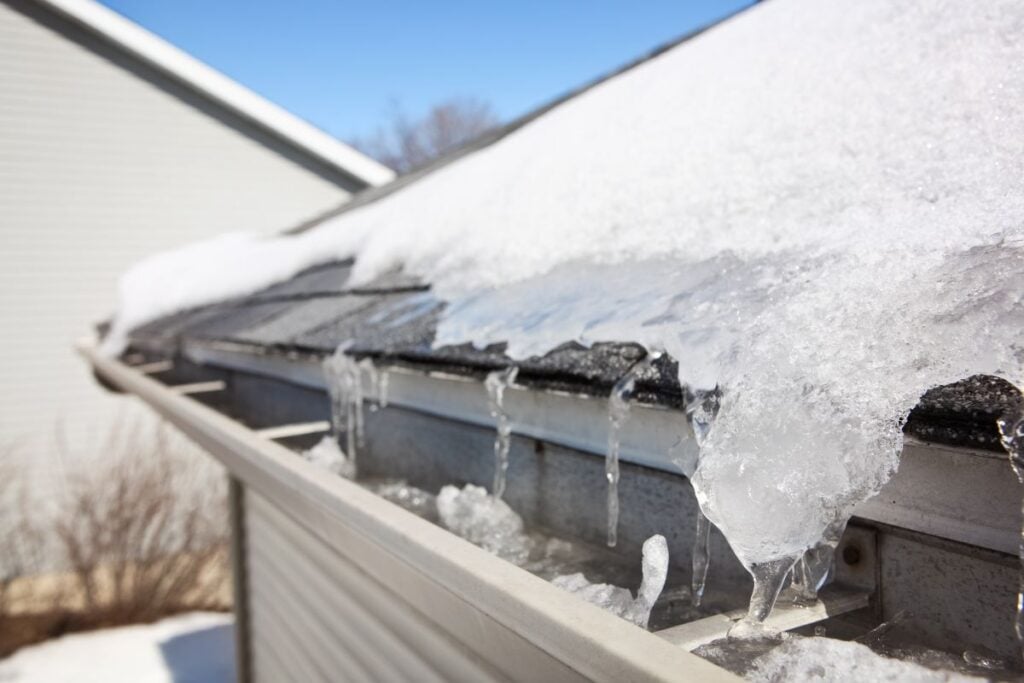
Ice dams form when heat escapes from your attic and melts snow on the roof. The water flows downward and refreezes at the colder roof edge.
Over time, this ice barrier traps water behind it. That trapped water can seep beneath shingles and into your home.
Warning signs include:
- Large icicles along roof edges
- Water stains on ceilings or walls
- Peeling paint near the roofline
- Damp insulation in the attic
Proper insulation and ventilation are critical for reducing ice dam formation.
Hidden Leaks
Snow can mask roofing problems that would normally be visible. Missing shingles, cracked flashing, or deteriorated sealants may not be obvious until the snow melts.
As snow melts, water may find its way into small openings and travel along rafters before appearing inside your home.
Regular inspections help identify weak points before winter weather makes them worse.
Gutter and Downspout Blockages
Snow and ice can block gutters and downspouts, preventing proper drainage. When water cannot flow freely, it backs up under shingles or spills over the sides.
This can lead to:
- Fascia damage
- Foundation issues
- Landscaping erosion
- Interior leaks
Keeping gutters clear before winter reduces the likelihood of ice buildup.
Structural Stress
Flat or low slope roofs are particularly vulnerable to heavy snow loads. Over time, repeated stress can weaken framing components.
Watch for:
- Sagging roof lines
- Sticking doors or windows
- Cracks in interior drywall
If you notice these signs during winter, it is wise to consult a roofing professional promptly.
Preventative Winter Tips for Long Term Protection
The best approach to roof snow removal is prevention. By preparing your home before winter arrives, you can reduce snow related risks and make removal easier.
Homeowners in Normal and surrounding areas benefit from proactive planning due to variable Midwest winter conditions.
Improve Attic Insulation
Proper insulation prevents warm air from escaping into the attic and melting snow unevenly.
Key benefits include:
- More consistent roof temperatures
- Reduced ice dam formation
- Lower energy bills
- Increased indoor comfort
A well insulated attic is one of the most effective defenses against winter roofing problems.
Enhance Ventilation
Ventilation works alongside insulation to maintain balanced attic temperatures. Ridge vents, soffit vents, and other ventilation systems allow cold air to circulate properly. This reduces hot spots that contribute to uneven melting.
Balanced airflow helps protect shingles and underlayment throughout the winter season.
Schedule a Fall Inspection
Before the first snowfall, schedule a professional roof inspection. Identifying minor issues early can prevent major winter damage.
An inspection typically includes:
- Checking for loose or damaged shingles
- Examining flashing around chimneys and vents
- Inspecting gutters and drainage systems
- Evaluating attic insulation and ventilation
Addressing concerns before snow arrives ensures your roof is ready for the season.
Trim Overhanging Branches
Snow covered branches can break and fall onto your roof. Trimming nearby trees reduces impact risks and prevents debris from collecting in gutters.
Keeping branches away from your home also improves airflow and sunlight exposure, which can help snow melt more evenly.
Understand Your Roof Type
Different roofing materials respond differently to snow and ice.
For example:
- Asphalt shingles can handle moderate snow loads but may be damaged by aggressive scraping
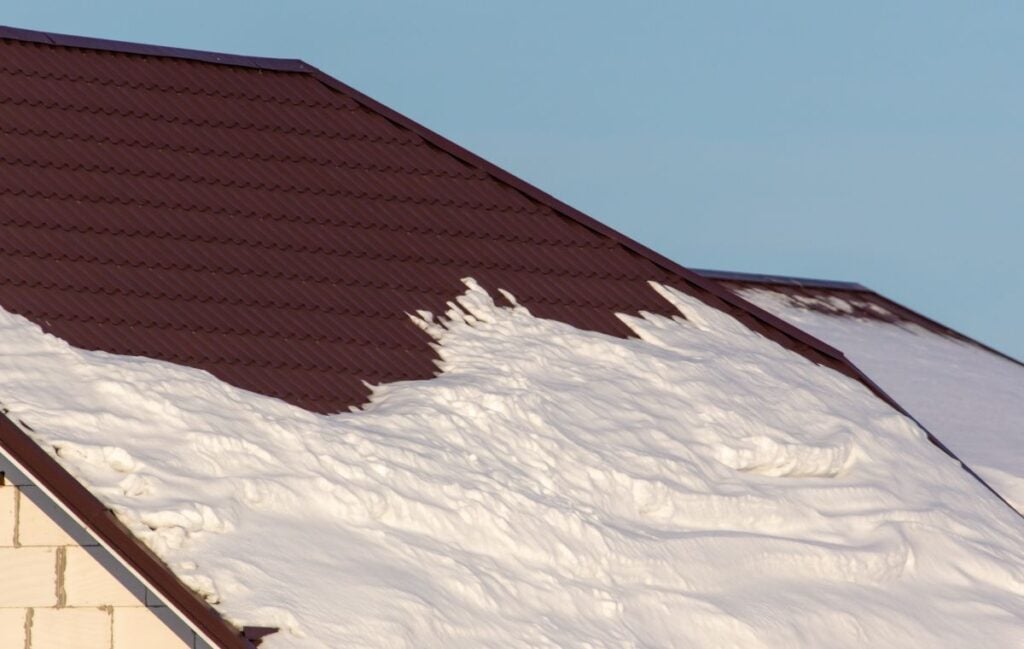
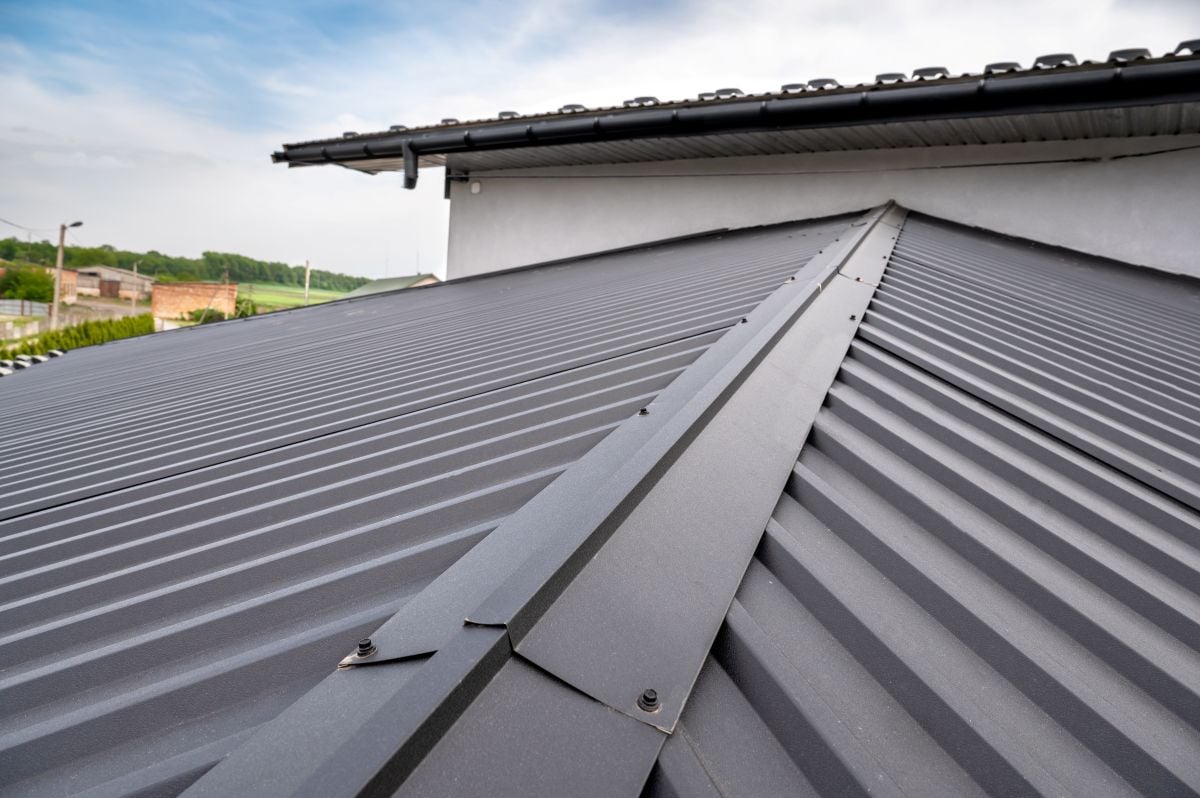
- Metal roofs shed snow more easily but can create large sliding snow sheets
- Flat roofs require closer monitoring due to drainage limitations
Knowing your roof type helps you choose the safest snow removal strategy.
When to Contact ROOF TIGER for Winter Roofing Support
For homeowners in Normal and surrounding areas, winter weather can change quickly. Having a trusted local team ready to respond makes a significant difference in protecting your investment.
Roof snow removal is about preserving your roof’s integrity, protecting your home’s interior, and ensuring your family’s safety throughout the winter months. If you are concerned about snow accumulation or winter roof damage, ROOF TIGER is here to help. Our experienced team understands local weather conditions and provides reliable solutions tailored to your home. Do not wait until small issues become major repairs. Contact us today to schedule an inspection or discuss your winter roofing needs with ROOF TIGER.

Ferocious Roofing

They are extremely professional and responsive, made some great suggestions along the way, and handled every little issue that came up without complaint.
Vince B

