

Roof Flashing Repair (Causes, Fixes & Prevention Tips)
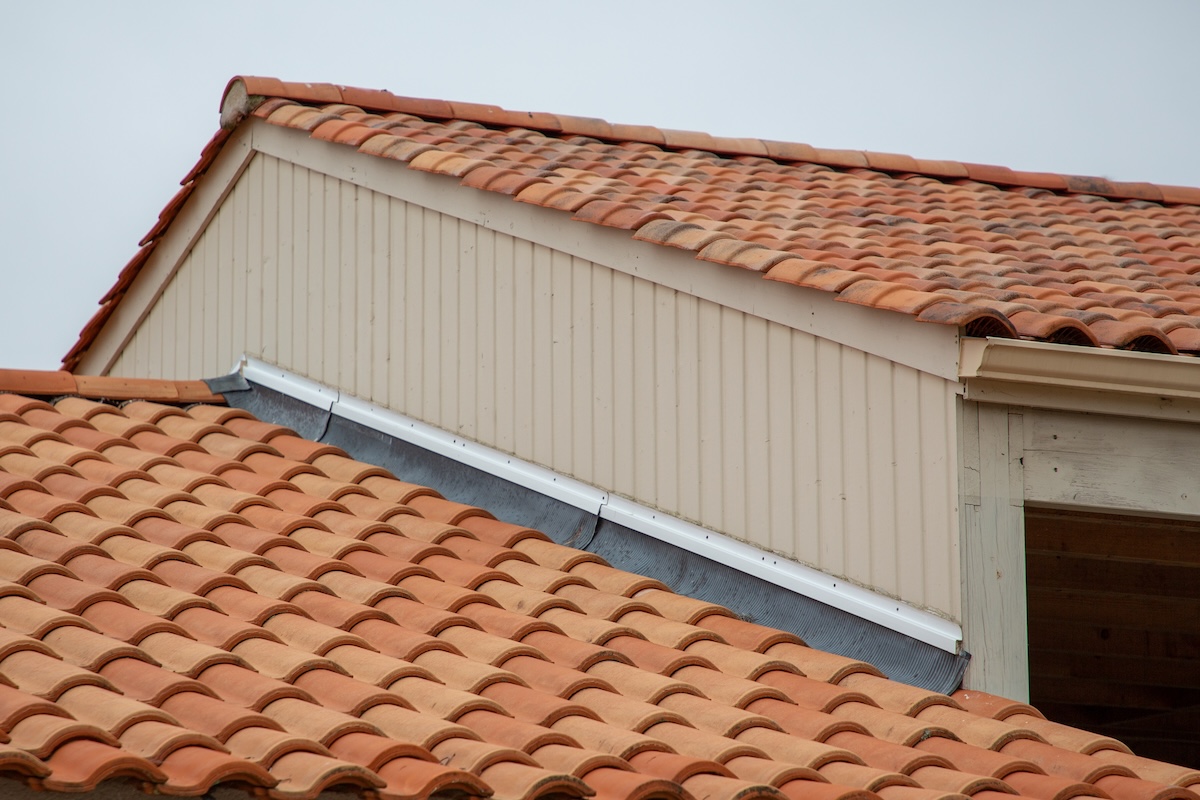
When homeowners notice a leak, their first thought is often missing shingles or storm damage. But in many cases, the real culprit lies in the metal joints that keep water out. Roof flashing repair is one of the most overlooked yet critical parts of maintaining a watertight home. Flashing seals roof intersections, chimneys, valleys, and vents—areas where leaks tend to form first. Without proper upkeep, even minor gaps can lead to major water intrusion and costly interior repairs. You can explore how experienced professionals approach full roof evaluations and long-term leak prevention through ROOF TIGER’s roofing expertise as part of your research.
Here’s what you’ll learn in this guide:
- Why flashing is so important to roof performance
- The main causes of flashing failure
- How professionals repair and maintain flashing
- Tips to prevent future water damage
- When to call local experts in Peoria and surrounding areas
Why Roof Flashing Is So Important
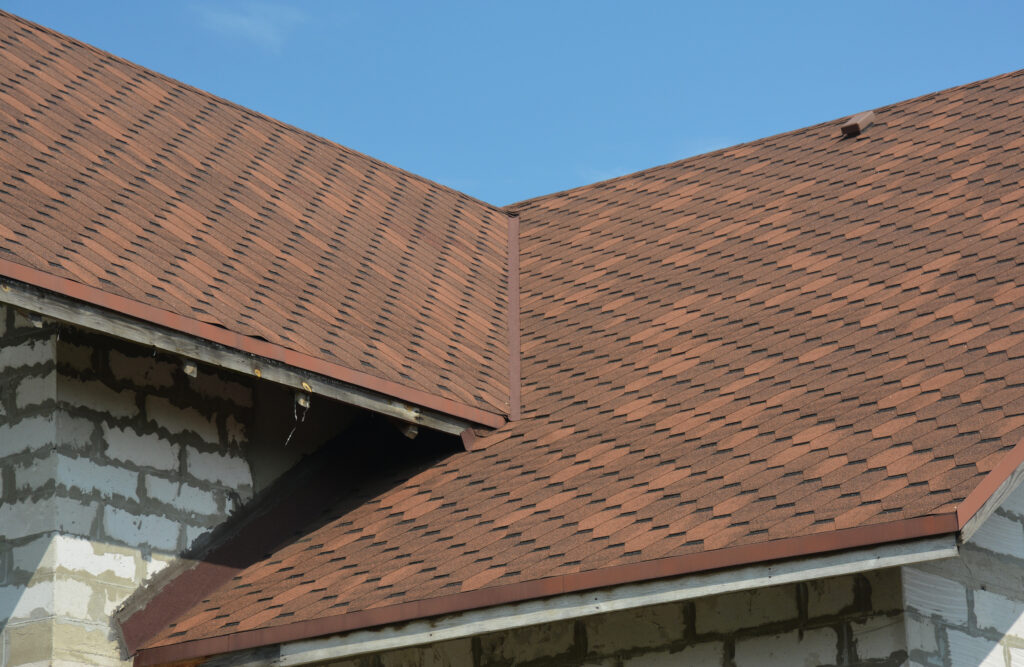
Flashing may not be the most visible part of your roof, but it is among the most essential. This thin sheet metal—often aluminum, copper, or galvanized steel—serves as the first line of defense against leaks in high-risk areas. When flashing fails, it allows water to slip beneath shingles and into the structure. Over time, this can damage decking, insulation, and even interior walls.
Here are the biggest reasons homeowners should take flashing maintenance seriously:
- Leak Prevention Properly sealed flashing keeps moisture from penetrating your roof’s weakest points.
- Structural Protection A watertight seal around chimneys, skylights, and valleys prevents wood rot and mold growth.
- Longevity Routine flashing checks extend the lifespan of your entire roof system.
- Energy Efficiency When water seeps into insulation, your home loses thermal performance.
- Cost Savings Preventing leaks early is far less expensive than repairing water-damaged structures later.
Homeowners in Peoria and surrounding areas experience fluctuating temperatures and heavy seasonal storms, which can wear down flashing faster than expected. That makes regular inspection even more critical.
5 Common Causes of Roof Flashing Damage
Several factors can weaken or dislodge flashing. Understanding what leads to flashing failure helps homeowners identify problems early and prevent serious roof leaks. Below are the most common causes explained in detail.
1. Weather Wear and Tear
Central Illinois weather can be unpredictable, and roofs take the brunt of it. Constant exposure to UV rays, rain, and freeze-thaw cycles eventually causes flashing to expand, contract, and loosen.
Typical signs of weather-related wear:
- Small rust patches or corrosion
- Warped metal near joints
- Loose nails or sealant failure
If you live in Peoria and surrounding areas, inspect your flashing at least once a year—especially after harsh winters or major storms.
2. Improper Installation
Even the best materials fail if installed incorrectly. Flashing that isn’t properly layered or sealed creates openings where water naturally flows. This is one of the top reasons homeowners experience leaks around chimneys and skylights.
Common installation mistakes:
- Flashing nailed directly to the roof deck instead of layered beneath shingles
- Misaligned joints that allow water to backflow
- Inadequate sealing where vertical walls meet the roof surface
Poor installation often goes unnoticed until the damage becomes visible indoors.
3. Age and Material Fatigue
Like any metal component, flashing wears down with time. Galvanized steel may last 15–25 years, while copper can last even longer. Once rust begins forming, small holes can quickly expand under repeated moisture exposure.
Warning signs of old flashing include:
- Flaking rust or visible cracks
- Brittle or broken sealant around edges
- Stains appearing inside the attic near roof seams
4. Physical Damage
Animals, falling branches, and foot traffic can easily bend or puncture flashing. Once the material is compromised, it can no longer redirect water properly.
Common sources of impact damage:
- Tree limbs rubbing against the roof during storms
- Birds or small animals nesting near vents and chimneys
- Untrained personnel walking on the roof surface
Homeowners should avoid stepping on flashing areas and trim trees near the roofline to reduce this risk.
5. Poor Maintenance
Small gaps in caulking or loose nails may seem harmless at first but can widen quickly with rain and wind. Routine inspections allow these minor issues to be repaired before they cause structural problems.
Simple maintenance steps include:
- Checking seals twice per year
- Resealing joints when old caulk cracks or separates
- Removing debris buildup from valleys and roof intersections
Neglecting basic upkeep is one of the easiest ways for moisture to infiltrate your home.
How Roof Flashing Repair Is Performed
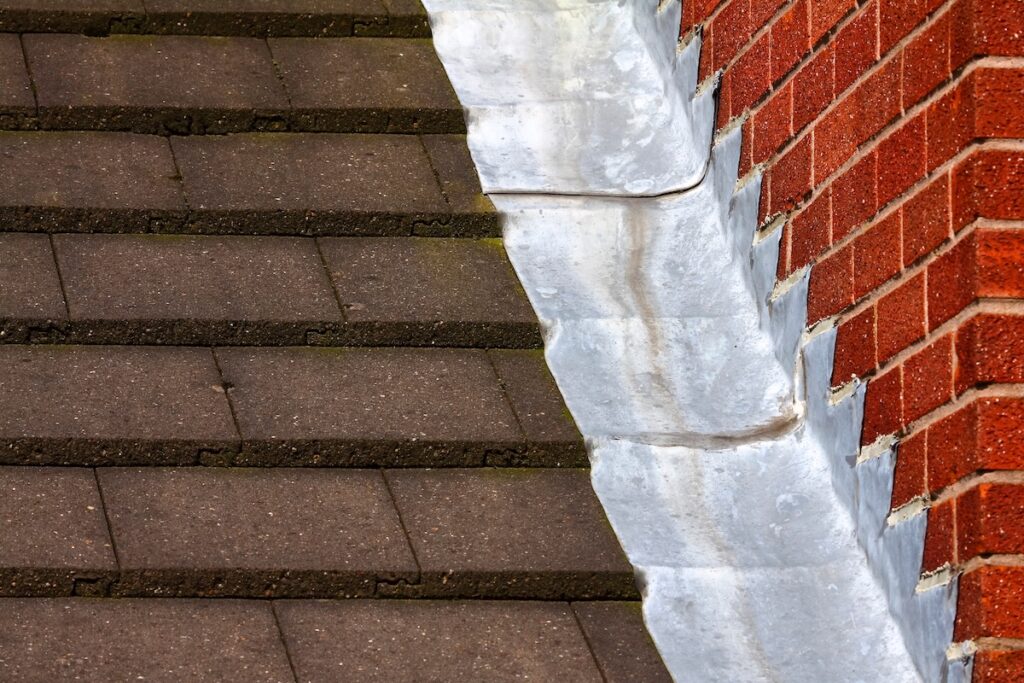
Professional roofers follow a careful process when repairing or replacing flashing. The steps vary depending on the damage type and roof design, but most repairs include the following stages.
Inspection and Assessment
Technicians begin with a thorough roof inspection to locate problem areas. They check flashing around chimneys, skylights, vents, and valleys, as well as underneath shingles when necessary. Identifying the exact leak source ensures the repair targets the right location rather than just surface symptoms.
Removal of Damaged Sections
If corrosion or warping is present, the old flashing is carefully removed without damaging surrounding shingles. Roofers also scrape away any deteriorated caulking or roofing cement to prepare for a clean installation.
Cutting and Fitting New Flashing
New metal sections are cut to size and bent precisely to fit the roof’s angles. Proper alignment is critical to ensure water flows smoothly off the surface.
Sealing and Fastening
Roofers fasten the flashing securely with roofing nails or screws and seal all edges with waterproof roofing cement or high-quality silicone. This creates a tight, weather-resistant barrier.
Final Inspection
A final inspection confirms all seals are watertight and the new flashing blends seamlessly into the existing roofing system. Many professional roofers also conduct a controlled water test to verify leak prevention.
Hiring experienced contractors ensures flashing repair is completed safely and effectively. Roof TIGER’s trained professionals handle flashing as part of their complete roofing service approach, helping homeowners avoid hidden leak risks.
Preventing Future Flashing Failures
Roof flashing maintenance doesn’t end after one repair. Consistent attention prevents recurring problems and protects your investment long-term. Here are the best ways homeowners in Peoria and surrounding areas can reduce the risk of flashing damage.
Regular Roof Inspections
Schedule professional inspections twice a year—ideally in spring and fall—to catch small issues early. Many leaks start as hairline cracks or loose sealant that can be easily fixed before major damage occurs.
Trim Nearby Trees
Overhanging branches can scrape flashing during windy weather. Trimming them back reduces debris buildup and physical impact.
Keep Gutters Clean
Clogged gutters cause water to pool along roof edges and behind flashing. Clean gutters at least twice annually to maintain proper drainage.
Watch for Rust or Stains
Visible rust streaks on metal or brown water stains inside your attic often point to early flashing failure. Address these signs immediately to prevent costly repairs.
Hire Local Professionals
Local contractors understand how weather patterns in Peoria and surrounding areas affect roofing materials. They can recommend stronger sealants or corrosion-resistant metals suited for regional conditions.
Preventive care and professional expertise are the most reliable ways to extend your roof’s lifespan and avoid emergency repairs.
Comparing DIY vs. Professional Flashing Repair
While minor resealing can sometimes be handled by confident homeowners, most flashing repairs are best left to trained roofing specialists. The difference lies in safety, accuracy, and long-term performance.
| Aspect | DIY Repair | Professional Repair |
| Cost | Lower upfront but risk of mistakes | Slightly higher cost, but done correctly the first time |
| Safety | Requires roof access and ladder work | Professionals have safety gear and training |
| Durability | May last months if applied improperly | Designed to last years with proper sealing |
| Warranty | None | Often covered under workmanship guarantee |
| Leak Risk | Higher due to hidden gaps | Minimal when done by certified technicians |
Choosing professional roof flashing repair ensures the job is performed with durable materials, correct angles, and precision sealing. It also protects your home’s warranty and resale value.
When To Schedule Roof Flashing Repair
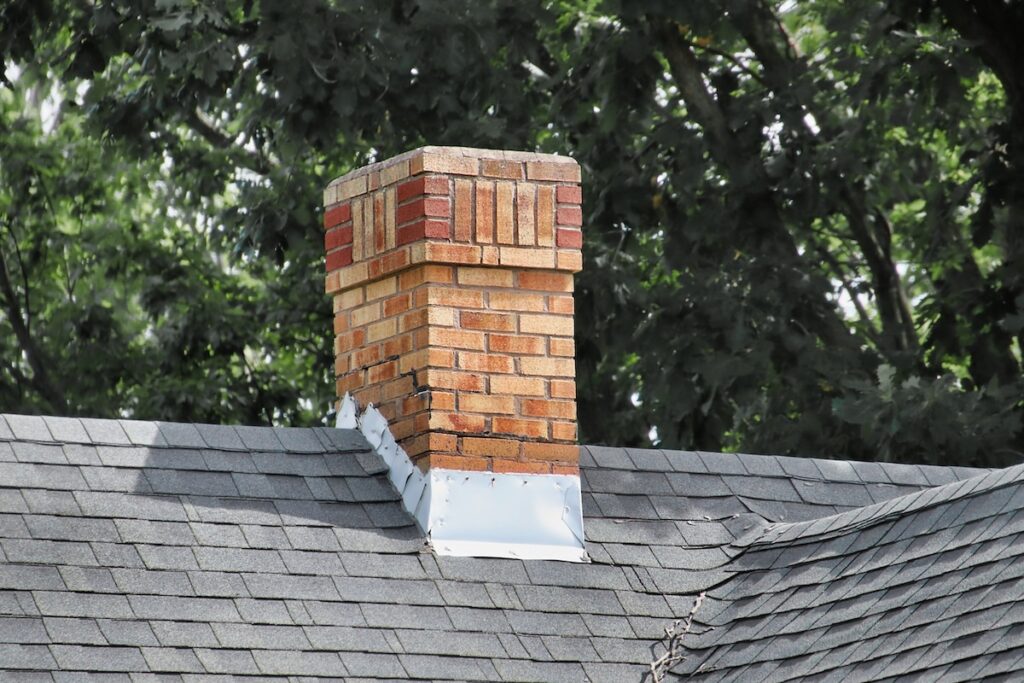
Knowing when to act is key to preventing further damage. Homeowners should schedule flashing repair immediately if they notice:
- Water stains on ceilings or walls
- Damp attic insulation
- Loose or bent metal around chimneys and vents
- Persistent leaks after heavy rain
Even if you’re unsure about the severity, a quick inspection from a trusted roofer provides peace of mind and prevents minor issues from growing worse.
Protect Your Roof With Expert Care
Flashing repair may seem like a small detail, but it plays a huge role in protecting your home from leaks and moisture. By keeping up with inspections, addressing problems promptly, and relying on local experts, homeowners can prevent most major water damage before it begins.
If you suspect flashing issues or want a full roof assessment, reach out to ROOF TIGER and contact us today. Our team proudly serves Peoria and surrounding areas, helping homeowners maintain durable, efficient, and watertight roofs for years to come.


Ferocious Roofing

They are extremely professional and responsive, made some great suggestions along the way, and handled every little issue that came up without complaint.
Vince B

