


Why Roof Decking Is Crucial For Your Roof’s Structure?
When most homeowners think about roofing, they picture shingles, gutters, or flashing. But underneath those visible materials lies the backbone of your entire roofing system — roof decking. It’s the layer that connects the structure of your home to the outer roofing materials, providing strength, stability, and protection. Without sound decking, even the best shingles or underlayment can fail.
For homeowners in Morton and surrounding areas, understanding how roof decking works and why it’s essential can help you make better maintenance and replacement decisions. Whether you’re building a new home or replacing an aging roof, ensuring your decking is in good condition is critical to protecting your investment. You can learn more about installation and inspection services by visiting our roofing page, which outlines the materials and craftsmanship that go into a durable roof system.
Here’s what you’ll learn in this homeowner’s guide:
- What roof decking is and why it matters
- The main types of decking used in residential roofing
- Signs your decking may need repair or replacement
- How proper decking supports roof performance and longevity
- Tips for maintaining a strong, stable roof foundation
Why Roof Decking Is the Unsung Hero of Your Roof
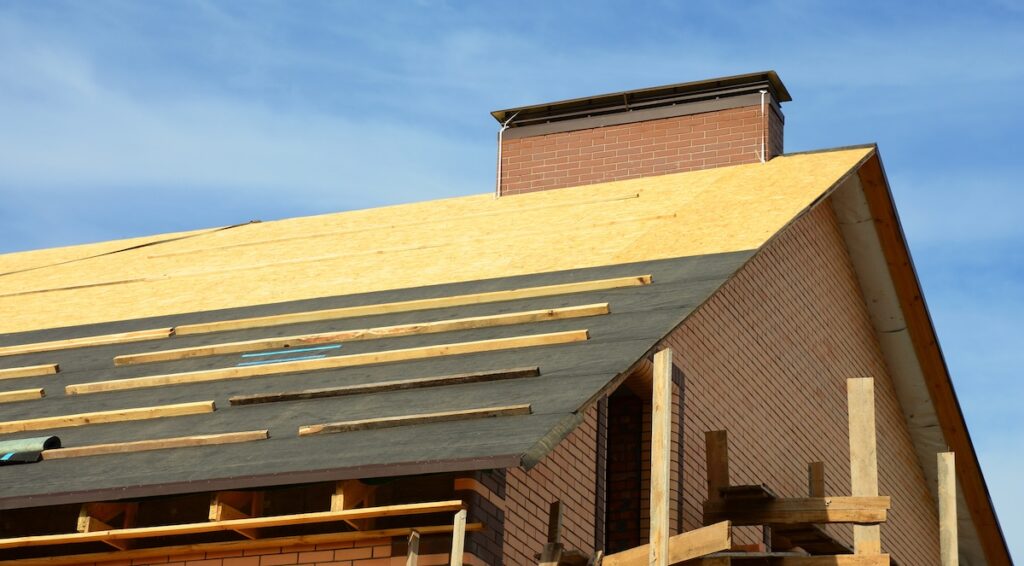
Your roof decking, also called sheathing, is the layer of wood that sits directly on your home’s rafters. It acts as the structural base that supports your shingles or other roofing materials. While it may not be visible from the outside, it plays a critical role in your roof’s strength, weather resistance, and overall performance.
Here’s why it matters so much:
- Provides Structural Support: Decking forms a solid, flat base for the roofing materials above. Without it, shingles can’t be installed properly, and the roof may sag or collapse under weight.
- Distributes Weight Evenly: It helps spread the weight of roofing materials, snow, and foot traffic across the structure evenly.
- Creates a Weather Barrier: Quality decking adds another layer of defense against leaks, wind, and extreme temperatures.
- Ensures Safety: Weak or damaged decking can create hazardous conditions for both your roofers and your home.
- Improves Roof Longevity: When decking is properly maintained, it enhances the life of your entire roofing system.
In areas like Morton and surrounding communities where storms and fluctuating temperatures are common, sturdy roof decking helps prevent costly water damage and premature roof replacement.
5 Key Types of Roof Decking Materials
Not all decking is created equal. Roof decking materials vary in strength, durability, and cost depending on the home’s structure and climate. Below are the most common types used in residential roofing today.
1. Plywood Decking
Plywood is one of the most common materials for modern roofs due to its strength and cost-effectiveness. Made from layers of wood veneer bonded with adhesive, it’s designed to handle heavy loads while remaining resistant to warping.
Pros:
- Strong and durable
- Affordable compared to specialty materials
- Performs well in moderate climates
Cons:
- Can delaminate if exposed to water
- Requires proper ventilation to prevent moisture damage
Best for: Traditional homes and moderate climates with balanced weather conditions.
2. Oriented Strand Board (OSB)
OSB is another widely used option for roof decking. It’s made from compressed wood strands and resin, creating a dense and uniform board that’s less expensive than plywood.
Pros:
- Budget-friendly
- Provides consistent strength
- Smooth, uniform surface for shingle installation
Cons:
- Absorbs water faster than plywood
- Can swell or weaken if not properly sealed
Best for: Newer homes and budget-conscious projects where cost and efficiency matter.
3. Plank Decking
This traditional style uses long, narrow wooden planks laid side-by-side. It’s common in older homes built before the 1970s and can still be found in historic properties.
Pros:
- Classic look for older or rustic homes
- Strong, long-lasting when maintained properly
Cons:
- Time-consuming to replace
- Not ideal for modern shingle installations
Best for: Historic or rural homes where preserving original architecture is a priority.
4. Tongue-and-Groove Decking
This decking style features interlocking edges that fit tightly together, creating a smooth and solid surface. It’s common in cathedral ceilings or exposed roof structures.
Pros:
- Tight interlocking design adds stability
- Excellent load-bearing capacity
- Offers aesthetic appeal for visible applications
Cons:
- More expensive than standard plywood or OSB
- Labor-intensive to install
Best for: High-end homes or architectural roofs with exposed decking.
5. Metal Decking
While not common in residential settings, metal decking is used in some modern or commercial-style homes. It’s made from galvanized steel or aluminum panels.
Pros:
- Extremely strong and long-lasting
- Fire-resistant and low maintenance
- Ideal for flat or low-slope roofs
Cons:
- Costly material and installation
- Requires specialized installation techniques
Best for: Commercial properties or contemporary homes with metal roofing systems.
Signs Your Roof Decking Needs Repair or Replacement
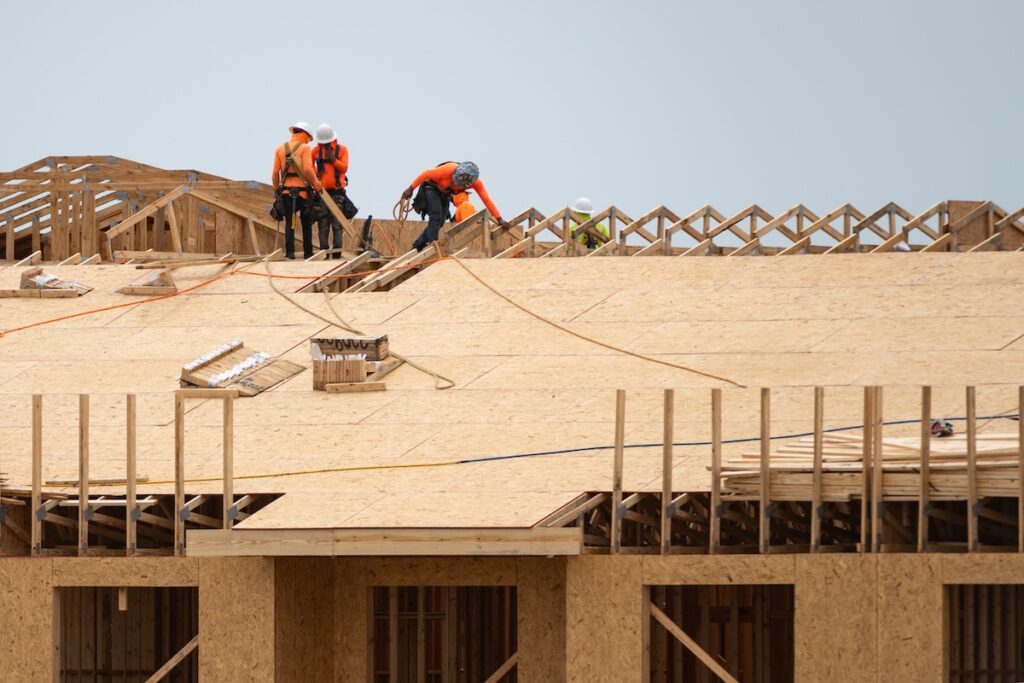
Because roof decking is hidden beneath layers of shingles and underlayment, damage can go unnoticed until serious issues arise. Knowing the warning signs of failing decking can save you from costly structural repairs later.
- Sagging Roof Lines
If your roofline appears uneven or droopy, it may indicate weakened or rotted decking beneath the shingles. - Soft Spots When Walking on the Roof
Soft or spongy areas underfoot suggest that moisture has compromised the wood’s strength. - Water Stains or Mold in the Attic
Leaks from above can soak into the decking, leading to mold growth, discoloration, or wood rot visible in your attic. - Shingle Damage and Curling
Shingles that curl or buckle often signal structural instability underneath—possibly due to deteriorating decking. - Persistent Roof Leaks
When leaks continue despite shingle repairs, the decking itself may be the culprit. - Excessive Nail Pops
Nails pushing upward through shingles can indicate that the decking is shifting or weakening, unable to hold them securely. - Visible Rot or Decay
During roof replacement, contractors may uncover sections of rotted wood that must be replaced before installing new materials.
If you notice any of these signs in your Morton home or nearby areas, a professional roof inspection is essential to determine whether your decking needs repair or replacement.
How Roof Decking Strengthens Your Roofing System
Your roof’s performance depends heavily on the quality and condition of its decking. Here’s how it contributes to a reliable, long-lasting system.
- Structural Integrity: Decking ties the roof’s framing together, preventing sagging or shifting under pressure.
- Support for Underlayment and Shingles: A flat, stable surface ensures that underlayment and shingles adhere properly, improving weather resistance.
- Energy Efficiency: Properly sealed decking prevents air leaks and moisture intrusion, helping regulate indoor temperatures.
- Fire and Water Resistance: Quality materials like treated plywood or metal decking add fire resistance and reduce water penetration.
- Improved Safety: A stable deck provides secure footing for contractors performing inspections, maintenance, or installations.
Without solid decking, your roof can’t perform its most basic functions—keeping your home dry, insulated, and structurally sound.
Comparing Roof Decking Materials
| Material | Average Cost (per sq. ft.) | Strength | Moisture Resistance | Best For | Lifespan |
| Plywood | $1.50–$3.00 | Excellent | Moderate | Standard homes | 20–30 years |
| OSB | $1.00–$2.50 | Good | Fair | Budget-conscious projects | 20–25 years |
| Plank | $2.00–$4.00 | Excellent | Poor (without sealing) | Older homes | 30+ years |
| Tongue-and-Groove | $3.00–$5.00 | Excellent | Moderate | Exposed ceilings | 30–40 years |
| Metal | $4.00–$8.00 | Superior | Excellent | Commercial roofs | 50+ years |
Choosing the right material depends on your roof’s slope, design, and environmental conditions. In Morton and surrounding areas, homeowners often prefer plywood or OSB for their balance of strength, cost, and availability.
Can You Replace Roof Decking Without Replacing the Entire Roof?
In some cases, yes. If only small sections of decking are damaged, they can be repaired or replaced without removing the entire roofing system. However, when multiple panels show signs of decay, it’s best to replace all affected areas to prevent uneven support.
Partial replacement works best when:
- Damage is isolated to one area (such as from a localized leak).
- The remaining decking is structurally sound.
- You’re not installing a completely new roof system.
Full replacement is recommended when:
- Large sections are soft, rotten, or warped.
- The decking is over 30 years old.
- You’re upgrading roofing materials or insulation.
An experienced roofer can assess the condition of your decking and recommend the best approach based on cost, safety, and longevity.
Protecting and Maintaining Roof Decking
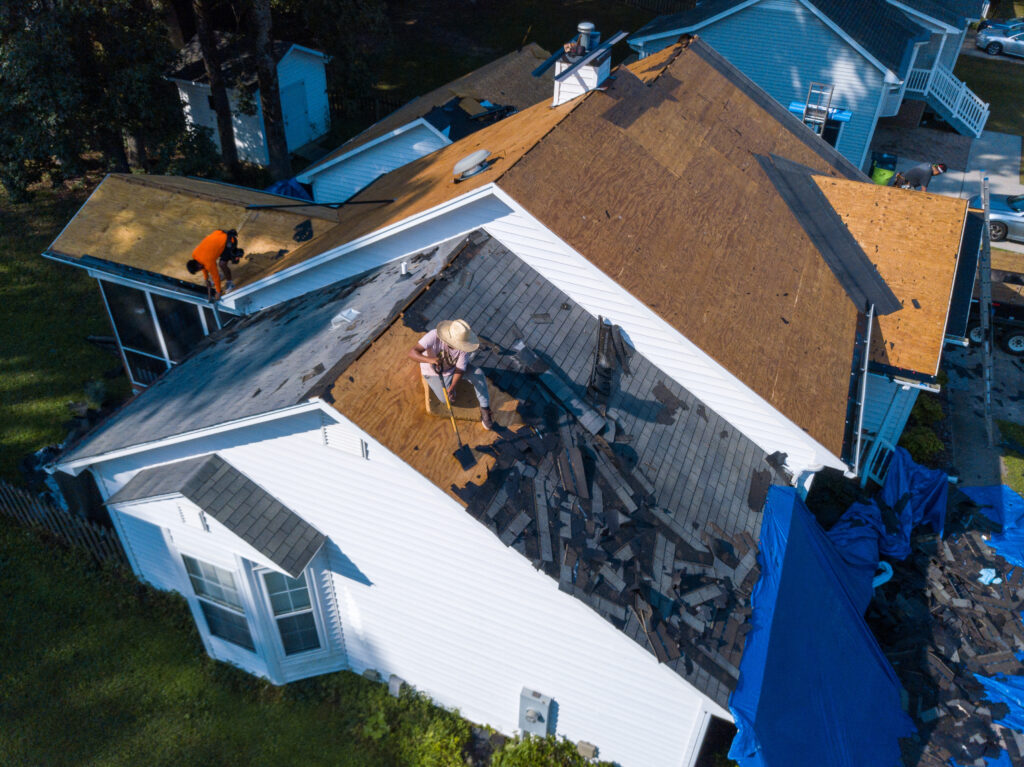
Routine maintenance can help prevent most decking issues. Here are a few practical steps homeowners can take:
- Inspect your attic twice a year for signs of moisture or mold.
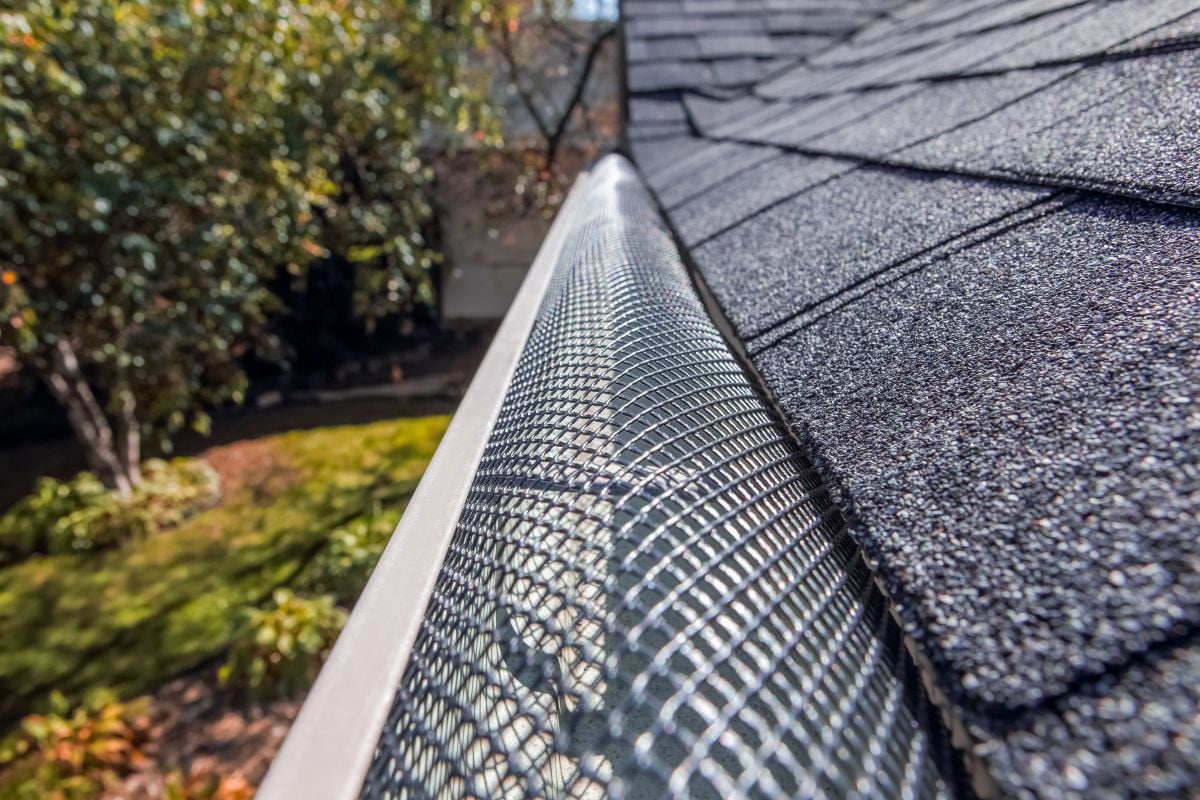
- Clean gutters regularly to prevent water overflow that can soak into roof edges.
- Ensure proper attic ventilation to reduce heat and condensation buildup.
- Trim trees and remove debris that can trap moisture on the roof.
- Schedule professional roof inspections every two years, or sooner after major storms.
These simple habits can prevent premature rot and extend the life of your roof decking significantly.
Strengthen Your Roof with ROOF TIGER
Your roof decking is the foundation of your entire roofing system. Without a strong, properly installed base, even the highest-quality shingles can fail. Whether you’re building a new roof or replacing an old one, paying attention to the condition of your decking ensures long-term protection and peace of mind.
At ROOF TIGER, we help homeowners in Morton and surrounding areas identify, repair, and replace damaged decking using top-tier materials and precise craftsmanship. Our team is committed to protecting your home from the inside out, ensuring every layer of your roof performs at its best.
If you suspect your decking is damaged or want to schedule a professional roof inspection, contact us today at ROOF TIGER to speak with one of our roofing specialists.

Ferocious Roofing

They are extremely professional and responsive, made some great suggestions along the way, and handled every little issue that came up without complaint.
Vince B

