


Hip vs Gable Roof: Which One Is Best?
When designing or replacing your roof, choosing the right structure is one of the most important decisions you’ll make. The roof’s shape impacts not just your home’s appearance but also its performance, durability, and energy efficiency. Two of the most popular options homeowners consider are hip and gable roofs. But when comparing hip vs gable roof, which one truly stands out as the best choice?
Both designs have stood the test of time, offering unique advantages that suit different climates, aesthetics, and budgets. If you’re planning a new installation or replacement in Morton and surrounding areas, understanding these differences will help you make an informed decision that adds value and protection to your home. To explore more about installation and design options, check out our roofing solutions for expert insights on materials, structure, and performance.
Here’s what you’ll learn in this guide:
- The main features and benefits of hip and gable roof designs
- How to choose between the two based on weather and budget
- A detailed comparison of cost, durability, and maintenance needs
- Tips to enhance roof performance and curb appeal
- Expert recommendations for homeowners in Morton and surrounding areas
Why Roof Design Matters for Homeowners
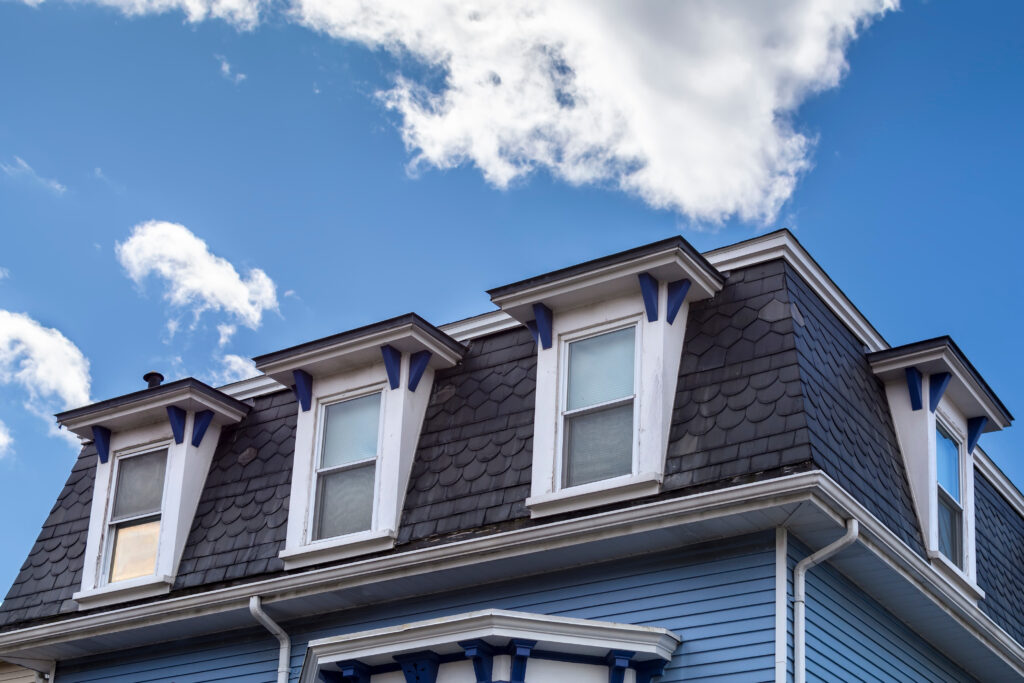
Your roof does more than protect you from the elements—it defines your home’s architectural style, influences energy efficiency, and affects long-term maintenance costs. The difference between a hip and gable roof may seem small at first, but it can make a big impact on both performance and appearance.
Here’s why understanding your roof type is so important:
- Weather Resistance: Certain roof designs handle wind, rain, and snow better than others, reducing long-term repair needs.
- Energy Efficiency: Roof pitch and shape can influence ventilation, attic temperature, and heating or cooling costs.
- Aesthetic Appeal: Your roof contributes up to 40% of your home’s visible exterior. The right design can boost curb appeal and resale value.
- Structural Stability: Some roof structures provide better load distribution, especially during storms or heavy snowfall.
- Maintenance Requirements: Simpler designs are often easier and cheaper to maintain, while complex shapes may require more upkeep.
Choosing between hip and gable roofs involves balancing practicality, style, and budget—all key factors in building a home that lasts.
Understanding the Difference Between Hip and Gable Roofs
Both roof types are common across the Midwest, but they serve slightly different purposes. Here’s a breakdown of what sets them apart and how each performs in real-world conditions.
1. What Is a Gable Roof?
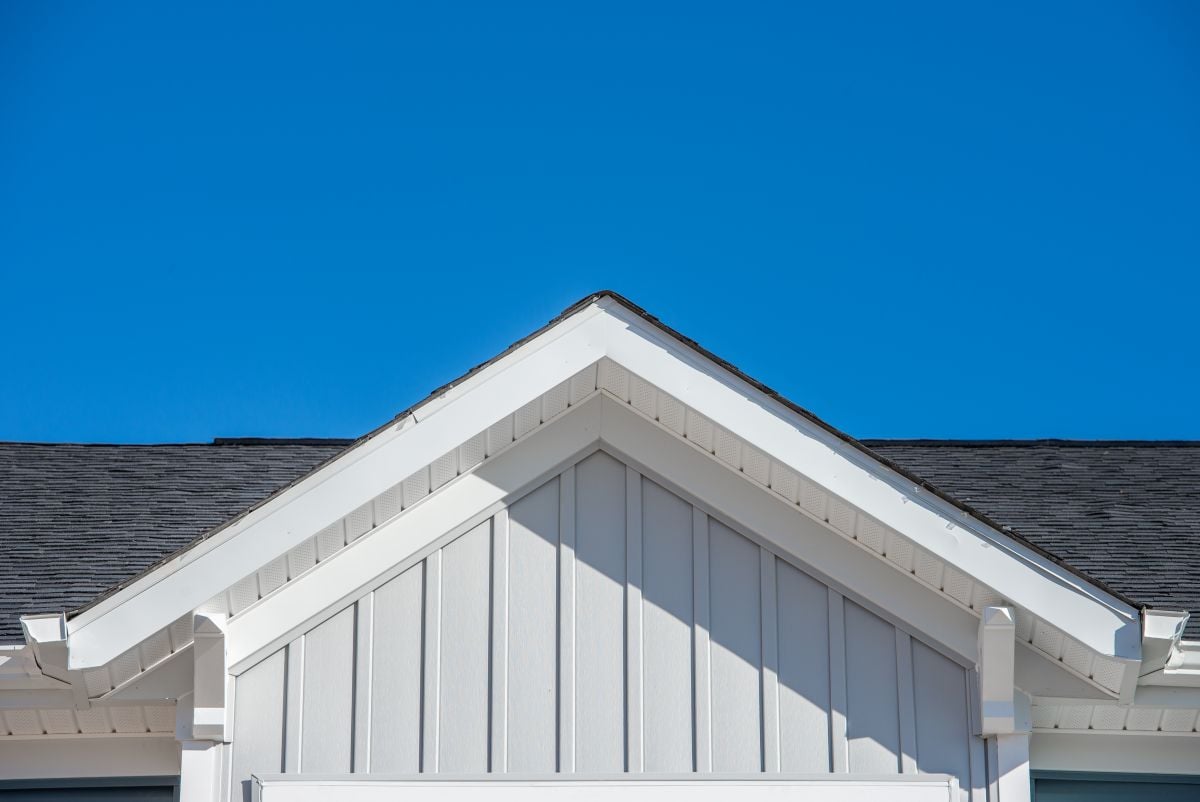
A gable roof is the most recognizable roof shape, featuring two sloping sides that meet at a central ridge, forming a triangular peak. This design allows for excellent water runoff and efficient ventilation, making it one of the most popular choices nationwide.
Key Characteristics:
- Two slopes form a ridge, creating a classic “A-frame” look
- Steeper pitches help snow and rain slide off easily
- Often includes gable vents for attic airflow
Advantages:
- Cost-effective and simple to construct
- Provides ample attic space or room for vaulted ceilings
- Excellent water drainage and ventilation
- Works well with most home styles
Disadvantages:
- Can be vulnerable to strong winds if not properly braced
- End walls take more wind pressure and may require reinforcement
- Open gables can allow water intrusion during sideways rain
2. What Is a Hip Roof?
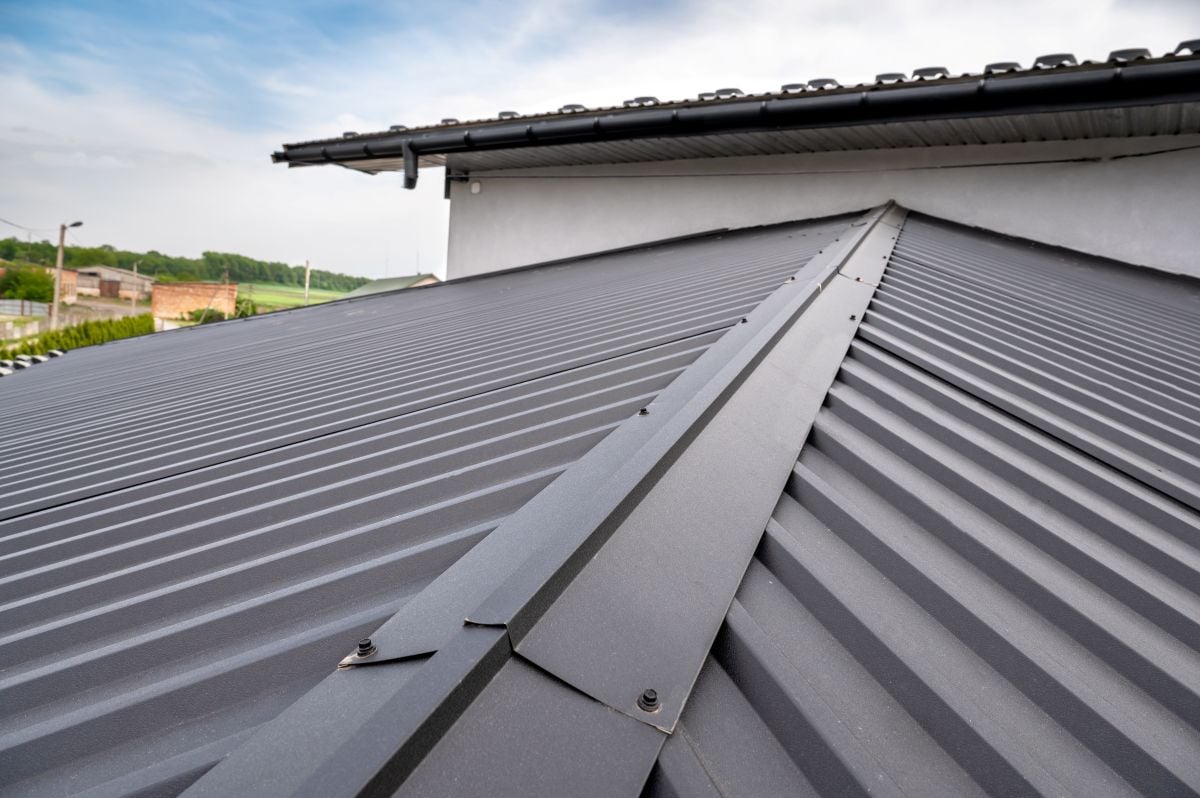
A hip roof features four sloping sides that all meet at a central ridge or point, creating a sturdy, symmetrical structure. This design provides exceptional wind resistance and adds a balanced look to your home.
Key Characteristics:
- Four equal slopes (two long and two short)
- No vertical gable ends
- Eaves wrap around the entire home, offering better shading
Advantages:
- Excellent wind and storm resistance
- More stable structure overall
- Adds a refined, modern aesthetic to many home styles
- Eaves provide additional protection to exterior walls
Disadvantages:
- More expensive to build due to complexity
- Provides less attic space than gable roofs
- May require additional ventilation systems
5 Key Differences Between Hip and Gable Roofs
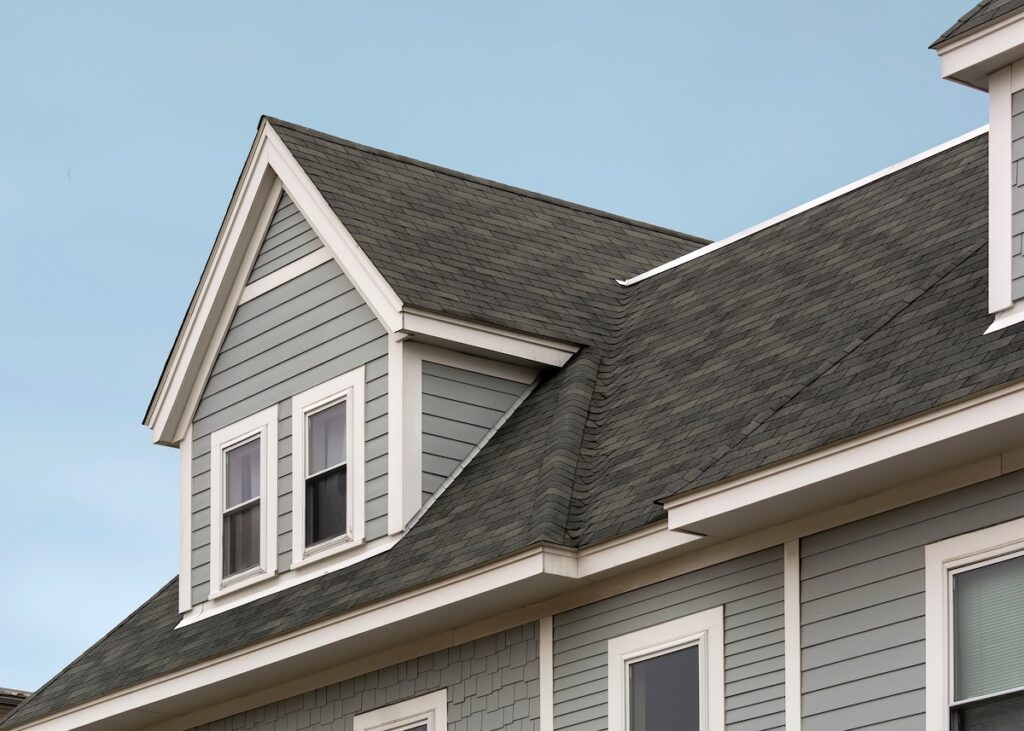
To help you decide which design fits your home best, let’s look at five major factors that distinguish these two roofing styles.
1. Roof Shape and Structure
- Gable Roof: Triangular shape with two slopes and open ends. Simple design that’s easy to construct.
- Hip Roof: Pyramid-like shape with four slopes that meet at a central ridge. Offers more balanced load distribution.
In Morton and surrounding areas, where storms can bring high winds, hip roofs generally offer better stability and protection.
2. Weather Resistance
- Gable Roof: Performs well in snowy and rainy regions because of steep slopes. However, it’s more susceptible to wind damage.
- Hip Roof: Ideal for areas with frequent storms or hurricanes, as the four-sided slope deflects wind from all directions.
If you live in an area prone to high winds or tornadoes, a hip roof is the safer, more durable choice.
3. Space and Ventilation
- Gable Roof: Provides generous attic space and allows for easy installation of vents and windows.
- Hip Roof: Creates less interior space but can incorporate ridge and soffit vents for airflow.
For homeowners who want extra storage or attic insulation, gable roofs have the advantage.
4. Cost and Complexity
- Gable Roof: More affordable and faster to build due to its straightforward design.
- Hip Roof: More expensive because of additional materials and labor for the four slopes.
Although hip roofs cost more upfront, their improved durability and longevity often justify the investment over time.
5. Appearance and Curb Appeal
- Gable Roof: Offers a traditional, classic look that fits colonial and modern homes alike.
- Hip Roof: Delivers a sleek, symmetrical aesthetic often favored for newer, upscale designs.
In Morton and surrounding areas, many homeowners combine both styles for a customized hybrid look that blends beauty and function.
Comparing Hip vs Gable Roofs
Here’s a quick side-by-side comparison to help visualize the key differences.
| Feature | Hip Roof | Gable Roof |
| Number of Slopes | Four | Two |
| Wind Resistance | Excellent | Moderate |
| Snow and Rain Drainage | Good | Excellent |
| Attic Space | Limited | Generous |
| Cost | Higher | Lower |
| Aesthetic Style | Modern, symmetrical | Traditional, versatile |
| Best For | Windy climates | Cold or wet climates |
Both designs have distinct advantages, so your choice ultimately depends on local weather conditions, home design, and personal preference.
Hybrid Designs: Getting the Best of Both Worlds
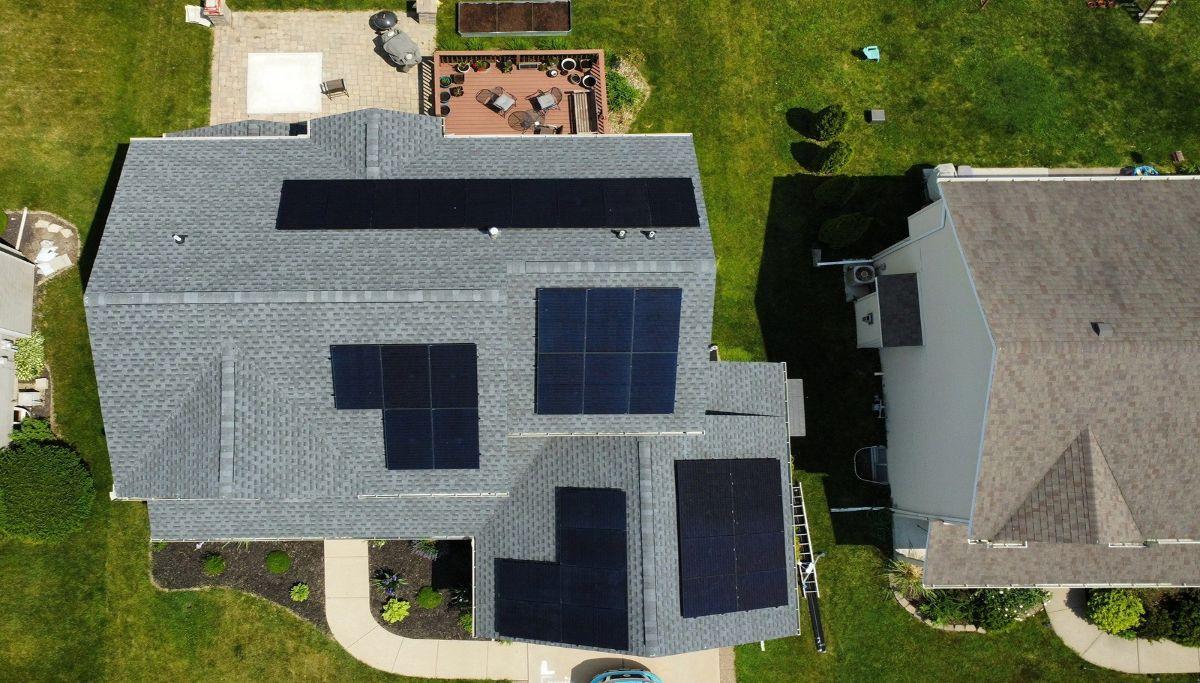
Many modern homes now use a combination of hip and gable roofs to achieve both structural strength and visual appeal. For instance, a home might feature a hip roof over the main structure with small gables over dormers or extensions.
Benefits of Hybrid Roofs:
- Enhanced architectural character and curb appeal
- Improved drainage with additional slopes
- Greater flexibility for ventilation and attic space
- Balanced wind and weather resistance
This hybrid design approach allows homeowners to enjoy the practicality of a hip roof while maintaining the spaciousness and classic beauty of a gable roof.
Choosing the Right Roof for Your Home
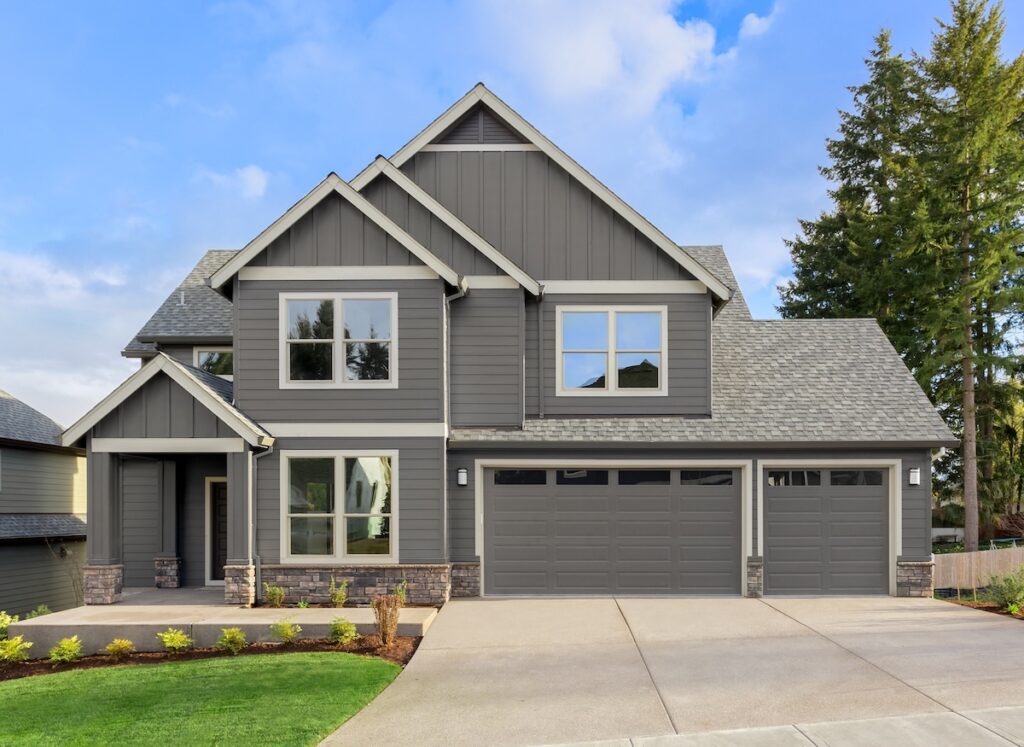
When deciding between a hip or gable roof, consider the following factors to ensure you make the best choice for your property.
1. Local Weather Conditions: If your home is exposed to high winds or severe storms, a hip roof offers better durability. For regions with heavy snow or rain, a steep gable roof ensures efficient drainage.
2. Budget: A gable roof is more cost-effective initially, but hip roofs can save money over time due to fewer storm-related repairs.
3. Aesthetic Preferences: If you prefer a more traditional or classic look, gable roofs fit a wide range of architectural styles. Hip roofs, on the other hand, are ideal for modern or ranch-style homes seeking symmetry and elegance.
4. Long-Term Maintenance: Gable roofs are easier to repair since they have fewer seams and simpler structures. Hip roofs may require more attention at the valleys where slopes meet.
5. Home Functionality: If you need additional attic space or plan to install skylights or ventilation systems, a gable roof provides more flexibility.
Expert Insights: Energy Efficiency and Ventilation
Roof design also affects how energy-efficient your home is.
- Gable Roofs: Allow for larger ventilation openings, which can help regulate attic temperature and reduce cooling costs in summer.
- Hip Roofs: Offer natural shade from extended eaves, which helps keep exterior walls cooler during hot months.
For maximum efficiency, consider adding proper insulation and attic ventilation regardless of which roof type you choose.
Pros and Cons Summary
| Category | Hip Roof | Gable Roof |
| Pros | Great wind resistance, modern appearance, durable | Affordable, easy to build, good ventilation |
| Cons | Higher cost, limited attic space | Vulnerable to wind damage, less stability |
| Best For | Windy and storm-prone areas | Areas with snow or heavy rainfall |
Both designs can perform exceptionally well when installed by a qualified roofing professional and properly maintained throughout the year.
Find the Perfect Roof with ROOF TIGER
Whether you’re building a new home or upgrading your existing roof, the choice between hip and gable designs is about more than looks—it’s about long-term performance and protection. The right roof can safeguard your home, improve energy efficiency, and elevate your property’s curb appeal.
At ROOF TIGER, we help homeowners in Morton and surrounding areas find the perfect roofing design for their style, climate, and budget. Our team provides expert recommendations, professional installation, and durable materials that stand the test of time.
If you’re ready to explore your roofing options or schedule a consultation, contact us today to speak with one of our experts and discover which roof design is best for your home.

Ferocious Roofing

They are extremely professional and responsive, made some great suggestions along the way, and handled every little issue that came up without complaint.
Vince B

