


What Is Pitched Roof? (Pros & Cons)
When it comes to protecting your home, few design elements make a bigger difference than your roof structure. The type of roof you choose affects everything from drainage and insulation to curb appeal and maintenance costs. Among the most popular options for homeowners in Washington and surrounding areas is the pitched roof, known for its angled design and ability to withstand heavy weather. Whether you’re building a new home or considering a roof replacement, understanding how this style works will help you make an informed choice.
For a deeper look at professional installation and maintenance services that keep your roof performing its best, you can explore our roofing solutions page, where we explain materials, methods, and warranties available for every home style.
Here’s what you’ll learn in this guide:
- What defines a pitched roof and how it differs from other roof types
- The advantages and disadvantages every homeowner should know
- Common design styles and materials used for pitched roofs
- How the roof slope impacts cost, ventilation, and energy efficiency
- When to call a professional for inspection, repair, or replacement
Why Understanding Pitched Roofs Matters
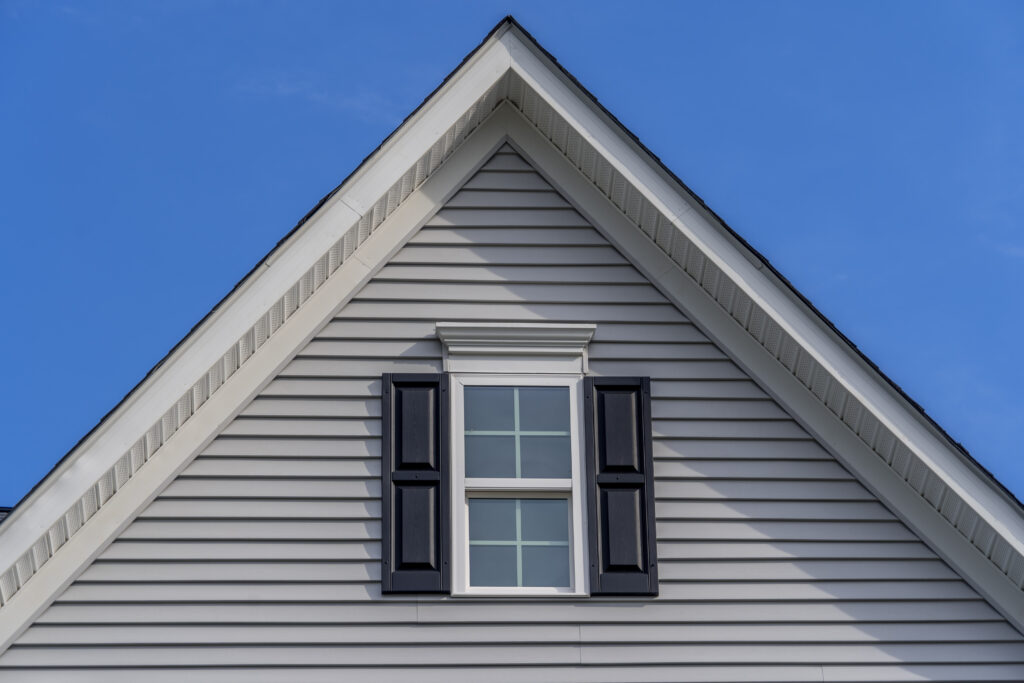
A pitched roof is any roof with a noticeable slope or angle, designed primarily to allow rainwater and snow to slide off easily. Unlike flat roofs, pitched designs provide superior drainage, reducing the risk of pooling and leaks. They’re especially practical in regions that experience seasonal rain and snow—conditions that are all too familiar for homeowners in Washington and surrounding areas.
Here’s why the design matters for your home:
- Superior Water Management: The slope directs water away from the roof surface, preventing leaks and extending the roof’s life.
- Enhanced Durability: Properly installed pitched roofs can last decades longer than flat roofs due to better drainage and material options.
- Energy Efficiency: The added attic space allows for better insulation and ventilation, reducing energy costs.
- Aesthetic Versatility: Pitched roofs complement various architectural styles, from traditional cottages to modern farmhouses.
- Higher Property Value: The classic design and long lifespan can make your home more attractive to future buyers.
7 Pros and Cons of Pitched Roofs
Every roofing style has trade-offs, and knowing both sides will help you choose the right option for your property. Below are the main advantages and disadvantages of pitched roofs so you can make an informed decision before your next project.
1. Pro: Excellent Drainage
The biggest advantage of a pitched roof is its natural ability to shed water. Because of the slope, rain and snow slide off easily, reducing the risk of pooling or leaks. This is particularly important in areas with fluctuating weather, like Washington and surrounding areas, where freezing and thawing cycles can damage flat roof systems.
2. Pro: Long Lifespan
Pitched roofs, especially those made from asphalt shingles, metal, or slate, can last 30 to 100 years depending on the material and maintenance. The angled design reduces standing water and debris buildup, meaning fewer repairs over time.
3. Pro: Energy Efficiency
The added attic space beneath a pitched roof allows for enhanced insulation and airflow. Proper ventilation helps regulate indoor temperatures throughout the year, making your home more comfortable while lowering heating and cooling costs.
4. Pro: Greater Design Flexibility
Pitched roofs come in numerous designs—gable, hip, saltbox, and gambrel being the most common. This flexibility allows homeowners to choose a style that suits their home’s aesthetic while improving its performance.
5. Con: Higher Installation Cost
The main drawback is cost. Pitched roofs require more materials, complex framing, and skilled labor. The steeper the pitch, the more expensive the installation tends to be. However, the long-term benefits often outweigh the upfront investment.
6. Con: More Challenging Maintenance
While pitched roofs are more durable overall, cleaning gutters, removing debris, or repairing shingles can be tricky due to the angle. Hiring a professional for maintenance is safer and ensures work is done correctly.
7. Con: Limited Accessibility for Additions
Adding skylights, solar panels, or rooftop decks is more complex with pitched roofs. These projects often require custom mounting systems and additional flashing to prevent leaks.
Types of Pitched Roofs
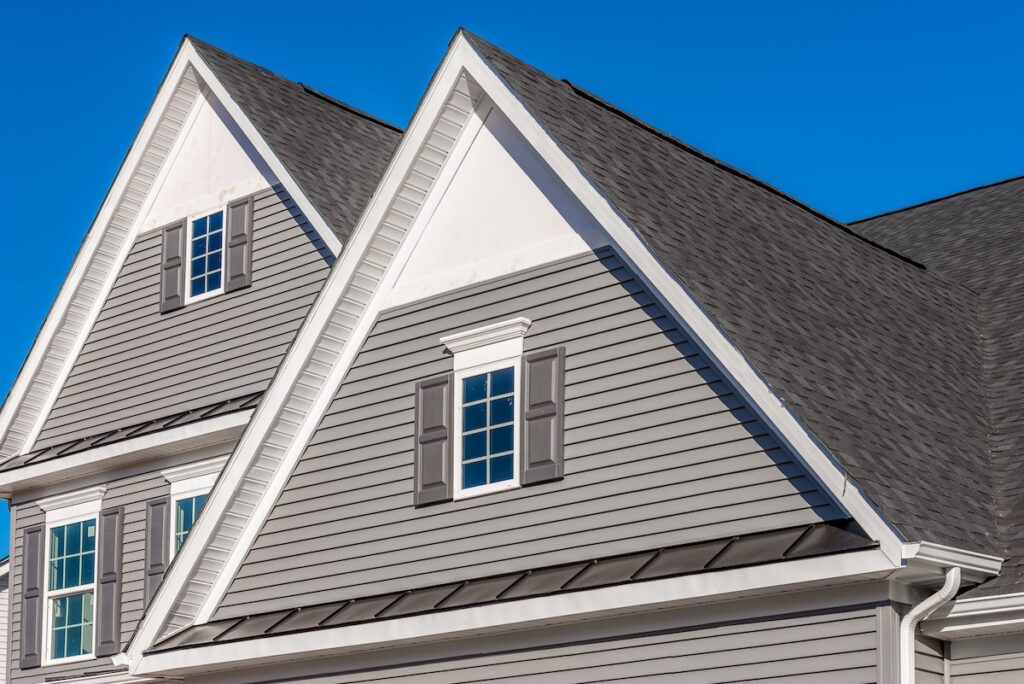
Pitched roofs come in many designs, each with its own functional and aesthetic advantages. Here are some of the most common styles you’ll see across Washington and surrounding areas.
Gable Roof
The most recognizable style, gable roofs feature two sloping sides that meet at a ridge, forming a triangular shape.
Advantages:
- Excellent for water and snow drainage
- Simple design makes installation cost-effective
- Works well with many home types
Drawbacks:
- Vulnerable to strong winds if not reinforced
- Limited attic ventilation without ridge vents
Hip Roof
This style has slopes on all four sides that meet at the top. It’s one of the most stable designs available.
Advantages:
- Extremely wind-resistant
- Provides additional attic space
- Visually balanced and elegant appearance
Drawbacks:
- More expensive due to complex framing
- Requires additional waterproofing at seams
Mansard Roof
Originating in France, this design features two slopes on each side—the lower one steeper than the upper.
Advantages:
- Adds extra living or storage space under the roof
- Elegant, European-inspired aesthetic
Drawbacks:
- Difficult to install and repair
- Not ideal for heavy snow areas
Gambrel Roof
Often found on barns or colonial-style homes, this roof has two slopes on each side, with the lower slope being much steeper.
Advantages:
- Maximizes interior attic space
- Cost-efficient due to simple framing
Drawbacks:
- Prone to wind damage without proper support
- May require regular maintenance at the ridges
Saltbox Roof
A unique design featuring one long slope and one short slope, creating an asymmetrical look.
Advantages:
- Great for shedding rain and snow
- Offers interesting architectural appeal
Drawbacks:
- Uneven attic space can limit interior layout
- Complex framing increases installation time
5 Key Factors to Consider Before Installing a Pitched Roof
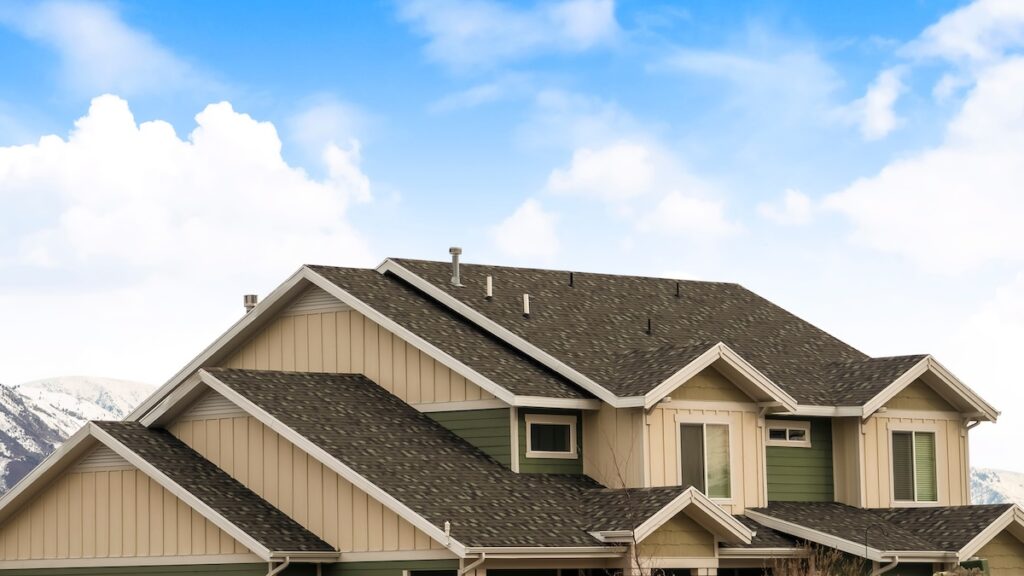
Before you commit to a new roof design, it’s important to understand how a pitched structure fits your home’s layout, budget, and climate.
- Roof Pitch Ratio
The pitch is expressed as a ratio (for example, 6:12 means the roof rises six inches for every 12 inches of horizontal distance). Steeper pitches drain better but cost more to build. - Material Selection
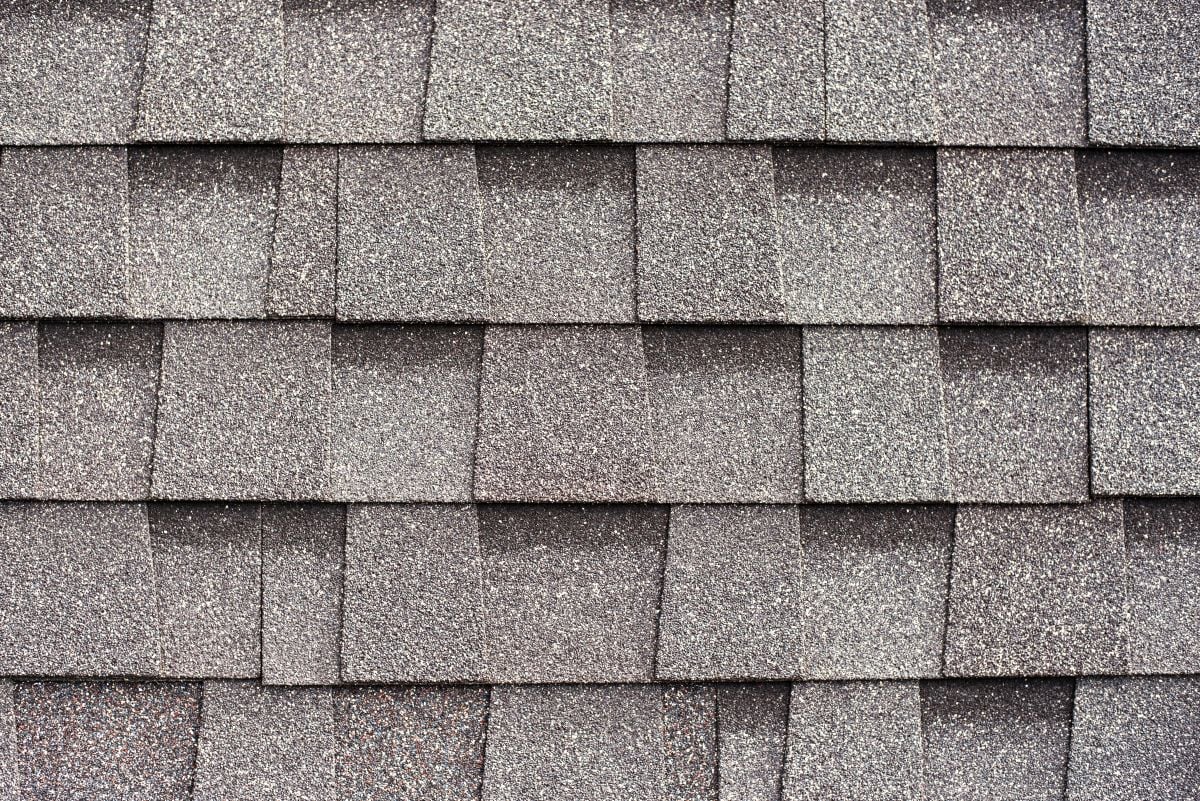
Asphalt shingles, metal panels, clay tiles, and slate are the most common materials used for pitched roofs. Choose based on local weather conditions and your home’s architectural style. - Local Building Codes
Always ensure your roof design meets city regulations. In Washington and surrounding areas, specific pitch requirements may apply to certain neighborhoods or HOA guidelines. - Ventilation and Insulation
A proper ventilation system keeps your attic dry and energy-efficient. Combine ridge vents with soffit vents for balanced airflow. - Professional Installation
Hiring an experienced roofing contractor ensures that the angles, underlayment, and flashing are correctly installed for long-term performance.
Comparing Pitched Roof vs. Flat Roof
If you’re still deciding between a pitched and flat roof, here’s a comparison to help you weigh the differences:
| Feature | Pitched Roof | Flat Roof |
| Drainage | Excellent runoff due to slope | Requires drains or scuppers |
| Maintenance | Less frequent but more complex | Easier access, more frequent upkeep |
| Lifespan | 30–100 years depending on materials | 15–30 years typically |
| Energy Efficiency | Better ventilation and insulation | Can trap heat without proper design |
| Cost | Higher upfront but lower long-term repair costs | Lower installation cost, higher maintenance over time |
| Aesthetic Appeal | Classic, elegant appearance | Modern, minimalist look |
Both styles have their advantages, but for most homeowners in the Midwest, pitched roofs offer the ideal balance of durability and performance against the region’s diverse weather conditions.
Maintenance Tips for Pitched Roofs
Keeping your pitched roof in great shape requires periodic care. These maintenance practices will help you prevent costly repairs down the road.
- Inspect After Every Major Storm: Look for missing shingles, lifted flashing, or sagging gutters.
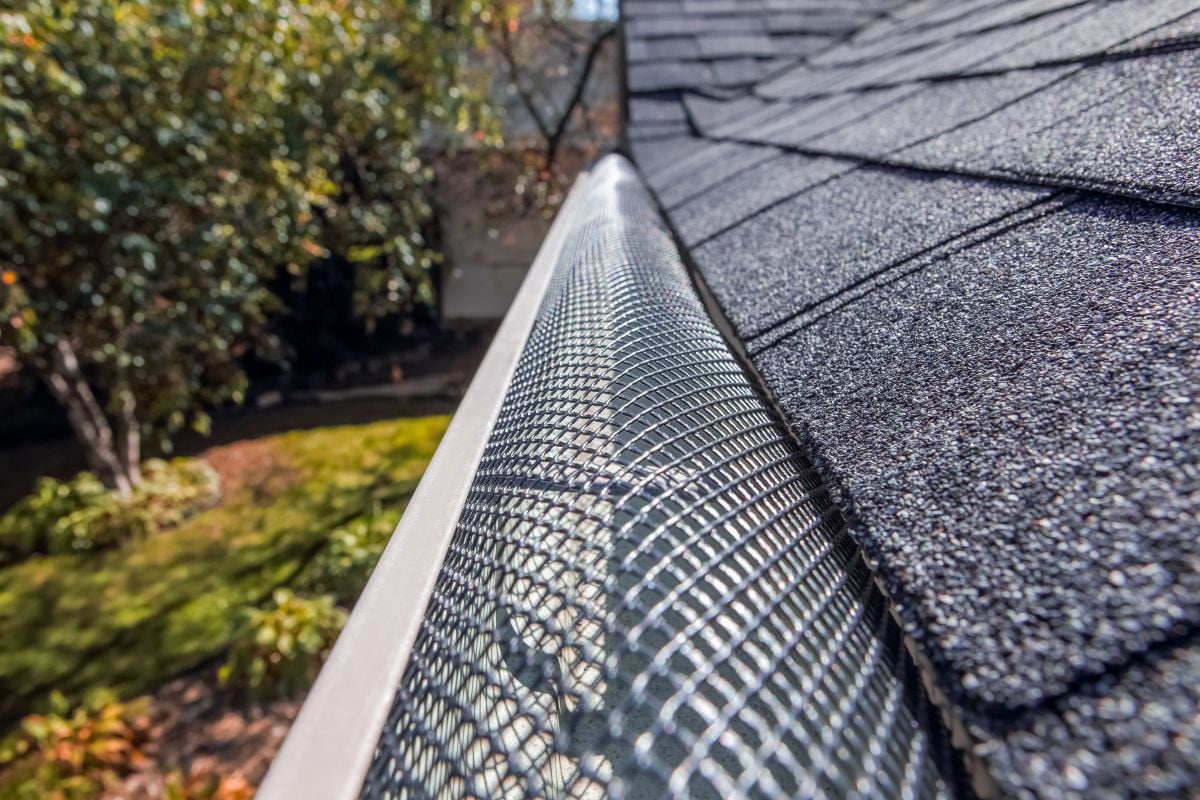
- Clean Gutters Twice a Year: Clogged gutters can cause water to back up and damage the fascia or roof edge.
- Trim Overhanging Branches: Falling limbs and debris can damage shingles or block drainage.
- Check for Moss or Algae Growth: In humid areas, treat affected spots with a mild cleaning solution to prevent decay.
- Schedule Annual Professional Inspections: A trained roofer can spot early signs of wear that homeowners might overlook.
Keep Your Roof Strong with ROOF TIGER
A pitched roof isn’t just an architectural feature—it’s a crucial part of your home’s weather defense system. When installed and maintained properly, it provides lasting protection, improved efficiency, and timeless beauty. Whether you’re replacing your existing roof or upgrading your home’s structure, understanding its pros and cons helps you make confident, informed decisions.
The team at ROOF TIGER proudly serves homeowners in Washington and surrounding areas with expert roofing solutions built for Midwest conditions. Our commitment to education, transparency, and high-quality craftsmanship ensures that every project stands the test of time.
If you’re ready to explore the best roofing options for your home, contact us today to schedule your inspection or consultation.

Ferocious Roofing

They are extremely professional and responsive, made some great suggestions along the way, and handled every little issue that came up without complaint.
Vince B

